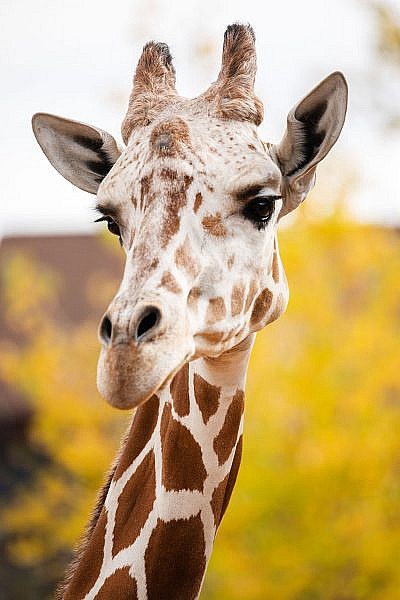

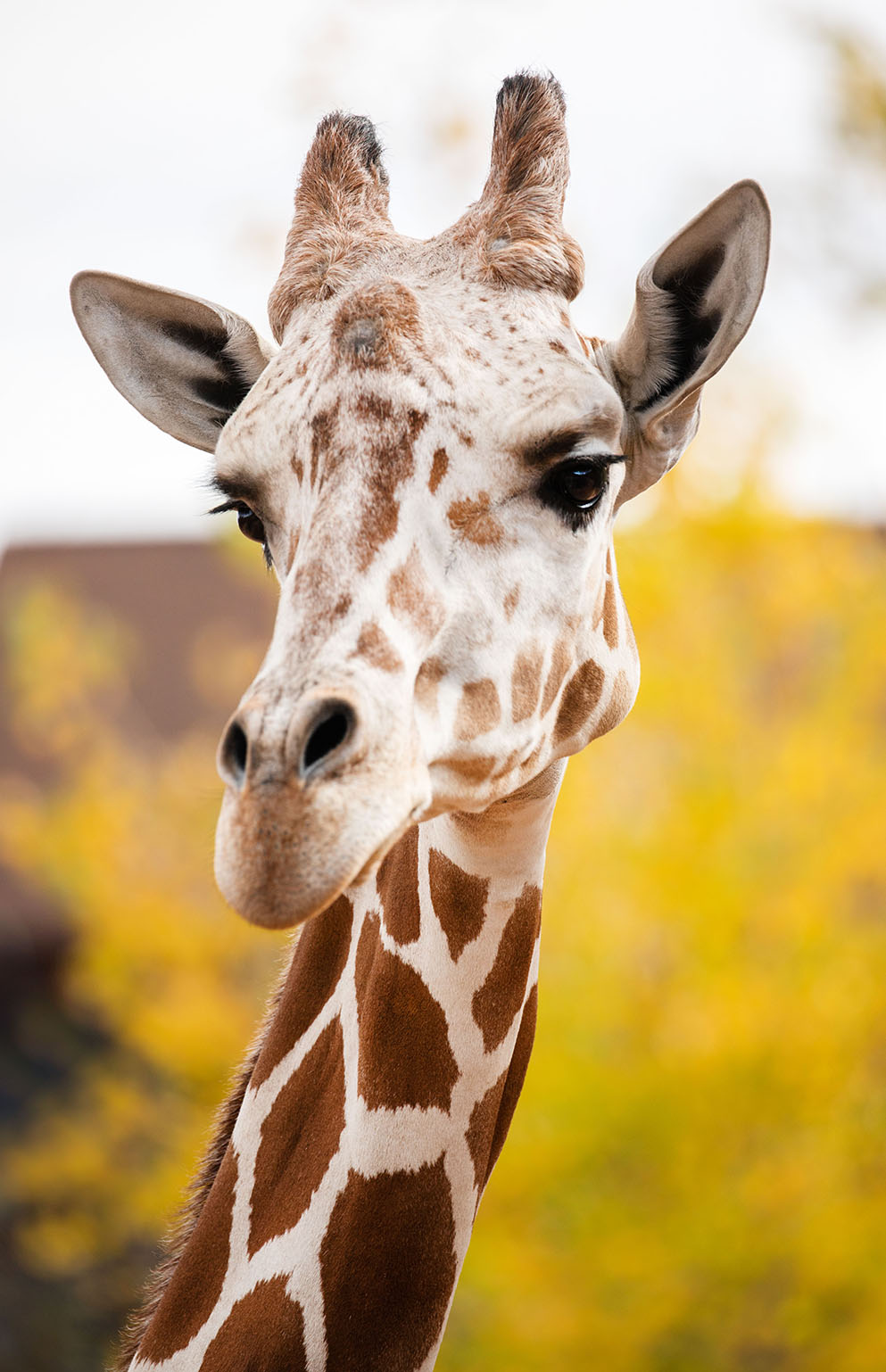
Cheyenne Mountain Zoo staff and giraffe fans around the world are remembering Mashama (pronounced muh-SHAW-muh), an older male giraffe who passed away early Sunday morning. He experienced sporadic ‘off’ days with bouts of lethargy and decreased appetite over the past few months, but he was still having far more good days than bad ones. Despite consistent care and monitoring, and weekly diagnostics, no patterns or causes for his ‘off’ days were clear. He passed away somewhat unexpectedly around 1 a.m. MT on Sun., March 8, 2026.
Mashama would have turned 16 years old on March 23, the median life expectancy for a male giraffe in human care. Cheyenne Mountain Zoo is now home to 15 giraffe, including Jasiri, a breeding bull who is visiting from Denver Zoo Conservation Alliance. Forty percent of the herd is either approaching, at or beyond the median life expectancy for giraffe in human care.
Mashama was born at Cheyenne Mountain Zoo and made millions of connections with visitors, fans online and staff over the years.
Amy Schilz, senior animal behaviorist at the International Center for the Care and Conservation of Giraffe at CMZoo, worked with Mashama for 13 years.
“He’s always been so gentle,” Amy says. “He was eager to please and eager to train. I’ll remember him as a calm, steady and gentle soul who absolutely loved training.”
He was easy to identify in the herd because his coat was lighter than most and he had a unique way of chewing with his mouth wide open. He was one of the tallest giraffe in the herd, and he would use his size and confidence to shift to the front of the herd to take lettuce from guests. If you have a selfie with a giraffe who’s chewing with his mouth open, that’s likely Mashama, Mash, Mash-Man or Mash Potato, as his keepers endearingly called him.
“Mashama was the best friend you could ask for on a hard day,” Amy says. “With his quiet presence, it felt like he somehow knew you needed him. He would come over, gently press his face against yours, breathe out slowly and simply stand there while you petted him. Most of the other giraffe expect food if you want to touch them, but not Mash. He just wanted to be close and spend time with you.”
Mashama was an important part of the herd. He was always the last one to shift into the barn from the main yard each night. He would make sure the entire herd came in first, and only then would he run from the main yard into the building.
“He loved the babies and the babies loved him,” Amy says. “Young calves would follow him around and peek out from under his huge legs. They must have felt safe with him.”
Many fans called him ‘Uncle Mashama’ because he was playful and gentle with new giraffe calves, often standing over them in the yard as they learned to navigate the outdoor space with the large herd. Just after the three-minute mark in this video, you can see Mashama excitedly meeting now 5-year-old BB during her first yard adventure in 2020. In his younger years, he would get the zoomies and encourage the whole herd to run around. As he got older, the zoomies happened less frequently, but his excitable spirit remained.
When Mashama wasn’t relaxing with the herd in the Colorado sunshine, getting lettuce snacks from guests or helping youngsters settle in, he was a powerhouse in the training barn. Positive reinforcement and cooperative care allow animals to participate in procedures that would otherwise require anesthesia – always risky for any animal. As with all positive reinforcement training at CMZoo, Mashama always had the choice to walk away from sessions without consequence, but he nearly always chose to stay and participate.
“When we have giraffe training workshops, Mashama was our go-to giraffe for helping giraffe caretakers learn how to perform hoof care and blood draws,” Amy says. “He was so stellar that he’d allow people he’d never met to learn these important skills with him so they could help their own giraffe.”
Mashama was a pioneer in giraffe husbandry care, eagerly participating in training and treatment sessions with his care team. In 2019, he fractured his foot when a particularly frolic-filled day in the yard ended in a stumble. To help mend his fracture, he received an innovative orthopedic shoe, and he stood still to have the shoe fitted.
To assist in healing, he trailblazed giraffe care again, by being the only known giraffe to receive multiple stem cell treatments while fully awake. He participated in acupuncture and laser therapy. He lived well for several more years thanks to this technology and his incredible enthusiasm to participate in these sessions.
He participated in cooperative blood draws. His team would gather blood samples from a vein in his neck while he stood still, getting lots of lettuce and crackers as a reward. That behavior allowed Mashama to contribute to the Giraffe Plasma Bank regularly, supplying emergency blood and plasma for giraffe throughout the country who needed supportive care. He saved many calves’ lives through this contribution, and allowed veterinarians to learn more about giraffe blood testing, which continues to serve giraffe in human care and in the wild.
This week, Amy is teaching a giraffe care workshop at CMZoo, and most of the lessons she will share, she learned alongside Mashama.
“I have a slide about him in my presentations that says, ‘Not all heroes wear capes. Some wear spots,’” Amy says. “He has saved many giraffe lives and taught us so much. He’s a hero.”
Mashama will continue to help people learn about giraffe. Veterinarians will perform a necropsy (an autopsy for animals) and the Giraffe Center team will study his hooves. What they learn will help inform giraffe hoof care and training practices for decades to come.