— Calf is the 200th born at the Zoo —

Colorado Springs, CO – Cheyenne Mountain Zoo is proud to announce the 200th successful giraffe birth in its history! The female calf was born last evening to a worldwide audience, as the birth was live streamed on YouTube and Facebook. The calf is the fifth offspring for 20-year-old mom, Muziki (moo-ZEE’-kee), and the fourth to be sired by dad, Khalid (pronounced cull-EED). The calf joins our existing herd of 17 giraffe, bringing us to a total of 18.

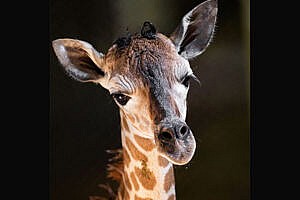
The calf was born at 8:20 p.m. MDT and started to try to stand up shortly after birth, which normal for giraffe calves. When it still had not been able to stand at about 10:30 p.m., the Zoo’s animal care and veterinary teams decided it was time to lend a hand. They were able to separate the calf from Muziki long enough to give it a quick veterinary check and help it to its feet. This was also when we found out she is female, the care team estimated her at 5’ 8” tall and approximately 120 pounds.

After the calf was observed standing and walking on its own for a few minutes, Muziki was allowed back into the birth stall with the calf. Since then, mother and baby are bonding well and we’re seeing the natural behaviors that we would hope to see.

Assuming everything is progressing normally with Muziki and the calf, guests will be able to see giraffe calf #200 in the giraffe building today. We limit access to ensure that things stay calm for the newborn.

Because Muziki was also born at Cheyenne Mountain Zoo, she has grown up in the culture of voluntary husbandry training that the Zoo is known for. This means that she voluntarily participates in her own health care, which fosters a strong trust relationship between keeper and animal.

Through this training, the Zoo was able to voluntarily draw blood, confirming Muziki’s pregnancy early on. The Zoo was able to get limited ultrasound images of the calf during the pregnancy with Muziki’s cooperation, and they were even able to bank some of Muziki’s plasma, in case the calf had needed it after birth.

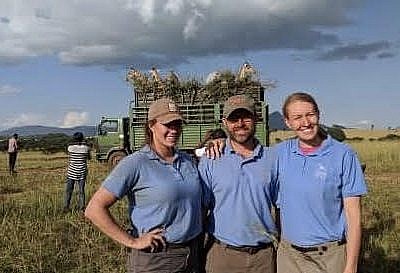
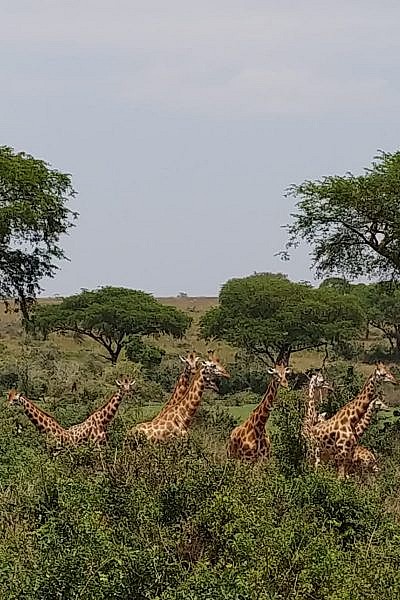
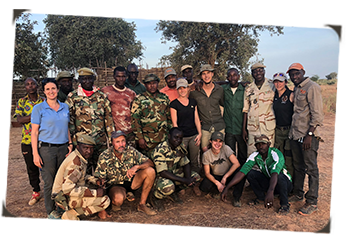
Cheyenne Mountain Zoo is not only a leader in the training and health of giraffe in human care, but they are also making a huge difference in conservation of giraffe in the wild. Since January 2017, Cheyenne Mountain Zoo’s guests and members have contributed $97,000 through Quarters for Conservation contributions to help the Giraffe Conservation Foundation and its programs to save giraffe in the wild. We have also provided staff on the ground in Uganda for several of those conservation efforts.

Prior to the birth, giraffe fans were able to submit names for consideration for calf #200. Now that we know the calf is female, CMZoo staff will narrow the suggestions down to three finalists, and the public will be allowed to vote on their favorite. More information will be shared soon.

Cheyenne Mountain Zoo is home to the world’s most prolific captive reticulated giraffe herd, with 200 births at the Zoo since 1954. Guests can get up close and hand-feed them on special indoor and outdoor elevated platforms anytime during the day, 365 days a year.


About Cheyenne Mountain Zoo

Cheyenne Mountain Zoological Society was founded in 1926. Today, Cheyenne Mountain Zoo, America’s ONLY mountain zoo, offers comprehensive education programs, exciting conservation efforts and truly fantastic animal experiences. It is Cheyenne Mountain Zoo’s hope that guests fall in love with animals and nature, and take action to protect them. Of the 230 zoos and aquariums accredited by the Association of Zoos and Aquariums (AZA), Cheyenne Mountain Zoo is one of just nine operating without tax support. Cheyenne Mountain Zoo depends on admissions, membership dues and donations for funding.

Colorado Springs, CO – The due date for Muziki, a 20-year-old female giraffe at Cheyenne Mountain Zoo, is now within a week, and 10-year-old Laikipia’s due date will follow shortly after. These two calves will be the 200th and 201st giraffe calves born at the Zoo, and the public is welcome to watch the birth live online at cmzoo.org/birthcam.

Giraffe gestations are typically 14.5 months, but, as with humans, can be shorter or longer depending on the individual pregnancy. Muziki bred with our nine-year-old breeding bull, Khalid, on Valentine’s Day 2017, which puts her due date at Saturday, April 28. Laikipia bred with Khalid about a week later, which would put her due date at Saturday, May 5. Keepers report that Muziki is starting to show physical signs that the birth is getting closer, but do not tell us specific timing (a few days to a week would be safe guesses).

The birth of the two calves would bring the number in Zoo’s herd to 19 giraffe.

Giraffe fans are also welcome to “shower” our giraffe moms-to-be with name suggestions for the 200th calf. For a $5 donation, the public can suggest a pair of names (one male and one female) at cmzoo.org/name. Proceeds benefit the enrichment and care of our giraffe herd. Name suggestions must be in PRIOR to the birth of the 200th calf, so we encourage suggestions soon.

The temporary birth cam at cmzoo.org/birthcam is scheduled to stream 24 hours per day until after the babies arrive. The cam shows the Zoo’s giraffe birthing stall, which has been prepared with about six inches of sand to cushion the fall when the babies are born. Giraffe calves can fall nearly six feet when they’re born.

The stall and camera will mostly be active overnight between 4 p.m. and 9 a.m. Mountain time. During daytime hours, our two moms-to-be will typically be with the rest of the herd, until we see signs of the actual birthing process. There may be other giraffes visiting the stall during the day, or viewers could see zookeepers tending to it.

At night, the camera will automatically shift into night-vision mode, and two dim red lights on the stall will help us view the giraffe moms at night. The red lights are enough for the giraffe to be visible with night vision, but not enough to disturb the natural daily cycles that they are used to. Although they are used to it being dark at night, they still only sleep about 20 to 60 minutes per night, just as they would in the wild. Giraffe can sleep standing up, so it is not usual for them to stay standing throughout the night, or to lay down for a portion of the night.

The first thing that viewers will see when the time comes is two front hooves emerging from mom. After that, they should see the head. The back hooves will usually be the last thing to emerge, and then the calf will drop to the ground, naturally severing the umbilical cord and stimulating baby’s first breath. After that, mom will encourage the calf to stand up within about an hour after birth, which can sometimes look like she’s nudging or kicking the baby.

During the down times with the birth cam, giraffe fans can also view our herd via two additional live streaming cams when they’re in the outside yard. These cams are always available at cmzoo.org/giraffecam.

Imagery

Moms-to-Be: https://www.dropbox.com/sh/a3bkznf4bhmb873/AABxq9Ileyl5TK76ZrC-jAEza?dl=0

Giraffe Feeding Photos: https://www.dropbox.com/sh/2sm0fmng1vz2nq3/AAAS1RUJS4Q8aWi4KEwD0Fnga?dl=0

Giraffe Feeding Videos: https://www.dropbox.com/sh/f96wflb7z9yirzn/AAD1jyG-GisTtTPdByHsFmrGa?dl=0


About Cheyenne Mountain Zoo

Cheyenne Mountain Zoological Society was founded in 1926. Today, Cheyenne Mountain Zoo, America’s ONLY mountain zoo, offers comprehensive education programs, exciting conservation efforts and truly fantastic animal experiences. It is Cheyenne Mountain Zoo’s hope that guests fall in love with animals and nature, and take action to protect them. Of the 230 zoos and aquariums accredited by the Association of Zoos and Aquariums (AZA), Cheyenne Mountain Zoo is one of just nine operating without tax support. Cheyenne Mountain Zoo depends on admissions, membership dues and donations for funding.

New baby giraffe are coming soon!

Colorado Springs, CO – Cheyenne Mountain Zoo has begun the live-streaming watch for their 200th giraffe calf…and the 201st…and we’re inviting the public to watch along! Two of the females in the Zoo’s herd of 17 giraffe are pregnant and due at the end of April or early May 2018.

Twenty-year-old Muziki (moo-ZEE’-kee) and 10-year-old Laikipia (luh-KEE’-pee-uh) still have a couple of weeks to go before their anticipated due dates, but just like humans, they can sometimes give birth earlier than anticipated. Because of that, Cheyenne Mountain Zoo has made their public live birth cam available now, so the public can watch along with CMZoo staff.

The birth cam can be found at cmzoo.org/birthcam, and it is scheduled to stream 24 hours per day until after the babies arrive. The cam shows the Zoo’s giraffe birthing stall, which has been prepared with about six inches of sand to cushion the fall when the babies are born. Giraffe calves can fall nearly six feet when they’re born.

The stall and camera will mostly be active overnight between 4 p.m. and 9 a.m. Mountain time. During daytime hours, our two moms-to-be will typically be with the rest of the herd, until we see signs of the actual birthing process. There may be other giraffes visiting the stall during the day, or viewers could see zookeepers tending to it.

At night, the camera will automatically shift into night-vision mode, and two dim red lights on the stall will help us view the giraffe moms at night. The red lights are enough for the giraffe to be visible with night vision, but not enough to disturb the natural daily cycles that they are used to. Although they are used to it being dark at night, they still only sleep about 20 to 60 minutes per night, just as they would in the wild. Giraffe can sleep standing up, so it is not usual for them to stay standing throughout the night, or to lay down for a portion of the night.

The first thing that viewers will see when the time comes is two front hooves emerging from mom. After that, they should see the head. The back hooves will usually be the last thing to emerge, and then the calf will drop to the ground, naturally severing the umbilical cord and stimulating baby’s first breath. After that, mom will encourage the calf to stand up within about an hour after birth, which can sometimes look like she’s nudging or kicking the baby.

During the down times with the birth cam, giraffe fans can also view our herd via two additional live streaming cams when they’re in the outside yard. These cams are always available at cmzoo.org/giraffecam.

About Cheyenne Mountain Zoo

Cheyenne Mountain Zoological Society was founded in 1926. Today, Cheyenne Mountain Zoo, America’s ONLY mountain zoo, offers comprehensive education programs, exciting conservation efforts and truly fantastic animal experiences. It is Cheyenne Mountain Zoo’s hope that guests fall in love with animals and nature, and take action to protect them. Of the 230 zoos and aquariums accredited by the Association of Zoos and Aquariums (AZA), Cheyenne Mountain Zoo is one of just nine operating without tax support. Cheyenne Mountain Zoo depends on admissions, membership dues and donations for funding.

— Both giraffe moms are due late April/early May –

Colorado Springs, CO – The lab surprised us with results one day earlier than anticipated, and Cheyenne Mountain Zoo is excited to report that Laikipia’s pregnancy has been confirmed by hormone blood test. That means that both she and Muziki, another member of the famous CMZoo giraffe herd, are both due to give birth in late April or early May. The next calf will be the 200th giraffe calf born since Cheyenne Mountain Zoo began breeding giraffes in 1954.

This story began when Muziki (moo-ZEE’-kee) and Laikipia (luh-KEE’-pee-uh) bred with our bull, Khalid (kuh-LEED’) around Valentine’s Day last year. Both giraffe initially tested positive in pregnancy tests administered in June 2017, but until now, only Muziki had been confirmed pregnant via a second blood draw. A first attempt at a second blood sample from Laikipia failed last Friday, but was successful on Tuesday during a live broadcast on the Zoo’s Facebook page. The video was originally planned to film a practice session only, but Laikipia cooperated for an actual blood sample.

Giraffe gestation isn’t an exact science. It typically ranges between 14.5 and 15 months, but can be as little as 13 months. Because of these variations, either mom could give birth first. There are plans in the works to put a live-streaming “birth cam” inside the building as the due dates get closer, so giraffe fans will be able to monitor the “Race to 200” in real time. We also have plans to make the moms easily identifiable with markings that are easy for our guests to see. Stay tuned to our e-newsletter and social media for more giraffe baby news to come!

About Cheyenne Mountain Zoo

The Cheyenne Mountain Zoological Society was founded in 1926. Today, Cheyenne Mountain Zoo, America’s ONLY mountain zoo, offers comprehensive education programs, exciting conservation efforts and truly fantastic animal experiences. It is Cheyenne Mountain Zoo’s hope that guests fall in love with animals and nature, and take action to protect them. Of the 233 zoos and aquariums accredited by the Association of Zoos and Aquariums (AZA), Cheyenne Mountain Zoo is one of just ten operating without tax support. Cheyenne Mountain Zoo depends on admissions, membership dues and donations for funding.

— Two Moms Could Be in a Race to Produce Giraffe Calf #200 –

Colorado Springs, CO – “Romance” that was in the air a year ago on Valentine’s Day is producing some excitement at Cheyenne Mountain Zoo! Baby Rae, who was born April 25, 2017 was the 199th giraffe calf born since our breeding program began in 1954. There is now a possibility that this spring will produce calf #200….AND #201!

Two of our female giraffe bred with our bull, Khalid (kuh-LEED’), this time last year – Muziki (moo-ZEE’-kee) on Valentine’s Day, and Laikipia (luh-KEE’-pee-uh) shortly thereafter. Muziki has been confirmed pregnant, and a second voluntary blood draw to confirm Laikipia’s pregnancy will be conducted at 1 p.m. Friday. Media are welcome to cover the blood draw. We will be able to confidently announce the results of the second hormone test a few days following the next successful blood draw. If Friday’s attempt is unsuccessful, we will try again soon. We will share the results with the media and on social media as soon as we know. An initial blood draw from Laikipia in June 2017 showed tentative results that she was likely pregnant.

Muziki’s due date would be around April 30, 2018. If Laikipia is confirmed pregnant, she would be due around the same time.

Since the next giraffe calf born here at the Zoo will be our 200th successful giraffe birth in our history, it will be a race to see which mom will give us baby #200!

Giraffe gestation isn’t an exact science. It typically ranges between 14.5 and 15 months, but can be as little as 13 months. Because of these variations, either mom could give birth first. There are plans in the works to put a live-streaming “birth cam” inside the building as the due dates get closer, so giraffe fans will be able to monitor the “Race to 200” in real time. We also have plans to make mom (or moms) easily identifiable with markings that are easy for our guests to see. Stay tuned to our e-newsletter and social media for more giraffe baby news to come!

About Cheyenne Mountain Zoo

The Cheyenne Mountain Zoological Society was founded in 1926. Today, Cheyenne Mountain Zoo, America’s ONLY mountain zoo, offers comprehensive education programs, exciting conservation efforts and truly fantastic animal experiences. It is Cheyenne Mountain Zoo’s hope that guests fall in love with animals and nature, and take action to protect them. Of the 233 zoos and aquariums accredited by the Association of Zoos and Aquariums (AZA), Cheyenne Mountain Zoo is one of just ten operating without tax support. Cheyenne Mountain Zoo depends on admissions, membership dues and donations for funding.

– Calf is the 199th born at the Zoo —

Colorado Springs, CO – Cheyenne Mountain Zoo is proud to announce the 199th successful giraffe birth in its history – the healthy calf was born overnight last night. The calf is the second offspring for mom, Msitu (pronounced miss-ee-TOO), and the third to be sired by dad, Khalid (pronounced cull-EED). The calf joins our existing herd of 16 giraffe.

The giraffe building will be closed today to allow mom and baby some quiet time to bond and nurse. The rest of our herd will be available for viewing and feeding in the outside yard, weather permitting. Assuming that mom and baby are nursing consistently, the public will be allowed some limited viewing opportunities starting tomorrow.

“Msitu was a great mom to her first calf, Emy, so she knew exactly what to do when this baby was born,” said Amy Schilz, animal care manager. “Since mom and baby appear to be healthy, our vet team has not needed to intervene. It’s best to let nature take its course.”

The sex, weight and height of the calf is not known yet because everything is going so well. When they’re born, giraffe calves are typically five to six feet tall and 150 to 200 pounds. This calf appears to be within those healthy parameters. The gestation time for giraffe is a long 15 to 16 months.

Because Msitu was also born at Cheyenne Mountain Zoo, she has grown up in the culture of voluntary husbandry training that the Zoo is known for in the industry. This means that she voluntarily participates in her own health care, which fosters a strong trust relationship between keeper and animal.

Through this training, the Zoo was able to voluntarily draw blood, confirming Msitu’s ovulation at the time of breeding, and ultimately, confirmed the pregnancy early on. The Zoo was able to get ultrasound images of the calf during the pregnancy with Msitu’s cooperation, and they were even able to bank some of Msitu’s plasma, in case the calf had needed it after birth.

Cheyenne Mountain Zoo is not only a leader in the training and health of giraffe in human care, but they are also making a huge difference in conservation of giraffe in the wild. The status of giraffe was recently changed by the International Union for Conservation of Nature (IUCN) from “least concern” to “vulnerable,” acknowledging the fact that their population in the wild has plummeted by 40 percent in the last 30 years.

Last year, Cheyenne Mountain Zoo’s guests and members used their Quarters for Conservation (Q4C) admission contributions to send $26,000 to the Giraffe Conservation Foundation (GCF) and its efforts to help the Rothschild’s giraffe in Murchison Falls National Park in Uganda.

Following Cheyenne Mountain Zoo tradition, the calf will be named after he or she is 30 days old.

Cheyenne Mountain Zoo is home to the world’s most prolific captive reticulated giraffe herd, with 199 births at the Zoo since 1954. Guests can get up close and hand-feed them on special indoor and outdoor elevated platforms anytime during the day, 365 days a year.

Photos/Video of giraffe calf: https://www.dropbox.com/sh/dhq6y743ei0k0n3/AABCojDGp78cAwnuYTMZliLua?dl=0

About Cheyenne Mountain Zoo

Cheyenne Mountain Zoological Society was founded in 1926. Today, Cheyenne Mountain Zoo, America’s ONLY mountain zoo, offers comprehensive education programs, exciting conservation efforts and truly fantastic animal experiences. It is Cheyenne Mountain Zoo’s hope that guests fall in love with animals and nature, and take action to protect them. Of the 230 zoos and aquariums accredited by the Association of Zoos and Aquariums (AZA), Cheyenne Mountain Zoo is one of just nine operating without tax support. Cheyenne Mountain Zoo depends on admissions, membership dues and donations for funding.