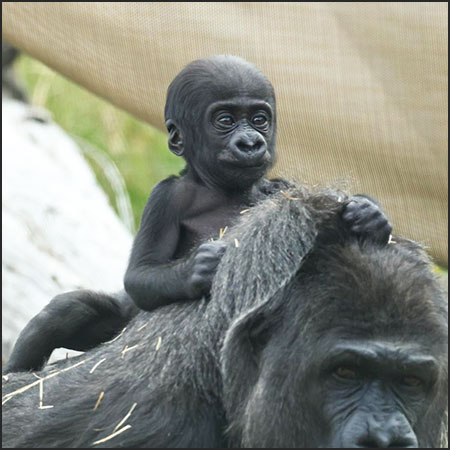
We’re marking six months of Sully sweetness! Since his birth on July 21, 2025, Sully has been growing more curious, confident and lovable every day. In six months, Sully has reached several major milestones, including learning to balance while standing on Asha’s back, crawling independently near Asha, interacting with Goma and Kwisha, trying solid foods, showing interest in guests and building positive relationships with his care team.
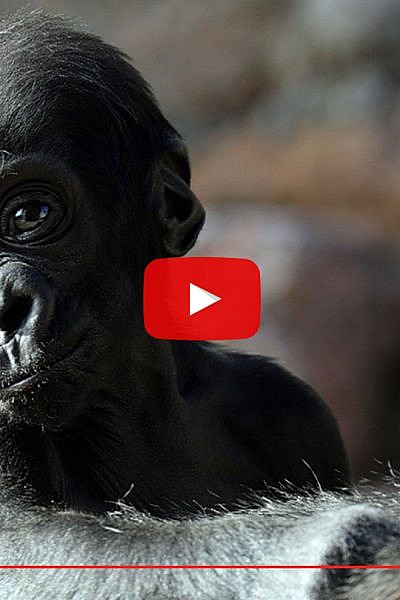

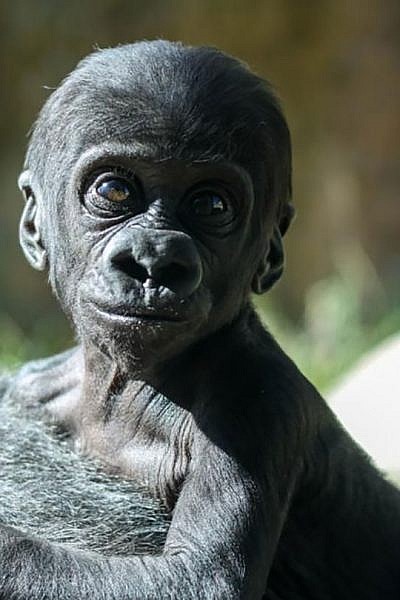
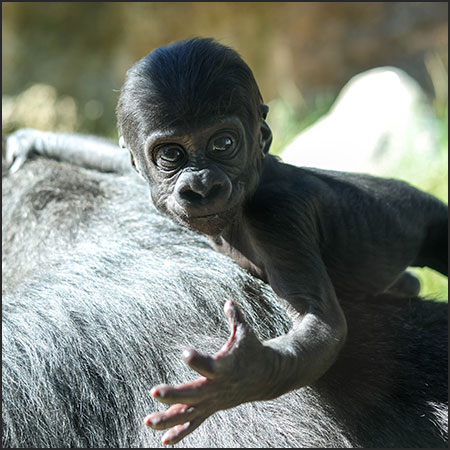
Over the past few weeks, Cheyenne Mountain Zoo members, social media fans and guests helped name Asha’s baby gorilla while fundraising for a new home for great apes at CMZoo. The votes are in – and this historic CMZoo baby has a name!
Meet Sully!
Primate World keepers chose three name options up for public vote. A $5 minimum donation was required to participate in the vote, with every donation supporting a brand-new home for gorillas, orangutans and more! In addition to helping make history by naming this little one, every dollar raised will fund historic improvements to great ape habitats at CMZoo.
“The name Sully is so fitting for this baby – now and as he grows up,” says Ashton Asbury, Primate World lead animal keeper. “When I think of the character ‘Sully’ I think of a big, fluffy guy who might appear to be intimidating, but in reality he is a guy with a heart of gold. Gorillas, especially silverbacks, like Sully will be one day, are often misunderstood. They may seem intimidating, but they’re gentle giants who protect their families. I am looking forward to seeing this little guy grow up to be the leader of his own family, like his dad, Goma. I am excited to see him grow into this name and show people that there is more to him than meets the eye.”
Donation and vote amounts for each name:
Sully: $7,300
Abu: $4,346
Ryder: $2,805
In total, 462 generous people donated to vote for the baby’s name, raising $39,451 – including the $25,000 match and contribution from a generous individual donor. CMZoo is one of very few nonprofit zoos in the country that does not receive tax support. Animal care, conservation and Zoo operations and improvements depend on admissions, programs and generous donations.
“We weren’t sure anyone could be as excited as we were about the birth of our baby gorilla, but boy were we wrong,” Kelley Parker, senior director of development and marketing at CMZoo, says. “Our community blew us away with their support. Not only were we able to give little Sully a perfect name, but we were also able to raise significant funds for a new home for gorillas and orangutans. Thank you so much to all of the passionate people that participated in our naming vote – we’re glad you love Sully as much as we do!”
Asha, a 33-year-old critically endangered Western lowland gorilla, gave birth to Sully on Mon., July 21, 2025. It had been nearly 13 years since a gorilla was born at CMZoo before Sully’s arrival.
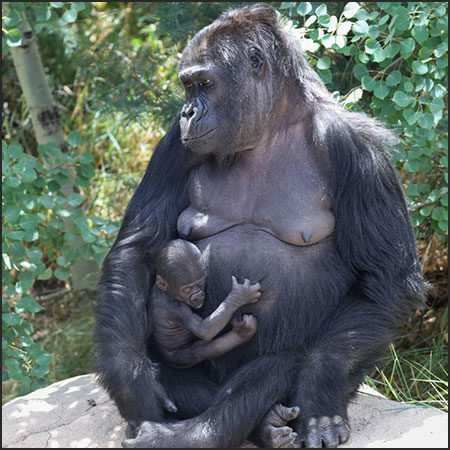
Western lowland gorillas are critically endangered in the wild, and their numbers continue to decline. Gorilla fans can help preserve wild gorilla habitats by recycling small electronic devices and cell phones at CMZoo.
In addition to disease and poaching, gorillas face habitat loss due to logging for agricultural use, human settlements and mining. Many of the West African lowland forests and swamps that these animals call home are also natural deposits of coltan, a mineral used in cell phones and other electronics. Due to the ever-increasing demand for cell phones across the world, the destruction of these gorillas’ habitats for mining purposes has unfortunately increased.
Coltan is recyclable, and by donating old cell phones, we can help supply valuable coltan for future phone production. Guests can bring electronics to CMZoo admissions or Primate World, where there’s a recycling collection bin near the gorillas’ indoor dens. CMZoo will send them to Eco-Cell, an organization that recycles the phones, as well as tablets, smart watches, Bluetooth devices, GPS devices, e-readers, digital cameras, handheld gaming systems and their accessories.
About Cheyenne Mountain Zoo
Cheyenne Mountain Zoological Society was founded in 1926. Today, Cheyenne Mountain Zoo, America’s mountain Zoo, offers comprehensive education programs, exciting conservation efforts and truly fantastic animal experiences. In 2025, Cheyenne Mountain Zoo was voted #2 Best Zoo in North America and CMZoo’s Rocky Mountain Wild was named #2 Best Zoo Exhibit in North America by USA TODAY 10Best Readers’ Choice Awards. It is Cheyenne Mountain Zoo’s goal to help guests fall in love with animals and nature, and take action to protect them. Of the 237 zoos and aquariums accredited by the Association of Zoos and Aquariums (AZA), Cheyenne Mountain Zoo is one of just a few operating without tax support. Cheyenne Mountain Zoo depends on admissions, membership dues, special event attendance and donations for to fund animal care, conservation, Zoo operations and improvements.
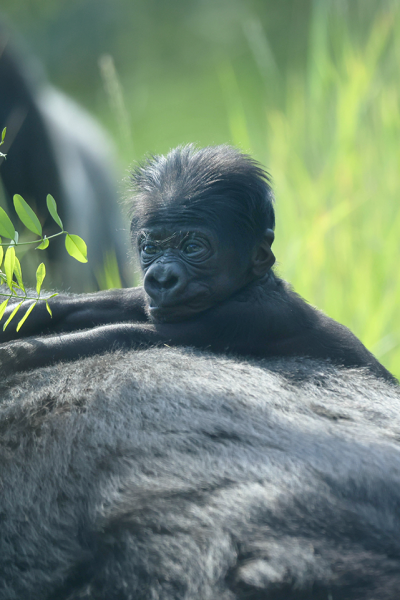
Cheyenne Mountain Zoo is inviting guests to help name Asha’s gorilla baby while fundraising for the new Primate World! Asha, a 32-year-old critically endangered Western lowland gorilla, gave birth to an adorable baby boy on Mon., July 21, 2025. It had been nearly 13 years since a gorilla was born at CMZoo.
A $5 minimum donation is required to participate in the vote, and every donation supports a brand-new home for gorillas, orangutans and more! In addition to helping make history by naming this little one, every dollar raised will fund historic improvements to great ape habitats at CMZoo.
“We’re so excited for this little guy to finally have a name,” says Ashton Asbury, Primate World animal keeper. “It’s so great that our guests have fallen head over heels for him and now get to be part of his story while also supporting a great cause.”
Participants can donate any amount starting at $5 until Thurs., Oct. 9, 2025. The name that receives the most combined donations will win! Fans can make their donations and vote at cmzoo.org/babyname.
Primate World gorilla keepers have chosen three names for guests to pick from: Ryder, Sully and Abu.
Ryder — a nod to this baby’s particular skill at riding on his mom’s back from a younger-than-normal age
Sully — in honor of a bright-and-furry character with a heart of gold
Abu — because he’s skilled and loyal, just like a furry friend from the fictional city of Agrabah
A generous donor has agreed to match all donations up to $25,000, so every dollar can make twice the impact. CMZoo is a nonprofit. It is one of very few zoos accredited by the Association of Zoos and Aquariums in the country that does not receive tax support. Zoo improvements depend on admissions, programs and generous donations.
“We’re so excited for our community to get involved in naming this adorable baby and in helping provide a new home for his whole family, “ Kelley Parker, senior director of development and marketing at CMZoo, says. “Every dollar donated will not only be matched dollar-for-dollar, it will also go directly toward our fundraising efforts for a spectacular new primate habitat. We love that our entire community — here in Colorado Springs and around the world — can be part of creating something incredible.”
The winning name will be announced at cmzoo.org/babyname, via an email to Zoo members and subscribers and on the Zoo’s social channels on Wed., Oct. 15.
Happy voting — and thank you for supporting Cheyenne Mountain Zoo.
Western lowland gorillas are critically endangered in the wild, and their numbers continue to decline. Gorilla fans can help preserve wild gorilla habitats by recycling small electronic devices and cell phones at CMZoo.
In addition to disease and poaching, gorillas face habitat loss due to logging for agricultural use, human settlements and mining. Many of the West African lowland forests and swamps that these animals call home are also natural deposits of coltan, a mineral used in cell phones and other electronics. Due to the ever-increasing demand for cell phones across the world, the destruction of these gorillas’ habitats for mining purposes has unfortunately increased.
Coltan is recyclable, and by donating old cell phones, we can help supply valuable coltan for future phone production. Guests can bring electronics to CMZoo admissions or Primate World, where there’s a recycling collection bin near the gorillas’ indoor dens. CMZoo will send them to Eco-Cell, an organization that recycles the phones, as well as tablets, smart watches, Bluetooth devices, GPS devices, e-readers, digital cameras, handheld gaming systems and their accessories.
About Cheyenne Mountain Zoo
Cheyenne Mountain Zoological Society was founded in 1926. Today, Cheyenne Mountain Zoo, America’s mountain Zoo, offers comprehensive education programs, exciting conservation efforts and truly fantastic animal experiences. In 2025, Cheyenne Mountain Zoo was voted #2 Best Zoo in North America and CMZoo’s Rocky Mountain Wild was named #2 Best Zoo Exhibit in North America by USA TODAY 10Best Readers’ Choice Awards. It is Cheyenne Mountain Zoo’s goal to help guests fall in love with animals and nature, and take action to protect them. Of the 237 zoos and aquariums accredited by the Association of Zoos and Aquariums (AZA), Cheyenne Mountain Zoo is one of just a few operating without tax support. Cheyenne Mountain Zoo depends on admissions, membership dues, special event attendance and donations for to fund animal care, conservation, Zoo operations and improvements.
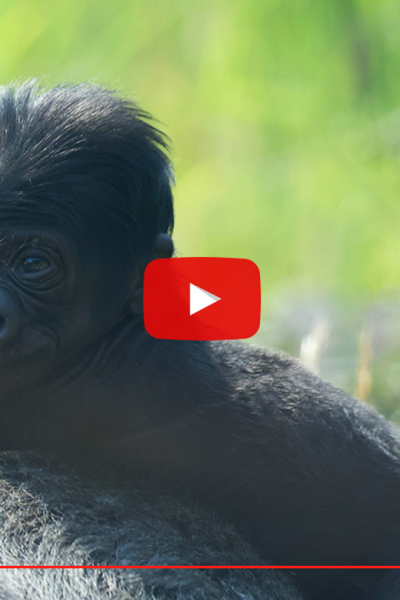
IN PARTNERSHIP WITH CHILDREN’S HOSPITAL COLORADO – CMZoo’s year-round partner, Children’s Hospital Colorado, has created a guide to first-year doctor visits for human babies. Similarly, Cheyenne Mountain Zoo’s primate keepers are tracking milestones for Asha’s baby gorilla’s first year of life.
Asha, a 32-year-old critically endangered Western lowland gorilla, welcomed a baby boy on July 21, 2025. Both seem to be doing well! The baby is hitting lots of gorilla baby milestones, including clinging tightly to mom, nursing regularly, mouthing Asha’s solid food, practicing head and limb control and making focused eye contact.
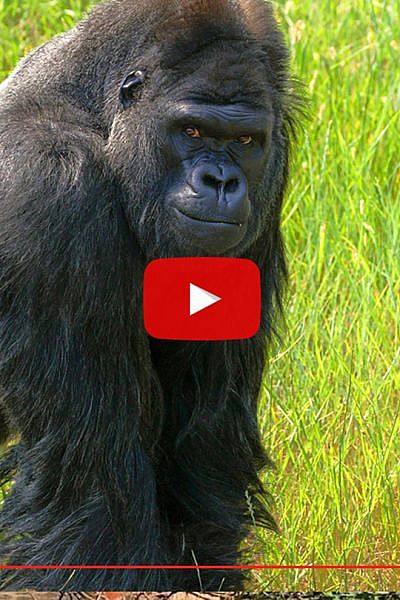
Thirty-four-year-old Goma moved to CMZoo, in 2016, on a breeding recommendation from the Western Lowland Gorilla Species Survival Plan, supported by Association of Zoos and Aquariums-accredited organizations, including CMZoo.
Goma joined a tightly bonded group of females after coming from a bachelor group, and with time, introductions, and strong social bonds, the troop became a cohesive group. Though inexperienced, Asha helped Goma learn how to breed and he became a first-time dad on July 21, 2025. It’s exciting to see how far Goma has come and the important contributions he continues to make to his species.
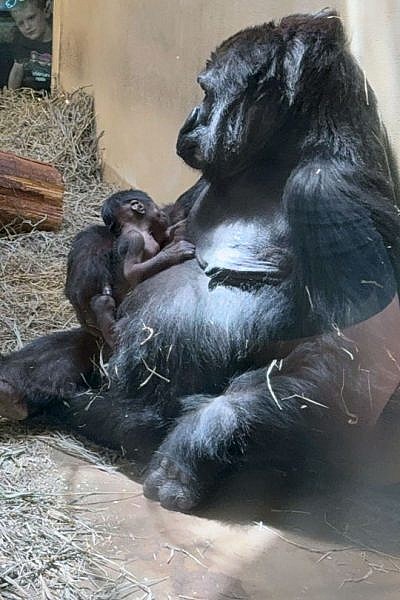
Written by Primate World Lead Keeper, Jon Wild –
In Primate World, there is an abundance of excitement from members, guests and Zoo staff, as everyone hopes to catch a glimpse of 32-year-old Western lowland gorilla mom, Asha, and her one-month-old baby. You can see just how special it is for someone to see a gorilla infant for the first, second or third time. I get it. I feel that excitement, too. The birth of a gorilla baby has always been a highlight of my career as an animal keeper, and I have been lucky to work with six gorilla babies over my career. Still, I think daily how amazing it is that my talented teammates and I get to experience this every day.
Working with Asha throughout her pregnancy and seeing her be a wonderful caring mother is incredible. But, that is not the whole story playing out directly in front of everyone. The animal care team is also watching Goma, the group’s silverback.
Goma makes this particular gorilla birth extra exciting for me because he is a first-time dad! I have worked with many silverbacks, but Goma is the first one I have cared for that has integrated into a family group after spending the majority of his life in a bachelor group.
Bachelor groups are normal social groupings found in wild gorillas. Bachelor groups can also be found in some zoos. Goma, along with his brother, joined a bachelor group at a young age. When he arrived at Cheyenne Mountain Zoo in 2016 to be the silverback of the family group, following a recommendation from the Western Lowland Gorilla Species Survival Plan, he lacked experience with adult females. It was a challenge for him as he learned to interact with the females of the group.
It took some time, but with the help of the animal care team and the female gorillas, Goma assumed his role as a silverback. He leads the group as their protector, and knows where they are at all times. One of the ways he has recently exhibited his protectiveness is by patrolling the outdoor habitat and barking at construction cranes he can see across the Zoo. The female gorillas also show their respect for him by moving out if his way as he approaches.
Another gap in Goma’s knowledge was his lack of experience with infants. Now, at 34 years old, he is experiencing one for the first time as a new dad, and that makes me smile. We are observing a bachelor silverback join a family group, learning the skills necessary to lead that group and now learning how to be a father. This is a huge accomplishment for Goma.
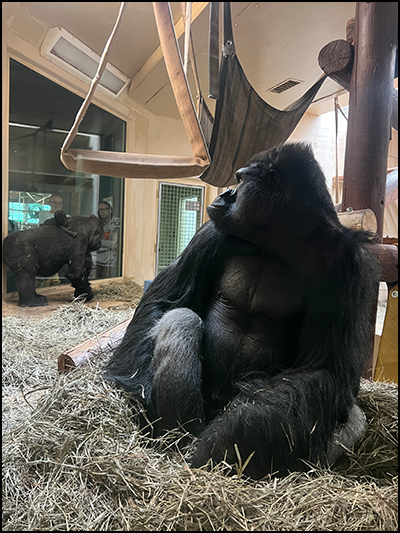
His behavior has been spot-on. He is quietly looking after Asha and the baby, respecting her position, but always closely in case they need him. On the baby’s second day, Asha and baby rested near the window while guests focused on the baby. What I observed was Goma sitting close by watching over them, keeping his eye on the guests. Prior to the birth, Goma would have been resting as well. But on this day, he sat vigilant for hours while she slept.
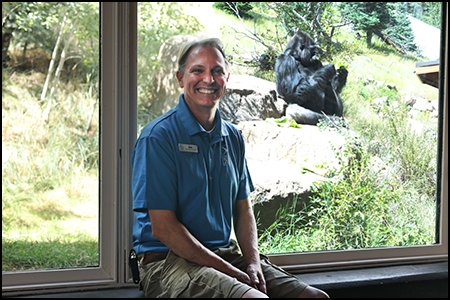
Asha is helping Goma learn appropriate skills. She is strong and confident and allows him brief moments to be close to the baby and her. At first, when he reached out to touch the baby she was quick to let him know one brief touch was enough. More recently, she has let him touch and smell the baby’s head. His approaches towards them are kind of sweet, as he appears gentle and careful near them.
For me, it has been a joy to see Goma’s growth as a father run parallel to the baby’s development. I’m very much looking forward to the day Goma and his son start playing together. I think that will probably be one of the most special days of my career. Until then, I will enjoy watching Asha bond with her newborn as Goma continues to learn his new role as a father.
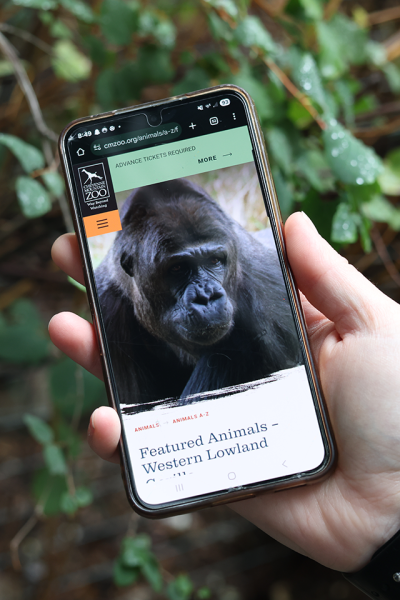
Wednesday, Sept. 26 is World Gorilla Day, and gorilla fans can make a difference for gorillas in the wild by taking small electronics to be recycled in Primate World at Cheyenne Mountain Zoo.
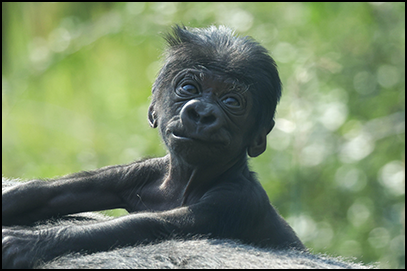
“Many of the lowland forests and swamps that Western lowland gorillas call home are also sources of deposits of coltan, a mineral used in manufacturing cell phones and other electronics,” Nicole Chaney, CMZoo conservation manager, says. “Due to the ever-increasing demand for cell phones across the world, the destruction of this critically endangered species’ habitat for mining purposes has unfortunately increased.”
The good news is that coltan is recyclable. To reduce the need to mine for coltan in these vital gorilla habitats, CMZoo can collect and send old cell phones to be recycled at a specialty recycler.
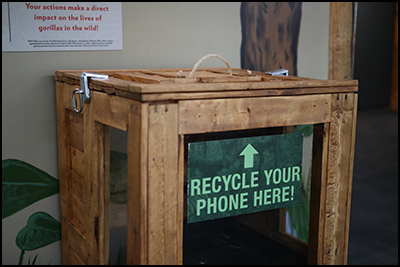
Every single day, members and guests can place used devices in the recycling box near the indoor gorilla viewing area. CMZoo sends those devices to ECO-CELL, an organization that recycles phones, tablets, smart watches, Bluetooth devices, GPS devices, e-readers, digital cameras, handheld gaming systems and their accessories.
If guests are unable to visit, they can drop electronics off at the Zoo’s admissions plaza, and the Guest Experience team will bring them to be recycled.
“We have been so impressed with our guests this year, especially,” Nicole says. “Last year, guests recycled 221 small electronic devices at CMZoo, and this year, we have already sent 250 to be recycled – and we have more to send.”
Every visit to CMZoo is conservation in action, because every visit and every membership contributes to the Zoo’s Quarters for Conservation program, which has raised nearly $6 million for conservation efforts around the world. Visiting Asha, Goma, Kwisha and the baby gorilla in Primate World helps people form connections with gorillas, and by taking advantage of this free recycling service, guests can make a direct impact to help save wild gorilla habitats.
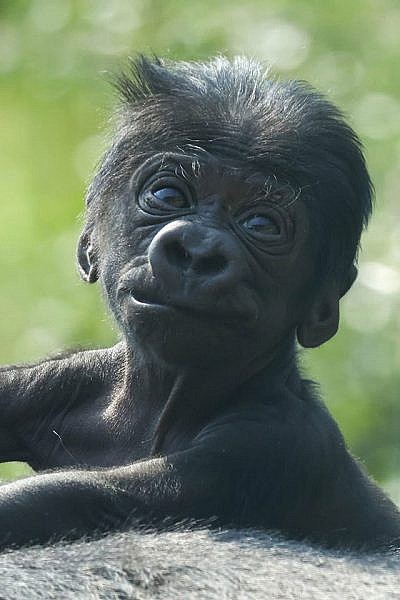
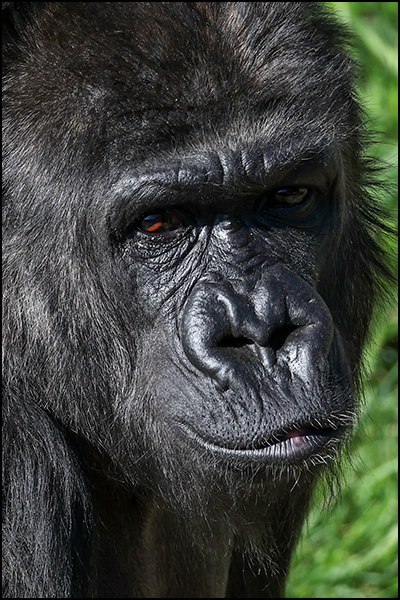
Of the many gorilla aspects to observe and adore, it’s worth taking a minute to focus on their noses. Conservationists do the same for scientific purposes.
“All of our gorillas have very different noses, so in addition to their other distinguishing features, we can identify them that way,” Ashton Asbury, Primate World animal keeper, says. “Being able to identify them here at the Zoo helps us track their qualities of life, health, social interactions and more. In the wild, conservationists use this method to identify wild gorillas, too.”
Each gorilla has a unique nose, just like humans. While there are other ways to identify gorillas individually, noses were efficient identifiers for conservationists who were often observing from afar or via photos and videos.
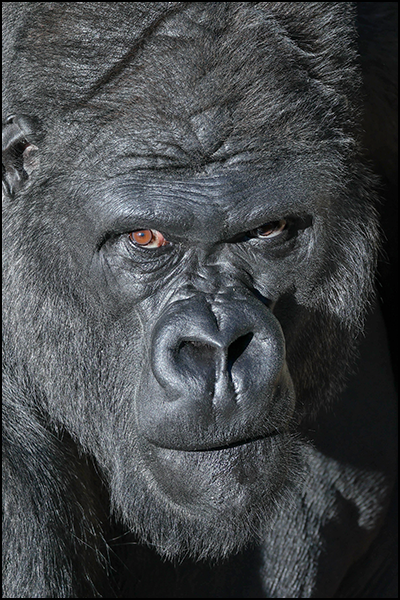
Wild gorilla research has been documented since the 1950s. Using consistent identifiers, like noses, helps researchers learn more about each individual long-term, which reveals how gorillas socialize and move through wild places. With information about how gorillas use habitats, conservationists can present data that helps support policies that protect the habitats gorillas need to survive.
As gorillas mature and naturally move out of their initial family groups to join other groups, conservationists noted their noses to identify and continue observing them in new groups.
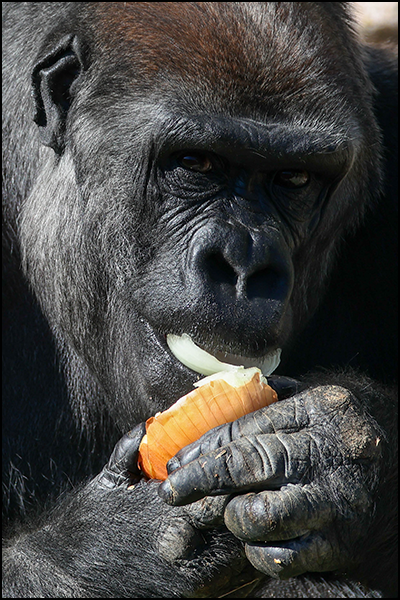
“Once they have fully developed, gorillas’ nose shapes typically stay the same,” Ashton says. “Their body shapes and sizes and hair colors may change with age. Because they move between social groups, it’s not as dependable to rely on comparisons with other gorillas to identify individuals.”
By identifying individual gorillas, conservationists can track family dynamics, group movements, diets, migrations and even life spans – all foundational information that still benefits gorilla conservation efforts and care for great apes in human settings.
At CMZoo, gorilla fans can easily tell the gorillas apart by comparing their sizes, hair colors and more. Identifying Asha is especially simple now, because she’s the gorilla carrying an adorable baby! But, their noses are worth appreciating, too.
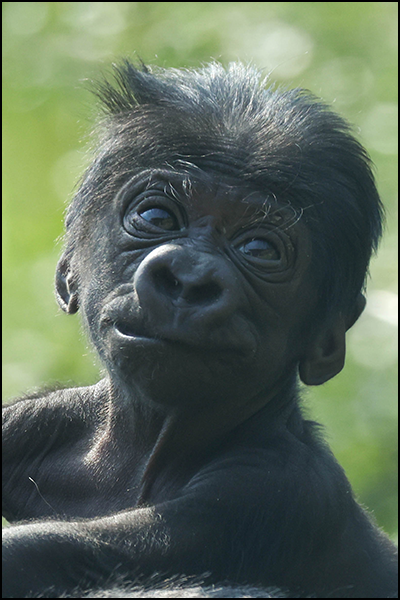
• Asha’s nose is heart-shaped. In between her nostrils is a U-shaped indent. She’s also identifiable as the shortest adult gorilla in the group.
• Goma’s nose is also heart-shaped, but he has a strong line between his nostrils. Goma is the largest gorilla in the CMZoo troop, and he has grayish-silver hair on his back.
• Kwisha’s nose is longer and her nostrils are more upright than Asha’s and Goma’s. Kwisha has brownish-red hair on her head, and she’s the ‘middle sized’ gorilla at CMZoo.
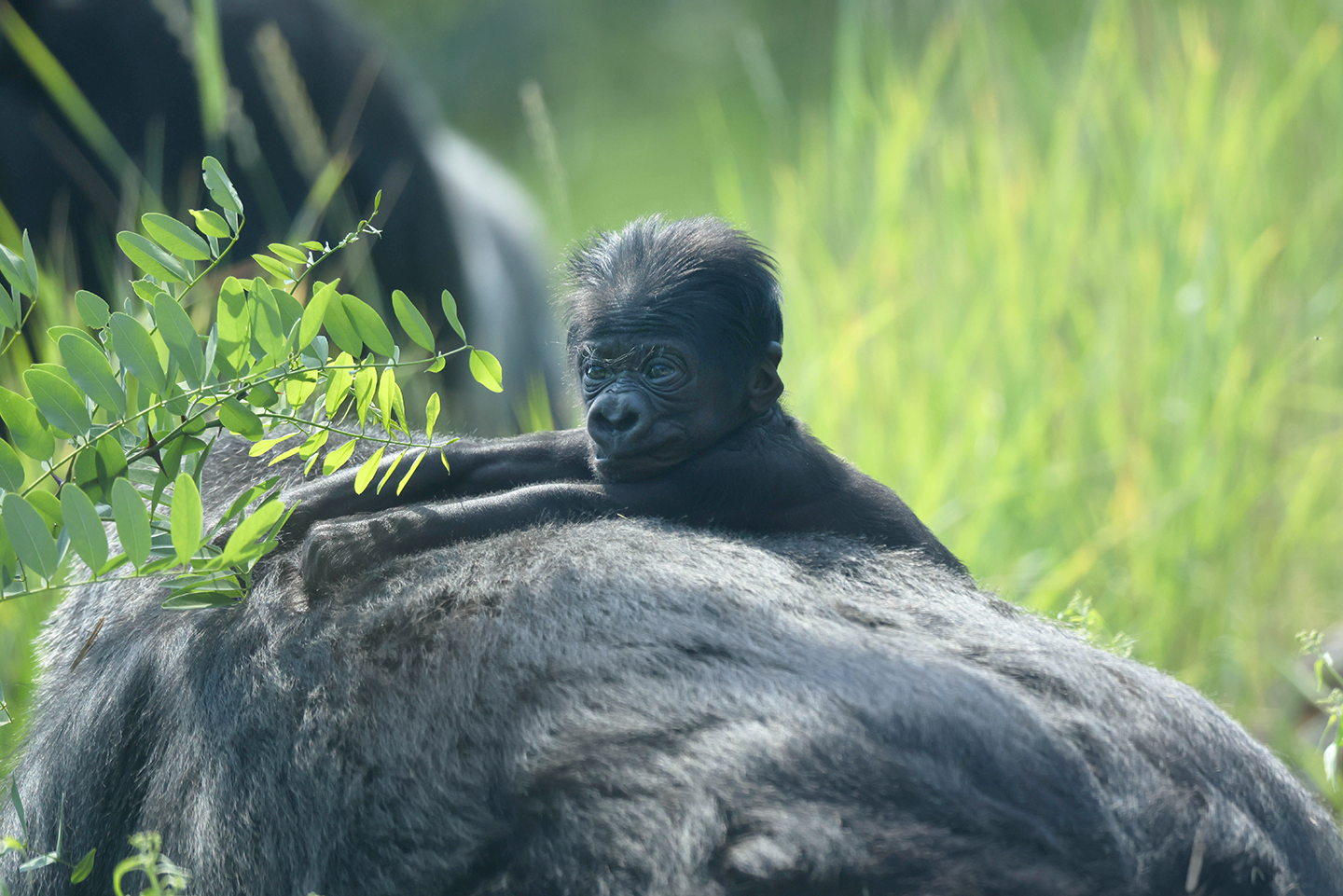
• So far, the baby’s nose is heart-shaped, like his parents’, but his nose is still developing.
Next time you’re in Primate World at CMZoo, test your gorilla knowledge and see if you can identify the adults by their noses.
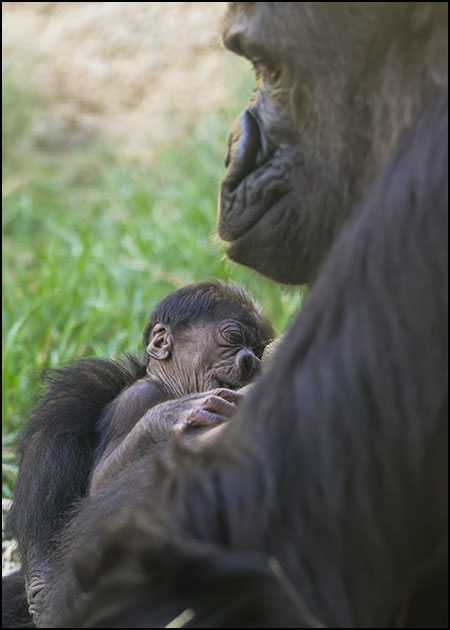
There were hushed moments of pure joy at Cheyenne Mountain Zoo this morning, as a small group of Primate World keepers and staff gathered to adore the Zoo’s newest addition: a brand-new gorilla baby bundle of joy born in the early hours of Mon., July 21, 2025.
Asha, a 32-year-old critically endangered Western lowland gorilla, and her new baby seem to be doing well. The baby has hit the milestones that indicate it is strong, including nursing and clinging to its mom.
“Asha is sitting and lying down with the baby and gently patting its back, which is really adorable,” Ashton Asbury, Primate World animal keeper, says. “The baby hangs onto Asha while she’s moving around and she supports it with one hand. They’re bonding really well, and we have seen her licking the baby’s head and grooming it.”
First-time dad, Goma, is showing interest in the baby, too.
“He seems to want to stick close to her and the baby,” Ashton says. “I heard him making happy gorilla grumbles at them, and Asha is doing a good job of showing him the baby while keeping a comfortable distance.”
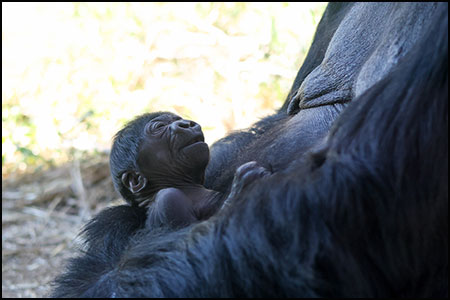
It has been nearly 13 years since a gorilla was born at CMZoo. This little one is Asha’s third baby and the first for silverback dad, Goma. Asha was born at CMZoo on Oct. 5, 1992. Thirty-four-year-old Goma moved to CMZoo, in 2016, on a breeding recommendation from the Western Lowland Gorilla Species Survival Plan, supported by Association of Zoos and Aquariums-accredited organizations, including CMZoo.
Primate World is open to the public and will continue to be as long as Asha and the troop continue to do well. Asha’s care team will continue to monitor her and the baby – and the troop’s overall dynamic – and make adjustments as needed.
The sex and weight of the gorilla baby are not known yet. As long as keepers observe that baby and mom are doing well, they will continue to let Asha take the lead on providing care. The baby will likely cling to Asha for the first several weeks, but will start getting to know its dad, Goma, and ‘aunt’ Kwisha (who is unrelated genetically, but grew up with Asha and had a relationship with both of her offspring), as long as Asha is comfortable.
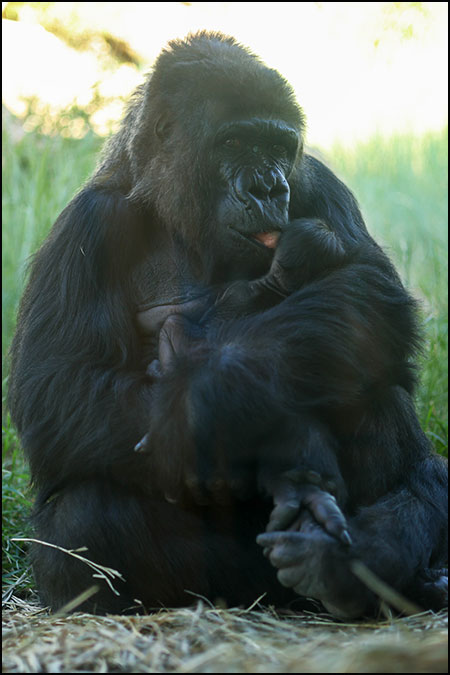
Asha is an experienced mother. She has welcomed two previous babies to the world during her time at CMZoo, both of whom now live in troops at other zoos. Although the goal is to let Asha take the lead on newborn care, her supportive team is ready to help if the need arises. As a first-time dad, Goma has been participating in training with his care team that aims to improve his comfort around the baby.
Following Cheyenne Mountain Zoo tradition, the baby will be named after he or she is at least 30 days old. CMZoo will provide updates on social media channels and in newsletter updates.
Western lowland gorillas are critically endangered in the wild, and their numbers continue to decline. Gorilla fans can help preserve wild gorilla habitats by recycling small electronic devices and cell phones at CMZoo.
In addition to disease and poaching, gorillas face habitat loss due to logging for agricultural use, human settlements and mining. Many of the West African lowland forests and swamps that these animals call home are also natural deposits of coltan, a mineral used in cell phones and other electronics. Due to the ever-increasing demand for cell phones across the world, the destruction of these gorillas’ habitats for mining purposes has unfortunately increased.
Coltan is recyclable, and by donating old cell phones, we can help supply valuable coltan for future phone production. Guests can bring electronics to CMZoo admissions or Primate World, where there’s a recycling collection bin near the gorillas’ indoor dens. CMZoo will send them to Eco-Cell, an organization that recycles the phones, as well as tablets, smart watches, Bluetooth devices, GPS devices, e-readers, digital cameras, handheld gaming systems and their accessories.
About Cheyenne Mountain Zoo
Cheyenne Mountain Zoological Society was founded in 1926. Today, Cheyenne Mountain Zoo, America’s mountain Zoo, offers comprehensive education programs, exciting conservation efforts and truly fantastic animal experiences. In 2020, Cheyenne Mountain Zoo was voted #4 Best Zoo in North America and CMZoo’s Rocky Mountain Wild was named #2 Best Zoo Exhibit in North America by USA TODAY 10Best Readers’ Choice Awards. It is Cheyenne Mountain Zoo’s goal to help guests fall in love with animals and nature, and take action to protect them. Of the 233 zoos and aquariums accredited by the Association of Zoos and Aquariums (AZA), Cheyenne Mountain Zoo is one of just a few operating without tax support. Cheyenne Mountain Zoo depends on admissions, membership dues, special event attendance and donations for funding.