HIPPO AND PENGUIN EXHIBITS TO OPEN IN PHASES, STARTING LATE SUMMER

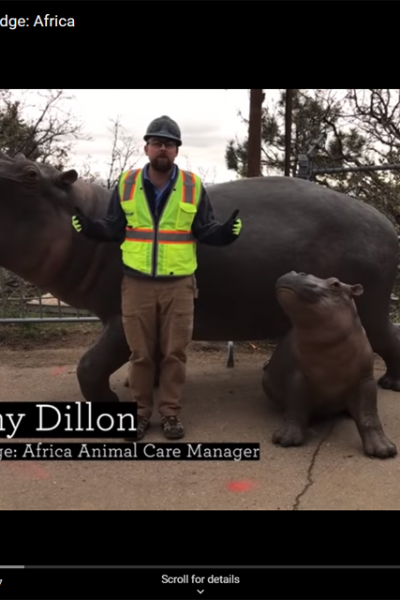
CMZoo animal care manager, Jeremy Dillon, shows off some of the exciting features in Water’s Edge: Africa, the hippo and penguin exhibit set to open in phases starting late summer 2019.

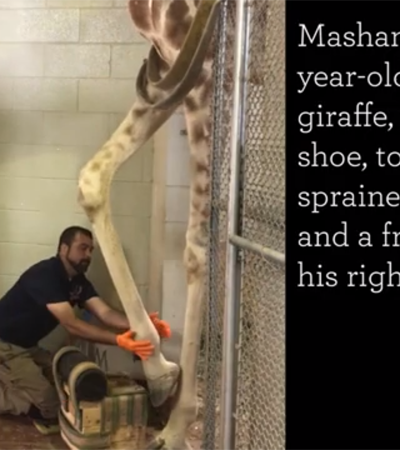
Mashama, 9-year-old reticulated giraffe, is known for his outgoing personality and energetic presence in the Cheyenne Mountain Zoo giraffe herd. Lately, though, Mashama has been dealing with some foot and leg issues.

“We’ve discovered that Mashama has sprained ligaments and a fracture in his right foot,” said Dr. Liza Dadone, CMZoo head veterinarian and VP of mission and programs. “Combine those issues with a ligament strain in his right front wrist [that looks like the right front knee], which preceded the fracture, and we have a pretty complex case to solve.”

Mashama’s care team saw him limping after he stumbled during an especially playful day in the main yard a few months ago, and took x-rays of his foot. The x-rays revealed no significant damage, so his care team began to administer pain medications and moved him to a sand stall to let a perceived muscle strain heal with rest, over time. After a couple of weeks of normally effective sand stall rest for Mashama, the team noticed he wasn’t improving as much as they would have liked to see, so they performed additional testing.

Those tests revealed that he had developed a fracture in his right front foot. CMZoo’s veterinary team, keepers, trainers and animal care managers have been working together with outside partner organizations to consider every possible treatment for Mashama.

One of those treatments is a customized ”shoe” that adheres to his right front hoof. CMZoo regularly works with specialized farriers from the Zoo Hoofstock Trim Program (ZHTP), a subspecialty of the Equine Lameness Prevention Organization. The ZHTP team built Mashama a custom “shoe” in early April 2019 that seemed to help stabilize the foot fracture while it healed. Almost immediately, from the time the shoe was in place, Mashama appeared to be putting more weight on his right front foot, indicating he was much more comfortable. After several weeks of healing, he was able to access an outside side yard, which has smoother terrain than the main yard.

Earlier this month, Mashama’s shoe came unglued and had to be removed. The team built him a second shoe and applied it mid-May.

In the accompanying video from May 15, 2019, Mashama receives his new shoe. Steve Foxworth, CMZoo’s farrier expert, from ZHTP, explains the shoe’s design and material, and Mashama’s team displays his incredible participatory behaviors that allow them to care for him in situations like this.


“Two months into this path, he’s looking better and better,” said Dadone. “We are by no means out of the woods, but we’re seeing improvements and will continue exploring other options that will help Mashama address the issues in his wrist and foot. A fracture and a sprained ligament could go on to cause significant health problems for him, if we’re unable to stop their progression.”

Because Mashama is such an exemplary participant in his own health care, he is trained for blood draws. His comfort level with blood draws makes him an ideal candidate to receive IV injection treatments that could help him.

“One option we’re considering is an equine medication we’ve used in other giraffe that increases bone density,” said Dadone. “The drug is administered intravenously and must be absorbed in the affected areas for ten minutes. This drug could reverse the course of his injuries, but it’s not easy to administer.”

Staff would need to apply a tourniquet to Mashama’s leg and administer the drug through an IV into the lower portion of his right front leg – giving the most deteriorated bones the best opportunity to absorb the drug. The tourniquet would need to stay in place for ten minutes. That’s a long time to ask an energetic and curious animal like Mashama to stay still.

“Normally, we need to anesthetize an animal to administer this drug,” said Dadone. “But since Mashama is such a rockstar at training, we’re going to see if he’ll participate in training to stay still for that long. It’s always a last resort to anesthetize an adult giraffe, because there are more potential risks than with other animals, so keeping him awake for the procedure would be best.”

Another option is stem cell treatments to help reduce inflammation and speed healing in his foot bones and sprained wrist joint. CMZoo has successfully used this treatment with other giraffe in the herd, but again, the treatment process is complicated. Stem cells have to be administered through the jugular vein in the neck, and have to be kept at a very cold temperature, which would be an unusual sensation for Mashama.

“We’re not quite there yet, but it’s an option. It’s on the experimental side, but we have seen it help in a small number of cases at our Zoo and a few others,” said Dadone. “We’ve tried laser therapy, hoof trims and sand stall rest, to no avail for him. The shoes are offering some comfort and relief, but we’re looking at all options to help him recover long-term.”

Mashama’s team of CMZoo vets, keepers, trainers and staff will continue working to test solutions for him. For now, the new rubber shoes appear to be helping Mashama walk and stand more comfortably, and he’ll return to the outdoor yard with the rest of the herd when his care team decides it doesn’t pose a risk of further injury for him.

We’ll keep you updated on Mashama’s progress, and hope to see him soon return to his former playful self with the success of these potential treatments.

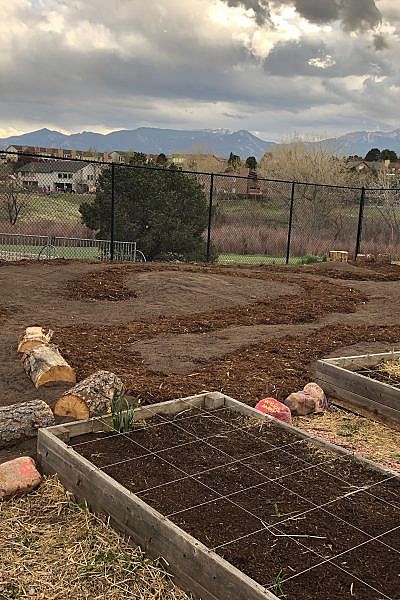
Students at Rockrimmon Elementary School in Colorado Springs, are getting their hands dirty (with resounding encouragement from their teachers) to make an important environmental contribution, thanks to their passionate school leaders, supportive communities and a grant from Cheyenne Mountain Zoo members.

In 2018, CMZoo members voted to provide three $3,000 grants to help local schools establish pollinator gardens, totaling $9,000 in support. Rockrimmon Elementary, Penrose Elementary and Remington Elementary received their grants in March 2019. With the arrival of spring in Colorado, they’re now hard at work preparing their gardens to nurture flora dedicated to feeding pollinators, like bees, butterflies and hummingbirds in search of natural food sources.

“Pollinators are showing a rapid decline across the country,” said Stacey Graham, EdVenture director and pollinator garden grant committee leader. “There isn’t consistent data to say it’s linked to any specific trigger. But, we do know that when we provide plants that attract those species, they’re coming to find them. This project is impactful on so many levels. It lets kids see species they’ve never seen before, brings communities together and exposes people to nature and its calming affects. ”

Pollinators are vital for the production of almonds, cocoa, coffee, watermelon, strawberries and countless other foods on which humans and the entire ecosystem rely.

In addition to supporting an important conservation effort to prevent the further decline of pollinators and the foods they pollinate, this project helps CMZoo members, grant beneficiaries and staff connect directly with a conservation effort and with each other.

“By supporting these grants, our members are creating a role for CMZoo to be an active participant that makes an impact in our community, rather than solely having that opportunity when our community comes to the Zoo,” said Emmaline Repp-Maxwell, CMZoo membership manager. “This is a ‘backyard’ conservation effort that helps kids develop a sense of capability and accountability for conservation that we hope they’ll take into their later years.”

Schools are receiving more than the members’ generous financial support. Scott Myers, CMZoo director of facilities, has enjoyed serving as a landscape and horticulture consultant, addressing issues from space limitations to efficient water usage and access.

At Rockrimmon Elementary, the students have been involved with the entire process, from completing the grant application, to designing the gardens, to researching the flowers to plant, to doing the dirty work themselves.

“I feel like the larger space will help with all of our learning and it is so welcoming,” said Cade B., Rockrimmon Elementary student. “I also think there will be many more pollinators visiting the garden. I’m hoping our garden will become a favorite fancy five-star pollinator restaurant.”

Rockrimmon Elementary’plans to include a meditation path and an outdoor classroom environment in their pollinator garden to serve core subject curriculum.

Putting our pollinator garden together from scratch has given our students the opportunity to study landscape design and construction work, and practice collaboration skills with people of all ages and backgrounds,” said Stacie Johnson, Rockrimmon Elementary fourth grade teacher. “I look forward to our students having the opportunity to walk along the meditation path and to observe nature in our new outdoor classroom. This garden will not only provide educational opportunities but will also provide a safe place for emotional well-being.”

Annually, $100,000 of membership revenue supports conservation efforts worldwide. Of that total, $75,000 is dedicated to Member Conservation Vote projects and $25,000 is allocated to CMZoo legacy conservation partners, through the Quarters for Conservation program.

“It’s important to our members,” said Repp-Maxwell. “Clearly, they’re aware of the pollinator crisis and want to help the Zoo find opportunities to connect with and benefit our local community.”

This year, CMZoo members displayed that continued enthusiasm for the program, by voting the Pollinator Gardens grant as the second-most-supported grant out of eight nominated projects, two years in a row. Noticing the members’ gusto for the gardens, the CMZoo Member Conservation Vote committee increased the number of grants to five recipients, totaling $15,000 in contributions for new pollinator gardens in Spring 2020.

For more information on the 2019 Member Conservation Vote grant winners, receiving $75,000 in support from CMZoo members, check out this overview.

Have you ever wondered how Cheyenne Mountain Zoo staff members navigate the multitude of opportunities for fun, when they spend their days off at the Zoo? (Yes, we spend our free time here, too.) Well, you’re in luck. CMZoo staff members put together a list of “CMZoo Pro Tips” to help you get the most out of your next visit to America’s mountain Zoo.


Pro Tip #1: Arrive Early

Jane Majeske, CMZoo guest services director, says arriving early is key to a fulfilling and easy-going Zoo experience.

“Mornings at the Zoo are really enjoyable,” Majeske said. “The animals are really active in the morning. They’re waking up, getting breakfast, greeting their keepers and seem excited to start the day.”

Parking is more readily available when we first open. During the peak season’s busy days, Zoo parking can fill up, and free off-site parking and free shuttles usually begin running by 11 a.m.

“You can call the Zoo on your way to find out if we’re running our off-site parking shuttles,” Majeske said. “If they’re already running, we can tell you where to park and catch a shuttle, to save you some time on your way in.”

You can also just watch for helpful temporary signs as you drive up, which will direct you to the free off-site lot we’re using that day.

Bonus Tip: On Saturdays and Sundays, from June 1 through Labor Day, CMZoo members can gain exclusive early entry to the Zoo at 8 a.m. It’s a great time to grab a coffee from The Cozy Goat and to watch the animals greet the day.


Pro Tip #2: Seize the (Imperfect Weather) Day

Ilana Cobban, senior lead keeper in Encounter Africa, has worked at the Zoo for 17 years. When she’s not busy caring for CMZoo’s African elephant herd or black rhino, she can sometimes be found enjoying a cloudy day with friends and family at the Zoo.

“My ‘pro tip’ is to not come on a sunny, warm weekend day,” said Cobban. “Come in the middle of the week, when the weather is ‘borderline’ and there are fewer people here and more time for you to take it in. Stick around after animal demonstrations to watch the animals and engage with their keepers, because you never know what you might learn or get to see.”


Pro Tip #3: Check the Animal Happenings Schedule

Overwhelmingly, CMZoo staff says the animal demonstrations and keeper talks provide the best opportunities to connect with CMZoo animals. Daily, every 15 to 30 minutes, from 9:30 a.m. to 4:30 p.m., there’s a chance to learn about CMZoo animals, directly from the keepers who know them best.

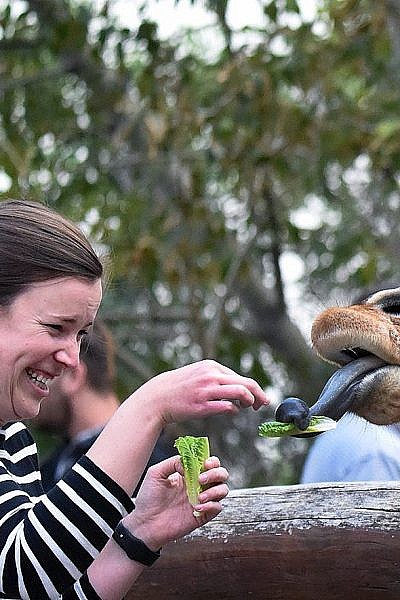
In addition to the all-day animal feeding opportunities for a few extra dollars with giraffe, budgies, chickens and domestic goats, for $10 to $15, guests can participate in CMZoo’s scheduled keeper-led elephant or rhino snack times.

“It’s fun to feed Jumbe, our black rhino, and the African elephants because it’s a once-in-a-lifetime experience,” said Emmaline Repp-Maxwell, CMZoo membership manager. “What’s better than rhino slobber? Nothing.”

Daily at 11:30 a.m. and 2 p.m., guests can get up close with the keepers to feed an elephant. Daily at noon, Jumbe is available for guest feedings.

Amy Schilz, senior lead keeper in African Rift Valley, says her favorite demonstration is the Grizzly Bear demo, ‘The Bear Necessities,’ daily at 2:45 p.m. in Rocky Mountain Wild.

If you’re planning ahead, you can find schedules at cmzoo.org/shows. Or, you can receive the Animal Happenings schedule for any day of the week via text message. Simply text “Zoo + day of the week” to 95577 (i.e. “Zoomonday” or “Zoosaturday”). Standard text message rates apply.


Pro Tip #4: Don’t Forget You’re on a Mountain

Guests, especially those visiting from lower elevations, should remember to bring (and drink) plenty of water and wear sunscreen to enjoy the day in our dry, 6,714-foot-elevation environment. We recommend drinking about 32 ounces of water during a two-hour visit. Bonus points for those who hydrate before they arrive.

If the walk starts to feel like a workout, day shuttle passes are available for $2. Our golf cart shuttles run consistently between shuttle stops established throughout the Zoo. Another way to rest is to have a seat for lunch, and watch an animal demonstration at the same time.
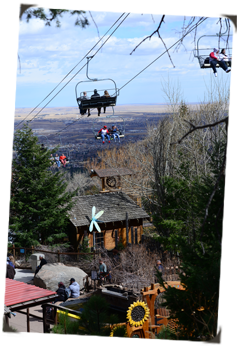
“One good ‘pro tip’ is to grab a picnic table by the carousel outside the Grizzly Grill for lunch,” Michelle Salido, lead keeper in Monkey Pavilion said. “If you time it around 11:45 a.m., those tables are the best place to catch both parts of the ‘Rainforest Review’ monkey demo, without having to move from one spot to another. You can enjoy lunch and a show with some awesome primates.”

Majeske also encourages guests to take a break while the adventure continues on CMZoo’s Mountaineer Sky Ride. For an additional few dollars, guests can enjoy the ski lift-like, 14-minute roundtrip ride with a stop at the top, while they take in amazing views and give their feet a rest.


Pro Tip #5: Go Backwards

Patty Wallace, lead keeper at Water’s Edge: Africa (opening in phases late summer 2019 and fall 2019), says the best way to experience the Zoo is by starting at the top.

“Make your way to the top of the Zoo and start in Encounter Africa, then head to Australia Walkabout,” Wallace said. “If you start there, everything else is downhill. Do the giraffe feeding last and you’ll have more of the exhibit to yourself. Even if giraffe go inside at the end of the day, you can still feed them in their indoor barn.”


Pro Tip #6: Don’t Speed by the Small or Domestic Animals

Carrie Ellis, animal keeper in Primate World, encourages adults to engage in the activities they may think are designed just for the kids.

“Areas like the domestic goat playground, My Big Backyard and The Loft are some of the most fun and interactive places in the whole Zoo,” Ellis said. “Plus, feeding opportunities and keeper talks happen throughout the day, so if you’d rather not stick to the Zoo’s schedule of animal demonstrations, you’ll still get a special experience with our animals.”
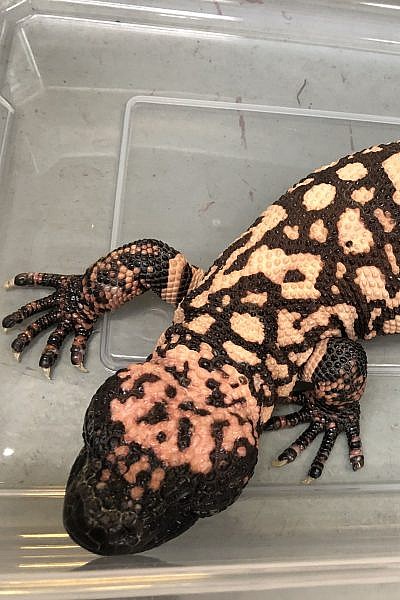
Scutes Family Gallery will soon welcome two new residents: Mike and Sully.

As venomous lizards, the two male Gila monsters require special handling. In this video, learn how to identify Mike from Sully, their interesting adaptations, and how you can help protect this near-endangered species.

Waterhole picture
 
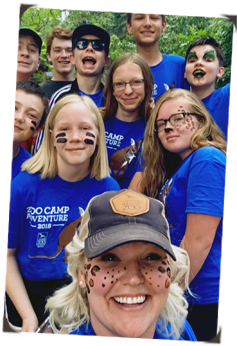
It may feel like spring just arrived, but it is time to start planning for summer vacation! With Zoo Camp options for kindergarten through 12th grade, there is truly an adventure for everyone.

New this year: each camp week has an over-arching theme that all grade levels will explore in their own adventurous ways (more about that below). There are also new ways for families to get involved with camp this year, featuring a few “Flock Parties” during the evenings. We are very excited about these new opportunities and can’t wait for summer to start!

An example of an over-arching theme for a week is “Critter Construction,” focusing on all the ways animals can be architects and build amazing structures.

  • The kindergarten group will spend this week discovering Beastly Builders components of a mini animal exhibit; then spend a day collaborating with other CMZ camp groups to assemble their creations into one dynamic diorama of Cheyenne Mountain Zoo!
  • 1st/2nd grade campers will focus on Structures for Species, exploring what animals prefer in a dwelling. Do they build their own? Do they take over other homes? Campers will also get a hand at building their own structures!
  • 3rd/4th grade camp for this week will look at Animal Architects, like those phenomenal animal builders: birds and beavers. Then, the campers become architects themselves!
  • 5th/6th graders will become Eco Engineers, building structures that can help animals survive in the wild. Sometimes these structures are man-made (like some penguin nests) and others are created by nature (like kelp forests).

Waterhole picture
Even teens can attend Zoo Camp. 7th through 12th graders get the opportunity to discover what it is like being a part of the CMZoo community. Learning directly from seasoned Zoo teens, these camps focus on peer engagement and diverse Zoo experiences.

All these options (plus a few more for each age group), more information, and registration can be found at cmzoo.org/summercamp. Be sure to sign your child up for the grade they are entering in the fall. Summer camps are very popular and space is limited, so sign up your camper today!
 
 
Back to The Waterhole Home Page


Which plants attract early pollinators? Which will help you conserve water? What kind of maintenance should you make a priority this time of year? CMZoo’s horticulture team answers all of these questions and more.

In anticipation of Mother’s Day, we’re celebrating some of the animal matriarchs who live with their offspring at CMZoo. Take a walk down memory lane as we remember their adorable babies and check in with the moms and their growing offspring today.

Providing excellent health care for the hundreds of animals at Cheyenne Mountain Zoo comes in many forms. Depending on their individual needs, animals might receive special diets, exercise plans, laser therapy treatments, vaccines, medications and more. Their health care plans often involve injections, both proactively in the form of annual vaccinations, and reactively with medications that can help them through an illness or injury.

Most CMZoo animals participate in voluntary injection training, designed to help keepers and animals prepare for and reduce stress involved with real injections when necessary. Some CMZoo animals participate in their own health care by also taking part in voluntary blood draws. During injection and blood draw training, the animals have the opportunity to walk away at any time but typically choose to stay and participate. These blood draws allow vets to test animals for any issues and respond to them accurately. The blood draws also contribute to national and international research projects that benefit countless species in human care and in the wild.

Through these voluntary blood draws, CMZoo is able to contribute to a giraffe blood plasma bank. The plasma bank is shared with other AZA-accredited institutions, and can help giraffe calves who are struggling to survive in their first days.


Just as Children’s Hospital Colorado provides tips to help children overcome the fear of shots, CMZoo Animal Behavior Programs Manager Rick Hester shared his approach to helping CMZoo’s animals respond comfortably to necessary injections and blood draws.
 

  • Teach prerequisite skills first.
    Before we ever get to needles, we teach animals to present various body parts to us, hold still, and allow us to touch them with various benign objects, like our hand, a key, or a stick. These are some of the necessary skills for them to succeed when we need to give a real injection or perform a blood draw.
  • Arrange the environment.
    We look at the overall environment and arrange everything for the animal to be successful. A comfortable place to sit or stand, an easy way for us to deliver food treats, limiting noise or other distractions if possible — these are all examples of ways we arrange the environment for success.
  • Find the right reinforcers.
    Our training program focuses on positive reinforcement techniques. To be successful, we need to have the right reinforcers, depending on the animal and depending on the behavior we are teaching. For behaviors like holding still for an injection or a blood draw, we use high-value food items such as fruit snacks for an orangutan, marshmallows for an African elephant, or chicken for an African lion.
  • Celebrate small steps towards the goal.
    We would rarely be successful if we expected an animal to present its shoulder and let us give them a vaccination during our very first training session! We reinforce small approximations (what some might call “baby steps”) to get them to the final goal. For example, they could start by presenting their shoulder to a keeper’s hand, then a stick or a pen, then finally a syringe. We reinforce each successful step or approximation and move forward to the next as the animal performs each step confidently. This style of teaching provides the animal with a lot of information about how to be successful and builds their confidence quickly.
  • Prepare the site.
    For some species, we apply ice to the injection site prior to giving a vaccination or performing a blood draw. This helps reduce the response to the needle poke for some animals.
  • Follow the animals’ lead.
    Do we have to give the injection in the shoulder if an individual seems more comfortable presenting a hip or leg? We let the animal’s behavior influence what the final goal looks like in all of our training. In this way, our training is a dialogue between humans and animals, helping to set both up for success.

Children’s Hospital Colorado is a year-round sponsor of Cheyenne Mountain Zoo.


CMZoo continues work to repopulate Wyoming toads, listed as extinct in the wild

As amphibians face mass extinction, Cheyenne Mountain Zoo’s conservation team works to repopulate the Wyoming toad. Hear from Field Conservation Coordinator, Jeff Baughman, about what’s contributing to the widespread eradication, what CMZoo is doing to try to stop it, and how you can help.