Cheyenne Mountain Zoo and its members and guests are celebrating a huge milestone: $1 million raised for orangutan conservation. Over the years, funds allocated from Zoo membership revenue and daytime admissions have supported a variety of efforts that benefit critically endangered wild orangutans in Southeast Asia.

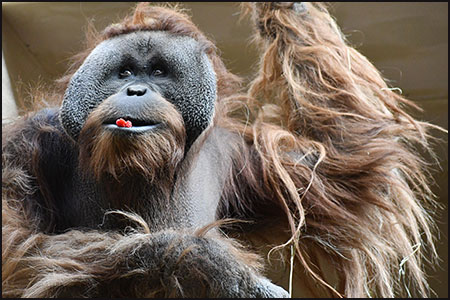
Male orangutan Baka portrait

Wild orangutans’ biggest threat is habitat destruction. Efforts funded by CMZoo’s supporters focus on preventing deforestation through global consumer empowerment, connecting and restoring wild orangutan habitats, and rescuing and rehabilitating displaced wild orangutans.

In 2021, CMZoo members voted in the annual Members-Only Conservation Vote to send $20,000 to support Hutan’s work to restore a wildlife corridor. In support of two established organizations working to save species in Southeast Asia, the funds helped the Hutan organization provide tools and funds to local women reforesting the Genting Wildlife Corridor, in Borneo. It also helped the Borneo Orangutan Survival Foundation (BOSF) repair orangutan rehabilitation islands damaged by a devastating flood.

The Hutan corridor is an important animal ‘wildway’ that will connect rainforest with a wildlife sanctuary potentially used by hundreds of species in the area, like orangutans and Asian forest elephants. The BOSF grant provides emergency funds to reopen islands used for orangutan housing and forest school prior to release.

In addition to funds raised through a portion of every Zoo membership, every visitor to the Zoo is making a direct contribution to conservation, through CMZoo’s Quarters for Conservation program (Q4C). Each Zoo guest receives three ‘quarter’ tokens representing the 75-cent Q4C allocation from their admission fee. They can then show support for the legacy projects they love by placing their tokens in the corresponding slots in the Q4C kiosks in the Zoo’s admissions area. Orangutans are one of CMZoo’s legacy beneficiary species, receiving support since Q4C was established in 2008.

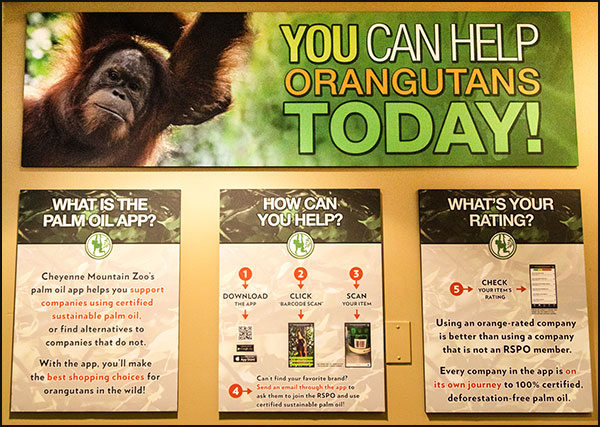
Sustainable Palm Oil signs in Primate World at Cheyenne Mountain Zoo

CMZoo has been a leader in sustainable palm oil advocacy for more than 15 years, encouraging numerous zoos and companies to join the Roundtable on Sustainable Palm Oil (RSPO) with increasing success. In 2014, CMZoo created a free mobile app to educate consumers in the U.S. and Canada. By 2022, more than 160,000 verified users were making better shopping choices with CMZoo’s palm oil shopping app. In 2023, that app design, database and user experience served as the foundation to launch a free global app, called PalmOil Scan, under the direction of the World Association of Zoos and Aquariums (WAZA), and in partnership with several zoos around the world.

Now, PalmOil Scan is available in the U.S., Canada, Australia, New Zealand, The United Kingdom and Singapore. The app has the potential to reach millions more people around the world.

Companies that continue to use unsustainable palm oil in their products need to see that consumers have the tools and knowledge to find out whether they value the habitats that so many endangered species depend on. Sustainable palm oil production is possible, and CMZoo’s work on sustainable palm oil advocacy, including the support on PalmOil Scan, gives consumers the power to hold companies to a higher standard.

Download PalmOil Scan for free in the Apple Store or on Google Play. To learn more about orangutan conservation and palm oil, visit cmzoo.org/palmoil.

Back to The Waterhole

Last month, Cheyenne Mountain Zoo members cast their votes to help the Zoo decide how to spend $75,000 of member conservation funds among staff-championed conservation projects vying for members’ support. The three projects with the most votes received the full funding they requested.

Every membership and every visit to the Zoo is conservation in action. From 2015 to 2025, the program has provided $825,000 of membership revenue to support field conservation worldwide.

“Our members make a big impact for wildlife and wild places,” Ashley Cioppa, CMZoo membership manager, says. “Our members’ annual investment in their Zoo memberships directly supports animals here in Colorado and all around the world. Plus, they give our staff the opportunity to reach more niche organizations and projects that support their conservation passions. Thank you, members!”

Each year, CMZoo membership revenue contributes a total of $100,000 to conservation in two ways:

  • $25,000 to the Quarters for Conservation program, which in total contributes a million dollars on average every 18 months to CMZoo’s legacy conservation partners.
  • $75,000 to projects voted for by CMZoo members through this annual vote.

This year’s Members-Only Conservation Vote top-ranked projects to fully fund are:

1) FOSTER, RAISE, AND RELEASE AFRICAN PENGUINS – $38,271
Member funding will provide an incubator, veterinary care and rehabilitation support for wild African penguin chicks and adults. African penguins, found mainly in South Africa and Namibia, face significant threats from overfishing, oil spills and disease outbreaks. As a result, penguin parents are abandoning their chicks due to lack of food and other weather-related factors. The Southern African Foundation for the Conservation of Coastal Birds (SANCCOB )will use these funds to rescue abandoned penguin eggs, chicks and adults needing intervention and rehabilitation at their South Africa facility. The goal is to release as many rescued penguins as possible back into the wild to bolster the rapidly declining African penguin population.


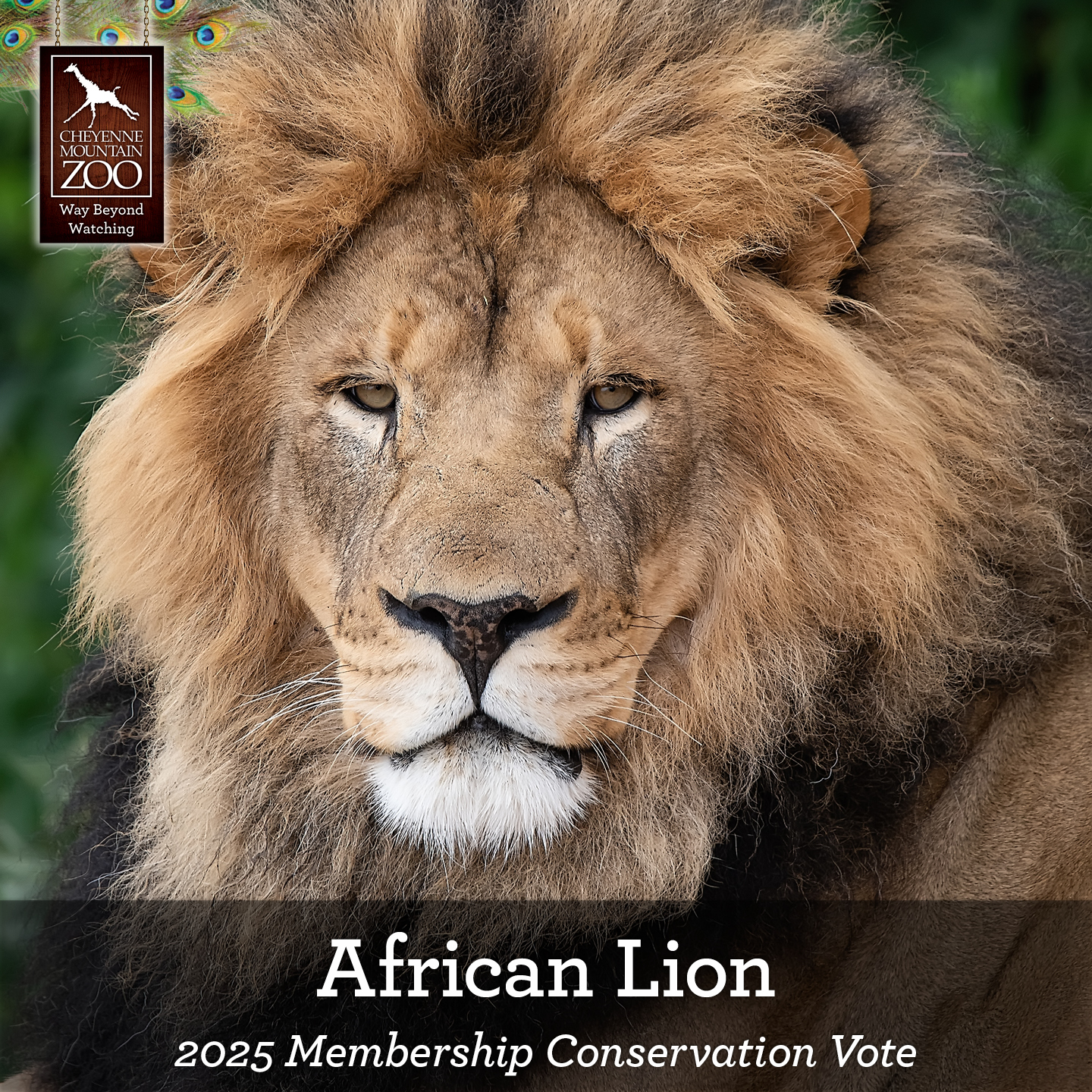
2) SUPPORT LEADERSHIP TRAINING FOR KENYAN WOMEN CONSERVATIONISTS AND RESTORE HABITAT FOR AFRICAN LIONS – $17,000
Support will empower Samburu (a region in Northern Kenya) women to improve their community’s livelihoods and help protect lions. Ewaso Lions implements several programs to help protect lions. One of these programs is The Mama Simbas (which means “Mothers of Lions”). The group consists of Samburu women trained to help alleviate human- wildlife conflicts, which typically occur between farmers and predators that may threaten local livestock. Ewaso Lions will use these funds to provide leadership training to the women of The Mama Simbas program. This training will give the women new tools to help shift attitudes towards predators, allowing Kenyan communities to coexist more easily and efficiently with wild carnivores. Funds will also support the restoration of grassland habitat.


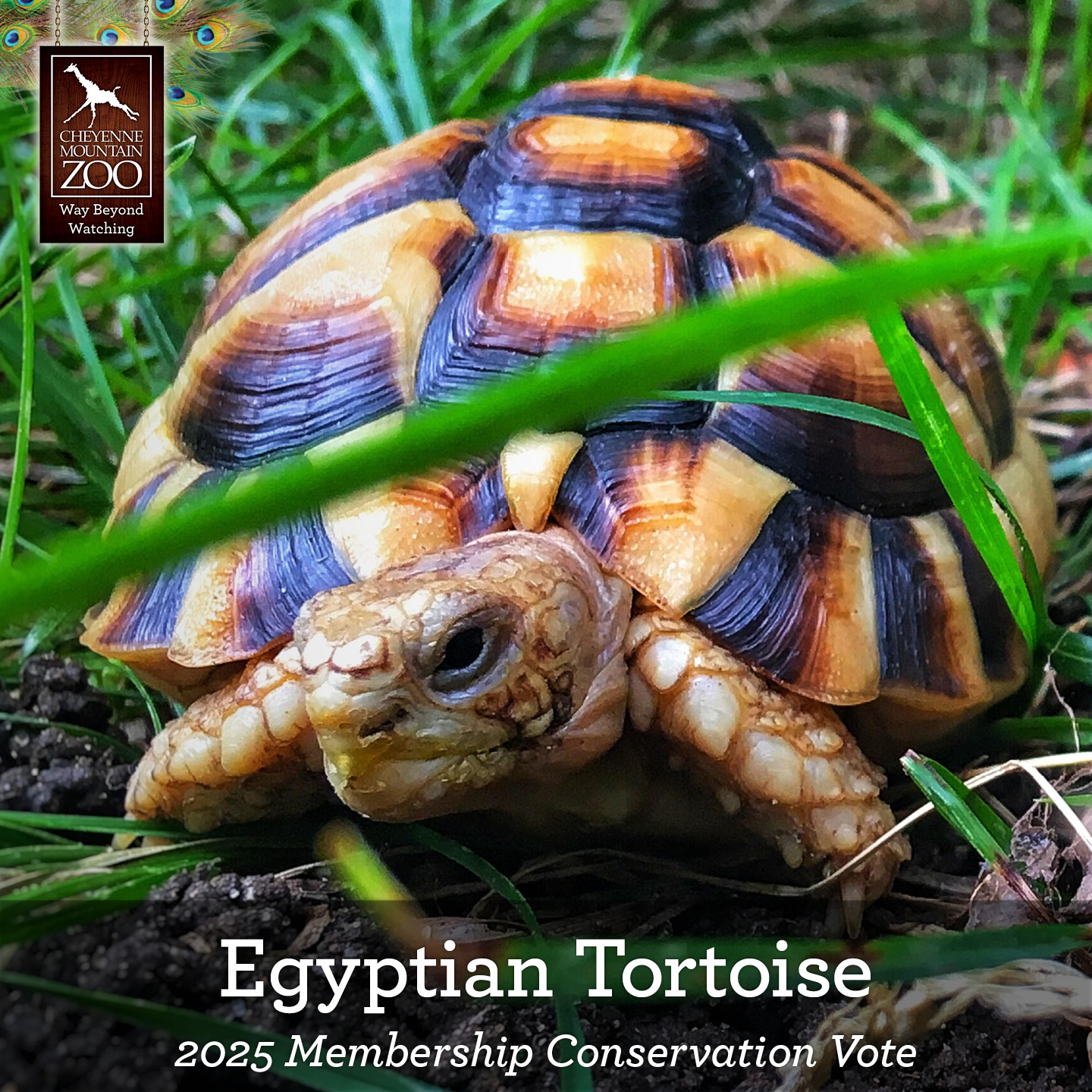
3) PROTECT EGYPTIAN TORTOISES THROUGH COMMUNITY CONSERVATION IN EGYPT- $19,729
Member support will fund local community guards and provide tracking tags to protect Egyptian tortoises. Wild turtles and tortoises are facing a worldwide extinction crisis. The Egyptian tortoise faces severe threats from habitat destruction due to farming and poaching for the pet trade. The Turtle Survival Alliance will use funds to deploy tracking tags to gather data and gain an understanding of how tortoises interact with each other and their environment, as well as population dynamics. Community guards will help address immediate threats to the species by physically protecting the most vital tortoise populations and their habitat.

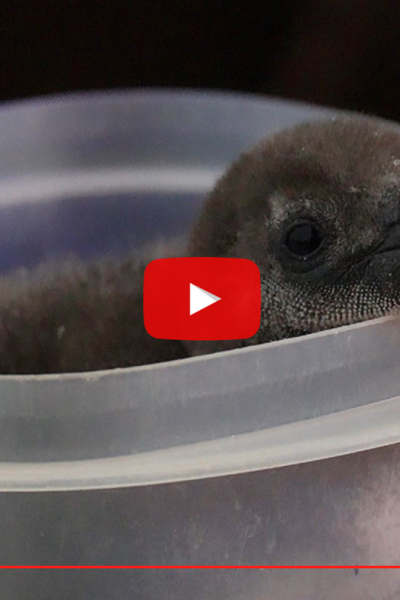
Waddle we do with all this cuteness? A tiny, fluffy African penguin chick made its grand debut at Cheyenne Mountain Zoo in early April! This little one is growing up big and strong. At just 22 days old, the chick weighs 983 grams!

Its care team monitors and weighs it every few days. This little one is an important ambassador for African penguins.

In 2024, African penguins were officially uplisted to ‘critically endangered’ on the International Union for Conservation of Nature (IUCN) Red List, with the number of wild breeding pairs falling below 10,000. If current trends continue, these charismatic birds could be extinct in the wild by 2035.

Since 2010, CMZoo guests and members have contributed more than $159,675 to Southern African Foundation for the Conservation of Coastal Birds (SANCCOB) in support of African penguin conservation. In 2020, the Zoo deepened its commitment by joining AZA SAFE (Saving Animals From Extinction) African Penguin, a collaborative program supported by the Association of Zoos and Aquariums.

Every visit to CMZoo is conservation in action. Guests visiting CMZoo can see African penguins up close, including this new chick, knowing their visit helps support a future for this species in the wild.

Keep an eye (and ear) out for the chick in the penguin building in Water’s Edge Africa. While it’s usually snuggled in the nest, you might see it wriggle out, or hear it peeping.

Stay tuned for updates!

Back to The Waterhole

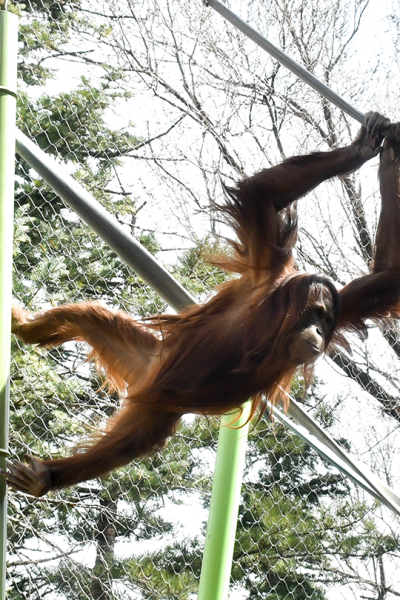
Visitors to Primate World, at Cheyenne Mountain Zoo, may soon notice two crates in the orangutan yard. These crates are part of the Zoo’s careful preparations to help two iconic Sumatran orangutans, 6-year-old Kera and her mother, 37-year-old Sumagu, get ready for their next chapter.
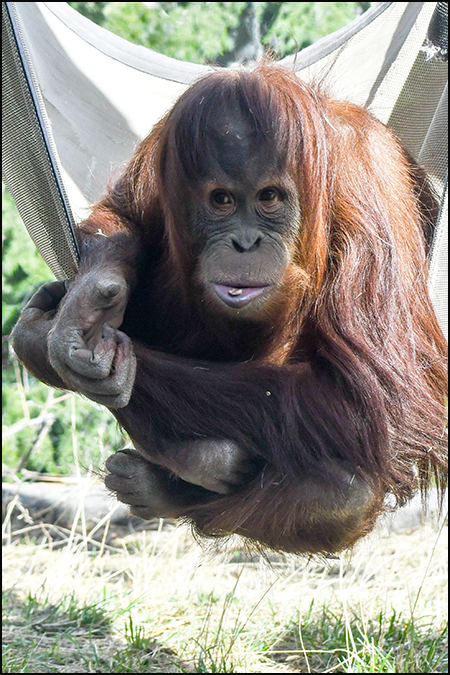
Sumagu portrait, orangutan.

The mother-daughter duo is scheduled to move to another AZA-accredited zoo, likely later this summer, as part of a breeding recommendation through the Association of Zoos and Aquariums’ Species Survival Plan (SSP) for Sumatran orangutans.

Sumagu has a breeding recommendation with a male at another zoo, and keepers are working diligently to ensure the move is as smooth and low-stress as possible.

“Crate training is one of the more advanced behaviors we work on with our orangutans,” Ashton Asbury, Primate World animal keeper, says. “We’re teaching Kera and Sumagu to voluntarily enter the crates and to be comfortable spending time in them.”

Using positive reinforcement training, keepers are helping both orangutans associate the crates with rewards and calm experiences. In addition to watching for subtle behaviors, the team teaches the orangutans to signal when they’re ready to end a training session. This method allows Kera and Sumagu to feel empowered throughout the training process.

“Our goal is for them to enthusiastically enter the crates and allow the doors to close behind them,” Ashton says. “That way, when it’s time for the big move, it’s a familiar and positive experience.”

Thanks to this voluntary approach, neither orangutan will require sedation during their trip. Experienced animal transport professionals will make stops along the way to check on the great ape travelers, offering food and water, and making visual health checks. The teams also collaborate with AZA-accredited zoos along the way, in case the orangutans need care mid-trip.

Sumagu, who was born at CMZoo, will be stepping into a new world as she heads to her new home.

“We’re excited for Sumagu to have this new life experience,” Ashton says. “She’s such a wise and savvy orangutan. She’s very confident, and we’re encouraging her choice and control as she trains. She’s a great communicator. If she needs us to make adjustments, she’ll let us know.”

Sumagu’s daughter, Kera, is also preparing for this next stage in life. At her age, orangutans naturally begin to seek more independence, and Sumagu encourages that independence in Kera. To support this, Kera and Sumagu will travel in separate crates, and then settle into their new home together.

“It’s important for young female orangutans, like Kera, to observe their mothers raising another baby,” Ashton says. “She doesn’t have a breeding recommendation, but she could later. Young female great apes who get to be older siblings become more successful mothers later. Great apes’ offspring typically stay with their moms longer than any animal species, and learning how to be a mom from their own mom is the best-case scenario.”

Keepers at CMZoo will be working closely with the orangutans’ future animal care team, sharing training histories and behavioral nuances, which is essential for complex and intelligent animals like orangutans.
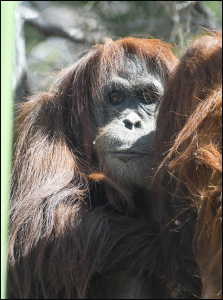
Sumagu portrait

“Kera is such a fun kid,” Ashton says. “She’s serious about orangutan things, like nest-building, but she’s also super engaging and outgoing with people. We will definitely miss both of them, but we’re proud to support this breeding recommendation that supports the population in human care, and continues to inspire conservation for wild orangutans.”

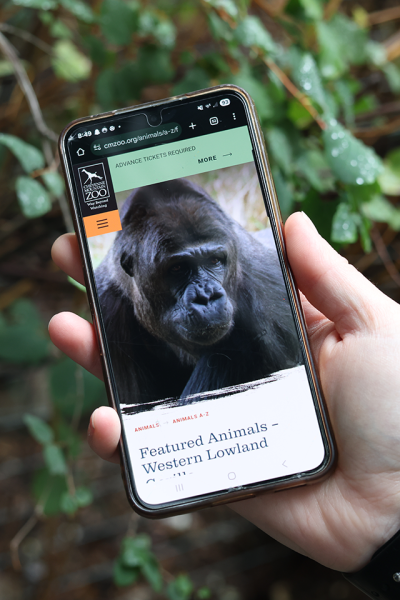
Fans of Kera and Sumagu, and all orangutans, can save the rainforests from the comfort of their smartphones with a free global mobile app called PalmOil Scan, available for free on the App Store and Google Play. It is available in the United States, Canada, the United Kingdom, Australia and New Zealand, with further expansion planned in the future. Orangutan enthusiasts can learn more about palm oil, and download the free app before their next shopping trip, at cmzoo.org/palmoil.

Palm oil is an edible oil that can be found in about half of consumer products. Unsustainable palm oil production results in deforestation in Indonesia and Malaysia, the only places where critically endangered orangutans live in the wild. Although the majority of palm oil production is in Southeast Asia, it has also expanded to other tropical areas, which means more animal species could lose the habitats they need to survive.

When produced sustainably, palm oil is 4 to 10 times more productive than any other edible oil. Using PalmOil Scan, conscientious consumers can scan the barcodes on tens of thousands of products in the app’s extensive database (which is being updated and expanded continually) to see if they are produced by a company that has committed to sourcing sustainable palm oil.

“Orangutans are incredibly intelligent and complex animals,” Ashton says. “Our animal care team knows these great apes really well, and we’re planning for the best opportunities for all of the orangutans in our care as these changes take place.”

Primate World is currently home to six orangutans: three Sumatran orangutans, including Kera and Sumagu, and three Bornean orangutans. When Kera and Sumagu move, male Sumatran orangutan, Baka, will continue his current lifestyle, with access to interactions through a safety barrier with Ember and Hadiah, mom-and-daughter Bornean orangutans. Tujoh, a male Bornean orangutan, will continue to have the same access.

Back to The Waterhole
SANCOOB penguin efforts in the wild.

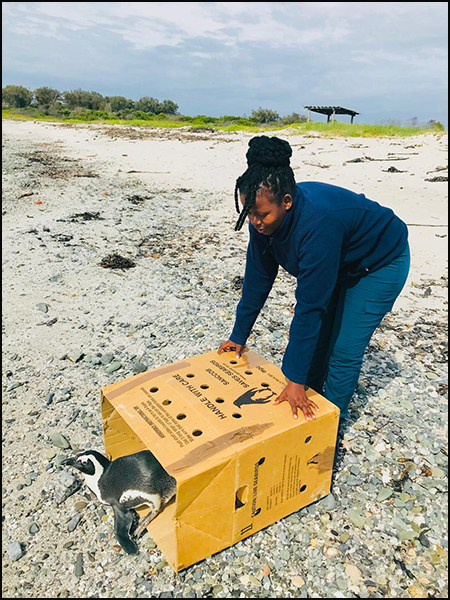
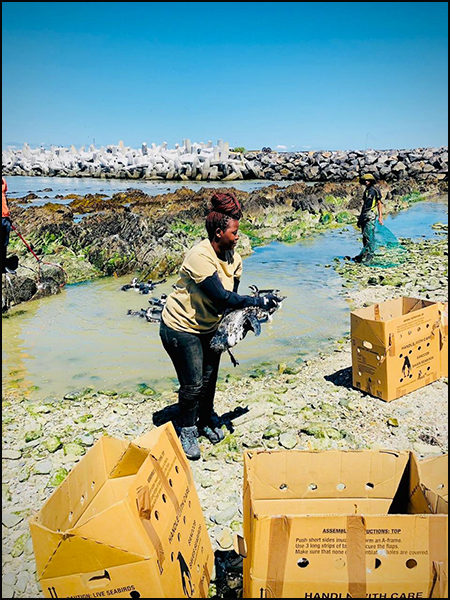
Thanks to the support of Zoo guests and members, wild critically endangered African penguins have ongoing support. One of the key people leading this charge in the field is the Southern African Foundation for the Conservation of Coastal Birds’ (SANCCOB) Penguin and Seabird Ranger, Yandisa Cwecwe.

Working side-by-side with African penguins on South Africa’s historic Robben Island, Yandisa plays a vital role in protecting one of the world’s most threatened seabirds. With a Master of Science in Zoology and Marine Biology, and early research experience at Stellenbosch University’s Marine Conservation Genomics laboratory, Yandisa’s passion for marine life led her to SANCCOB in 2021. There, she found her calling conserving African penguins.

“The wild African penguin population is dropping at a rate of nearly 8 percent per year, but thanks to support from our members and guests, we can help these charismatic birds have a better chance of survival in the wild,” Nicole Chaney, Cheyenne Mountain Zoo conservation manager, says. “It’s inspiring for our members and guests to learn about the people dedicating their lives to saving wildlife and wild places, like Yandisa and the team at SANCCOB.”

As a SANCCOB Ranger, she rescues injured, ill or oiled penguins and transports them by boat to SANCCOB’s Rehabilitation Centre in Table View, South Africa, for specialized care and rehabilitation before they are released back into the wild.

Yandisa also collaborates closely with varying organizations on the island, including Earthwatch, the Department of Forestry, Fisheries and the Environment, the University of Cape Town, and the Robben Island Environmental Unit. Her daily routine includes early morning field patrols, seabird and penguin population monitoring, penguin nest checks, and the use of Passive Integrated Transponders (PIT tags) to help track individual penguins throughout their lives.

SANCOOB penguin efforts in the wild.

In 2024, African penguins were officially uplisted to ‘Critically Endangered’ on the IUCN Red List, with the number of wild breeding pairs falling below 10,000. If current trends continue, these charismatic birds could be extinct in the wild by 2035. Yandisa works to prevent that outcome every day. The threats they face, from commercial overfishing and extreme weather events to pollution and disease are formidable. Conservationists, like Yandisa, with support from CMZoo members and guests, provide hope.

CMZoo contributes annually to SANCCOB’s Robben Island Ranger project, directly funding field efforts like Yandisa’s work. Since 2010, CMZoo guests and members have contributed more than $159,675 to SANCCOB in support of African penguin conservation. In 2020, the Zoo deepened its commitment by joining AZA SAFE (Saving Animals From Extinction) African Penguin, a collaborative program supported by the Association of Zoos and Aquariums.

Every visit to CMZoo is conservation in action. African penguins are one of the species up for support in this year’s Members-Only Conservation Vote. Until Sun., March 30, CMZoo members can check their email for a private link to cast their vote for the CMZoo staff-championed conservation project that inspires them most. Guests visiting CMZoo can see African penguins up close, knowing their visit helps support a future for this species in the wild.

Back to The Waterhole

Cheyenne Mountain Zoo established The International Center for the Care and Conservation of Giraffe (The Giraffe Center) in 2022. With three full-time employees, The Giraffe Center is a concentrated effort by CMZoo to consolidate resources, expand educational programs to improve and enrich the lives of giraffe in human care throughout the world, and inspire conservation action.

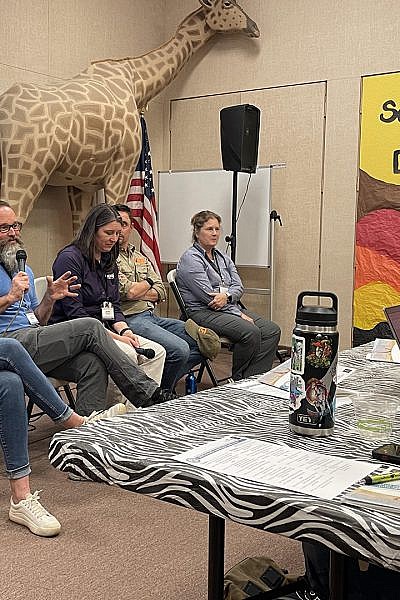
Giraffe Okapi Conference 2025 breakout session with Cheyenne Mountain Zoo Browse Manager Jason Bredahl

In January 2025, experts from around the world gathered at The Living Desert Zoo and Gardens, in Palm Springs, California, for The Giraffe Center’s Giraffe and Okapi Conference. More than 100 specialists, keepers, conservationists and researchers from 11 countries attended the four-day conference to share their experiences and expertise in giraffe and okapi care.

“It was truly inspiring and fulfilling to see professionals from all aspects of giraffe and okapi care come together to share and learn from each other,” Amy Schilz, senior animal behaviorist at The Giraffe Center, says.

The momentum of giraffe and okapi care conferences had slowed in recent years, and The Giraffe Center team saw an opportunity to revive the exchange of ideas among giraffe and okapi professionals. Attendees, speakers and presenters gathered from around the world, including the U.S., Brazil, Canada, Belgium, England, Namibia, Kenya, the United Arab Emirates, Iran, Australia and the Netherlands.

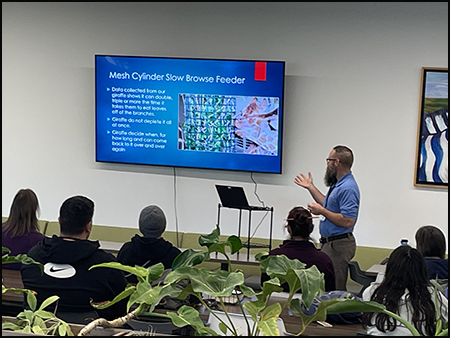
This rich diversity meant attendees had access to a range of topics on improving the lives of giraffe and okapis in human care. They explored wild giraffe eating habits, and nutritionists discussed how different food types affect physiology. Experts shared insights for incorporating more browse into giraffe diets, and then led an open panel where attendees could pose questions on any aspect of giraffe and okapi care. Another panel focused on creating a full lifestyle of positive reinforcement for giraffe in human care, as opposed to creating sporadic enrichment opportunities.

One of the highlights of the conference was ‘Browse Day,’ when breakout groups discussed securing browse (natural tree branches and leaves), improving enrichment and feeding tactics, growing browse farms and identifying toxic plants. Jason Bredahl, CMZoo’s curator of environmental enhancements, presented at Browse Day.

“I keep telling people, ‘browse is the way,” Jason says. “As animal care professionals, we always want to improve the lives of our animals. CMZoo has dedicated full-time employees, including me, to study how to do that, and this conference allows us to share the methods and data with others who can improve their animals’ lives.”

The data shows, basically, that for CMZoo’s giraffe herd, nothing beats browse. Jason describes the herd seeing browse like a dog when its owner comes home from work. They drop whatever they’re doing and beeline for the browse, even excitedly taking it out of staff members’ hands before they can hang it for them. Khalid, CMZoo’s breeding bull, enjoys stripping bark and leaves from branches so much that staff jokes that he’s just leaving ‘browse bones.’

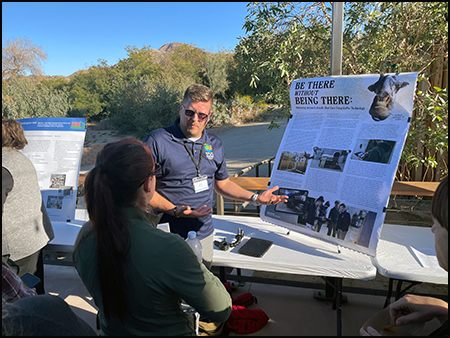
Giraffe Okapi Conference 2025 poster presentation projects

Browse is more than fun for giraffe; it’s mentally and physically stimulating for the herd – and nutritious. To enjoy this giraffe-approved meal, they must travel to multiple browse locations and then spend time working to strip leaves and branches. Animals want to work for rewards, and eating browse is much more difficult and enriching for an animal, compared to scooping hay from a feeder. At the conference, attendees got insights that CMZoo’s environmental enhancements team has worked for years to study. They returned to their home herds with a head start, guidance on how to make it work at their own facilities and a support system.

Attendees also gained valuable insight into okapi care and conservation, hearing firsthand from conservationists who work directly with okapis in the wild.

“I remember walking by a group at the end of the night, and hearing one of the okapi conservationists tell stories of his field experiences to the okapi caretakers,” Amy says. “That was the moment for me. It reinforced how important it is for us to all meet, share and do this work with each other’s support.”

The conference fostered important senses of camaraderie and support among attendees.

“My favorite thing was watching a room full of people who barely knew each other become friends,” Amy says. “Now, if they have a challenge, they have a support system to reach out to. That kind of professional network is invaluable, especially for those who are newer to the field. Shared knowledge ultimately improves care for okapi and giraffe all over the world – and that’s what we all want.”

Looking ahead, The Giraffe Center will co-host a specialized workshop at West Midlands Safari Park in England in July. This hands-on event will focus on giraffe behavior and training, continuing the commitment to advancing best practices in giraffe care.

For more information on professional memberships, workshops and more, available for giraffe and okapi care teams, visit giraffecenter.cmzoo.org

Back to The Waterhole

Teen Summer Program participants with My Big Backyard animals

Cheyenne Mountain Zoo’s highly competitive Summer Teen Program application period opens on Sat., Feb. 1. The three-month program takes a unique approach to fostering nature stewardship and inspiring young people to take part in protecting the wild world. Soon, it will welcome new and returning participants for summer 2025.

Applications for the program for sixth through 12th graders open Sat., Feb. 1 at cmzoo.org/teenprograms. Applications will only be accepted for 10 days, so nature-loving teenagers should start considering the program now.

After orientation on May 17 and 18, the program runs from May 27 to Aug. 8, 2025. Summer Teen Program participants work alongside CMZoo staff to interact with animals, guests, keepers and each other. Lynn Joseph has been in the Teen Program since summer 2021, and in 2025 she intends to return as a Junior Zoo Keeper and a Teen Leader. She is also a member of the Zoo’s Youth Leadership Action Board, which serves the Teen Program similarly to how a student council would serve a school.

Teen Summer Program participant with barn owl Hoosier

“I’ve been able to grow and learn social skills, gain confidence in public speaking and become a stronger leader,” Lynn says. “The Teen Program is an amazing space to be myself, learn how I operate and make mistakes. I’ve learned how to teach, how to be taught and how to connect with people. I’ve made really valuable friendships in this program, and nothing makes me happier.”

In addition to gaining valuable experience working at CMZoo, teen participants learn to be nature’s best stewards with life-changing experiences off Zoo grounds, in Colorado’s wild spaces. Teens can expect educational, inspirational experiences and mentorship that offer a platform to unearth their passions and discover more about their strengths. Teens are mentored by staff and peers as they learn to be leaders and advocates for wildlife and wild places.

Teen Summer participants walking together

“Ultimately, we hope these experiences connect the hands, the heart and the mind to the natural world, so these teens will defend and advocate for the wild places and wild animals of our world,” Austin Kennedy, CMZoo Extended Education Supervisor in the EdVenture department, says. “We focus on leadership training, animal husbandry, interpretation and public speaking, empowerment, life skills and so much more.”

EdVenture staff recommends purchasing an application as soon as possible when they open so teens have ample time to read through, draft, and submit applications. There is an application fee of $25 per applicant. Once that has been paid, a link will be automatically sent to the email used to submit during purchase. The applications must be submitted by 11:59 p.m. MST on Mon., Feb. 10, 2025. No late applications will be accepted.

After the application period, EdVenture staff conducts interviews with selected candidates. Around 100 applicants are accepted to the summer program. CMZoo’s Summer Teen Program is a tuition-based experience, and scholarships are available. Email [email protected] with any questions.

Back to The Waterhole
Mexican spotted owl, photo credit: Ceeanna Zulla, USDA Forest Service.
Photo Credit: Ceeanna Zulla, USDA Forest Service

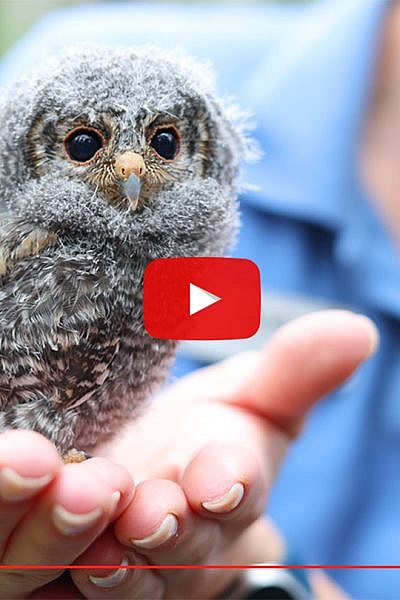
In 2023, Zoo members voted to fund GPS trackers that U.S. Fish & Wildlife and the USDA Forest Service are using to study Mexican spotted owls in New Mexico and Arizona.

They hope to learn what sort of habitat features Mexican spotted owls are using to nest, and what they are avoiding. The data collected will help them determine how best to protect the species and their habitat.

This is the first study to use GPS tags on Mexican spotted owls. The improved technology allows conservationists to collect high quality data – tracking owls’ locations every hour throughout the night for multiple months through the breeding season.

So far, they have GPS tagged 43 Mexican spotted owls in the study locations. They track data during the owls’ nesting season, collecting one to two months of data per bird.

Mexican spotted owl, credit: Ceeanna Zulla, USDA Forest Service.
Photo Credit: Ceeanna Zulla, USDA Forest Service

Conservationists recently reported interesting results: a few of the tagged owls were using ’disturbed areas,’ which can include parts of the forest disturbed by timber cuts, fire and insect-related tree mortality. These initial findings could lead conservationists to believe that the owls may prefer mixed-use forest habitat – rather than needed pristine, untouched forests to thrive.

It seems that some of the owls actually prefer forests that are used by humans and animals. These are still very wild forests, but they are used responsibly for lumber, and they benefit from selective thinning for wildfire mitigation. If researchers conclude that owls prefer these sites, more of the forest could be mitigated against wildfires and used for sustainable lumber, while still supporting the owls. By tagging the owls, researchers know their current locations, and mitigation and lumber work could avoid their nesting habitats and seasons.

Back to The Waterhole
Quarters for Conservation Legacy Project: Palm Oil Conservation
The Roundtable for Sustainable Palm Oil (RSPO) recognized Cheyenne Mountain Zoo’s collaborative palm oil conservation work at the RSPO annual conference in Bangkok last month. PalmOil Scan, a global mobile app that empowers consumers to choose companies that commit to using sustainable palm oil, won the RSPO Innovation Award.

Orangutan portrait

The award acknowledges the work of World Association of Zoos and Aquariums and its members, Cheyenne Mountain Zoo, Chester Zoo, Auckland Zoo and Zoos South Australia, in developing the PalmOil Scan app.

PalmOil Scan is available in the United States, Canada, the United Kingdom, Australia and New Zealand. Learn more at cmzoo.org/palmoil and download the free mobile app before your next shopping trip in the Apple Store or Google Play.

Palm oil is an edible oil found in about half of the products consumers purchase. It is used in candy, soaps, cosmetics, pet food and cleaning products. Because of high demand, unsustainable palm oil production has resulted in deforestation across Southeast Asia, and other tropical areas, which means critically endangered species like orangutans, tigers and elephants, are losing their homes.

Orangutan portrait

However, when produced sustainably, palm oil is the most productive edible oil available. Oil palm trees produce four to ten times more oil than alternatives like soy, olive, canola and coconut. Switching to these alternatives would cause even more deforestation in tropical areas, which is why consumers must demand sustainable palm oil.

CMZoo has been a leader in sustainable palm oil advocacy for nearly 15 years. The Zoo launched a similar mobile app for consumers in the U.S. and Canada in 2014. More than 160,000 verified users have educated themselves by using CMZoo’s app. Its design, database and user experience served as the foundation for the design of PalmOil Scan, which has the potential to reach millions more people around the world.

Through Quarters for Conservation (Q4C), 75¢ from every admission and $25,000 from membership revenue, totaling more than $5 million since 2008, funds legacy programs – symbolized by the Q4C kiosks, where guests can place tokens representing their 75-cent contributions, in CMZoo’s admissions plaza. One long-time legacy conservation effort is palm oil education and advocacy for orangutan habitat preservation.

Back to The Waterhole
During the cooler months, African penguins mostly focus on nesting and eating. As daylight hours decrease, they naturally pair up and settle in for snuggle season. While penguins don’t technically mate for life, they are monogamous and typically stay with the same partner during breeding season.

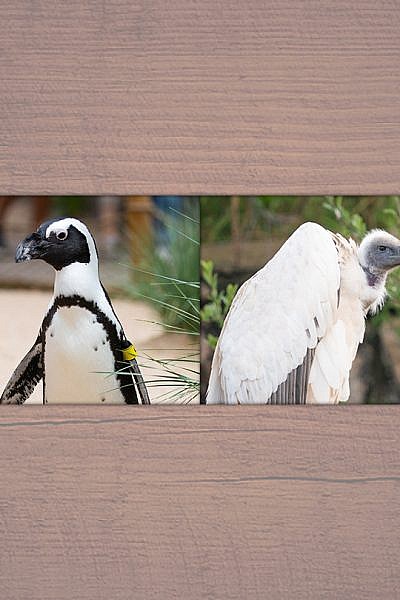
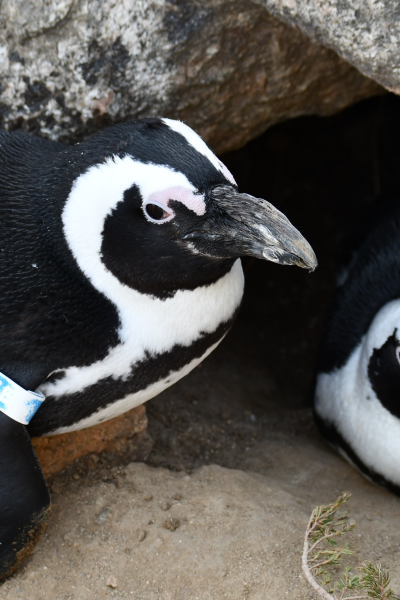
The sixteen ‘flockstars’ at CMZoo have been together since Water’s Edge: Africa opened in 2020 (and some were together before that). Most seem to have settled into their pairings or friendships. Bonded pairs can be identified by the color and placement of their bands. Females wear a band on the left flipper, and males wear them on the right. If you see two penguins with the same color bands, they’re bonded, which means they nest together. Twelve of the CMZoo African penguins are bonded, while the remaining four regularly hang out together but are not actively nesting with another penguin.

African penguins were recently relisted from ‘endangered’ to ‘critically endangered’ by the International Union for the Conservation of Nature (IUCN) Red List. The number of wild breeding pairs has fallen below 10,000, and African penguins could be extinct in the wild by 2035. But, there is hope.

Every visit to CMZoo is conservation in action. Through membership dues and admissions, CMZoo guests and members have sent $159,675 to SANCCOB (Southern African Foundation for the Conservation of Coastal Birds), in support of African penguin conservation, since 2010.

Wild African penguin populations face many threats that continue to cause them to struggle in the wild, including:
— commercial overfishing – reducing the availability of prey species like sardines and anchovies
— habitat degradation – oil spills and plastic waste affects many marine species, including African penguins
— disease outbreaks – such as bird flu can compromise an already vulnerable species

In 2020, CMZoo joined AZA SAFE African Penguin. SAFE (Saving Animals From Extinction) is a collaborative conservation effort supported by the Association of Zoos and Aquariums (AZA) and their accredited members. Under this commitment, the Zoo sends $3,000 annually to SANCCOB in support of their Robben Island Ranger project. This ranger closely monitors the Robben Island penguin colony in South Africa, helping researchers keep track of the penguin population. The ranger also plays an important role in the direct care of penguins, and other seabirds, by identifying and transporting birds in need of medical attention to the SANCCOB rescue and rehab facility for treatment and eventual re-release.

Be sure to stop by Water’s Edge: Africa and see the flock during your next trip to CMZoo!

Back to The Waterhole