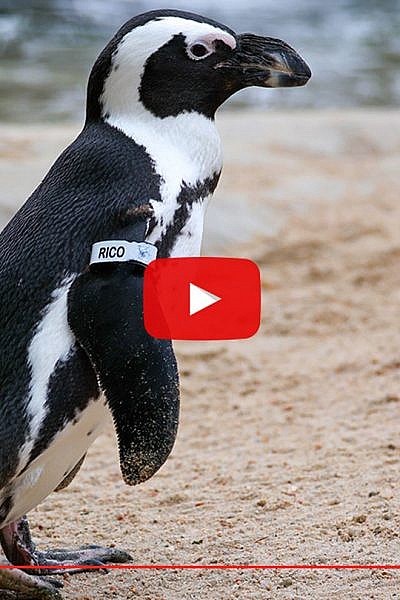

Celebrate our seventeen ‘flockstars’ on International African Penguin Awareness Day (IAPAD), on Sat., Oct. 11 from 9 a.m. to 3:30 p.m. at the Zoo! You won’t want to miss six-month-old Sparrow’s very first IAPAD!
Penguin enthusiasts can join us in Water’s Edge: Africa for crafts, games, and other activities available throughout the day. Don’t miss the keeper demonstrations during penguin feeding times at 9:30 a.m. and 3:30 p.m., as well as a walkabout with a penguin named Napoleon at 11 a.m. There’s no cost to attend IAPAD events, but advance daytime admission tickets are required and can be purchased at cmzoo.org.
In 2024, African penguins were officially uplisted to ‘critically endangered’ on the International Union for Conservation of Nature (IUCN) Red List, with the number of wild breeding pairs falling below 10,000.
If current trends continue, these charismatic birds could be extinct in the wild by 2035. The wild African penguin population is dropping at a rate of nearly 8 percent per year, but thanks to support from CMZoo members and guests, these charismatic birds have a better chance of survival in the wild. Conservationists, with support from CMZoo members and guests, provide hope.
Since 2010, CMZoo members and guests have contributed more than $$200,000 to Southern African Foundation for the Conservation of Coastal Birds (SANCCOB saves seabirds) in support of African penguin conservation.
In 2020, the Zoo deepened its commitment by joining AZA African Penguin SAFE (Saving Animals From Extinction), a collaborative program supported by the Association of Zoos and Aquariums.
Every visit to CMZoo is conservation in action, because every visit and every membership contributes around one million dollars every 20 months to the Zoo’s Quarters for Conservation program, supporting efforts to save wildlife around the world.
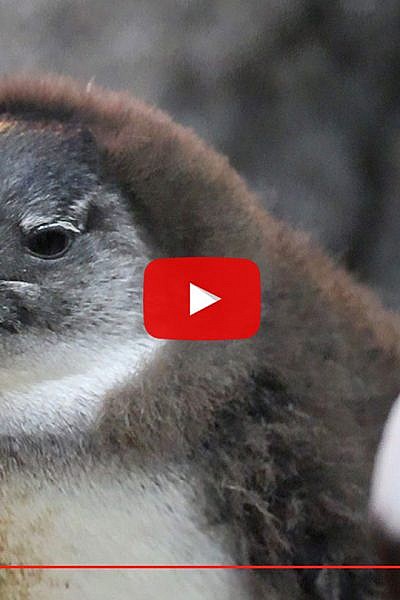
Our not-so-tiny penguin chick has a name! Meet Sparrow. Keepers chose the name to go along with Captain and Pearl’s names. Captain, Pearl and Sparrow are all names related to the Pirates of the Caribbean films, where the swashbuckling Captain Jack Sparrow commands the pirate ship, the Black Pearl. Since hatching on April 8, 2025, Sparrow has been growing fast — exploring the surroundings, developing juvenile plumage and learning to preen feathers.
Sparrow recently hit a big milestone: swimming! The chick is quickly growing in juvenile plumage, which is the first set of waterproof feathers that replaces the soft down chicks have before they fledge.
From belly-flop dives into the water and carrying items to the nest, to eating regurgitated fish from Captain and Pearl and napping on a tiny rock nearby the nest, Sparrow is stealing hearts in Water’s Edge: Africa.

Our penguin chick isn’t so tiny anymore! Hatched on April 8, this little one is already nearing the two-month mark, and growing fast! It still lives in the nest box with Captain and Pearl, and it already weighs about 5 pounds, nearly the size of an adult African penguin. Keepers check on the chick daily and do regular weigh-ins to track its progress. The chick is very alert and loves to chirp loudly to make sure Captain, Pearl and everyone else in the penguin building knows when it’s time for a snack. Stay tuned for more penguin chick updates on social media!
Last month, Cheyenne Mountain Zoo members cast their votes to help the Zoo decide how to spend $75,000 of member conservation funds among staff-championed conservation projects vying for members’ support. The three projects with the most votes received the full funding they requested.
Every membership and every visit to the Zoo is conservation in action. From 2015 to 2025, the program has provided $825,000 of membership revenue to support field conservation worldwide.
“Our members make a big impact for wildlife and wild places,” Ashley Cioppa, CMZoo membership manager, says. “Our members’ annual investment in their Zoo memberships directly supports animals here in Colorado and all around the world. Plus, they give our staff the opportunity to reach more niche organizations and projects that support their conservation passions. Thank you, members!”
Each year, CMZoo membership revenue contributes a total of $100,000 to conservation in two ways:
- $25,000 to the Quarters for Conservation program, which in total contributes a million dollars on average every 18 months to CMZoo’s legacy conservation partners.
- $75,000 to projects voted for by CMZoo members through this annual vote.
This year’s Members-Only Conservation Vote top-ranked projects to fully fund are:
1) FOSTER, RAISE, AND RELEASE AFRICAN PENGUINS – $38,271
Member funding will provide an incubator, veterinary care and rehabilitation support for wild African penguin chicks and adults. African penguins, found mainly in South Africa and Namibia, face significant threats from overfishing, oil spills and disease outbreaks. As a result, penguin parents are abandoning their chicks due to lack of food and other weather-related factors. The Southern African Foundation for the Conservation of Coastal Birds (SANCCOB )will use these funds to rescue abandoned penguin eggs, chicks and adults needing intervention and rehabilitation at their South Africa facility. The goal is to release as many rescued penguins as possible back into the wild to bolster the rapidly declining African penguin population.
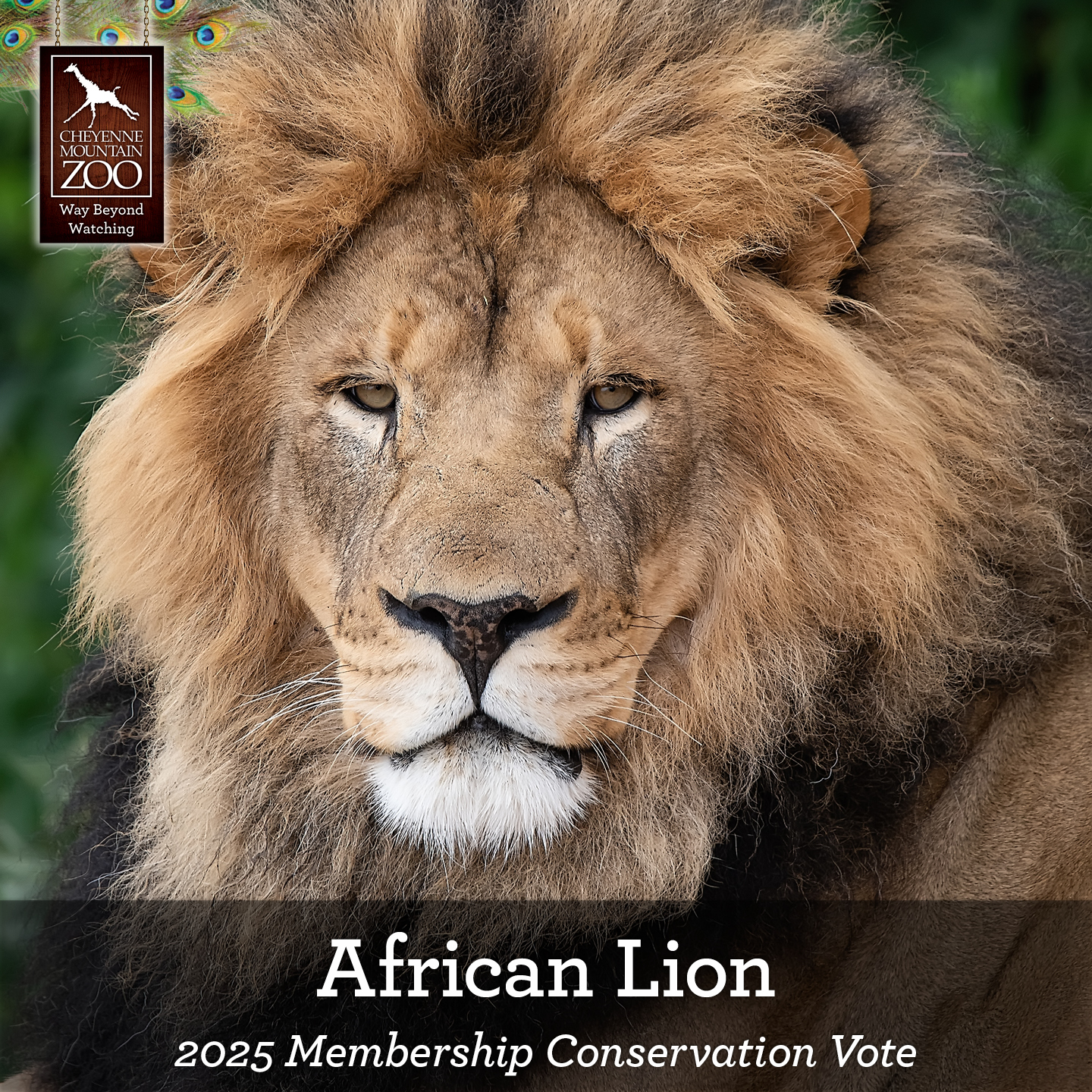
2) SUPPORT LEADERSHIP TRAINING FOR KENYAN WOMEN CONSERVATIONISTS AND RESTORE HABITAT FOR AFRICAN LIONS – $17,000
Support will empower Samburu (a region in Northern Kenya) women to improve their community’s livelihoods and help protect lions. Ewaso Lions implements several programs to help protect lions. One of these programs is The Mama Simbas (which means “Mothers of Lions”). The group consists of Samburu women trained to help alleviate human- wildlife conflicts, which typically occur between farmers and predators that may threaten local livestock. Ewaso Lions will use these funds to provide leadership training to the women of The Mama Simbas program. This training will give the women new tools to help shift attitudes towards predators, allowing Kenyan communities to coexist more easily and efficiently with wild carnivores. Funds will also support the restoration of grassland habitat.
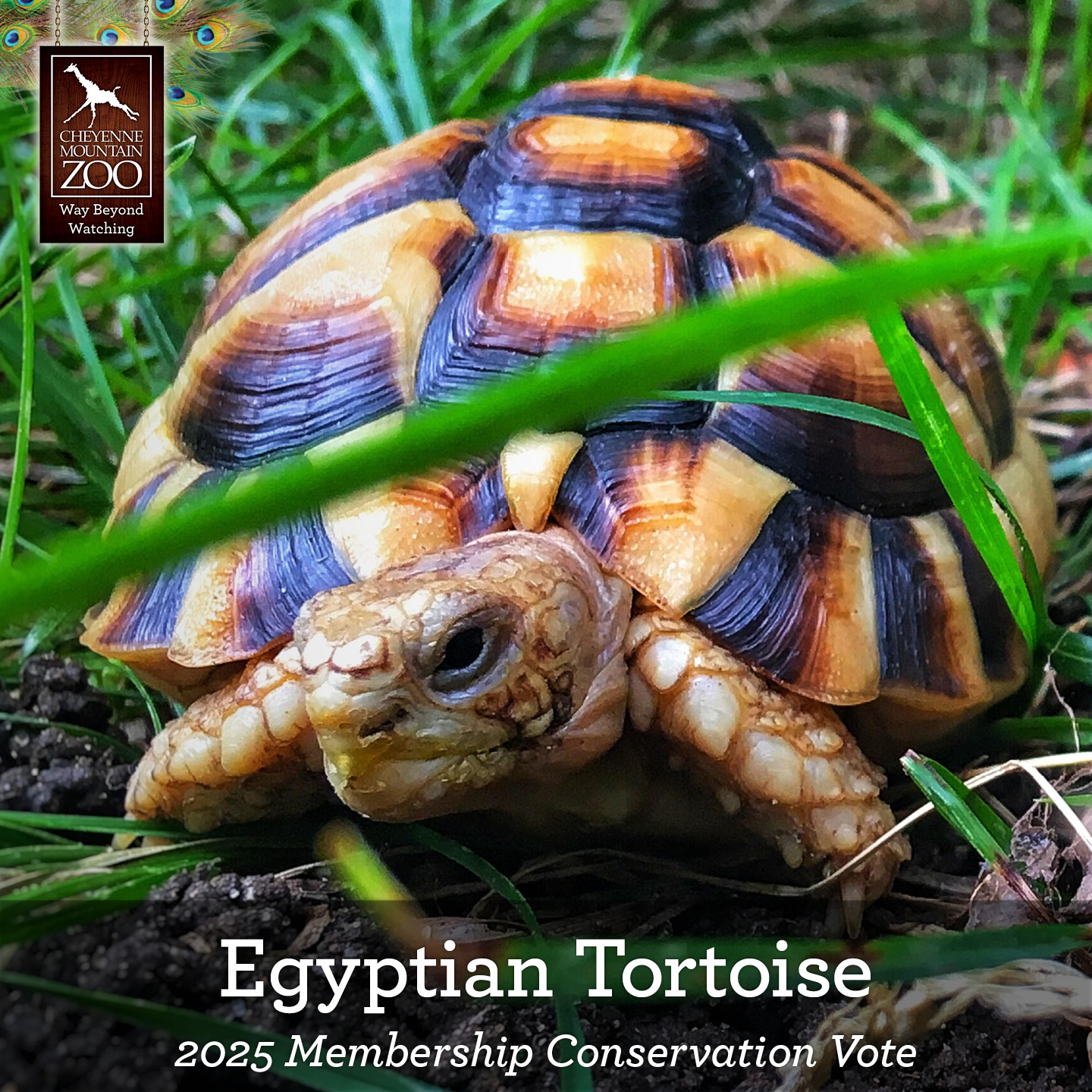
3) PROTECT EGYPTIAN TORTOISES THROUGH COMMUNITY CONSERVATION IN EGYPT- $19,729
Member support will fund local community guards and provide tracking tags to protect Egyptian tortoises. Wild turtles and tortoises are facing a worldwide extinction crisis. The Egyptian tortoise faces severe threats from habitat destruction due to farming and poaching for the pet trade. The Turtle Survival Alliance will use funds to deploy tracking tags to gather data and gain an understanding of how tortoises interact with each other and their environment, as well as population dynamics. Community guards will help address immediate threats to the species by physically protecting the most vital tortoise populations and their habitat.
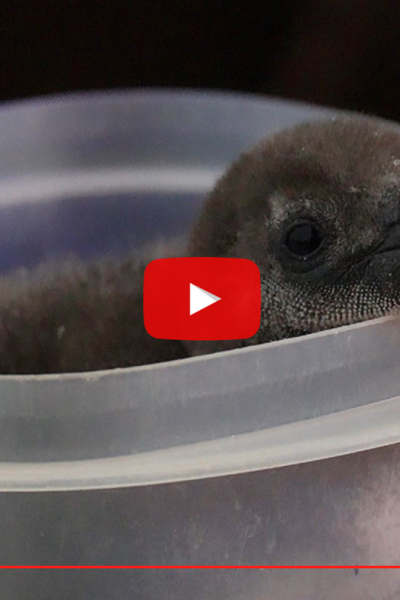
Waddle we do with all this cuteness? A tiny, fluffy African penguin chick made its grand debut at Cheyenne Mountain Zoo in early April! This little one is growing up big and strong. At just 22 days old, the chick weighs 983 grams!
Its care team monitors and weighs it every few days. This little one is an important ambassador for African penguins.
In 2024, African penguins were officially uplisted to ‘critically endangered’ on the International Union for Conservation of Nature (IUCN) Red List, with the number of wild breeding pairs falling below 10,000. If current trends continue, these charismatic birds could be extinct in the wild by 2035.
Since 2010, CMZoo guests and members have contributed more than $159,675 to Southern African Foundation for the Conservation of Coastal Birds (SANCCOB) in support of African penguin conservation. In 2020, the Zoo deepened its commitment by joining AZA SAFE (Saving Animals From Extinction) African Penguin, a collaborative program supported by the Association of Zoos and Aquariums.
Every visit to CMZoo is conservation in action. Guests visiting CMZoo can see African penguins up close, including this new chick, knowing their visit helps support a future for this species in the wild.
Keep an eye (and ear) out for the chick in the penguin building in Water’s Edge Africa. While it’s usually snuggled in the nest, you might see it wriggle out, or hear it peeping.
Stay tuned for updates!
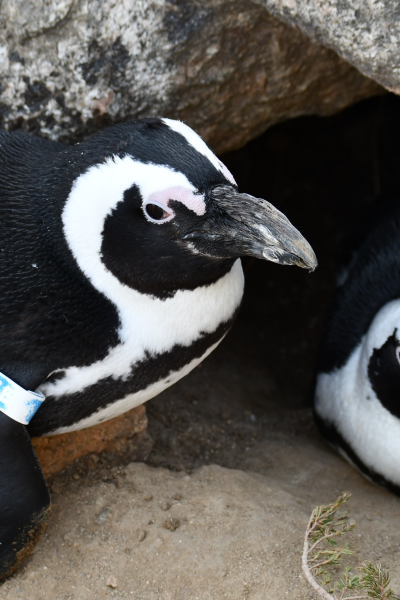
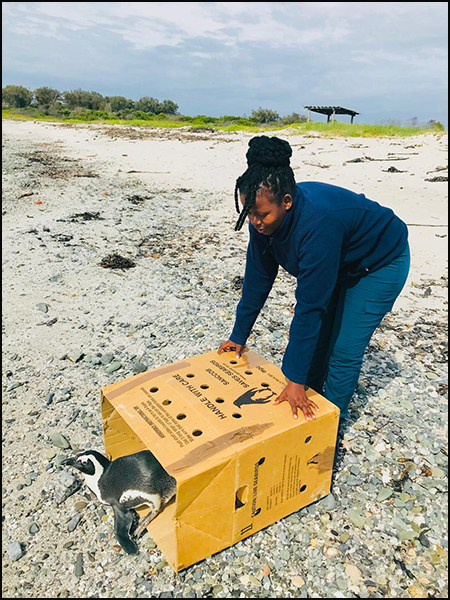
Thanks to the support of Zoo guests and members, wild critically endangered African penguins have ongoing support. One of the key people leading this charge in the field is the Southern African Foundation for the Conservation of Coastal Birds’ (SANCCOB) Penguin and Seabird Ranger, Yandisa Cwecwe.
Working side-by-side with African penguins on South Africa’s historic Robben Island, Yandisa plays a vital role in protecting one of the world’s most threatened seabirds. With a Master of Science in Zoology and Marine Biology, and early research experience at Stellenbosch University’s Marine Conservation Genomics laboratory, Yandisa’s passion for marine life led her to SANCCOB in 2021. There, she found her calling conserving African penguins.
“The wild African penguin population is dropping at a rate of nearly 8 percent per year, but thanks to support from our members and guests, we can help these charismatic birds have a better chance of survival in the wild,” Nicole Chaney, Cheyenne Mountain Zoo conservation manager, says. “It’s inspiring for our members and guests to learn about the people dedicating their lives to saving wildlife and wild places, like Yandisa and the team at SANCCOB.”
As a SANCCOB Ranger, she rescues injured, ill or oiled penguins and transports them by boat to SANCCOB’s Rehabilitation Centre in Table View, South Africa, for specialized care and rehabilitation before they are released back into the wild.
Yandisa also collaborates closely with varying organizations on the island, including Earthwatch, the Department of Forestry, Fisheries and the Environment, the University of Cape Town, and the Robben Island Environmental Unit. Her daily routine includes early morning field patrols, seabird and penguin population monitoring, penguin nest checks, and the use of Passive Integrated Transponders (PIT tags) to help track individual penguins throughout their lives.
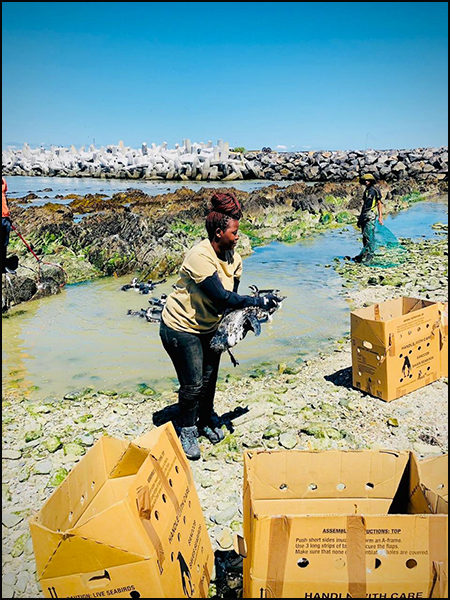
In 2024, African penguins were officially uplisted to ‘Critically Endangered’ on the IUCN Red List, with the number of wild breeding pairs falling below 10,000. If current trends continue, these charismatic birds could be extinct in the wild by 2035. Yandisa works to prevent that outcome every day. The threats they face, from commercial overfishing and extreme weather events to pollution and disease are formidable. Conservationists, like Yandisa, with support from CMZoo members and guests, provide hope.
CMZoo contributes annually to SANCCOB’s Robben Island Ranger project, directly funding field efforts like Yandisa’s work. Since 2010, CMZoo guests and members have contributed more than $159,675 to SANCCOB in support of African penguin conservation. In 2020, the Zoo deepened its commitment by joining AZA SAFE (Saving Animals From Extinction) African Penguin, a collaborative program supported by the Association of Zoos and Aquariums.
Every visit to CMZoo is conservation in action. African penguins are one of the species up for support in this year’s Members-Only Conservation Vote. Until Sun., March 30, CMZoo members can check their email for a private link to cast their vote for the CMZoo staff-championed conservation project that inspires them most. Guests visiting CMZoo can see African penguins up close, knowing their visit helps support a future for this species in the wild.
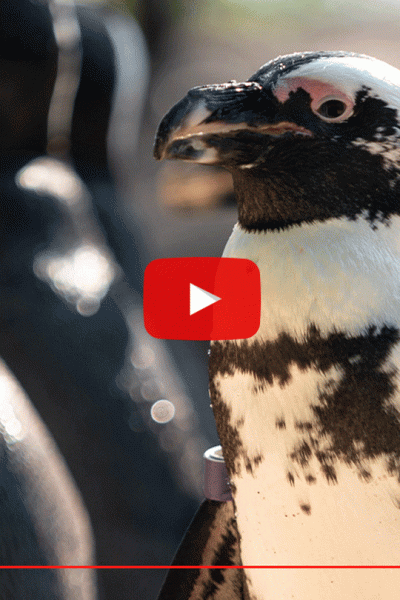
During the cooler months, African penguins mostly focus on nesting and eating. As daylight hours decrease, they naturally pair up and settle in for snuggle season. While penguins don’t technically mate for life, they are monogamous and typically stay with the same partner during breeding season.
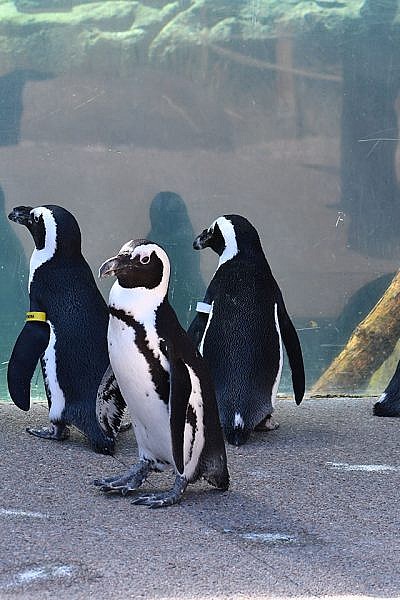
The sixteen ‘flockstars’ at CMZoo have been together since Water’s Edge: Africa opened in 2020 (and some were together before that). Most seem to have settled into their pairings or friendships. Bonded pairs can be identified by the color and placement of their bands. Females wear a band on the left flipper, and males wear them on the right. If you see two penguins with the same color bands, they’re bonded, which means they nest together. Twelve of the CMZoo African penguins are bonded, while the remaining four regularly hang out together but are not actively nesting with another penguin.
African penguins were recently relisted from ‘endangered’ to ‘critically endangered’ by the International Union for the Conservation of Nature (IUCN) Red List. The number of wild breeding pairs has fallen below 10,000, and African penguins could be extinct in the wild by 2035. But, there is hope.
Every visit to CMZoo is conservation in action. Through membership dues and admissions, CMZoo guests and members have sent $159,675 to SANCCOB (Southern African Foundation for the Conservation of Coastal Birds), in support of African penguin conservation, since 2010.
Wild African penguin populations face many threats that continue to cause them to struggle in the wild, including:
— commercial overfishing – reducing the availability of prey species like sardines and anchovies
— habitat degradation – oil spills and plastic waste affects many marine species, including African penguins
— disease outbreaks – such as bird flu can compromise an already vulnerable species
In 2020, CMZoo joined AZA SAFE African Penguin. SAFE (Saving Animals From Extinction) is a collaborative conservation effort supported by the Association of Zoos and Aquariums (AZA) and their accredited members. Under this commitment, the Zoo sends $3,000 annually to SANCCOB in support of their Robben Island Ranger project. This ranger closely monitors the Robben Island penguin colony in South Africa, helping researchers keep track of the penguin population. The ranger also plays an important role in the direct care of penguins, and other seabirds, by identifying and transporting birds in need of medical attention to the SANCCOB rescue and rehab facility for treatment and eventual re-release.
Be sure to stop by Water’s Edge: Africa and see the flock during your next trip to CMZoo!
Shorter days and holidays are approaching. For many humans, that means unusual eating traditions, a shift in activity and an effort to maintain healthy habits. Cheyenne Mountain Zoo partners, Children’s Hospital Colorado, share advice for helping your family stay healthy during the holidays.
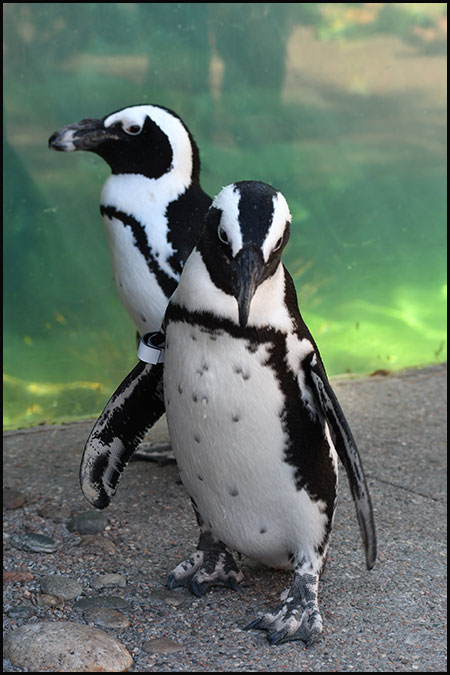
At CMZoo, shorter days and cooler temperatures trigger changes to some animal care programs that support animals’ instinctual seasonal adjustments. Some animals, like giraffe, hippos and great apes, don’t experience many seasonally triggered changes. Keeper teams who care for animals native to more seasonally diverse regions make adjustments.
In the fall and winter months, African penguins focus mostly on nesting and eating. Sunlight impacts their nesting, molting and breeding cycles. As days get shorter, they instinctively choose a mate and begin settling in for snuggle season. The longer nights also trigger their annual molt – when they lose all of their feathers at once and grow a brand-new waterproof set.
“Molting is a big event for the flock,” Sabrina Eccher, animal keeper in Water’s Edge: Africa, says. “Hormonal changes due to less sunlight in the winter typically trigger molting in early spring or summer, and they eat a lot less while they’re molting. To prepare for molt, they bulk up by eating more in the weeks before.”
Supporting the penguins’ instinct to eat more is another example of Cheyenne Mountain Zoo’s commitment to environmental enrichment. The goal is to prepare their habitats with resources that will keep them busy, stimulated and comfortable. Keepers offer more fish at hand-feedings and take it a step further by providing the penguins with opportunities to hunt live fish in their outdoor pool on their own time.
Penguins may increase activity with nest-building and hunting, but grizzlies tend to slow down. Recent scientific studies reveal that grizzlies in the wild don’t hibernate, contrary to popular belief. Smaller creatures, like toads, squirrels and marmots, hibernate to sleep through the months of cold temperatures and limited food resources. During hibernation, animals don’t typically wake up for months. Bigger native animals, like bears, raccoons and skunks, can gain enough weight to carry them through the cooler season without hibernation. However, the seasonal switch impacts them in other ways.
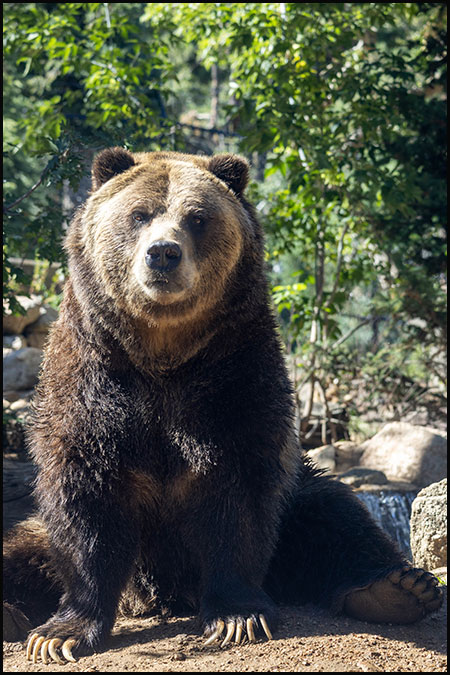
“Bears and other larger animals go into torpor in the winter, which is a hormonal physiological and behavioral change triggered by the changing seasons,” Jenna Schmidt, animal keeper in Rocky Mountain Wild, says. “In torpor, body systems slow down and animals may sleep more, but they still wake up. In the summer and fall, our grizzlies want to eat, eat, eat. When it starts to cool down, they’re less interested in eating and have less energy, but they’re still pretty active at the Zoo.”
CMZoo’s iconic 19-year-old grizzly bears, Digger and Emmett, will turn 20 in January. Having cared for the bears since they were around two years old, keepers have their winter routine down to an art – and each bear reacts differently.
“Digger typically starts sleeping in longer and doing activities with less enthusiasm before Emmett does,” says Jenna. “Digger usually gains more weight than Emmett, and he grows his winter coat before Emmett.”
In fall and winter, grizzlies start dismissing less desirable food items that they would eat in the summer. In the winter, protein and sweet fruits and veggies are more enticing to them. They have been known to decline training sessions when offered a lower calorie item in the winter. It has to be worth their energy because they naturally have less energy in the winter.
Sunflower seeds? Yes.
Celery? No, thank you.
Keepers know which food items will encourage them to participate in husbandry care, so the team can still perform health checks on the aging bears. The bears instinctually prioritize preserving energy. They’ll sleep in later and spend more time making and sleeping in several bear-made beds throughout their two yards and overnight space.
“We give them lots of hay this time of year, and they use it make comfy beds,” Jenna says. “Digger likes to dig and make the beds, and Emmett prefers to ‘work smarter, not harder’ and snag a Digger-made bed for himself.”
Unlike bears, mountain lions eat less in warmer seasons, and more when it cools down.
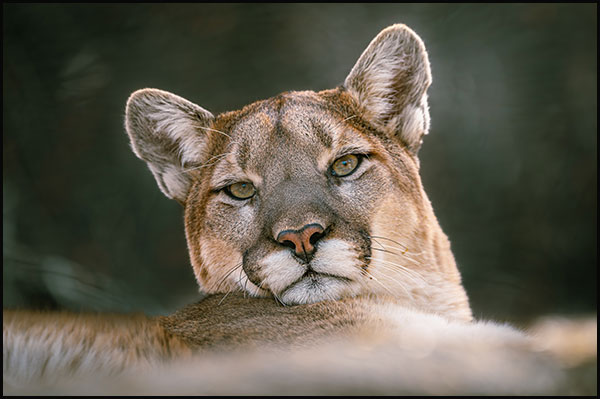
“In the winter, Adira, Koda and Sitka, our mountain lions, are expending more energy to stay warm, so they’re eating more,” Kelsey Walker, senior animal keeper in Rocky Mountain Wild says. “They’re typically more energetic in the cooler months, which we interpret is driven by their instinct to hunt and eat.”
Maintaining a healthy weight is critical to an animal’s overall health. So, keepers and veterinarians at the Zoo work hard to find the balance between satiating an animal’s increased appetite while preventing unhealthy weight gain for the animal.
“The mountain lions are typically slimmer in the warmer months, and we see them choosing to eat less than we provide when it starts to warm up,” Kelsey says. “When it gets cooler, we incrementally increase their diets, so they don’t feel they need to compete with each other for resources, and they feel satisfied and warm.”
Mountain lions aren’t fazed by subzero temperatures or snow. In the mountain lions’ three yards and indoor den, they have lots of opportunities to stay warm. Guests can see them sunbathing on their rocks, creating a kitty cuddle puddle in their canyon or lounging on their heated boulder that overlooks part of the moose yard. Pro tip: when it snows, notice which rocks are clear of snow and ice. The heated rocks melt snow faster than the other rocks do.
CMZoo is open every day of the year, and visiting during the winter months is a different adventure compared to summer Zoo days. Plan your winter adventure at the Zoo, and see if you can notice how penguins, grizzlies and mountain lions look and behave differently.