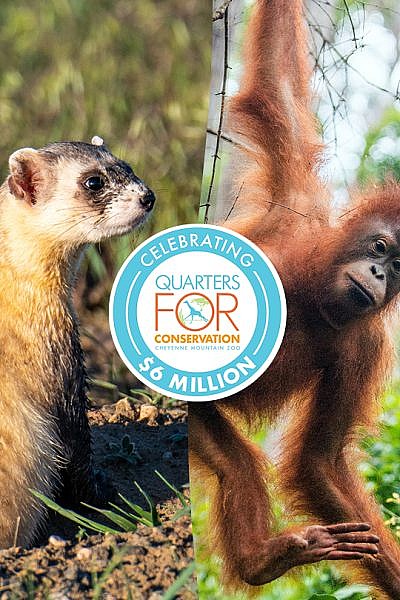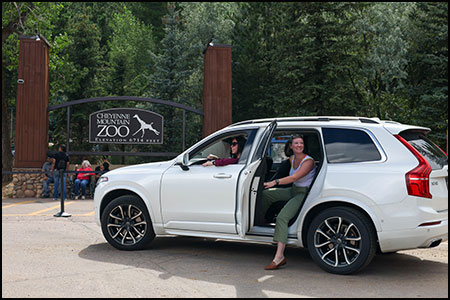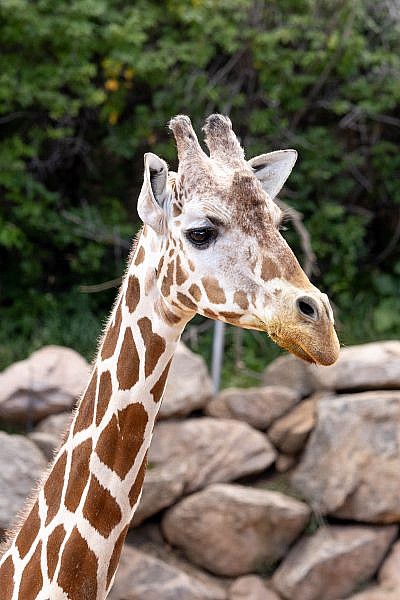
QUARTERS FOR CONSERVATION PROGRAM HELPS MEMBERS AND GUESTS CONTRIBUTE DIRECTLY TO FRONTLINE CONSERVATION ORGANIZATIONS WORLDWIDE – Cheyenne Mountain Zoo and its members and guests are celebrating a huge milestone, having raised $6 million for wildlife and wild places, since the Zoo’s Quarters for Conservation (Q4C) program launched in 2008.

Every visitor to the Zoo receives three ‘quarter’ tokens representing the 75¢ Q4C allocation from their admission fee. They can then show support for the legacy projects they love by placing their tokens in the corresponding slots in the Q4C kiosks near admissions.

Before launching Q4C in 2008, CMZoo was supporting conservation, but at a fraction of what is possible now. As more people visit the Zoo each year, the Zoo can contribute more money to conservation. In the past few years, CMZoo has collected approximately one million dollars every 20 months through Q4C. The Zoo’s membership, special events, admissions and EdVenture programs also contribute to conservation. CMZoo’s current Q4C beneficiary species include giraffe, Panama frogs, orangutans, black-footed ferrets, African elephants and black rhinos, Wyoming toads and Amur tigers.

About Our Current Q4C Legacy Projects

Q4C beneficiary species truly run the gamut, from 18-foot-tall giraffe in Africa to tiny toads in Wyoming.

Q4C supports Giraffe Conservation Foundation and their efforts to study, protect and grow wild giraffe populations. While CMZoo staff help raise awareness of giraffes’ silent extinction by inspiring guests at the Zoo, Q4C funds on-the-ground giraffe conservation efforts. CMZoo and the Kratt Family Fund (KFF) support efforts such as giraffe translocations to safer habitats, population monitoring and surveying, removal of illegal snare wires and veterinary treatment for giraffe and other wildlife injured by snares. They also provide veterinary support with vehicles and supplies. In addition, CMZoo’s contributions fund critical medications to treat injured animals, giving them a second chance at life.

Q4C also funds CMZoo’s on-site breeding programs for black-footed ferrets and Wyoming toads. These endangered prairie species were declared extinct in the wild in the 1980s and early 1990s, and are only around today because of decades of recovery efforts from U.S. Fish & Wildlife Service, zoos and partner organizations.

Wyoming toads are like so many amphibian species in decline all over the world, including Panamanian frogs, which also receive support thanks to Q4C funds and CMZoo staff support in the field. CMZoo staff members assist the Panama Amphibian Rescue and Conservation Project by sharing ideas and information from Wyoming toad breed-and-release efforts, and travel to Panama to help research strategies to reintroduce these endangered amphibians into their natural habitats.

CMZoo’s work to save habitats for orangutans through advocacy for sustainable palm oil production is also largely supported by Q4C. Thanks to that financial support, CMZoo’s sustainable palm oil team consults staff at other conservation organizations on starting their own palm oil programs. The CMZoo sustainable palm oil team continues to focus on international work through the World Association of Zoos and Aquariums (WAZA). The team was instrumental in the creation of WAZA’s PalmOil Scan – a global free sustainable palm oil shopping smartphone app, which allows shoppers to scan the barcodes of items to learn whether producers have committed to using sustainable palm oil – and to choose to support companies that have committed to sourcing sustainable palm oil.

Through Q4C, CMZoo also supports Tsavo Trust – a conservation organization in Kenya that works to protect the last of the big tuskers, which are African elephants with tusks weighing more than 100 pounds, and Eastern black rhinos. CMZoo’s funds helped Tsavo Trust build out their headquarters and provide a clean water source for the local community, who are partners in conservation efforts. It also paid for vital infrastructure for aerial and ground vehicles that rangers use for surveillance that protects rhinos and elephants from illegal hunting, in addition to collecting data on how these endangered giants utilize the habitat.

The seventh Q4C legacy partner is Wildlife Conservation Society, whose dedicated staff work to protect and define secure habitats for wild Amur tigers in Eastern Russia. Amur tigers, previously known as Siberian tigers, are critically endangered. Their numbers in the wild continue to be treacherously low at around 500. CMZoo supports efforts to prevent human-wildlife conflicts as well as anti-poaching efforts and funding for field conservationists to study this species in the wild.

For more information about these projects and Quarters for Conservation, visit cmzoo.org/conservation.

About Cheyenne Mountain Zoo

Cheyenne Mountain Zoological Society was founded in 1926. Today, Cheyenne Mountain Zoo, America’s mountain Zoo, offers comprehensive education programs, exciting conservation efforts and truly fantastic animal experiences. In 2025, Cheyenne Mountain Zoo was voted #2 Best Zoo in North America and CMZoo’s Rocky Mountain Wild was named #2 Best Zoo Exhibit in North America by USA TODAY 10Best Readers’ Choice Awards. It is Cheyenne Mountain Zoo’s goal to help guests fall in love with animals and nature, and take action to protect them. Of the 237 zoos and aquariums accredited by the Association of Zoos and Aquariums (AZA), Cheyenne Mountain Zoo is one of just a few operating without tax support. Cheyenne Mountain Zoo depends on admissions, membership dues, special event attendance and donations for to fund animal care, conservation, Zoo operations and improvements.

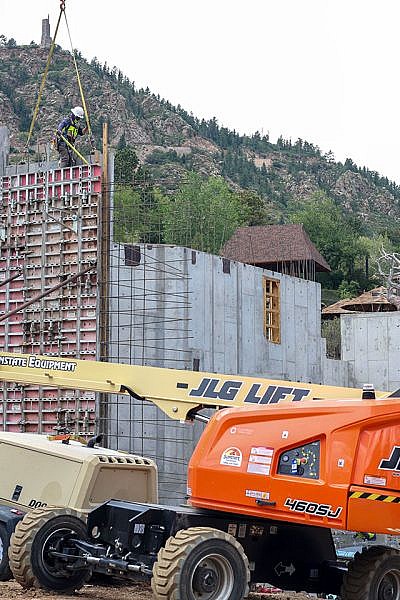
Construction for The Giraffe Project barn July 2025

CMZoo’s Giraffe Center Makes Impressive Progress and Nears Pivotal Deadline

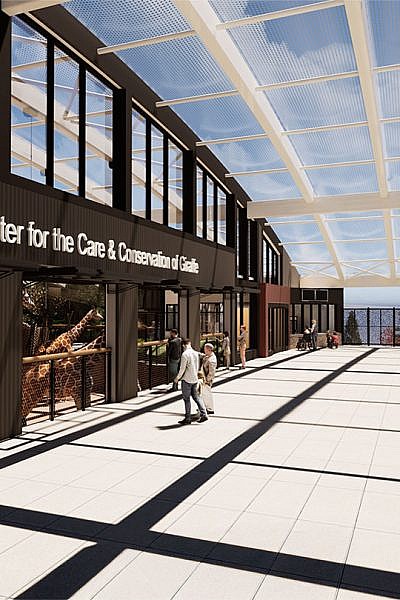
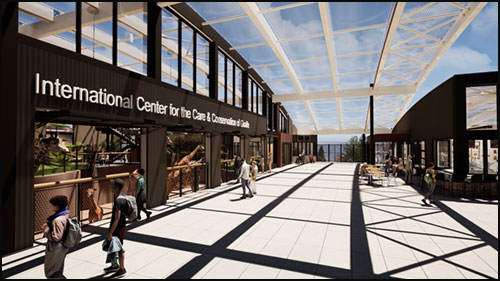
The International Center for the Care and Conservation of Giraffe is getting taller, and this week, construction teams celebrated the arrival and placement of the first steel beams. Finalizing the steel structure of the Giraffe Center this fall is pivotal. To open on time in 2026, teams are working diligently to beat the deadline – before winter weather presents new challenges.

Visitors can already see some of the beams in place from the guest parking lot. From the top of the concrete walls, already in place, the beams will elevate the building to its highest point, about 35 feet above the top of the concrete walls.

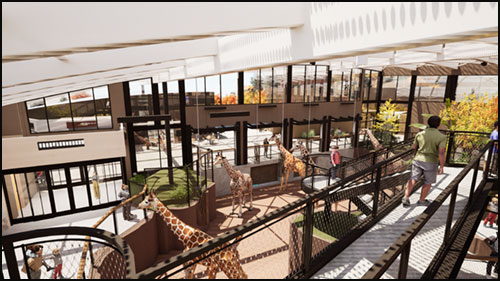
The $40 million dollar project, funded through Zoo revenue and donations, will increase the herd’s outdoor space by 25% and expand their indoor space with a 12,000-square-foot giraffe barn.

It’s hard to believe, but the Zoo’s African Rift Valley habitat, home to the Zoo’s iconic 15-member giraffe herd was built more than 20 years ago. In that time, giraffe professionals have learned a lot about providing world-class care. Home to the International Center for the Care and Conservation of Giraffe (the Giraffe Center), established in 2022, CMZoo is recognized as a leader in the professional field of giraffe care. This exhibit will reflect that expertise. The Giraffe Center is a concentrated effort to connect giraffe experts and to expand educational programs to improve and enrich the lives of giraffe in human care throughout the world.

The new giraffe barn is all about choice for giraffe and guests. Giraffe will have opportunities to interact with guests in new and exciting ways, and engage in enriching activities in their habitat independent of keepers and guests. The goal is to fill each giraffe’s day with positively reinforcing activities, such as exploring new spaces, munching on leaves and twigs or taking advantage of some quiet time. With a large herd of giraffe that has various preferences and different personalities, the habitat will be filled with meaningful choices. For example, it will have 11 feeding zones, in comparison to the three zones available in their former exhibit.

The giraffe barn will have an ETFE roof that will flood the interior space with natural light. This innovative material is low maintenance and fire- and hail-resistant. This lightweight material is used in sports stadiums, airports, and some European zoos to create visually striking and functional spaces. The clear roof that will cover the giraffe barn and gift shop will be the largest of its kind covering an animal exhibit in North America. It will bring the outdoors inside on cooler days, keeping guests and giraffe comfortable in Colorado’s 300 days of sunshine.

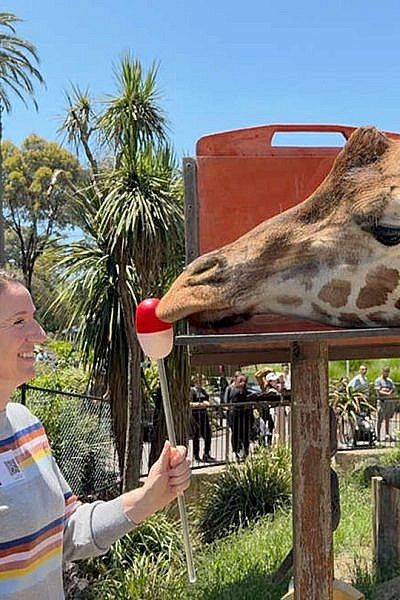
The relocation of the Zoo’s main road is making room to expand the giraffe yard to the west. The expanded yard will have additional spaces for giraffe to discover, and includes a new feeding tower to encourage giraffe to navigate the hills of CMZoo for the first time. The larger, more geographically diverse yard will provide the herd with new space to explore, contributing to their overall well-being. The giraffe herd will have expanded outdoor space and their barn with natural floors and fresh air, provided by giraffe-size garage doors – and guests can feed them from each location.

For more information, and to be part of something BIG, visit cmzoo.org/giraffeproject.


Scenic Ride to the Shrine Jeep Tours, Summer 2025

Explore Will Rogers Shrine of the Sun with a Limited-Time Guided Jeep Tour

Through Sun., Aug. 31 only, CMZoo members and guests can see Will Rogers Shrine of the Sun in a new adventurous way — by guided tour in a 4×4! This summer, the Zoo partnered with El Pomar Foundation and Adventures Out West to improve experiences for visitors to the Zoo and to Will Rogers Shrine of the Sun. By reducing vehicle traffic in the Zoo, Zoo guests share the road with vehicles less frequently. Instead of driving themselves to the Shrine, Shrine guests can sit back and enjoy the views — all while learning about area wildlife, history, geology and more!

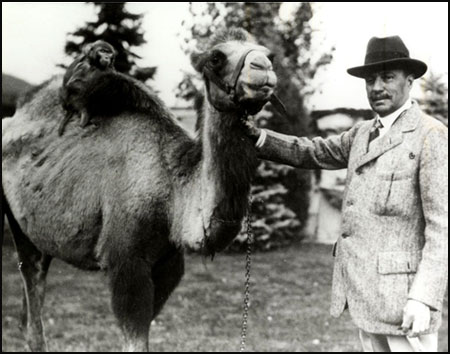
Once guests reach Will Rogers Shrine of the Sun, they meet a Shrine tour guide and explore the unique structure, learning about the incredible legacy of Spencer Penrose, who founded the Zoo in 1926, and catching stunning views of Colorado Springs, North Cheyenne Cañon and Garden of the Gods from Cheyenne Mountain.
  • Scenic Rides to the Shrine are available Tuesdays through Sundays from 9:45 a.m. to 2:45 p.m.
  • Price: $5 per seat
  • The full experience lasts about 1 hour, including the Jeep tour (up and down) and around 35 minutes to explore the Shrine.
  • Scenic Ride to the Shrine tickets are limited and may sell out. Advance reservations are not required, but they are available at cmzoo.org/ride.
  • The Shrine is closed on Mondays and most holidays.
  • Daytime tickets to the Zoo are required to gain entry to the Scenic Ride to the Shrine pick-up area, near Grizzly Grill and the play hills.
  • Reserve Scenic Ride to the Shrine tickets for the same day as your Zoo visit.
  • Book Scenic Ride to the Shrine tickets at cmzoo.org/ride.
  • Questions? Call our partners at Adventures Out West at 719-578-0935.

Guided Jeep tours are available through Sun., Aug. 31. After Labor Day, Zoo members and guests can drive themselves to the Shrine. Guests requiring wheelchair-accessible vehicle access to the Shrine are allowed to visit The Shrine at no cost by driving their own vehicles to the Shrine. Show your daytime Zoo admission at the drive-in gates to gain admission.


Rideshare tickets, entry guaranteed anytime, save money, no parking!

Skip the Parking Lot with Anytime Rideshare Tickets

Is your favorite time to visit the Zoo sold out? Try our new rideshare tickets — they're always available and can be used at any time for daytime admission.

For the past six summers, we have managed our parking lots by limiting capacity to the Zoo. Our goal is to reduce visitors' frustrations with limited on-site parking, and to avoid the hassle of off-site shuttles. Now, CMZoo members and guests can book rideshare Zoo admission tickets at cmzoo.org/rideshare. Arrive at your leisure and show your Uber, Lyft or taxi receipt with your rideshare tickets at admissions.

Rideshare tickets are free for members, and they're $5 less than peak-time nonmember tickets. They can be used any time during normal daytime admission (9 a.m. to 3:30 p.m. when the Zoo closes at 5 p.m. Early member entry is at 8 a.m. on Saturdays and Sundays through Labor Day).

Visit cmzoo.org/rideshare to reserve your rideshare tickets today! Questions? Email [email protected].

Back to The Waterhole

Kinda (rhymes with Linda) arrived at Cheyenne Mountain Zoo on May 27, 2025. She’s easy to spot in the herd because she’s currently the smallest, and her coat is a darker brown than others. The 1-year-old female giraffe is impressing her keepers with her confidence and adaptability.

Kinda, eating browse up-close portrait

“She may be the smallest in the herd, but she is certainly holding her own,” Jake Beiermann, African Rift Valley giraffe keeper, says. “It’s normal for established members of a herd to be curious about new giraffe, and some are more tactile than others in their approach. Kinda is super laid back, and she just rolls with whatever is going on around her with confidence.”

Some giraffe have been seen nuzzling Kinda, like Panya, a 7-year-old female. Ohe (pronounced OH-hee) is a 6-year-old male giraffe with a reputation for paying extra attention to the littlest members of the herd. Jake has seen Ohe positioning himself between Kinda and other members of the herd who might not understand personal space. Others have followed Kinda around, like 3-year-old Kay, who seems keen to get Kinda to respond to little nudges.

While she settles in, Kinda spends evenings – when keepers check in overnight via surveillance cameras, but aren’t there to watch continuously – with Muziki (27), Laikipia (18), and Amani (25) – or some combination of that group. Giraffe are social animals, and are most comfortable in groups. In the future, Kinda and her ‘nanny giraffe’ will return to spending the nights with the full herd, but they are comfortable in a smaller group for now.

Kinda seems mostly focused on getting to know her surroundings, and she has been confidently exploring since the moment she stepped off the trailer and into the barn.

Kinda, in the herd of giraffe at Cheyenne Mountain Zoo

“It’s so much fun to see her in the yard, exploring every inch of the space,” Jake says. “She’s so little compared to the others. She’ll stand next to Tumbili, who is about two-and-a-half times her size, but she’s right up there at the fences, stretching up as high as she can to take lettuce from guests.”

[Pro tip: Kinda and the shorter giraffe can more easily reach guests’ lettuce offerings near the drawbridge by the giraffe barn.]

Kinda has been outgoing with giraffe, guests, members and her keeper team. Jake says Kinda is eager to get close to keepers in the barn, with a fence between them for safety.

“She’s already a great ambassador for her species because she’s so interested in people,” Jake says. “It’s exciting to see the future of our herd, and to see how our new Giraffe Center will support giraffe who grow up in that space.”

Kinda is one of three giraffe in the herd under the age of four, along with Wednesday (3) and Kay (3). The International Center for the Care and Conservation of Giraffe, opening in 2026, was designed with the latest innovations and knowledge to support giraffe wellbeing and care. Kinda and future calves will benefit from the giraffe care expertise gathered since the last CMZoo giraffe barn was built, 22 years ago. To learn more about the Giraffe Center, visit cmzoo.org/giraffeproject.

Kinda will continue to settle into the herd, exploring outdoors and indoors as she chooses and weather permits. Next time you’re at CMZoo, swing by the giraffe feeding, and visit the newest and littlest member of the tower!

Back to The Waterhole

HE WAS THE SECOND-OLDEST MALE GIRAFFE IN HUMAN CARE IN THE COUNTRY WHEN HE PASSED – Cheyenne Mountain Zoo staff and giraffe fans are reflecting on the life of a legendary giraffe, Mahali [ma-HAUL-ee]. After an age-related decline in his health, Mahali’s care team made the difficult but compassionate decision to euthanize him on Thurs., April 10. Mahali was the second-oldest male reticulated giraffe in Association of Zoos and Aquariums facilities in the country at 22 years old.

Mahali, male reticulated giraffe looking at the camera

Mahali’s team remembers him as self-assured and particular, and they’re most grateful for what he taught them. Later in life, Mahali experienced foot and leg issues that affected his mobility. In 2017 and 2020, Mahali went under anesthesia to receive treatments, and those procedures helped him heal and return to a good quality of life. In 2023, his care team decided to avoid future risky anesthesia, and focus on helping Mahali live well as an old giraffe by making environmental accommodations for him.

“Mahali changed the way we think about caring for aging giraffe,” Rick Hester, CMZoo animal behaviors curator, says. “It’s not often you have the opportunity to work with a male giraffe this old, and once we understood each other, we could try all sorts of accommodations to help him age comfortably.”

Mahali advanced giraffe care by allowing his team to glue orthopedic shoes to his hooves, and by helping his team understand quality-of-life measurements that made sense for him as an old giraffe, as opposed to a young giraffe. A good quality of life for an aging giraffe includes having comfortable places to rest, participating in husbandry training, socializing with giraffe friends, eating well, being able to lie down and stand up, and traversing all terrains.

When keepers noticed Mahali was ‘saying no’ to training consistently around 2017, Amy Schilz, senior animal behaviorist at the International Center for the Care and Conservation of Giraffe at CMZoo, asked Rick to put his decade of animal training experience to the test with Mahali. After Mahali developed a communicative and trusting relationship with Rick, it was game on.

Even in a busy barn, Rick could call out, ‘Hey, Mahali,’ in a low monotone voice. Mahali’s eyes would sharpen focus, his ears would perk up, and he’d start scanning the crowd. Once he spotted Rick, he’d walk right over. Rick and Amy worked consistently together with Mahali’s training, and Mahali learned to trust that he was in control with these humans, who were going to notice his subtle communication cues.

Mahali, male reticulated giraffe outside

“Mahali had special needs, and what worked for the rest of the herd wasn’t working for him as he aged, so we worked to find the right nuance for Mahali,” Rick says. “When we were together, we were really focused on each other, and Mahali responded well for many years.”

Rick and Mahali stayed focused on each other for Mahali’s remaining years, perfecting the animal-human communication that all CMZoo animal trainers strive for, to provide excellent cooperative care for an animal. Thanks to his dedicated team, Mahali got many more years of quality health, and giraffe fans got many more years of Mahali.

“Mahali was a rascal in his younger years,” Amy says. Amy worked with Mahali for 12 years. “Some might remember we used to sell lettuce for giraffe feedings near the railing of the giraffe yard. We moved it because Mahali could reach over the railing, and he kept nudging staff to give him lettuce, like, ‘Hey, I see what you have there.’”

As Mahali grew up, his confidence was on full display. His team described him as ‘tactile.’ He was known for pulling on keepers’ shirts or pushing other giraffe out of his way to be the center of keepers’ attention. If Mahali didn’t want to move, he wasn’t moving. At the end of the day, when keepers welcomed giraffe to the barn from the yard, he would sometimes opt for a few more hours outside.

“He had a great last day,” Jason Bredahl, CMZoo curator of animal environments and former giraffe animal care manager, says. Jason was present for Mahali’s entire life. “He went out into the yard with an enthusiasm we hadn’t seen in a few days. He soaked up the sunshine and ate lettuce and tree branches while socializing with his herd and our guests. We’re proud of the ‘bonus years’ we’ve been able to give Mahali, and we’re grateful for all the guests he has inspired and animal welfare he has taught us. It’s always hard when we know it’s time to say goodbye, but it’s also our final act of compassion and stewardship for our animals.”

Mahali was the first giraffe calf born in the current giraffe barn, hours before Mother’s Day in May 2003. As the Zoo makes progress on its giraffe habitat expansion and a new 12,000 square-foot giraffe building, giraffe staff say they will take the lessons Mahali taught them to their new giraffe center, and share with keepers around the world through the International Center for the Care and Conservation of Giraffe’s workshops, information sharing and consultations. His legacy will live on in every giraffe that gets to live old well.

About Cheyenne Mountain Zoo

Cheyenne Mountain Zoological Society was founded in 1926. Today, Cheyenne Mountain Zoo, America’s mountain Zoo, offers comprehensive education programs, exciting conservation efforts and truly fantastic animal experiences. In 2025, Cheyenne Mountain Zoo was voted #2 Best Zoo in North America and CMZoo’s Rocky Mountain Wild was named #2 Best Zoo Exhibit in North America by USA TODAY 10Best Readers’ Choice Awards. It is Cheyenne Mountain Zoo’s goal to help guests fall in love with animals and nature, and take action to protect them. Since 2008, CMZoo’s Quarters for Conservation program has raised more than $5 million dedicated to frontline conservation efforts around the world. Of the 237 zoos and aquariums accredited by the Association of Zoos and Aquariums (AZA), Cheyenne Mountain Zoo is one of just a few operating without tax support. Cheyenne Mountain Zoo depends on admissions, membership dues, special event attendance and donations for funding.
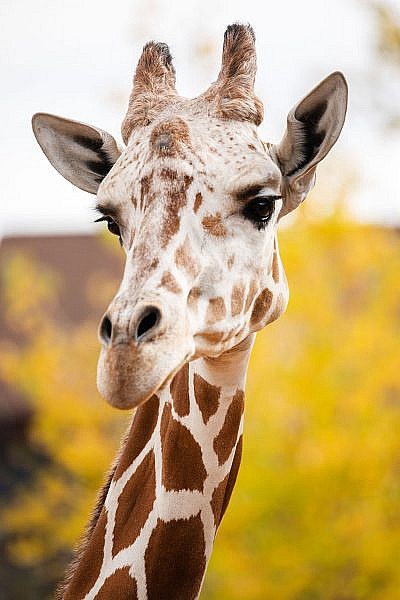
Cheyenne Mountain Zoo established The International Center for the Care and Conservation of Giraffe (The Giraffe Center) in 2022. With three full-time employees, The Giraffe Center is a concentrated effort by CMZoo to consolidate resources, expand educational programs to improve and enrich the lives of giraffe in human care throughout the world, and inspire conservation action.

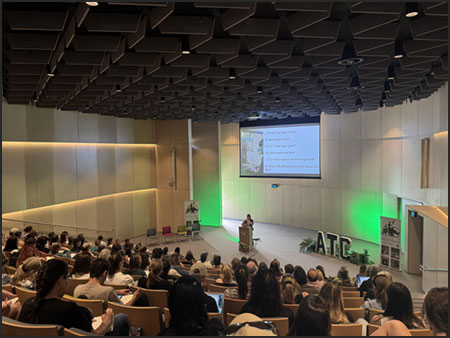
Giraffe Okapi Conference 2025 breakout session with Cheyenne Mountain Zoo Browse Manager Jason Bredahl

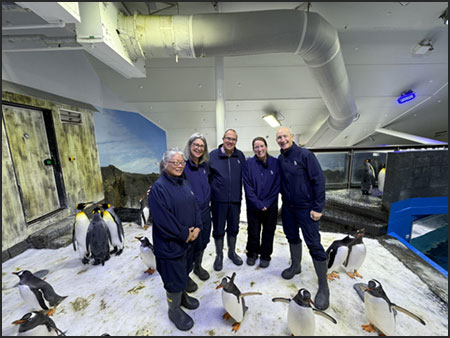
In January 2025, experts from around the world gathered at The Living Desert Zoo and Gardens, in Palm Springs, California, for The Giraffe Center’s Giraffe and Okapi Conference. More than 100 specialists, keepers, conservationists and researchers from 11 countries attended the four-day conference to share their experiences and expertise in giraffe and okapi care.

“It was truly inspiring and fulfilling to see professionals from all aspects of giraffe and okapi care come together to share and learn from each other,” Amy Schilz, senior animal behaviorist at The Giraffe Center, says.

The momentum of giraffe and okapi care conferences had slowed in recent years, and The Giraffe Center team saw an opportunity to revive the exchange of ideas among giraffe and okapi professionals. Attendees, speakers and presenters gathered from around the world, including the U.S., Brazil, Canada, Belgium, England, Namibia, Kenya, the United Arab Emirates, Iran, Australia and the Netherlands.

This rich diversity meant attendees had access to a range of topics on improving the lives of giraffe and okapis in human care. They explored wild giraffe eating habits, and nutritionists discussed how different food types affect physiology. Experts shared insights for incorporating more browse into giraffe diets, and then led an open panel where attendees could pose questions on any aspect of giraffe and okapi care. Another panel focused on creating a full lifestyle of positive reinforcement for giraffe in human care, as opposed to creating sporadic enrichment opportunities.

One of the highlights of the conference was ‘Browse Day,’ when breakout groups discussed securing browse (natural tree branches and leaves), improving enrichment and feeding tactics, growing browse farms and identifying toxic plants. Jason Bredahl, CMZoo’s curator of environmental enhancements, presented at Browse Day.

“I keep telling people, ‘browse is the way,” Jason says. “As animal care professionals, we always want to improve the lives of our animals. CMZoo has dedicated full-time employees, including me, to study how to do that, and this conference allows us to share the methods and data with others who can improve their animals’ lives.”

The data shows, basically, that for CMZoo’s giraffe herd, nothing beats browse. Jason describes the herd seeing browse like a dog when its owner comes home from work. They drop whatever they’re doing and beeline for the browse, even excitedly taking it out of staff members’ hands before they can hang it for them. Khalid, CMZoo’s breeding bull, enjoys stripping bark and leaves from branches so much that staff jokes that he’s just leaving ‘browse bones.’

Giraffe Okapi Conference 2025 poster presentation projects

Browse is more than fun for giraffe; it’s mentally and physically stimulating for the herd – and nutritious. To enjoy this giraffe-approved meal, they must travel to multiple browse locations and then spend time working to strip leaves and branches. Animals want to work for rewards, and eating browse is much more difficult and enriching for an animal, compared to scooping hay from a feeder. At the conference, attendees got insights that CMZoo’s environmental enhancements team has worked for years to study. They returned to their home herds with a head start, guidance on how to make it work at their own facilities and a support system.

Attendees also gained valuable insight into okapi care and conservation, hearing firsthand from conservationists who work directly with okapis in the wild.

“I remember walking by a group at the end of the night, and hearing one of the okapi conservationists tell stories of his field experiences to the okapi caretakers,” Amy says. “That was the moment for me. It reinforced how important it is for us to all meet, share and do this work with each other’s support.”

The conference fostered important senses of camaraderie and support among attendees.

“My favorite thing was watching a room full of people who barely knew each other become friends,” Amy says. “Now, if they have a challenge, they have a support system to reach out to. That kind of professional network is invaluable, especially for those who are newer to the field. Shared knowledge ultimately improves care for okapi and giraffe all over the world – and that’s what we all want.”

Looking ahead, The Giraffe Center will co-host a specialized workshop at West Midlands Safari Park in England in July. This hands-on event will focus on giraffe behavior and training, continuing the commitment to advancing best practices in giraffe care.

For more information on professional memberships, workshops and more, available for giraffe and okapi care teams, visit giraffecenter.cmzoo.org

Back to The Waterhole

Construction in admissions plaza, African Rift Valley and the historic road through the Zoo are well underway. Join Cheyenne Mountain Zoo President & CEO, Bob Chastain, for a first look at our ambitious vision for the future.

Constructing a state-of-the-art giraffe habitat and care center with beautiful and functional guest spaces – including a gift shop, café and admissions plaza – on the side of a mountain is no easy feat. Join us for behind-the-scenes looks as the construction team makes progress, shares innovations and overcomes obstacles in a video series called, Bob’s Blueprints: Building a World-Class Zoo.

The Zoo will continue to share major construction updates in The Waterhole newsletter and on social channels. Bob’s Blueprints video series focuses on even more specific construction tactics and challenges, as well as up-close looks at animal improvements and guest experience features. If you want to ‘get in the weeds’ of construction with us, sign up to receive exclusive details not shared in our newsletter or on social media via email at cmzoo.org/BobsBlueprints.

Pack your patience next time you visit the Zoo and lean in to embrace the adventure of this historic chapter for the Zoo. We’re committed to giving guests access to all animals they would see on a normal visit during construction. Guests will still be able to visit African lions, feed giraffe and see some of the smaller animals in African Rift Valley. As construction shifts locations, routes to animals will change. Look out for directions on signs, and please ask for help when you visit.

Back to The Waterhole

Khalid, CMZoo’s 16-year-old breeding bull giraffe, may be considered aging for an intact male giraffe in human care. But, at 16, he’s tackling new training routines and locations with the enthusiasm, confidence and consistency of a much younger giraffe.

Giraffe male, Khalid portrait

The trusting relationships he has built with his keepers, along with the confidence he has in his environment, set him up for success as he and his keepers adjust his care plan to address issues into his golden years. Recently, Khalid has been experiencing some discomfort, particularly when standing on certain surfaces or at specific angles. Keepers have noticed him shifting his weight unusually and being less interested in participating in hoof care.

“We know him really well, so we can pick up on his subtle ways of communicating that he’s not confident in a certain space, even if he previously has been,” says Kelsey Newman, senior animal keeper in African Rift Valley. “We can also tell if he’s walking slightly differently, or if we need to brainstorm new ways to train with him so he’s more comfortable.”

Shortly after Khalid came to CMZoo, his team recognized a kink in his neck that his team addressed by training him to voluntarily stretch his neck when asked. He also received chiropractic care and laser therapy for his neck. He still participates in neck stretches, and his team keeps that history in mind while adjusting his routine as he ages.

Most giraffe in the CMZoo herd participate in hoof care in a barn stall where keepers are standing on the same floor as the giraffe. In that space, the giraffe walk up to a giraffe-chest-high fire hose connected to two metal doors. The hose prevents the giraffe from entering space with humans, for safety reasons. The open metal doors allow the giraffe to lift one front foot up and place it on a resting block, where keepers can trim hooves or address other issues.

Khalid has participated in voluntary hoof care sessions for many years, but the amount of time he was willing to participate in those sessions became shorter over time. His care team discussed elements in the training area that could be distracting him, or whether they needed to ask him to participate more or less frequently, or if he was physically uncomfortable during sessions.

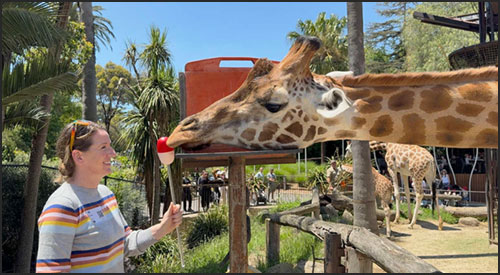
Giraffe male, Khalid taking lettuce from a guest.

“When we’re standing on the ground, and he gets a reward for training, we ask him to lean his big body forward to lower his head to get his treat from our hand,” Kelsey says. “You can see how if your front feet were already tender, leaning forward on one of those front feet would make you feel a little unsure. He told us he didn’t feel confident doing that by slowly taking a step back and looking at us as if to say, ‘I’ll do something else if you want, but I don’t like that one.’”

Rather than pushing through, they invited Khalid to participate in his familiar training routine in a different location known as ‘the chute,’ at the back of the giraffe barn. The chute has a platform, so keepers can get face-to-face with giraffe. The chute also has metal barriers on either side, so keepers are safe up high and down by his giant feet, but Khalid can still exit the training whenever he wants. Two sets of keepers work with Khalid at the chute. Two keepers work on his feet while two are up high on the platform, reinforcing his good behaviors without having to ask him to bend down.

Thanks to this tailored setup for Khalid, he participates in hoof trims more often, which is making his hooves and legs more comfortable. He also receives oral pain and anti-inflammatory medications, delivered on his favorite honey-and-lettuce roll-up.

“I keep joking that he prefers the setup in the chute because he has the full attention of four keepers, instead of just two,” Kelsey says. “He’s a giant sweetheart. Sometimes he asks for face scratches from certain people, and I’m honored to say I’m one of them. He’ll put his giant face into your torso and lean in for a good scratch. It’s the best.”

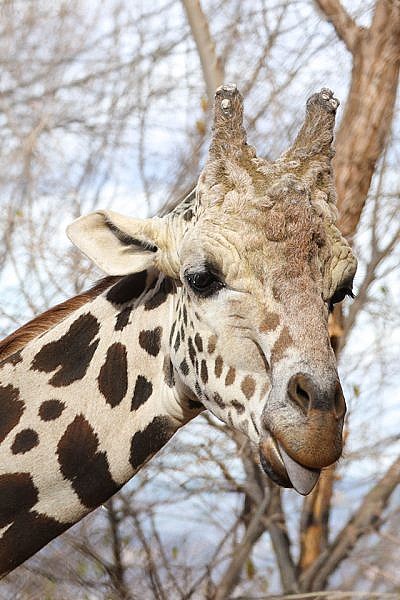
Speaking of faces, Khalid’s is unlike any other at the Zoo. Many visitors ask if Khalid’s face is so bumpy, compared to the rest of the giraffe, because he’s old. But the bumps on Khalid’s face are natural calcium deposits that form as testosterone-producing males reach maturity. The adaptation developed to protect males competing for territory in the wild.

During battle, male giraffe use their heads, and more specifically, they use their ossicones. They swing their heads with incredible force thanks to their long, muscly necks, right into their opponents. To protect their eyes and brains from the offensive impact, they grow thick ‘helmets’ around their ossicones and heads.

In addition to hoof care, medication and a good dose of face scratches from his keepers, Khalid’s care plan includes lots of movement. Although Khalid prefers not to explore the big yard (he’s been offered the chance many times, and consistently chooses not to go into that space), he explores a series of connected spaces and outdoor yards, set up with environmental enrichment that encourages him to take long strides and keep those big legs moving.

Giraffe male, Khalid portrait

One surefire way to get Khalid moving is to invite him anywhere near Bailey, his most recent breeding partner in the herd. Bailey and Khalid are parents to 2-year-old BB, who recently moved to Denver Zoo Conservation Alliance, and 1-year-old Wednesday, who still lives with the herd.

As a breeding bull, Khalid has helped bring seven giraffe calves into the world, also including 5-year-old Viv, who still lives at CMZoo. When calves are born, Khalid quietly observes from another stall. When the opportunity is right, he usually reaches over the stall fence to give his new calf a good sniff, and usually a big lick on the head.

“Khalid is an icon here at the Zoo, and he does so much for his species, both by inspiring countless people to care for giraffe, and by contributing to the population in human care,” Kelsey says. “We’re going to do everything we can to help Khalid step into his golden years with dignity and comfort, because we want him to be able to continue his work in both of those departments.”

Visitors can see Khalid, and hand-feed him lettuce, in the side yard or barn in African Rift Valley. Exciting improvements are underway at CMZoo! This means normal routes to guests’ favorite animals may be different, but visitors can still see all animals at the Zoo! Watch for signs for alternate routes.

Back to The Waterhole

Panya may be one of the smallest-statured giraffe in the CMZoo tower, but since moving to the Zoo in 2019, she has secured her spot as a confident standout in the herd with a lot of independence. She turns seven years old on August 13, and CMZoo partner, Children’s Hospital Colorado, is helping throw a big party to celebrate.

Panya's 7th Birthday Party graphic

Deanna Sinclair, animal keeper in African Rift Valley, says Panya knows what she wants and isn’t afraid to communicate it. She is a good student, and voluntarily participates in blood draws and hoof care, which are important behaviors that allow Panya to be an active participant in her own health care. Blood draw training allows her to provide blood samples that help her care team monitor her health and to contribute to a giraffe calf blood plasma bank, as well as help biologists study giraffe health on a broader scale.

“When we’re training, most giraffe have subtle ‘tells’ that indicate they’re ready to move on to the next activity,” Deanna says. “They might twitch or flap their ears, but Panya will look at us and just calmly walk away, or move her head to the opposite side of a target stick to tell us she’s finished. Which is fine! It’s her choice, and she knows it.”

Part of that confidence must come from knowing her environment and her herdmates well. She’s very aware of her surroundings. During training, there are other giraffe in the barn away from the training stall. In between training behaviors, Panya often takes a moment to check in with the herd, looking around to see what everyone else is up to before returning to the task at hoof.

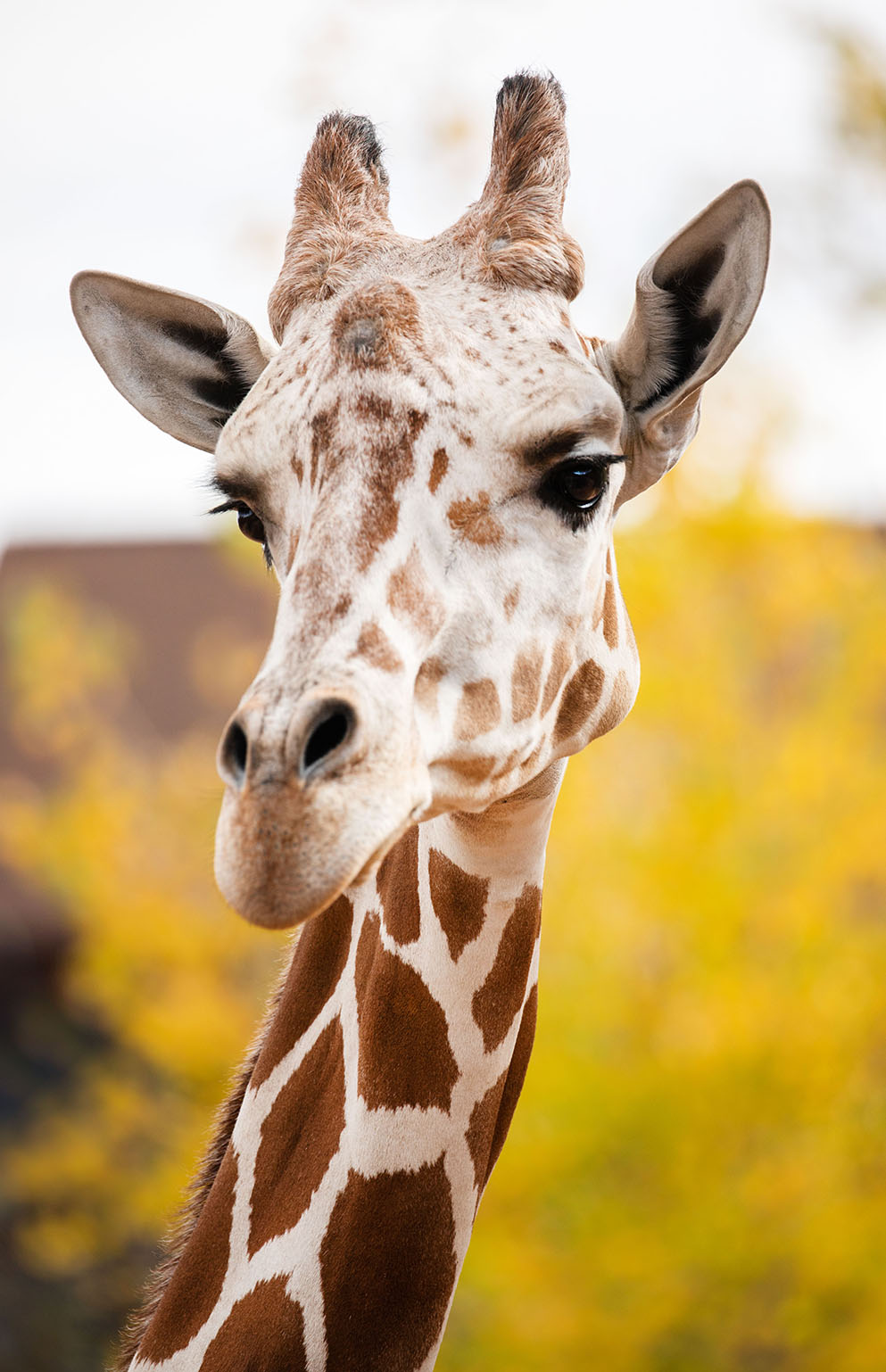
If being a few feet shorter than most of the other giraffe doesn’t make her unique enough, her spot patterns make her easy to pick out in the herd. She’s fluffier than most giraffe her age, and her markings are gorgeous, with one white spot in the middle of each of her brown spots. She has an ash-colored face, and thick ossicones. Giraffe are considered full grown at this age, typically weighing between 1,500 and 2,000 pounds. Panya weighs in around 1,350 pounds. Every giraffe is different, just like people are, and her small stature is part of what makes her unique.

Although confident, Panya doesn’t rush into new enrichment, locations or activities. She needs to experience new things at her own pace, and she will slowly approach and keep investigating thoughtfully.

“She usually chooses to engage in food sources or enrichment items away from other giraffe,” Deanna says. “She seems to like that alone time, but knowing her herd is nearby is important to her, too.”

When she’s not training, exploring or taking lettuce from CMZoo guests, she likes to interact with enrichment in unique ways. Specifically, Panya likes to hit things with her head and kick things with her long legs.

Panya portrait, reticulated giraffe at Cheyenne Mountain Zoo

“She’s very tactile with enrichment,” Deanna says. “She likes to stand over items in the yard and nudge them with her hooves, or stand next to a long hanging string of boomer balls and knock them around with her head. We don’t really see other giraffe do that, but she seems to enjoy it.”

Staff hope she enjoys the birthday cake, made out of grain, fruit and veggies that she’ll be offered on her birthday by a special Children’s Hospital Colorado patient family. Giraffe fans should mark their calendars for Tues., Aug. 13, and get advance e-tickets to join in the festivities. The birthday party will be at the giraffe boardwalk in African Rift Valley from 10 a.m. to noon.

Join in these fun activities from 10 a.m. until noon on Tues., Aug. 13!
— Visit our docent booth with animal biofacts to learn more about the natural world.
— Make Panya a birthday card!
— Visit Children’s Colorado’s photo booth – complete with giraffe photo props!
— Visit Children’s Colorado’s coloring station.
11 a.m. — Enjoy a giraffe keeper talk on the giraffe boardwalk.
11:30 a.m. — Sing happy birthday and watch special guests from Children’s Colorado give a birthday treat to Panya.

While all the activities are free, advance Zoo tickets are required for members and the general public.
Get Tickets.

Back to The Waterhole

Celebrate World Giraffe Day with us, June 21, 2024!
On the longest day of the year, Cheyenne Mountain Zoo will celebrate the longest-necked animal: the giraffe! On Fri., June 21, giraffe keepers and staff from the International Center for the Care and Conservation of Giraffe (The Giraffe Center) are throwing a daylong event to commemorate World Giraffe Day.

“This is our way of thanking our community for their dedication to our herd, our Zoo and our conservation partners all year long,” says Diana Miller, giraffe specialist at The Giraffe Center. “We have a ton of inspiring activities planned!”

There will be many giraffe-themed activities along the giraffe plaza and the giraffe boardwalk, where guests can learn about CMZoo’s giraffe herd and take direct steps to save wild giraffe. From 9 a.m. to 2 p.m., several giraffe-themed activities are free for anyone with a ticket to the Zoo. Guests who want to participate in the giraffe fan parade should be sure to get a ticket for 10 a.m. or earlier. A full schedule of events is available at https://www.cmzoo.org/world-giraffe-day/.

Watch for signs on how to navigate through African Rift Valley as we embark on our exciting giraffe habitat improvements, scheduled to start in mid-June. Learn more about the giraffe herd’s future home and consider supporting it here: cmzoo.org/giraffeproject

By visiting the Zoo, guests and members can help save giraffe on World Giraffe Day and every day. Through CMZoo’s Quarters for Conservation (Q4C) program, every admission to the Zoo raises 75¢ for conservation. Since 2008, guests and members have raised more than $5 million for frontline conservation partners and projects around the world.

Wild giraffe - Photo credit: Musiime Muramura, Uganda Wildlife Authority
Photo credit: Musiime Muramura, Uganda Wildlife Authority

Giraffe are one of CMZoo’s legacy Q4C projects, so an easy way to support giraffe conservation is to simply visit the Zoo. Specifically, CMZoo visitors are supporting Giraffe Conservation Foundation (GCF) and their important work studying and protecting wild giraffe, growing populations, advocating government protections and policies for giraffe, and educating and empowering communities who live near wild giraffe.

“In the past year, members’ and guests’ Q4C funds supported additional anti-poaching efforts by funding a new GCF veterinary vehicle to respond to snaring and poaching,” says Diana. “We still have a long way to go, but it’s working, too. With this support, the latest surveys show that the population of wild giraffe is increasing steadily.”

With Q4C support, GCF continues to monitor giraffe populations in Uganda, in partnership with the Uganda Wildlife Authority. Recent surveys indicate that all four populations of giraffe in Uganda are increasing in number, with seven new calves reported in Lake Mburo National Park, seven calves in Pian Upe Wildlife Reserve, thirteen calves in Kidepo Valley National Park, and four hundred calves in Murchison Falls National Park.

“I keep having to tell people that’s not a typo,” Diana says. “There really are four hundred calves documented in the population in Murchison Falls National Park. That population is an excellent example of what can happen when all of the delicate conservation puzzle pieces fit together well.”

In addition to fieldwork and local communities’ buy-in to coexisting with giraffe, an important piece of the conservation puzzle is public support and funding. Zoos play a vital role by inspiring people all over the world to care for wildlife and wild places – and with programs like Q4C, zoos can connect funding from inspired people to frontline organizations who can make the impact.

International Center for Care and Conservation of Giraffe workshop in Giraffe Barn at Cheyenne Mountain Zoo

“Nobody helps guests fall in love with giraffe as well as our herd can,” Diana says. “From confident Tumbili to curious Wednesday, sassy Azmera and wise Mahali, the giraffe at CMZoo have inspired countless people to care for their wild counterparts. They have the most important jobs here at the Zoo, and our job is to take good care of them.”

CMZoo’s herd receives top-of-the-line care with hoof care and husbandry training programs that continue to lead the profession. After more than a decade sharing methods with other giraffe care teams, CMZoo established The Giraffe Center to serve as a resource for all giraffe care professionals. The Giraffe Center offers in-person and online husbandry and hoof care trainings, as well as customized consultations for giraffe care teams all over the world.

“We love traveling to other facilities to see how they do things, brainstorm problem solving with them, share what works for us and discuss what we’ve learned from other organizations,” says Amy Schilz, senior animal behaviorist at The Giraffe Center. “But, there’s nothing like being with your home herd. Our giraffe are such rockstars at training, so our annual workshops here at CMZoo are a lot of fun.”

At the end of May, The Giraffe Center hosted another giraffe behavior workshop at CMZoo with Behavior Works. The behavior workshop is a continuation from the introductory giraffe care workshop. At the behavior workshop, Amy and The Giraffe Center team help giraffe care professionals build upon the fundamental teachings they learn from the intro giraffe care workshop by getting hands-on with members of the CMZoo herd.

Giraffe mingling at Cheyenne Mountain Zoo

“CMZoo’s investment in The Giraffe Center has been fulfilling because we know we’re making giraffes’ lives better,” Amy says. “Seeing our workshop attendees work with our giraffe to learn how it should look to trim a hoof, and then hearing about their giraffe’s improved mobility at home after they’ve applied what they learn is so rewarding.”

The network and collaboration between giraffe organizations goes both ways. Amy and Diana have been instrumental in the design of the new barn that will soon stand tall in African Rift Valley at CMZoo. The team has traveled internationally to share best practices of giraffe care and to observe how others’ facilities and environments can best support a herd.

“We’re focused on environmental enrichment for all of our animals at the Zoo,” says Amy. “With a brand-new giraffe barn coming to CMZoo soon, we’re going to be able to fine-tune building and yard features that we’ve seen work elsewhere as we build this environment from the ground up. It’s happening soon, and we’re really excited to help it come together.”

The 10,000-square-foot giraffe barn’s design is in final considerations. Guests and members should expect to see changes to African Rift Valley start soon, and continue for the next few years as The Giraffe Center takes shape.

Back to The Waterhole