Colorado’s wildlife and wild places draw millions of visitors to our state every year. We often talk about how to visit Colorado responsibly and how to stay bear aware while exploring the great outdoors. Wild native black bears roam throughout our state, including in many residential and urban settings, so Colorado residents shoulder a lot of the responsibility for keeping bears out of trouble.
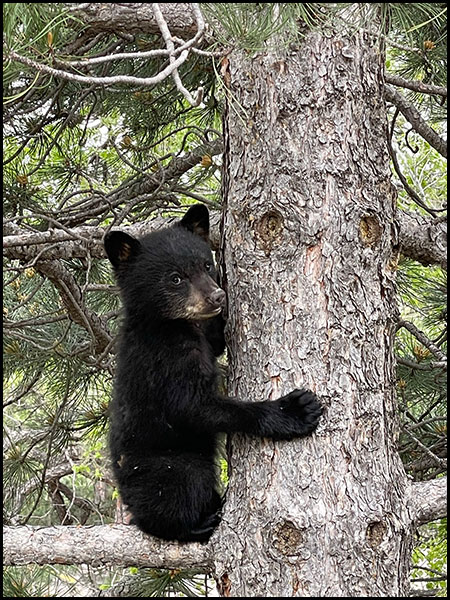
“Our native black bears are super smart, and they are really focused on getting as many calories as possible,” said Courtney Rogers, senior lead keeper in Rocky Mountain Wild. “If they can get food easily, they will – and they won’t understand the long-term consequences. Humans are smart, too, and there are simple things we can do to help bears choose safer, healthier foods.

Every year, Colorado black bears are displaced or euthanized when their foraging leads them to situations that are dangerous for bears and humans. If Colorado Springs residents make an effort to help our local wildlife, we can reduce the number of bear deaths caused by humans.”

Bears’ sense of smell is thought to be the most exceptional in the animal kingdom. A bear’s olfactory bulb – the section of the brain that processes smells – is at least five times bigger than a human’s. A bear’s big nose sets the species apart because all of that room means they have more space for olfactory receptors. Bears have millions of olfactory receptors, more than any other land animal. A bear’s nasal cavity, structured like a honeycomb, is lined with hundreds of muscles to help angle their nostrils in the perfect direction for tracking. They also have a Jacobson’s organ on the roof of their mouth that aids in odor detection.

All of those adaptations combine to give bears a (literally) superhuman sense of smell, thought to be more than 2,000 times more powerful than humans’. Many bear experts have seen proof that black bears can smell odors up to 5 miles away, if the wind is right.

Rogers encourages Colorado residents to refresh their bear-smart daily routines every spring and fall – when bears are most actively searching for food. As fall approaches, bears will soon be entering a cyclical stage called hyperphasia. They know winter is around the corner. They also know they’ll soon have fewer food options. They need to plump up now to live off of their stored fat for the months ahead.

Black bears dine naturally on berries, plants, insects and occasionally on small rodents. But, they can also develop a taste for leftovers. Basically, a bear will follow a yummy smell anywhere. To help bears resist the instinct to roam into dangerous territory, we need to reduce smells that attract bears.

“Bear” the responsibility. Assume you live near bears if you live in Colorado Springs. Many human-bear conflicts occur because people didn’t know they were in bear country, and how to act accordingly. Even east of Interstate 25, bears have been seen roaming in parks and neighborhoods. If you follow these simple steps, you can assume that you haven’t seen a bear in your neighborhood because you’ve been doing a great job helping them avoid the area.

Clean that ‘cue! We’re in the thick of backyard barbecue season, and humans aren’t the only ones who think those cheeseburgers smell delicious. Many a beautiful barbecue has been destroyed by tempted black bears. Do yourself and the bears a favor after cooking outdoors and clean your grill before you go to bed. Use a wire brush to remove food remnants, clean greasy surfaces and trash the grease-catching tin in a bear-safe receptacle.

Bye-bye bird seed. We love native songbirds, hummingbirds and woodpeckers as much as the next nature enthusiast, but bears love birdseed and hummingbird nectar. Offer seed to feathered friends in the morning, but bring those bird feeders in at night. Bears likely won’t approach a busy daytime backyard for birdseed, but they’ll certainly sneak in during the quiet after-hours for a tasty treat.
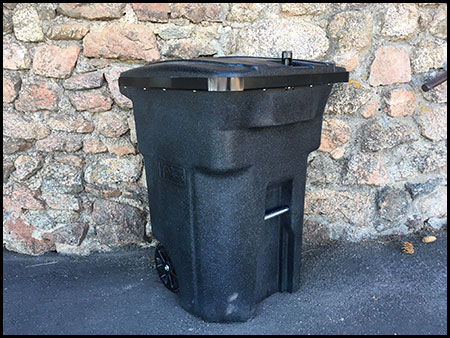
Become a guardian of the garbage. West of Interstate 25, residents are required by law to bring their trash receptacles in at night, or to purchase bear-resistant trash cans. Trash cannot be brought out to the curb until the morning of your scheduled pickup. If you share an apartment dumpster, or access a dumpster where you work, make sure the bear bar is in place when you’re finished (bonus points for bear advocates who make sure others replace the bear bar, too!). If your garbage receptacle smells foul to you, it smells yummy to a bear. Clean your trash receptacles and clean up debris near dumpsters.

Be a bear-friendly backyard farmer. Residential chickens and honeybees are becoming increasingly popular. Can you guess who loves chicken feed and fresh honey? That’s right! Our native black bears. You can still enjoy that mini homestead lifestyle in bear country, with a few extra precautions. Many backyard farmers add effective bear-proof fencing or hotwire around their hives and coops. Your local wildlife agency can also help with other bear hazing techniques. Even if they smell the honey or chicken feed, they will likely move on once they recognize this is no easy treat.

Be a good neighbor. A bear in the ‘burbs won’t necessarily approach human spaces. Many suburban and urban areas have connected open spaces where neighbors adhere to these bear-smart tactics, and nearby bears find plenty of natural bear food. So, if you see a bear taking a walk near your home, be a good neighbor, keep your distance and admire them from afar.

“It’s up to us to save our local bears. It’s truly magical to encounter wildlife as often as we do in Colorado Springs, and with your help, we can all continue to enjoy that,” said Rogers. “It’s pretty simple: if you want to enjoy the benefits of living in bear country, you need to feel accountable for keeping them safe.”
Back to The Waterhole


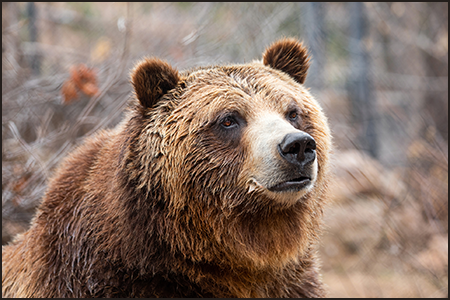
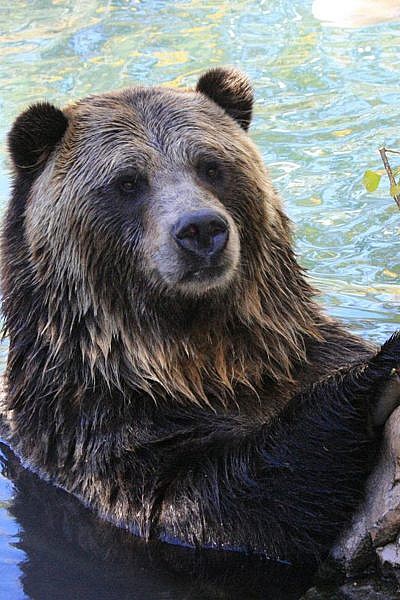
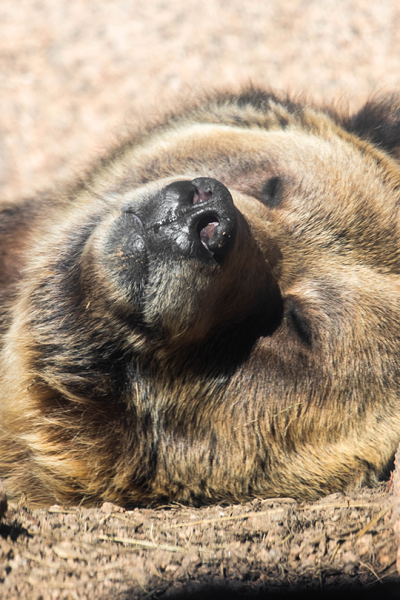
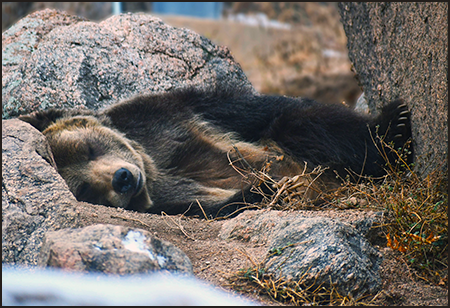
It’s officially winter, when many people wonder if Emmett and Digger, CMZoo’s grizzly bears, go into hibernation. The short answer is no, but it’s a more complicated topic than some might expect. Scientists continue to study seasonal animal dormancy and are finding that animals experience a wide spectrum of behavioral and physiological changes in the winter months.

Various states of dormancy, including torpor or hibernation, are caused by seasonal changes including less sunlight, lower ambient temperatures and reduced food availability in the wild. But, animals in human care can also experience seasonal changes, even though they have plenty of food and shelter available. When animals go into these dormant states, their body temperatures, heart rates, metabolisms and respiratory rates are reduced. Generally, they slow down.

“Although bears have become the poster children of hibernation in popular culture, bear experts maintain that not all bears hibernate,” said Kelsey Walker, Rocky Mountain Wild keeper. “Wild bears naturally slow down to conserve energy, since they don’t have regular access to food. Even with consistent access to food, our boys experience changes each winter, so dormancy could be an adaptation developed over generations of bears surviving in the wild, and it has to do with more than food availability. Like I said, it’s complicated.”

Emmett and Digger sleep more and eat less during the winter months, even though they have access to warm dens and plentiful food year-round. Still, they stay pretty active during the winter, and continue training with their keepers and exploring their multi-yard exhibit and pond.

“In the winter, they will still interact with us, but they expect higher rewards for participation,” said Courtney Rogers, lead keeper in Rocky Mountain Wild. “What seems like a tasty snack during the summer isn’t worth the effort in the winter. I’ve seen Emmett and Digger square up over a single blueberry in the summer. In the winter, we can toss them a whole fresh trout and if it doesn’t land in their mouths, they don’t want it right away.”

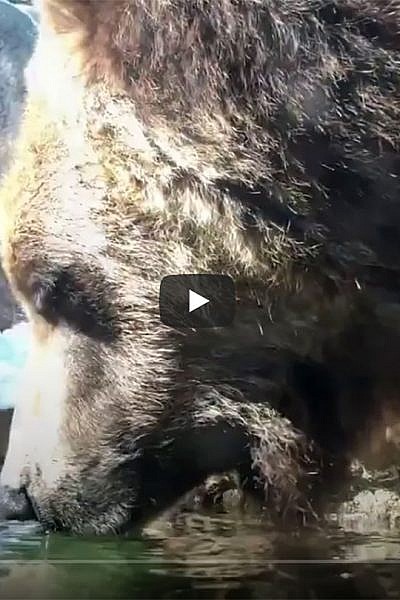
Keepers say Emmett and Digger still play-wrestle, splash in their pond, and train in the winter months, but in a less energetic way. To maintain a good relationship while their normal food rewards aren’t as interesting to the grizzles, the keepers give them extra-rewarding items, like salmon.

“We want to make sure they’re still mentally stimulated while their bodies are in a more restful state, so we give the bears opportunities for mental stimulation, through training and enrichment options, while their bodies rest,” said Walker. “If you’ve seen them in the summer, you’ve got to come out and watch them in the winter. Although they slow down a bit, they’re as captivating as ever and guests can see them snuggling together, training with us or investigating enrichment items all winter long.”

Back to The Waterhole
 

Spring is here! As many Coloradoans start exploring our beautiful wild places, it’s important to help our curious native black bears stay safe, by helping them avoid human-wildlife conflicts.

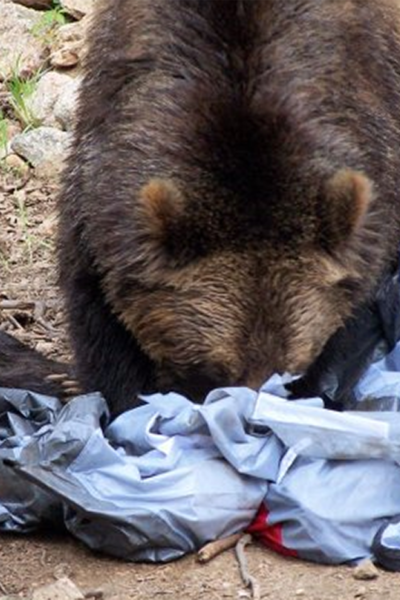
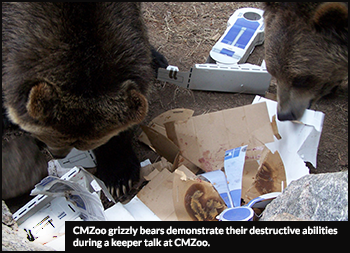
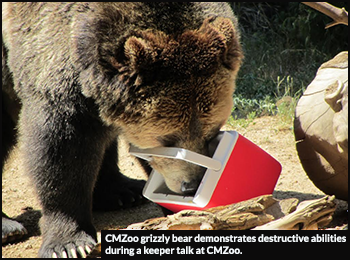
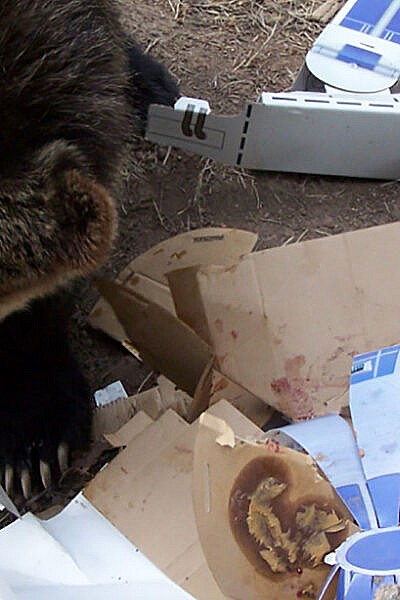
Although grizzly bears aren’t found in the wild in Colorado, our CMZoo grizzlies are here to help you learn how to keep our native black bears safe. Rocky Mountain Wild keeper, Kelsey, provides campsite safety tips while Emmett and Digger explore a campsite full of examples of how NOT to camp – and prove why Kelsey’s advice is important to follow.

Help do your part to keep curious wild bears safe by practicing these campsite safety tips:

  1. Keep campsite food smells to a minimum.
  2. Use bear-safe food storage and toiletries containers.
  3. Don’t store food or toiletries in your tent with you.
  4. Keep a clean campsite. When you leave your campsite to explore, make sure you’re not tempting a curious bear with food, trash or other interesting smells.

Back to The Waterhole


Join Digger and Emmett, CMZoo’s two 15-year-old male grizzly bears, and Rocky Mountain Wild Keepers, Sarah and Kristen, to get up close with the bears and learn about hibernation and torpor. Cooler temperatures mean the boys are preparing for winter, when they go into a slight stage of torpor and generally slow down a bit.

Their keepers say the seasonal change doesn’t impact Digger and Emmett as much as it affects their wild relatives, because our boys have year-round access to food sources.

American black bears in Colorado will start coming out of hibernation soon, and they’ll be hungry after a winter in the den. Although we don’t have any native species of black bears at Cheyenne Mountain Zoo, we’re advocates for doing all we can to keep wild animals wild. No matter the species, it’s never a good idea to feed a wild animal – on purpose or by accident. In some cases, feeding wildlife is illegal.

Early risers can make a difference and save bear lives. When it’s trash day, put trash out the morning of pick-up. We have bear-safe trash receptacles throughout the Zoo, and similar models are available for residential properties. If you don’t want to invest in a bear-safe trash receptacle, keeping your trash cans in a garage or shed is a good option to help keep bears out of trouble. Bears think garbage smells amazing and if they can get into it, they will.

“With five toes on each paw, bears are incredibly dexterous,” said Rebecca Zwicker, Rocky Mountain Wild animal manager. “Over time, they learn how to use their dexterity to open doors and containers, so it’s up to us to stay one step ahead of them.”

Bears also love birdfeeders. They love sunflower seeds and other seeds, and especially love hummingbird food. When a bear eats from a birdfeeder, it’s probably going to destroy that bird feeder and eat all of the food you bought for the birds. Also, once they find a food source, they’ll often come back to that area, which creates a potential for surprise visits in your backyard. Take bird feeders down at night when bears are most active, or just hang bird feeders in the winter, when the bears are asleep and the birds are really searching for food.

Black bears can smell a meal from up to 20 miles away. Once they smell and find a campsite, they’ll start searching for food. When you’re camping, keep food outside of your tent, so you’re not inviting bears to investigate your sleeping quarters. Keep food locked in a bear-safe container or hang your food from a rope, high off the ground and away from something a bear could climb. Bears are attracted to things like s’mores and meat, but also toothpaste and coffee. If it smells interesting, a bear wants to check it out.

“Bears are intelligent, and they have really great memories,” said Zwicker. “Once they’ve found a source of something yummy, you can bet they’ll be back for more.”

Once a bear comes into human spaces, they’re given the term ‘nuisance bear.’ They’re tracked and usually only get a few ‘strikes’ before they have to be killed, or in some rare cases relocated. That’s why it’s so important that we help prevent opportunities for them to become a nuisance.

“Seeing a bear in the wild is magical,” said Zwicker. “Their presence is part of what makes Colorado so special, but it’s up to us humans to protect these curious creatures from themselves. If you can follow these simple tips, you could save a bear’s life.”

Back to The Waterhole


In humans, physical activity not only benefits physical health but mental health as well. At Cheyenne Mountain Zoo, the training and enrichment the animals can choose to participate in are also beneficial.

Research has shown that kids who have moderate physical activity in their day show increased attention, comprehension and learning ability, as our sponsor, Children’s Hospital Colorado explains in this article. The same is true for animals, which is why CMZoo keepers and trainers make daily enrichment and training a priority for the animals in their care, all with positive reinforcement.

“When we provide specific opportunities for animals to be physically active, we often see their overall activity level increase, even outside of the opportunities that we are providing,” said Rick Hester, Cheyenne Mountain Zoo animal behavior programs manager.

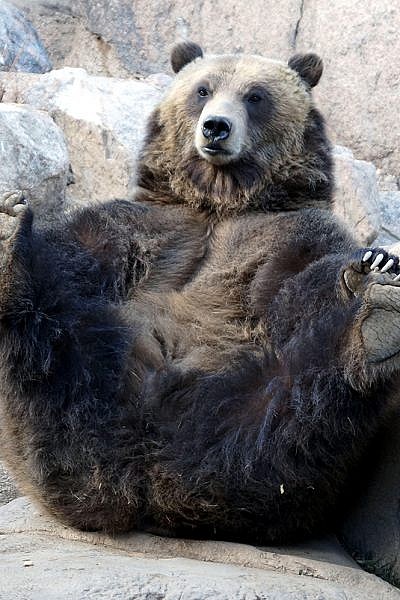
Emmett, CMZoo grizzly bear, consistently did a stretch on his own during interactions with keepers, which bears in the wild sometimes do.

“Emmett would sit down and hold his back legs with his front paws,” said Rebecca Zwicker, Rocky Mountain Wild animal care manager. “We saw him doing it so often that we started to incorporate it into his regular training and demonstrations, so our guests can see those natural behaviors. We call it the ‘yoga bear.’”

Over time, CMZoo grizzly bear, Digger, saw Emmett being rewarded for this behavior, and began imitating it, which his keepers of course rewarded.

Guests can see Emmett and Digger doing “yoga bear,” presenting their teeth for keepers to check and offering different parts of their bodies through a safe barrier, where keepers can perform health assessments and decide whether the bears might need veterinary care.

“Most of us know when our dog is excited to head out on a walk in the park, or is nervous about walking into the vet clinic,” said Hester. “Our animal keepers work hard to build trusting relationships with the animals in their care, so they also pick up on those insights from the animals.”

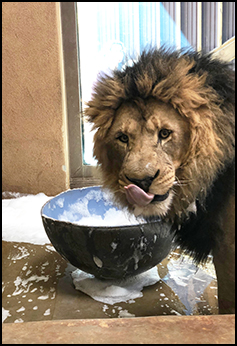
The African lion pride recently showed their keepers that a new and unusual enrichment activity got their approval, says African Rift Valley Keeper, Diana Miller, who has worked with the lions for six years.

“The lions absolutely love bubble baths, and we didn’t realize that until this year,” Miller said. “It surprised us, because we know they don’t usually like getting in the water. But, because we recognize their behaviors, we realized pretty quickly that it was different when bubbles were involved. They absolutely love it. We know they love it, because they play enthusiastically for a long time whenever when we offer them the bubble bath enrichment, and it’s really fun for guests to see.”

For a full schedule of demonstrations and training sessions, visit www.cmzoo.org/shows.

    Once in a lifetime Opportunities

    Select your unique experience from the following options:

    • Meet & Greets – unique animal interactions year-round, with any one of our smaller animals listed below.
    • Animal Encounters – connect with amazing animals and their Keepers, plus options to feed many of the animals listed.
    • V.I.P. Tours – behind-the-scenes exclusive animal experiences that make memories for a lifetime!

    Encounters

    Opportunities to connect with amazing animals and their Keepers and a chance to feed any one of the animals below.
    Note: All Encounters do not have any age restrictions unless otherwise noted, however children under 12 years of age must be accompanied by an adult.

Cost:

Tour prices are dependent upon the season.
Member discount: $50 off total tour cost. Group must have at least one active Zoo member on the tour to receive discount.

Summer ( May – August ) : $2,250 for up to (5) five people
Fall ( September – November ) : $2,000 for up to (5) five people
Winter ( December – February ) : $1,750 for up to (5) five people
Spring ( March – April ) : $2,000 for up to (5) five people