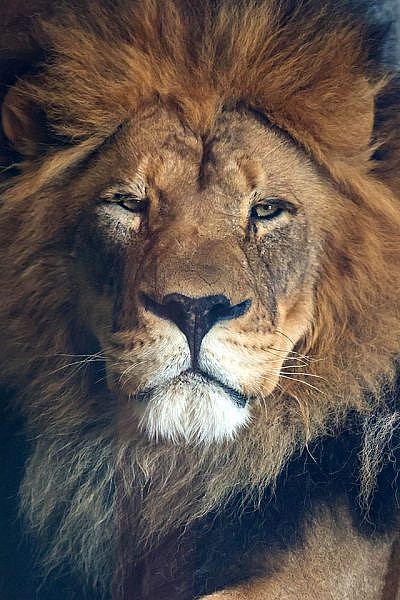
Written by Savannah Woods, African lion keeper

I have worked full-time at Cheyenne Mountain Zoo for about three years, and I currently work in the Rocky Mountain Wild, Asian Highlands and African lion areas of the Zoo. I always knew I wanted to be a Zookeeper when I grew up, and visiting our Zoo as a kid definitely reinforced that idea! One of the many species (and my favorite species) that I work with are the African lions. There’s one lion in particular that has made a lifelong impact on me: Abuto.
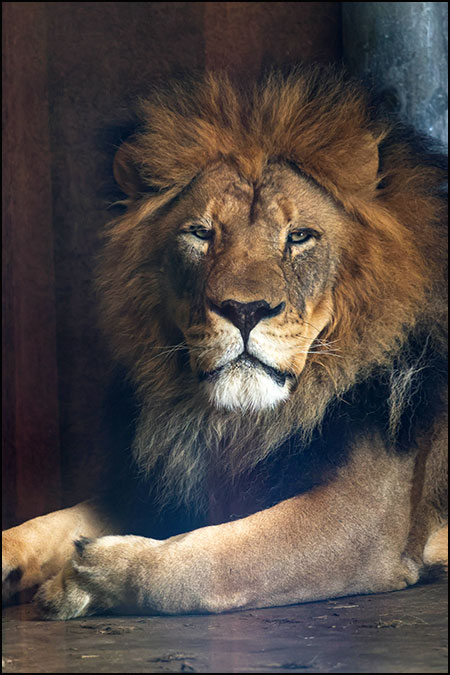
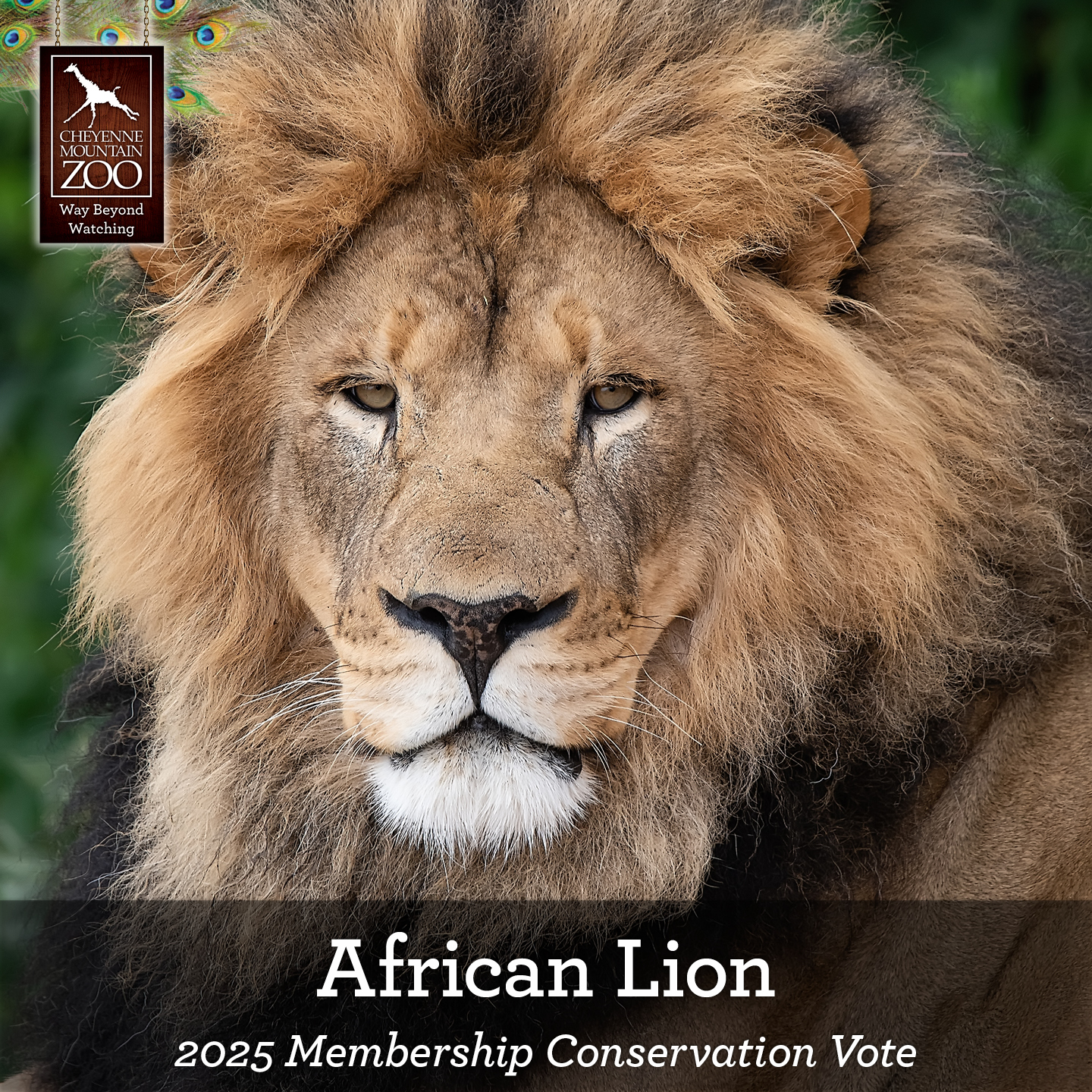
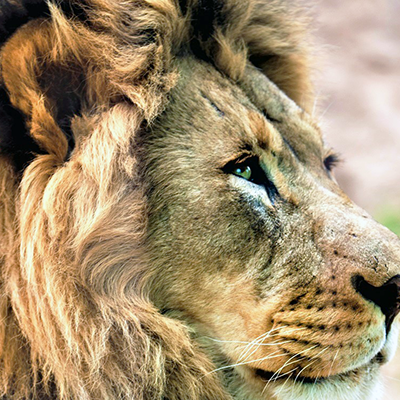
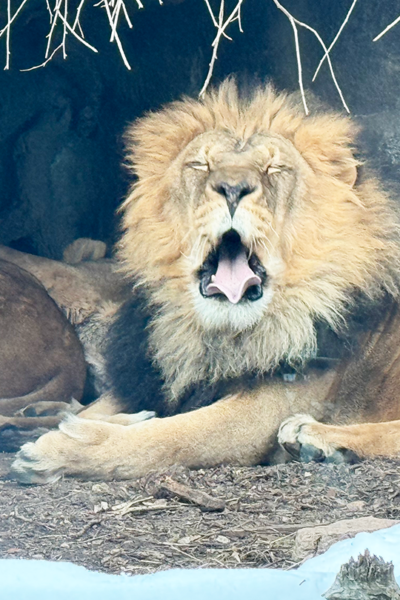
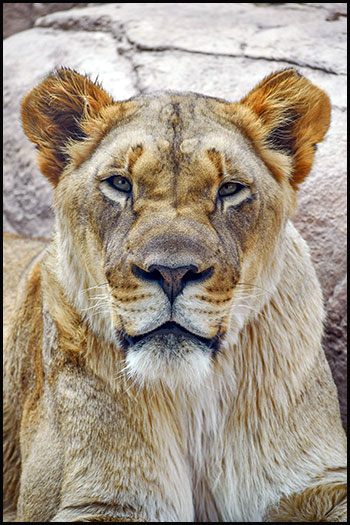
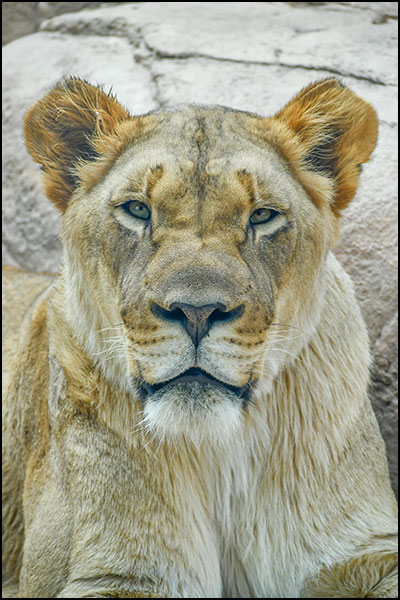
Abuto, male African lion portrait

Abuto means a lot to me. I remember visiting as a guest when he first arrived at CMZoo, in 2013, and watching him grow into the very handsome and dignified patriarch he is now. He was one of the first animals I trained with. He has taught me a lot. Abuto is patient and has a great communication system set up so he can easily communicate, “yes, I am ready to train.” or “no, I am not ready” by exhibiting different behaviors.

If he’s ready to train, he’s still, calm and focused. We look for subtle movements, like an ear or tail twitch, that tell us we need to adjust his environment to make him more comfortable – which we happily do! This communication system sets the trainer and him up for success, so you get early wins that build your confidence and a positive relationship with him.

His training is important because it allows us to care for him. Abuto, like many older felines, has kidney disease. We do voluntary blood draws and blood pressure readings on his tail once a month to monitor his kidney levels and other levels and other health factors.

Just like with all of his training, he is in control and gets to make choices. He always has the ability to leave or choose not to participate. For his blood draw behavior, we support him with two trainers. He goes into the training space (we never share space with the big cats for our safety and theirs), where one trainer positions themselves near his head for feeding and communication with Abuto. The other trainer positions at his rear and helps our veterinary team draw the blood from a large vein in his tail. He has a very thick tail. My finger and thumb just barely fit around it when I gently hold it still it for a blood draw! Even though he is 14 years old and dealing with kidney disease, we have been able to prevent it from progressing with diet and medications, and he seems to be doing great.
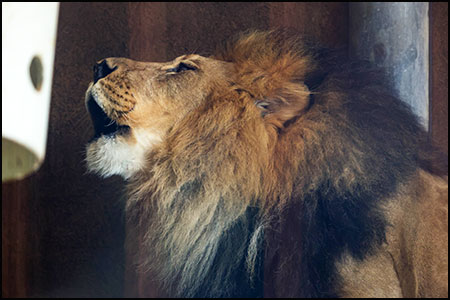
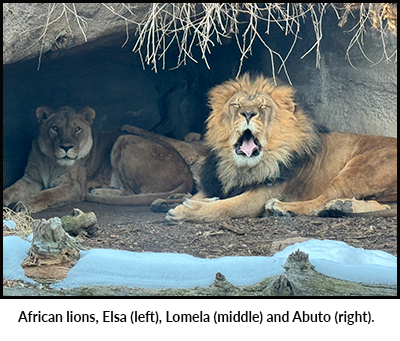
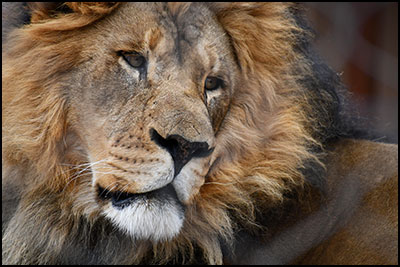
Abuto, male African lion portrait

I have worked with Abuto my whole time at CMZoo, and he really is full of personality. One of my favorite things he does is a ‘stalking’ behavior. When you ask him to come inside for his medication meatball, he will stand behind a wall and very slowly move his head into the doorframe until about half his face is visible. Then, he stands there and stares at you, acting invisible, until he sees that you have a meatball and then he will slowly stalk about five steps up to you, still acting invisible despite being in the middle of the room, and then he quickly runs up to lie down and get his meatball.

Something else that makes Abuto so easy to love is that most of the time while you’re training him, he gets a very serious and focused look on his face and makes very intense eye contact. He is completely ‘locked in’ when we’re training, and he is really smart.

This look is most prominent when we are doing CAB (calm attentive behavior), or his blood draw behavior, but if you ask him to show you his paws or stand up (both important behaviors to gauge his health) he lets his mouth hang open. He also likes to try to catch meatballs we drop down the feed chute with his front paws, and although he rarely catches them, I love that he tries every time.

He is very active in his own health care, and with the two female lions, Lomela and Elsa. He’s a particularly fun dad with Elsa, his daughter. They are very playful together, and often cuddle up for naps.

He loves engaging with enrichment items. He recently found a new favorite: a blue ball that he carries around the yard for a while before putting it in a safe spot and moving on with his day. Just like when he was much younger, he is still our ‘toy tester.’ When we get a new enrichment item, we give it to Abuto first because his technique for solving puzzle feeders is to use all his incredible strength and smack it around until he breaks it or food comes out. Our lions get what we call ‘stinky stuff’ multiple times a week, which encourages their important natural behavior of scent masking (rolling in the scent to mask their natural predator smell). These stinky smells range from nicer things like perfume, all the way to pungent elephant poop. For Abuto, the stinkier the better, with the exception of his favorite spice: cumin.

Abuto is a fantastic ambassador for his species, and just by being his wonderful self, he helps us educate people about lions. When he’s interacting with enrichment, we can talk about all the physical adaptions lions have to hunt and what they eat. If he’s rolling in stinky stuff we have provided for him, we can talk about scent masking, and when he’s sleeping, we talk about how lions sleep 18 to 20 hours per day. When people see him up close, we hope they feel connected to him, like we do.
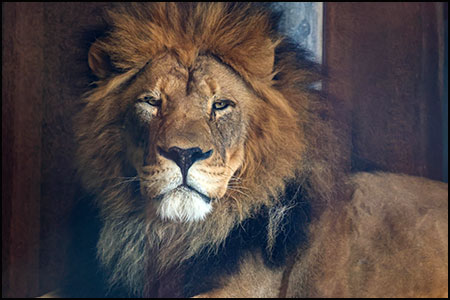
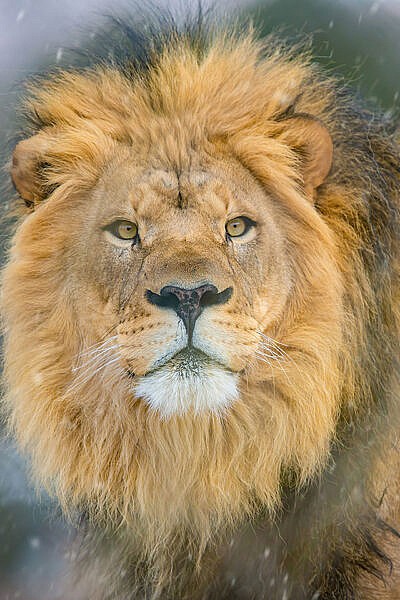
Abuto, male African lion portrait

We also point out his nose and whisker pattern to talk about how our conservation partners at Ewaso Lions, in Kenya, use nose and whisker patterns to identify the wild lions that they watch over. Then, we get to tell people about the rest of the amazing work they do, like the Lions Kids Camp and Mama Simbas, which are both projects CMZoo Members have voted to support in the past, through the annual Members-Only Conservation Vote each spring!

We hope the next time they see a lion on television or social media, they’ll think about their experience with Abuto, and they will have a deeper connection with lions as a species.

World Lion Day is Sun., Aug. 10 (the best day ever!) and we are celebrating the African lions from 10 a.m. to 2 p.m. in African Rift Valley. Come visit Abuto, learn about lions in Africa, and get to know Abuto, Elsa, Lomela, and Aslan, at CMZoo!


World Lion Day at Cheyenne Mountain Zoo
On Sun., Aug. 10 from 10 a.m. to 2 p.m., guests are invited to participate in special lion-themed activities in African Rift Valley.

CMZoo docents will be running booths around the lion viewing areas, including:
– a photo booth
– African lion biofacts
– coloring pages and lion conservation information
– a matching game featuring the CMZoo pride!

Advance tickets are required. If your favorite time to visit CMZoo is sold out, take advantage of the Zoo’s rideshare tickets! Take an Uber, Lyft or taxi to the Zoo with your rideshare tickets, skip the parking and arrive any time. Rideshare tickets are always available at cmzoo.org/rideshare.
Back to The Waterhole

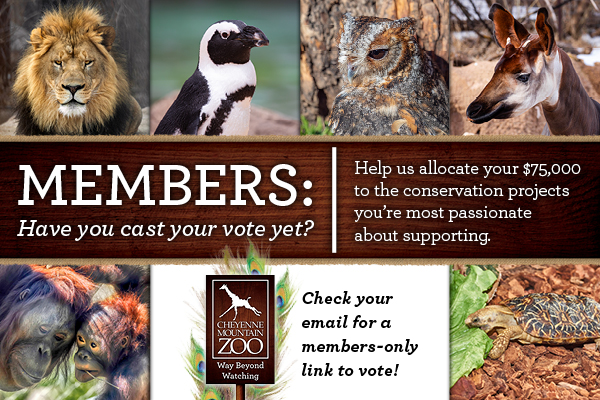
Last month, Cheyenne Mountain Zoo members cast their votes to help the Zoo decide how to spend $75,000 of member conservation funds among staff-championed conservation projects vying for members’ support. The three projects with the most votes received the full funding they requested.

Every membership and every visit to the Zoo is conservation in action. From 2015 to 2025, the program has provided $825,000 of membership revenue to support field conservation worldwide.

“Our members make a big impact for wildlife and wild places,” Ashley Cioppa, CMZoo membership manager, says. “Our members’ annual investment in their Zoo memberships directly supports animals here in Colorado and all around the world. Plus, they give our staff the opportunity to reach more niche organizations and projects that support their conservation passions. Thank you, members!”

Each year, CMZoo membership revenue contributes a total of $100,000 to conservation in two ways:

  • $25,000 to the Quarters for Conservation program, which in total contributes a million dollars on average every 18 months to CMZoo’s legacy conservation partners.
  • $75,000 to projects voted for by CMZoo members through this annual vote.

This year’s Members-Only Conservation Vote top-ranked projects to fully fund are:

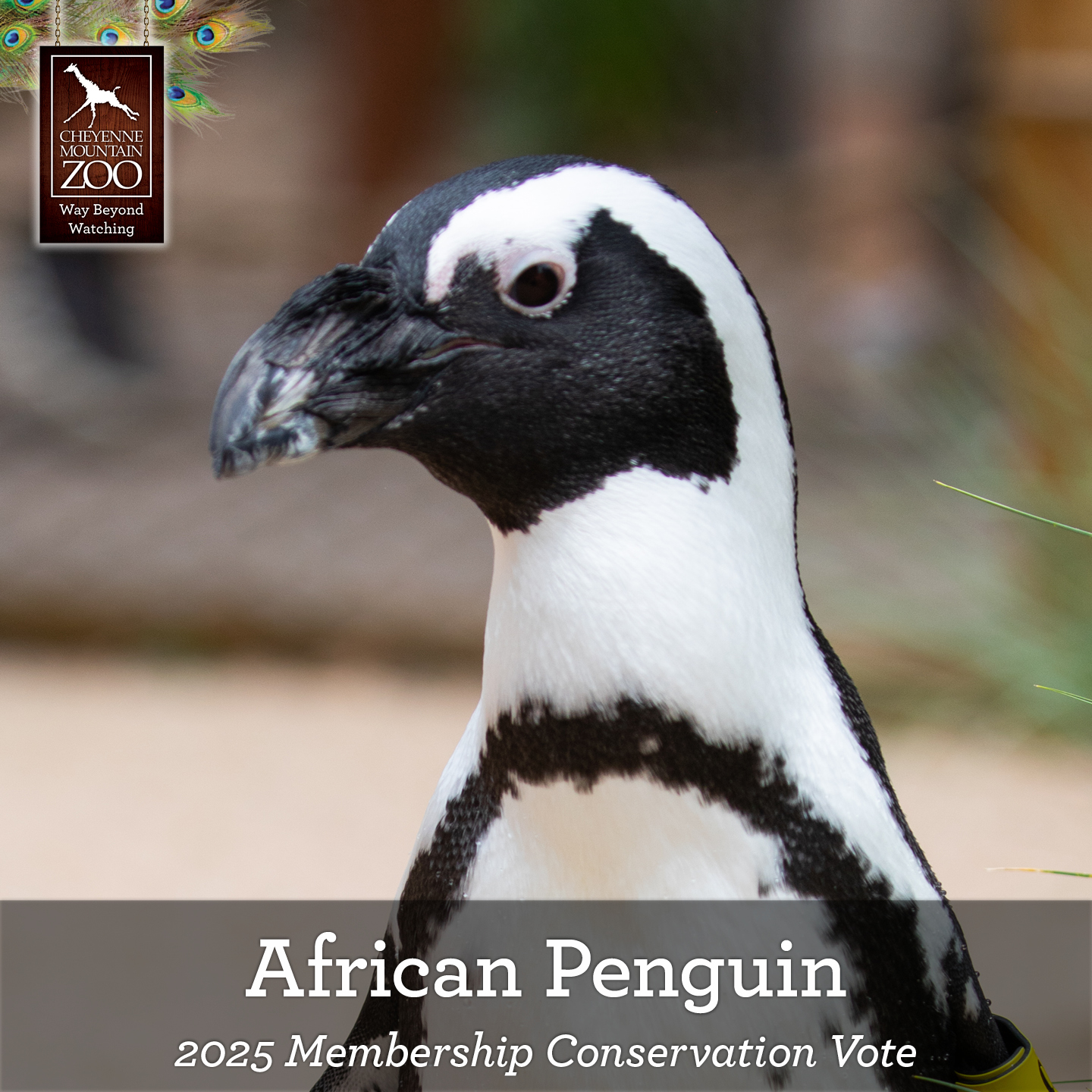
1) FOSTER, RAISE, AND RELEASE AFRICAN PENGUINS – $38,271
Member funding will provide an incubator, veterinary care and rehabilitation support for wild African penguin chicks and adults. African penguins, found mainly in South Africa and Namibia, face significant threats from overfishing, oil spills and disease outbreaks. As a result, penguin parents are abandoning their chicks due to lack of food and other weather-related factors. The Southern African Foundation for the Conservation of Coastal Birds (SANCCOB )will use these funds to rescue abandoned penguin eggs, chicks and adults needing intervention and rehabilitation at their South Africa facility. The goal is to release as many rescued penguins as possible back into the wild to bolster the rapidly declining African penguin population.


2) SUPPORT LEADERSHIP TRAINING FOR KENYAN WOMEN CONSERVATIONISTS AND RESTORE HABITAT FOR AFRICAN LIONS – $17,000
Support will empower Samburu (a region in Northern Kenya) women to improve their community’s livelihoods and help protect lions. Ewaso Lions implements several programs to help protect lions. One of these programs is The Mama Simbas (which means “Mothers of Lions”). The group consists of Samburu women trained to help alleviate human- wildlife conflicts, which typically occur between farmers and predators that may threaten local livestock. Ewaso Lions will use these funds to provide leadership training to the women of The Mama Simbas program. This training will give the women new tools to help shift attitudes towards predators, allowing Kenyan communities to coexist more easily and efficiently with wild carnivores. Funds will also support the restoration of grassland habitat.


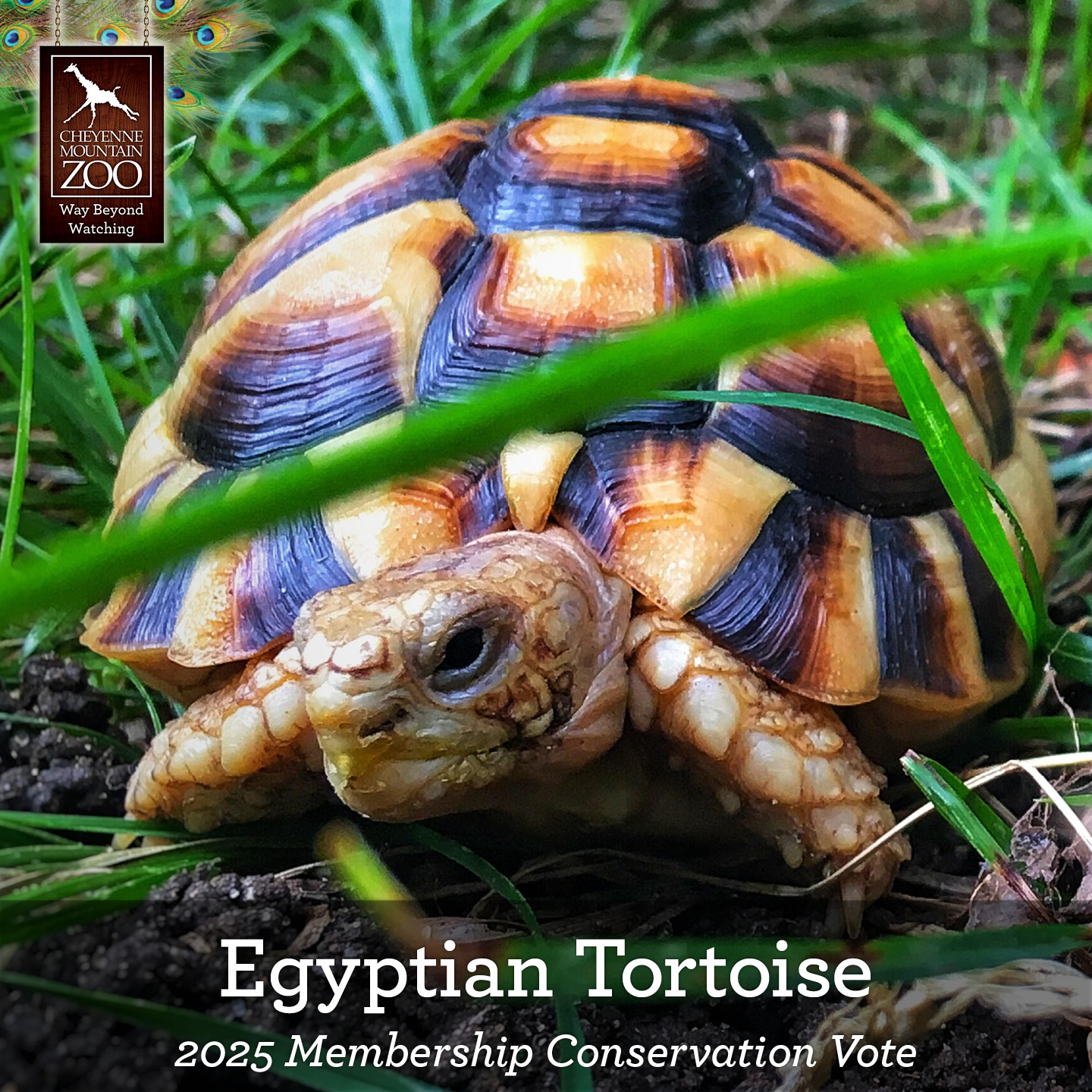
3) PROTECT EGYPTIAN TORTOISES THROUGH COMMUNITY CONSERVATION IN EGYPT- $19,729
Member support will fund local community guards and provide tracking tags to protect Egyptian tortoises. Wild turtles and tortoises are facing a worldwide extinction crisis. The Egyptian tortoise faces severe threats from habitat destruction due to farming and poaching for the pet trade. The Turtle Survival Alliance will use funds to deploy tracking tags to gather data and gain an understanding of how tortoises interact with each other and their environment, as well as population dynamics. Community guards will help address immediate threats to the species by physically protecting the most vital tortoise populations and their habitat.

Each year, Cheyenne Mountain Zoo members vote to help the Zoo decide how $75,000 should be split between staff-championed conservation efforts, in CMZoo’s annual Member Conservation Vote. Of six projects funded in 2024, members decided to continue funding two conservation partners in Kenya:

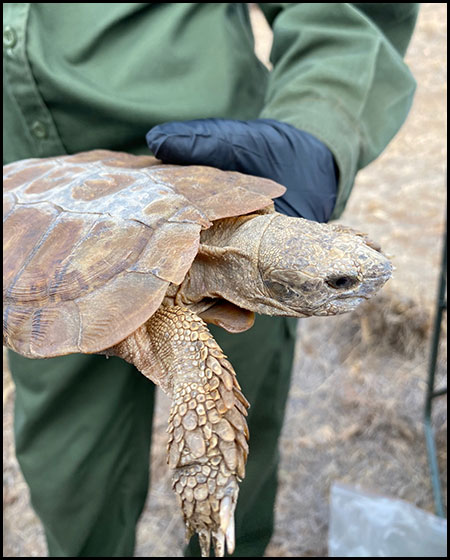
African pancake tortoise held to show size

  • Protect Pancake Tortoises through community conservation in Kenya
    Conduct community awareness training and research to protect critically endangered tortoises and their habitat. Wild turtle and tortoise species are in the midst of a worldwide extinction crisis. The African pancake tortoise faces severe threats, not only from grassland habitat destruction used for farming, but also an additional threat of poaching for the pet trade. In a continued partnership, the Turtle Survival Alliance will protect and develop research strategies for a newly found pancake tortoise population, as well as establish additional awareness for the local communities surrounding this tortoise population.
  • Support kids’ education camps to help protect African lions
    Help protect large carnivores by empowering a new generation in Kenya. Human-wildlife conflicts can occur between farmers and predators, such as lions, that may threaten local livestock. The education programs that Ewaso Lions will implement through this ongoing partnership will help to shift the attitude towards predators and allow Kenyan communities to more easily and efficiently coexist with wild carnivores by reducing the frequency of potential human-wildlife conflicts.

The Member Conservation Vote allows members to choose how to fund conservation efforts, in addition to the efforts they fund through our Quarters for Conservation legacy projects.

“Our Member Conservation Vote projects are typically led by smaller organizations than our Quarters for Conservation projects, and they’re championed here at our Zoo by staff who are passionate about their causes,” Nicole Chaney, CMZoo conservation manager says. “It’s another way our members are connected with frontline conservation. The memberships they purchase directly help save wildlife and wild places.”

African pancake tortoise release into rocky area

The Turtle Survival Alliance and Lewa Wildlife Conservancy have been hard at work reaching out to communities that can help protect pancake tortoises. They have held community awareness meetings across multiple conservancies, successfully engaging local stakeholders in conservation efforts. Training sessions on habitat identification and mapping have empowered 21 conservancy staff, leading to effective data collection and a deeper understanding of the species’ ecological significance.

Additionally, they have established a collaborative framework involving key multi-sectoral stakeholders to support the development of conservancy-based species management plans aligned with national and international conservation goals. Stakeholder forums have also laid the groundwork for a national recovery strategy, culminating in a draft five-year action plan that incorporates insights from 171 participants on critical conservation actions.

The monitoring team has conducted wet and dry season surveys, establishing a stable pancake tortoise population of 116 individuals since 2021, with recent data from 2024 indicating 43 recaptures and 41 new individuals. The surveys highlight a diverse age structure and reliance on rock crevices for habitat, particularly during the dry season.

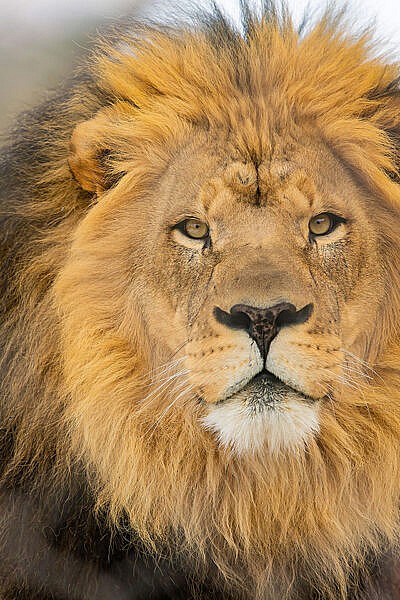
Wild male African lion

Ewaso Lions, also in Kenya, hosted conservationists from eight countries, representing organizations protecting eleven species from India, Mexico, Argentina, Mozambique and Colombia. The workshop is helping to build a collaborate framework of community-led conservationists. They shared best practices on topics like the barriers to community-led efforts, innovative solutions that have seen real success, and the often-overlooked area of succession planning in conservation.

“The keys to successfully conserving local wildlife are community engagement and data collection that can help establish habitat protections,” Nicole says. “These two organizations, with support from CMZoo members, are making a real impact for wildlife by empowering their local communities to contribute to their efforts. Their communities are sharing best practices, helping cover more ground, and observing animals and their potential struggles as they live in harmony with animals native to their homes.”

Member Conservation Vote 2025 planning is well underway at Cheyenne Mountain Zoo, and members will learn about the projects they can support this spring. Members should keep their eyes on their email inboxes for their members-only links to vote in March.

Back to The Waterhole

Adding animal demonstrations to your next Zoo day itinerary is one of the best ways to kick off the summer. Included with your regular daytime ticket, you’ll have access to multiple animal demonstrations throughout the day. From brachiating orangutans to a guinea pig parade, these demonstrations offer fun and educational experiences for our guests while also enriching and engaging our animals. Highlighting their natural behaviors and unique features, these demonstrations provide insight into some of the residents of CMZoo.
(Animal demonstrations are weather and animal permitting.)

Summer Schedule

9:30 a.m. — Penguin Keeper Talk in Water’s Edge: Africa
10 a.m. — Guinea Pig Parade in Water’s Edge: Africa (Tues., Wed., and Sun. only)
10 a.m. — Lion Enrichment in African Rift Valley (Tues. and Sat. only)
10 a.m. — Wolf Feeding in Rocky Mountain Wild (Thurs. and Sun. only)
10:45 a.m. — Caring for Elephants in Encounter Africa
11:15 a.m. — Orangutans are Awesome in Primate World
11:30 a.m. — Barn Owl Training in Scutes Family Gallery
11:30 a.m. — Alligator Feeding in Australia Walkabout (Mon. and Tues. only)
2:15 p.m. — Caring for Elephants in Encounter Africa
2:30 p.m. — Skunk Training in The Loft
3 p.m. — Treetop Acrobats in African Rift Valley at the colobus monkey exhibit (Fri., Sat., and Sun. only)
3:15 p.m. — Caring for Awesome Apes in Primate World
3:30 p.m. — Grizzly Demo in the temporary bear habitat above the tapir yard
4:15 p.m. — Meet the Hippos in Water’s Edge: Africa

Advance tickets are required and can be purchased at cmzoo.org.

Back to The Waterhole

Last month, Cheyenne Mountain Zoo members cast their votes to help the Zoo decide how to spend $75,000 of member conservation funds among six conservation projects vying for members’ support. The three projects with the most votes received the full funding they requested. The number of votes received for the remaining three projects helped CMZoo decide how to distribute the remaining funds.

Every membership and every visit to the Zoo is conservation in action. From 2015 to 2024, including this year’s contributions, the program has provided $750,000 of membership revenue to support field conservation worldwide.

“I hope our members recognize what an impact they make for wildlife and wild places through these staff-championed conservation efforts,” Ashley Cioppa, CMZoo membership manager, says. “Our members’ annual investment in their Zoo memberships directly supports animals here in Colorado and all around the world. Plus, they give our staff the opportunity to reach more niche organizations and efforts that support their personal passions. Thank you, members!”

Each year, a total of $100,000 of membership revenue is contributed to conservation in two ways:

  • $25,000 to the Quarters for Conservation program, which in total contributes a million dollars on average every 18 months to CMZoo’s legacy conservation partners.
  • $75,000 to projects voted for by CMZoo members through this annual vote.

This year’s Member Conservation Vote top-ranked projects to fully fund are:

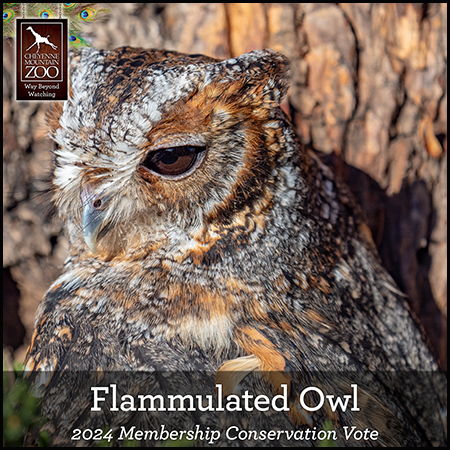
1. Track and protect FLAMMULATED OWLS in Colorado – $4,150
Purchase ten tracking tags that provide researchers with crucial migration data for these tiny owls. Migratory birds are currently facing many threats such as pollution, pesticides, habitat loss and collisions with human-made structures. The installation of two Motus towers at CMZoo and Fountain Creek Nature Center last year allows researchers the ability to track hundreds of local bird species in efforts to protect them. As a continuation of this project, a local researcher will utilize these towers to track ten flammulated owls, a species that lives right here in Colorado Springs, to learn about their migration patterns and use that information to help protect the species.


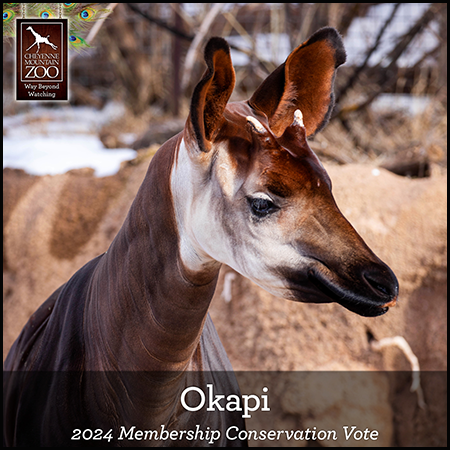
2. Support agroforestry to protect OKAPI habitat – $24,600
Provide farmers in the Democratic Republic of the Congo with sustainable agricultural resources. Okapi populations are facing a major threat of habit loss due to slash-and-burn agriculture and human settlement. In a continued partnership, the Okapi Conservation Project (OCP) will use these funds to provide farmers with tools, seeds, land plots and the education necessary to build and maintain sustainable agriculture and reforestation practices. In doing so, the local communities are empowered to produce their food sustainably and reduce their dependence on mining and poaching – leading to the long-term protection of okapi.


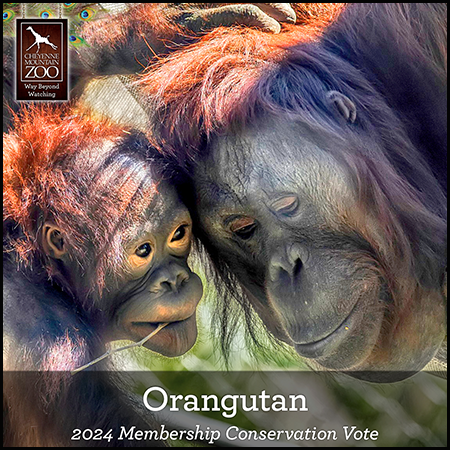
3. Help build a new island home for ORANGUTANS in Borneo – $17,642
Help provide the materials to construct a new, forested island home for non-releasable orangutans in Southeast Asia. Borneo Orangutan Survival (BOS) Foundation is an established organization that rescues, rehabilitates and releases orangutans back into their natural habitat. Unfortunately, a small percent of orangutans come to BOS with injuries, illnesses or other conditions that prevent them from being released into the wild safely. BOS houses and cares for them for the rest of their lives. Member funds will help provide the construction materials for a new orangutan island that will create a spacious and enriching forever home for three non-releasable orangutans currently residing with BOS.


With the remaining funds, CMZoo has decided to partially fund:

Protect PANCAKE TORTOISES through community conservation in Kenya
Conduct community awareness training and research to protect critically endangered tortoises and their habitat. Wild turtle and tortoise species are in the midst of a worldwide extinction crisis. The African pancake tortoise faces severe threats, not only from grassland habitat destruction used for farming, but also an additional threat of poaching for the pet trade. In a continued partnership, the Turtle Survival Alliance will protect and develop research strategies for a newly found pancake tortoise population, as well as establish additional awareness for the local communities surrounding this tortoise population.

Expand AFRICAN PENGUIN chick rearing capacity
Provide construction materials and equipment to rear penguin chicks. African penguins, found mainly in South Africa and Namibia, are facing threats from overfishing and climate change, which often results in penguin parents abandoning their chicks. Due to an exponential increase in egg and chick abandonment, the Southern African Foundation for the Conservation of Coastal Birds (SANCCOB) is looking to expand their chick-rearing facility through our ongoing partnership. This expansion will double their capacity of penguin chicks and eggs that they can rescue, rehabilitate, and release each year.

Support kids’ education camps to help protect AFRICAN LIONS
Help protect large carnivores by empowering a new generation in Kenya. Human-wildlife conflicts can occur between farmers and predators, such as lions, that may threaten local livestock. The education programs that Ewaso Lions will implement through this ongoing partnership will help to shift the attitude towards predators and allow Kenyan communities to more easily and efficiently coexist with wild carnivores by reducing the frequency of potential human-wildlife conflicts.

For more information about how to become a CMZoo member, and the many benefits that memberships provide, visit cmzoo.org/membership.

Back to The Waterhole

African lions are working through a delicate transition in African Rift Valley. The lion keepers’ long-term goal is to provide healthy groupings and vital social interactions for the four related big cats, with Lomela, the mother, bridging the gap for her family.

Aging parents, Abuto (12) and Lomela (16), their daughter, Elsa (8), and their son, Aslan (8), make up the African lion pride at Cheyenne Mountain Zoo. In April 2023, Aslan’s and Elsa’s brother, Boma, moved to San Diego Zoo Safari Park. When Boma and Aslan were about a year-and-a-half old, Abuto told them it was time to go on their own, so the boys formed a coalition and lived together. After Boma began showing signs that he was ready for his own pride last year, which is typical for male lions around that age, CMZoo worked with the Association of Zoos and Aquariums’ (AZA) African Lion Species Survival Plan to find Boma a pride of female lions to live with.

After Boma’s departure from CMZoo, the African lion care team began ‘howdies’ between Elsa and Aslan, so Aslan could have another lion to spend social time with. After their interactions with a protective barrier between them didn’t produce the outcome keepers hoped for, the team started weighing other options.

“We didn’t see anything necessarily alarming between Elsa and Aslan during their howdies, but we didn’t see the calm and interested behaviors we wanted to see,” said Savannah Woods, animal keeper in African Rift Valley. “Re-introducing lions can be dangerous. When you’re deciding whether to give these massive animals access to each other, you want to have the right indications that they’re going to be safe.”

The keepers’ next option was to see if Lomela and Aslan could be re-introduced. It wasn’t their first option because of Lomela’s age and the reality that she might not be around for a lot longer. She has reached the median life expectancy for African lions in human care, according to the AZA.

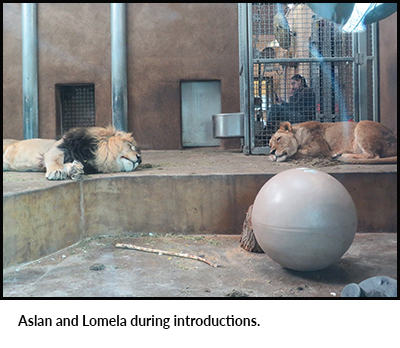
Lomela and Aslan started howdies a few months ago, and in early February, after seeing several good interactions, the two started sharing space.

“Lomela is calm and assertive, which is what Aslan needs so he can re-learn what is acceptable behavior around female lions,” said Woods. “He is more interested in her than she is in him, so he’ll approach her to smell her, and she will let him get close until she decides she wants more space. Then, she’ll typically hiss or bark at him, and he will back off. He’s being respectful, and she’s communicating really well.”

As introductions continue, the mother and son have been comfortable sharing space. They’re often seen drinking water, engaging with enrichment individually and sleeping in separate areas of the same room, which are signs of comfort.

In a recent introduction, Aslan approached Lomela while she was lying down, and she hissed at him to give her more space. Because he’s getting more comfortable, he’s also testing new limits, and she is responding with new communication methods – in this case, a roar and a single swat to his face. He backed off right away, and they both laid back down. About 30 seconds later, Lomela moved closer to Aslan to get a drink of water, and he watched her calmly without moving. The two are continuing to learn how to interact in ways they’re both comfortable with.

“Their actions can seem a little intense sometimes, but that is just how they communicate,” said Woods. “We will have someone monitoring them during introductions, until we’re confident they’ve developed good social skills together. This new setup doesn’t come without risk, but we have to trust them to continue communicating because, long-term, having these social opportunities is best for the pride. We’re really proud of their progress, and glad we can provide new social opportunities.”

Because of Lomela’s age, keepers will continue to work on howdies between Elsa and Aslan. That plan will likely have Lomela sharing space with Elsa on one side of a protective barrier and Aslan on the other. Lomela’s presence is calming for Elsa, so keepers are leaning on Lomela to help her kids feel comfortable around each other. Unfortunately, aging Lomela won’t always be here to help her family get along, so they’re taking advantage of the time they have with her leadership.

“We’re grateful for Lomela’s leadership and we’re hopeful about the interactions we’ve seen so far,” said Woods. “We appreciate everyone sending the pride their best wishes as they move through these new chapters.”

Back to The Waterhole

Ewaso Lions is a longtime member-supported conservation organization in Kenya dedicated to conserving lions and other large carnivores by promoting coexistence between people and wildlife. They provide local communities with conservation advocates, transportation, veterinary equipment and vaccinations for pet dogs, among other things. Since 2017, CMZoo members have sent more than $80,000 to support their important conservation work through the annual Member Conservation Vote.

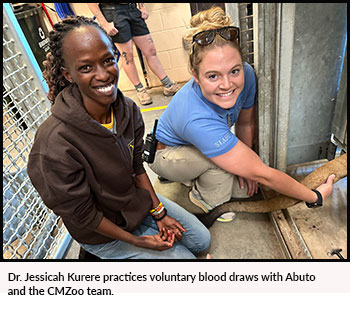
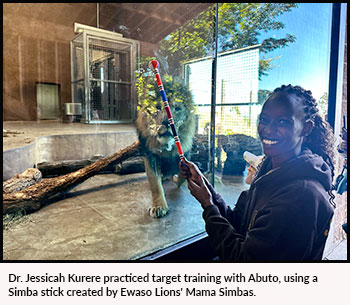
In October, Dr. Jessicah Kurere, the lead veterinarian for Ewaso Lions’ domestic animal mobile veterinary unit, spent a few days on the mountain to inspire, educate and even practice some veterinary techniques that could help animals in the wild.

In the U.S., many learn about the plight of iconic African animals, like African lions, elephants and giraffe, and it can be hard to understand why they aren’t better protected. By connecting with people like Dr. Kurere, more animal advocates can start to understand how difficult it must be for communities to live with these animals, no matter how revered they are in other parts of the world.

“In Colorado, we share recreational and living spaces with wild bears and mountain lions, so we can understand the struggles that might arise when human-wildlife conflicts inevitably occur anywhere in the world,” said Amy Schilz, senior animal behaviorist at the International Center for the Care and Conservation of Giraffe at Cheyenne Mountain Zoo. Schilz worked with the African lions at CMZoo for 10 years before embarking on her journey at The Center, and has maintained a relationship with the team at Ewaso Lions. “In Kenya, they’re choosing to live with wildlife and share the landscape. If we consider the number of bear-human conflicts we hear about in our home state and relate that to native African animals and the pastoral farming communities that live amongst them, it’s easier to understand.”

Ewaso Lions works to help locals understand, respect and coexist with native African species. According to Ewaso Lions, the African lion population has declined by 43% in the last 20 years and lions now occupy only 8% of their historical range in Africa. The estimated number of lions across Africa is approximately 20,000. In Kenya, the national population now numbers less than 2,500 individuals. This reduction in lion numbers is primarily due to habitat loss and conflict with humans, typically when lions kill people’s livestock.

During her visit, Dr. Kurere met with staff, Teen Program participants and docents, sharing stories of helping livestock injured by lions from her mobile vet clinic, complete with a flip-down exam table that hangs from the side of the van. In addition to the conservation programs detailed below and others, Ewaso Lions jumps in to assist wildlife in emergencies. They dig wells for wildlife during droughts and rehabilitate struggling grasslands, which attract hoof stock to wildlands and thus, lions away from communities and toward those food sources, hopefully helping to restore the natural ecosystems that animals and people need to thrive.

“Hearing her passion and the stories from the field brings us all closer to the important work our Zoo members are supporting,” said Schilz. “Dr. Kurere told us about an entire pack of African painted dogs that contracted canine distemper and passed away, and the work they’re doing with Kura’s Pride vaccinations is helping to address that.”

In between updating staff on the progress of Ewaso Lions, Dr. Kurere worked closely with big cat keepers in African Rift Valley, sharing what she knows about wild lion behaviors and assisting with voluntary blood draws on Abuto, CMZoo’s 12-year-old African lion patriarch.

During blood draw training, the team asks Abuto to enter an open-ended mesh tunnel, which he always has the choice to leave if he wants to. Communicating the steps with Abuto throughout the process– and feeding him lots of yummy snacks – the team asks him to position himself so he can present his tail through a small port at the bottom of the mesh.

“It was very different from what I am used to, but very exciting,” said Dr. Kurere. “I was fascinated with the trust and ease he presented his tail for blood draws. That makes it very easy to give him medical exams. It was my second time to draw blood on a lion, but certainly the first-time drawing blood on a wild carnivore wide awake!”

Dr. Kurere has been assisting a local veterinarian in Kenya on clinical cases in lions and other wildlife, and this experience with Abuto is another way she’s continuing to gain more skills in wildlife clinical practice.

The benefit to wild lions doesn’t end there. Because Abuto and the rest of the pride – 16-year-old matriarch, Lomela, and their 8-year-old daughter, Elsa, and son, Aslan – inspire new African lion advocates every day by connecting with CMZoo guests. Furthermore, through the CMZoo members who have developed relationships with CMZoo’s lion pride and voted to support Ewaso Lions in the annual Member Conservation Vote, they are making a direct impact by supporting Ewaso Lions’ imperative conservation efforts.

Ewaso Lions hosts a variety of programs that monitor and protect wildlife, connect communities to conservation and lift up underserved populations, and provide veterinary care to local pets, livestock and wildlife.

Mama Simba – which means “Mothers of Lions” in Swahili – is one of their programs, which provides a platform for traditional women to reclaim their place as the owners and protectors of wildlife, through environmental literacy, lion habitat recovery activities, engagement and awareness work on coexistence and culture.

Warrior Watch is a community-led program that engages Samburu warriors – a group traditionally neglected, overlooked or blamed for wrongdoing – in conservation decision-making. The program builds on the warriors’ traditional protection role by increasing their ability to mitigate human-carnivore conflict. The Warriors serve multiple communities, informing herders of lion presence so they can avoid certain areas, averting depredation. This network also monitors threatened species and records conflict incidents over a wide-ranging area. Following lion attacks on livestock, Warriors encourage herders not to take retaliatory action and work with them to prevent future livestock attacks.

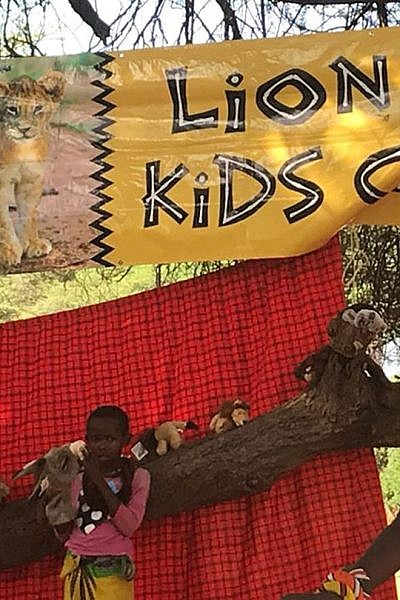
Lion Kids Camp are five-day camps that teach tomorrow’s conservationists about peaceful wildlife coexistence. Most Kenyan children, despite living in close proximity to world famous national parks and reserves, have never had the chance to observe wildlife at close range. Instead, they are exposed to negative interactions between wildlife, livestock and people, which shape their perceptions of wildlife. The program empowers a new generation of wildlife ambassadors by engaging young people in environmental education and long-term conservation values.

Kura’s Pride provides vaccinations for local pets, with a goal to reduce the spread of diseases like canine distemper and rabies among beloved pets and wildlife.

“At our Zoo, we have the privilege of knowing Abuto as an individual and witnessing how incredible he is,” said Schilz. “Dr. Kurere and the Ewaso Lions team are saving the world’s wild ‘Abutos.’ I picture every single lion being as beautiful and amazing as he is, and that’s who she and our members are protecting. She’s our hero, and no matter how old you are, it always reignites your passion to save wildlife and wild places when you meet your wildlife heroes.”

Back to The Waterhole

Last month, 7-year-old male African lion, Boma, moved to San Diego Zoo Safari Park after living with his brother, Aslan, for about five years. With Boma leaving for a new social group, African Rift Valley keepers are working to provide Aslan with new social opportunities here at Cheyenne Mountain Zoo.

Four African lions currently live at CMZoo: the aging parents, Abuto and Lomela, their daughter, Elsa, and their son, Aslan. The long-term plan is for Elsa and Aslan to share space, with interbreeding preventions in place, and for Lomela and Abuto to share space. The introduction plan will be ongoing, so guests may see groups of two or three lions together as the care team works to support the changes in the pride.

Keepers say Aslan is doing well in his brother’s absence, but they have noticed some changes to his behaviors. He has started playing with enrichment more, which he didn’t do as much when he lived with Boma. His brother was more dominant, which meant Aslan didn’t always get as much time with enrichment before Boma began to resource-guard it, as leading lions instinctually do. Their leader/follower relationship also meant Aslan found confidence by following in Boma’s footsteps.

“Maybe Aslan’s new playful behavior and his tendency to be submissive will be a great fit for Elsa, who is fast and loud in every way possible,” said Kelsey Newman, keeper in African Rift Valley. “Elsa loves to pounce, play, wrestle and roar. She seems really excited to see Aslan again, but we want to take things slowly so she doesn’t overwhelm him with her enthusiasm.”

Aslan and Elsa lived together for a couple of years when they were little, and they take turns rotating in and out of spaces at the Zoo. They’re familiar with each other’s scents and sounds. But, they haven’t shared space in around five years. Big cat introductions are always risky, but so far their ‘howdies’ have been positive.

Howdies are opportunities for animals to see, smell and hear each other with a protective barrier between them. For Elsa and Aslan, they’re seeing each other from separate rooms with a 3-foot hallway between their spaces, so they’re not sharing a fence yet. To make howdies and introductions go smoother, keepers will often place a lot of really high-value enrichment items in the area. The intention is to give both parties plenty to do in addition to focusing on each other. For Elsa and Aslan, those items were wooden logs that had been de-barked by the African elephants, mud from the Red River hogs’ habitat, shavings and hay.

“When we invited Aslan and Elsa into their separate howdy rooms, they immediately ran to where they could see each other,” said Newman. “They usually love those smelly enrichment items, but they totally ignored them. Elsa was more intense about it and Aslan took the submissive role, which we expected. It’s still early days, but we’re happy with how it’s going so far.”

After a little while together, Aslan went outside in his side yard and took a nap. He was heard making what keepers call ‘baby noises’ or little chirps and chuffs to his sister. Elsa returned to her parents, where she playfully head-bumped Lomela then rolled over to pull on her dad, Abuto’s, mane.

Before taking next steps, keepers want to see calmer behaviors between the two lions. Experience tells them that the more the two see each other, the less they’ll react to each other. Once energy levels are appropriate, the siblings will continue howdies with a fence between them, and move on from there.

“We know these lions,” said Newman. “They know their habitats, and they know how to communicate with their keepers, so we can respond quickly if we see signs of discomfort. They’re aware of and familiar with each other. We feel confident in the decisions we’re making, and we’ll continue listening to the lions to set them up for the best chance at this ideal social setup for the whole group.”

While howdies and introductions continue, guests might notice post-excitement behaviors, like pacing or panting. Keepers are monitoring the lions extra closely to ensure they’re comfortable and confident as they rekindle their close sibling relationship.

Back to The Waterhole

We are excited to announce the rankings of our annual Member Conservation Vote! When you become a member at Cheyenne Mountain Zoo, you get to vote on which conservation projects we support. $75,000 of membership revenue is sent to support employee-championed field conservation partners around the world. Thanks to CMZoo members, five conservation efforts will receive funding.

The Migratory Bird Project, the African Lion Project, the African Penguin Project and the Spotted Owl Project will receive full funding and the Pancake Tortoise Project will receive partial funding. Thanks to CMZoo members for helping protect wildlife and wild places!

If you are interested in becoming a member so you can vote in our future Member Conservation Vote, learn more at cmzoo.org/membership.

Back to The Waterhole