Like most businesses, the Zoo has adapted to these unprecedented times and is committed to our mission of connecting people with animals. The Zoo may be closed, but that doesn’t mean you can’t see the animals or virtually visit our grounds! Cheyenne Mountain Zoo has launched four different virtual programs keep you connected and offer fun ways to support the Zoo during these difficult times.

Custom Animal Shout-Outs: Shout outs are 4- to 5-minute pre-recorded videos that feature an animal ambassador of your choice, customized to include a unique message for someone special. Birthdays are currently the most popular, but graduation celebrations, anniversaries, or “just because” messages can also be featured. It’s a fun and unique way to support the Zoo and remind someone in your life that you are thinking of them, and bring a smile to their face.

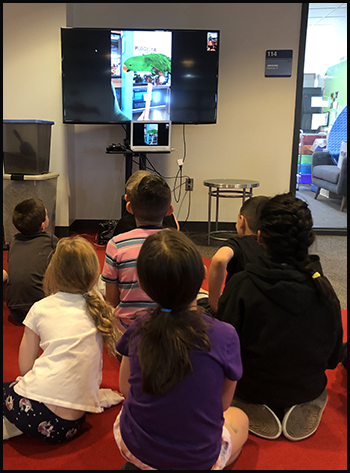
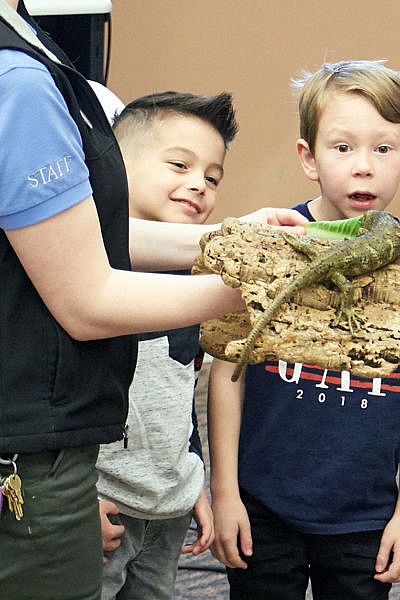
Animal Interviews: This option features up to 30 minutes via a live virtual connection with an animal ambassador of your choice from The Loft and a keeper to share fun facts, demonstrate some great behaviors, and answer any questions you might have about the animal. This is perfect for a curious child who loves animals, a classroom learning about a certain species, or even a group of adults who might miss seeing some animal friends at the Zoo. Really, anyone can enjoy an animal interview!

Virtual Custom Curriculum: Curriculum videos feature up to a 30-minute pre-recorded tour of the Zoo. A CMZoo educator will walk you through the Zoo and create content based on your request. Animal lifecycles? No problem! Focus on Colorado species? Done! Weird and wild facts? Let’s do this! Just miss seeing the Zoo and want to do a 30-minute loop? We are here for you! Because the content is customizable, tours can be created for just about anyone or any group of animal lovers.

Virtual Animal Encounters: These 20-minute virtual live encounters are similar to Animal Interviews, but include opportunities to virtually visit with animals from all around the Zoo! Enjoy a private 20-minute virtual session with your choice of sloths, elephants, meerkats, zebras and more.

You can still visit your favorite Zoo and your favorite animals, while keeping a safe distance! Visit cmzoo.org/virtual to learn more about pricing and to find the perfect Virtual Experience for you.

Back to The Waterhole


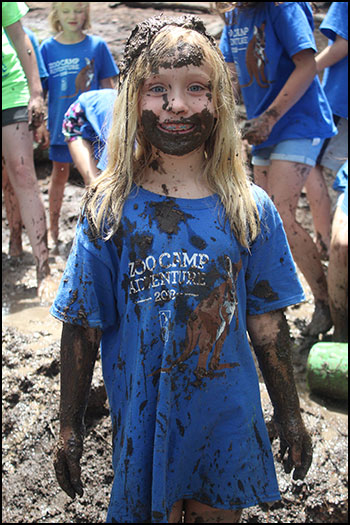
These are certainly abnormal times, but we’re forging ahead as normally as possible — and that means it’s time to start planning Summer Zoo Camp! Although the future is a little unclear, our goal is to operate summer camp as we do every year, with lots of fun animal experiences for campers from kindergarten through ninth grade! Cheyenne Mountain Zoo will pay close attention to this ever-changing situation and adjust camp programs as needed to adhere to any guidelines in place during camp season.

Summer Zoo Camps have been very popular in past years and registrations are limited, so plan for the best-case scenario and register now at cmzoo.org/summercamp.

We’re excited to share some of the new offerings for Summer Zoo Camp 2020! Here is just a sample of some of the camps to look forward to:

Kindergarten Camps include a Sensory Safari, Animal Who’s Who, and a fun new camp focusing on animal movements. Animal Movin’ and Groovin’ gets campers up and moving like a peacock shaking its tail feathers! It’s time to groove your way through the Zoo and explore the wonderful world of animal locomotion! (New this year: Full-day and half-day camps are available for our Kinder-campers!)

First- and Second-Grade Camps feature themes like Wild by Design, Home Sweet Habitat, and an imaginary international expedition, called Global Safari. Our planet is home to an abundance of diverse landscapes, remarkable cultures, and incredible animals. It’s a WILD world out there! Travel around the Zoo with us as we explore our animals and uncover the wondrous worlds their wild counterparts call home.

Third- and Fourth-Grade Camps focus on animal fun facts, animals’ unique abilities and some gross-but-normal things in the animal world. Your camper can choose from Creature Kitchen, Animal Champions or Grossology for their summer camp adventure.

Fifth- and Sixth-Grade Camps involve animal detective work! New this year is Furensic Files, where we work in conjunction with U.S. Fish and Wildlife Service and the National Wildlife Property Repository. Campers will use their sleuthing skills to solve a pretend wildlife trafficking case.

All of these options (plus a few more for each age group), more information and registration are available at cmzoo.org/summercamp. Be sure to sign your camper up for the grade they are entering in the fall.

We can’t wait to see you at Summer Zoo Camp!

Back to The Waterhole


Children’s Hospital Colorado, our year-round sponsor, offers helpful guidance for helping children cope with stress and anxiety related to the ‘new normal’ of life during the coronavirus pandemic. In addition to a recent blog, they will be hosting a virtual talk on the topic, just for members and fans of Cheyenne Mountain Zoo, on Friday, May 8. (See all the details on the talk at the end of this article.)

Similarly, Cheyenne Mountain Zoo’s animal care department has found ways to help the animals in their care stay engaged and healthy, despite the changes in their daily lives.
“We’re working to help them feel as little interruption to their normal routines as possible,” said Jeff Halter, vice president of animal care. “Our animals are participating in training, husbandry behaviors, enrichment activities and daily interactions with their keepers. Through our Abnormally Normal series on social media, they’re participating in keeper talks and demonstrations. But, we can tell they know there’s something important missing from their normal lives: our guests and members.”

In May 2019, more than 80,000 people visited Cheyenne Mountain Zoo. Going from an average of 2,500 visitors per day to none has been an adjustment for everyone – including most of the animals. We told you last month about how the great apes of Primate World have shown us they miss guests, and they’re not the only ones.

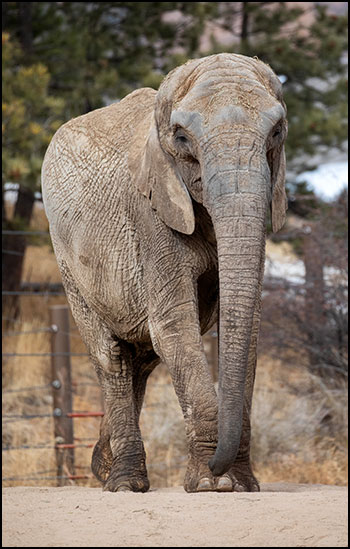
The African elephants have noticed a difference in their routines, too. The elephant herd of six females usually stays in groups of two or sometimes three in various areas of the yard and barn. One of those groups is Missy and LouLou.

“When we first closed, the elephants were used to their regularly scheduled feeding experience with guests, which always takes place right after the elephant demonstration,” said Stacey Smith, elephant and rhino keeper in Encounter Africa. “LouLou would see Missy going to the demo yard, so LouLou would head over to the elephant ‘snack time’ area in anticipation of her time with guests. After completing Missy’s training, we keepers would call for LouLou for her time to train in the demo yard. This only happened a few times, but LouLou would hesitate at the ‘snack time’ area, seemingly disappointed that there wasn’t a line of guests waiting to give her attention and treats.”

Keepers have been getting creative with ways to keep the animals in their care mentally and physically enriched. To replace keeper talks, giraffe keepers say they’re doing more frequent training and providing more enrichment items. The elephants are continuing daily training and foot care in the demonstration yards, and recently enjoyed a whole watermelon each for Easter. Last week, the elephants got special tree trunks and a mud wallow, which they thoroughly enjoyed in a light spring rain.

“Since we’ve been closed almost six weeks now, they’re getting more used to this new routine and not having those 30-minute snack times with guests,” said Smith. “We don’t offer those snack time experiences in the winter, either, so it’s not entirely new for the elephants. We’ve been providing extra enrichment and training so they’re staying engaged, but I’m sure they’ll be excited to get that time back with people once we reopen.”

However, not all animals seem to notice a lack of guest interactions in their daily lives. Keepers say the CMZoo pack of seven Mexican wolves, for example, isn’t experiencing much out of the ordinary. The wolf pack, unlike most animals at CMZoo, doesn’t participate in training or interact with guests. The wolf exhibit is expansive and the guest viewing area has one-way glass, so the wolves don’t see as much of our guests than most other animals. They are intentionally kept as wild as possible because the hope is that their future offspring could be released to supplement the endangered species in the wild.

Most members of CMZoo’s reticulated giraffe herd of 16 seem to miss guests and get particularly interested in the staff who visit them – with or without lettuce. The giraffe boardwalk in African Rift Valley puts giraffe and guests face-to-face during daily lettuce feeding opportunities, so most of the giraffe are used to interacting with large numbers of people.

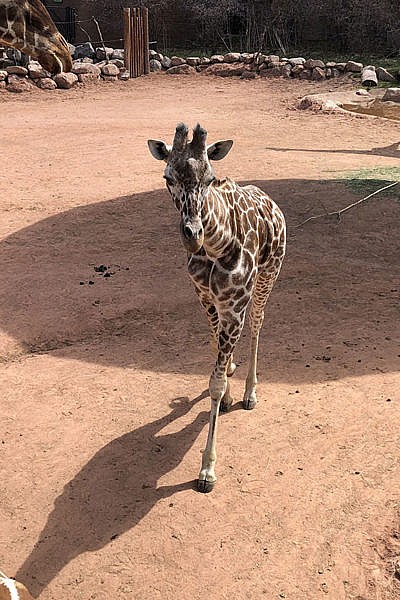
One member of the CMZoo giraffe herd may be benefitting from the quiet time, though. Panya, a 2-year-old reticulated giraffe who joined the CMZoo herd in September, recently started spending time with the full herd after slowly meeting various members over the winter.

“Panya has been shyer than a lot of our herd members,” said Kayla Ringuette, African Rift Valley keeper who works closely with Panya. “Because of the closure, we’ve been able to help Panya gain confidence in the big yard more quickly than we might have been able to with guests, because she has been pretty hesitant in the past.”

Panya began her introductions to the herd in the barn, over the winter. She started going outside in mid-April with some of the herd and later in the month with the whole herd.

“While the majority of our herd definitely misses guests, this time has allowed Panya to get really comfortable with the yard and the herd, which could have been intimidating for her with large numbers of people,” Ringuette said. “When we reopen she’ll be confident in the yard with the herd, and she’ll be ready to meet our awesome herd fans. If there is a silver lining, it’s that Panya got this extra time she’s using to adjust. She’s doing so well.”

Animals can be an inspiration during difficult times, showing us how they adapt to changes and show resilience through challenges. We’re working to continue fostering connections between our members and guests and the animals they love.

The Zoo is embracing its role as a community resource, even while we can’t invite our community inside our gates. Through online activity videos, keeper talks, animal demonstrations and moments of #CMZooZen, our team continues to reach our fans and inspire a love for animals and the natural world. CMZoo’s social media platforms are buzzing with our timely series called Abnormally Normal.

Although we’re temporarily closed, we’re permanently committed to caring for our animals and keeping you connected to our mission, our animals and the natural world. It’s definitely an abnormal time in the world, but we’re providing special glimpses at how normal things are at the Zoo. Follow our Abnormally Normal Video Series on Facebook and YouTube! As always, our guests are enjoying the giraffe herd remotely, using our two live streaming Giraffe Cams overlooking the outdoor yard.

In effort to serve as a continued resource for children and families during these uncertain times, Children’s Hospital Colorado is hosting a live webinar on Friday, May 8 at 12 p.m. MT. Dr. Jessica Hawks, clinical child and adolescent psychologist at Children’s Hospital Colorado, will be presenting on the topic of COVID-19 and Mental Health. Dr. Hawks will describe unique challenges children, teens and parents are facing during the COVID-19 crisis, how parents can talk to their kids about COVID-19, warning signs that a child or teen may be experiencing mental health concerns, and how children, teens and parents can best cope during this difficult time. Time will be reserved for Q&A to address any specific questions families may have regarding this topic. Click this link on Friday, May 8, 2020 at 12 p.m. to join the live webinar on Zoom, hosted by Children’s Hospital Colorado: https://ucdenver.zoom.us/j/95899621728.

Back to The Waterhole
 

Every membership and every visit to the Zoo is conservation in action. Although Cheyenne Mountain Zoo members can’t visit right now, they’re actively participating in important efforts to help wild animals.

Since 2015, including this year’s contributions, the Member Conservation Vote has provided $450,000 of membership revenue to support field conservation worldwide. Each year, a total of $100,000 of membership revenue is contributed to conservation in two ways:

  • $25,000 to the Quarters for Conservation program, which in total contributes half a million dollars annually to CMZoo’s legacy conservation partners.
  • $75,000 to projects voted for by CMZoo members through this annual vote.

“Over the years, members have funded projects that support organizations working to save species on the brink of extinction in places like Ecuador, Kenya, South Africa, Southeast Asia, Australia and more,” said Dr. Liza Dadone, vice president of mission and programs at CMZoo. “These grants make a huge impact for the small-but-mighty organizations that are defending animals on the frontlines. Although the Zoo is temporarily closed until further notice, in an effort to help prevent the spread of COVID-19, this is one of the ways our conservation efforts are continuing, even during the closure.”

From the safety of their homes, members participated in the 2020 Member Conservation Vote through a private link distributed to members via email. The two projects with the most votes will receive the full funding they requested. The number of votes received for the remaining four projects will help CMZoo decide how to distribute the remaining funds.

In addition to being able to support smaller conservation projects around the world, the Member Conservation Vote also allows the Zoo to support immediate needs that might not fit into our annual Quarters for Conservation funding parameters. One such project is the Zoos Victoria Bushfire Emergency Wildlife Fund in Australia.

In February 2020, CMZoo members approved sending $20,000 to Zoos Victoria, in response to the devastating fires in Australia. The funds support long-term care for bushfire-impacted animals, including supplementary feeding and habitat restoration, in conjunction with the Australia Department of Environment, Land, Water and Planning, Parks Victoria, and associated recovery teams. Donations from Zoo employees, board members, docents and an internal Zoo donation matching program raised $6,900 in support of Zoos Victoria, making the collective donation $26,900.

The $20,000 donation came from the $75,000 allotted for membership conservation, leaving $55,000 for distribution among the projects nominated for the Member Conservation Vote.

This year, six projects were nominated in addition to the already approved Zoos Victoria support. Some projects, like building a wildlife corridor for lions, were brand-new. Others, like tracking mountain tapir, have received funding through this vote consistently for years.

“Considering everything going on in the world right now, it was especially important to us this year to engage our members in this vote and to remind them that they make a difference,” said Emma Repp-Maxwell, CMZoo membership manager. “We have been missing our members for more than a month, but we want them to know we’re grateful for their ongoing support, and that they’re still making a positive impact for wild animals through their memberships and through their participation in this vote.”

Drumroll, please. In order of member votes received, the 2020 projects receiving funding are:

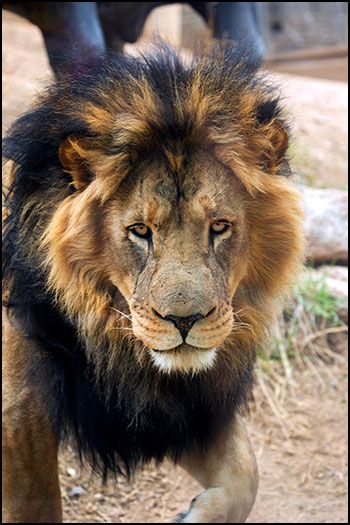
Support a wildlife corridor for African lion – $5,600 fully funded

This funding will help map developing pipelines and highways and plan animal corridors before construction begins. It will also support data analysis and stakeholder meetings to get the right organizations involved in animal protection at the right time. Longtime conservation partner, Ewaso Lions, is hoping to protect lions by establishing wildlife corridors in northern Kenya. As more highways, railways, cities and pipelines are built in the heart of lion country, they hope to create the partnerships and infrastructure necessary to protect the many species that share and roam these lands as human influence expands.

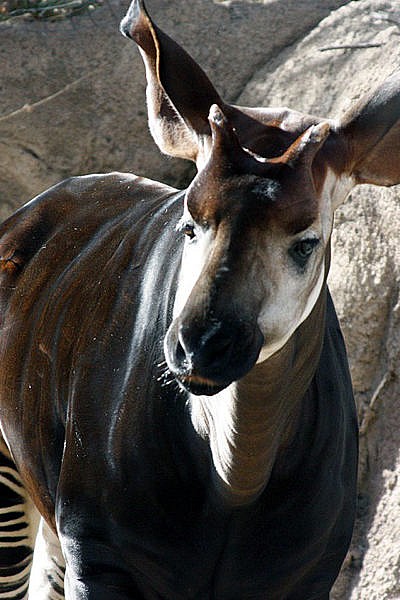
Start an agroforestry project to protect Okapi habitat – $11,000 fully funded

In a continued partnership with the Okapi Conservation Project, this grant will provide farmers with tools, seeds, natural fertilizers, and education in sustainable agriculture practices. In addition, funds would support reforestation in the region. Found in the Democratic Republic of Congo, the okapi is a mysterious member of the giraffe family that is threatened by poaching and slash-and-burn agriculture. This will empower local communities to produce food sustainably, safeguard water resources, and generate income while reducing economic dependence on mining and poaching, thus protecting okapi in the long run.

Observe tree kangaroos in their natural habitat – $7,500 fully funded

This grant will support the purchase of GPS tracking collars, camera traps and data loggers to better understand tree kangaroo behaviors, movements and habitat use. The Tree Kangaroo Conservation Program fosters wildlife and habitat conservation while supporting the livelihood of local communities in Papua New Guinea. Matschie’s tree kangaroos live high in the dense canopy of the cloud forests, hidden among thick moss that makes them very difficult to observe. The data collected through this observation project will be used to inform future habitat planning for tree kangaroo conservation.

Fund the banding and monitoring of East African crowned cranes – $11,000 fully funded

This grant will contribute to funding the first banding of 75 East African crowned crane chicks and support data collection about their behaviors and migration patterns to help inform future conservation efforts for this species. Found in Kenya, the East African crowned crane has seen a dramatic decrease in population over the last four years. The International Crane Foundation, Endangered Wildlife Trust and Leiden Conservation Foundation are collaborating to learn more about this species in order to stabilize its population.

Help track wild mountain tapir in Ecuador – $20,000 funded (partial funding awarded)

A continuation of past monitoring projects, these funds will support the GPS collaring of additional tapir in the wild and educational outreach for local schools. Found in Colombia, Ecuador, and the far north of Peru, only an estimated 2,500 mountain tapir remain in the wild. CMZoo is one of two zoos in North America that this species calls home. This project, based in Ecuador, has already yielded important data regarding the movement, behaviors and territory of this critically endangered species, which we hope will be used to protect its habitats.

For more information on CMZoo memberships, visit www.cmzoo.org/membership.

Back to The Waterhole
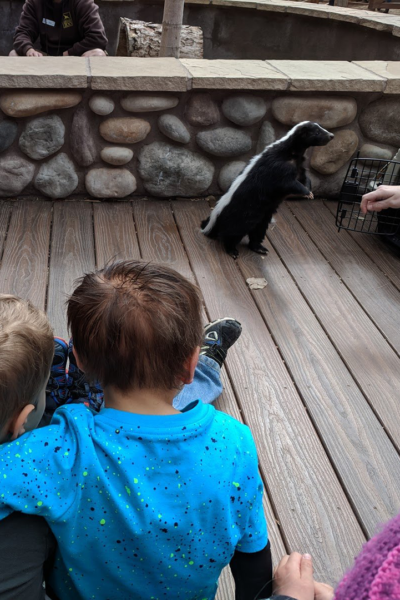
 

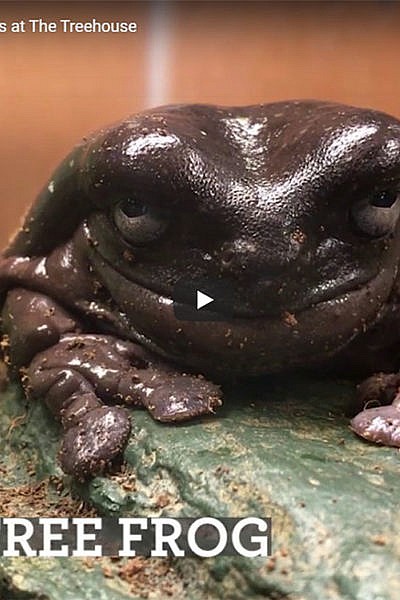
There’s a magical – but little known to some – place at Cheyenne Mountain Zoo where axolotls, tarantulas, millipedes and more live! Get to know the residents at The Treehouse in My Big Backyard.

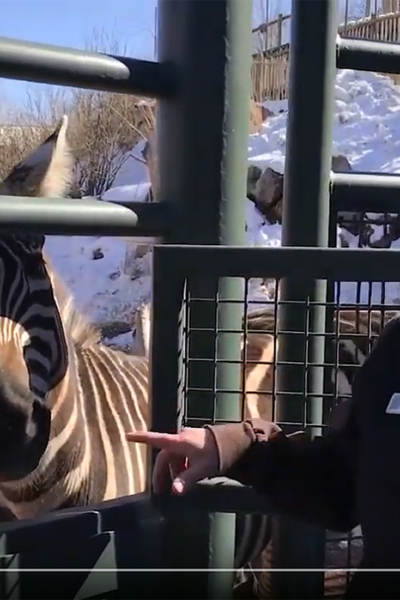
African Rift Valley Senior Lead Keeper, Jenyva, introduces us to the CMZoo zebra brothers, Wembe and Mugambi, and walks us through their training and husbandry behaviors.

Back to The Waterhole
 

Although we’re closed to the public and missing our members and guests, things aren’t slowing down at Cheyenne Mountain Zoo. From daily animal care and enrichment to veterinary procedures, special projects and COVID-19 management, we’re operating with energy and passion to prepare for the day we can welcome you back.

“Our organization is unique because although we’re considered an attraction, we are exempt from the stay-at-home order as a critical service, so we won’t halt or slow operations in the absence of guests,” said Jeff Halter, vice president of animal care. “We have animals to feed and care for and a huge mountainside campus to keep up. Our team is enthusiastic and flexible. They’re doing a great job embracing the new responsibilities and fulfilling their normal day-to-day roles, which helps provide a sense of normalcy for our animals and for our staff.”

Animal care is always a top priority. CMZoo keepers are finding creative ways for the animals in their care to stay enriched while guests aren’t visiting. Sometimes, they can enrich two groups of animals simultaneously, by inviting them to visit each other.

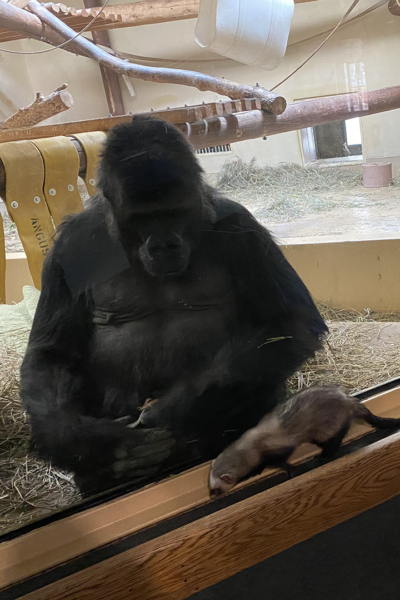
“Human guests can be a form of enrichment for our great apes, who often like interacting with our guests through glass walls” said Joanna Husby, animal care manager. “Keepers have found creative ways to enrich the gorillas and orangutans, by inviting small animals like Waffles, our African cape porcupine or Alfred and Harley, our domestic ferrets, to walk the halls of Primate World.”

The visit to Primate World is enriching for the small animals because it’s entirely new terrain, with new sights, smells and sounds. Because the doors won’t open and the great ape habitats are sealed with glass walls from the inside, the ferrets, helmeted guinea fowl, porcupines and more that visit are generally free to roam all of the public spaces in the building.

The small animals’ field trips to Primate World seems to interest the apes, too.

“The Western lowland gorilla troop has been really interested in our little visitors,” said Husby. “They’ll come and sit right by the windows and watch from the other side. The gorillas will even walk from one side of the room to the other, intently watching the smaller animals.”

Keepers are continuing to train with the animals, which will hopefully avoid any training regression due to the pause in animal demonstrations and keeper talks for our guests. That consistent training allows animals to make choices in their own care, such as shifting from one area of their exhibit to another, participating in voluntary blood draws and injections, receiving ongoing hoof care and more.

“In addition to finding creative ways to keep our animals enriched and healthy, all departments in the Zoo have stepped up disinfectant procedures and distancing practices,” said Halter, who also leads CMZoo’s emergency response team.

Permanent Zoo staff are considered essential personnel, so we’re returning to work as usual, as outlined in government mandates. Employees have several options for taking time off work, should they find themselves at risk, exposed to or diagnosed with the virus.

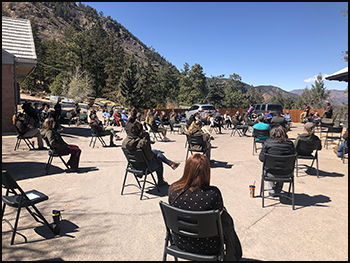
We have socially distanced outdoor staff meetings occasionally, where we share updates and talk through concerns. Leadership keeps employees updated on the challenges our community is facing and the changes we’re embracing on a daily basis. Because the Zoo has been financially conservative for decades, we are fortunately prepared for these types of situations.

The Zoo is also embracing its role as a community resource, even while we can’t invite our community inside our gates. Through online Spring Break Zoo Camp activity videos, keeper talks, animal demonstrations and moments of #CMZooZen, our team continues to reach our fans and inspire a love for animals and the natural world. CMZoo’s social media platforms are buzzing with our timely series called Abnormally Normal.

Although we’re temporarily closed, we’re permanently committed to caring for our animals and keeping you connected to our mission, our animals and the natural world. It’s definitely an abnormal time in the world, but we’re providing special glimpses at how normal things are at the Zoo. Follow our Abnormally Normal Video Series on Facebook and YouTube! As always, our guests are enjoying the giraffe herd remotely, using our two live streaming Giraffe Cams overlooking the outdoor yard.

We’re preparing for our Association of Zoos and Aquariums (AZA) accreditation inspection, which is scheduled for this summer. The accreditation process is intense, and happens once every five years. We’re taking this time to tackle small projects around the Zoo that help prepare us for inspection. Helping us with those tasks are our guest services staff, who have worked tirelessly to take on projects outside of their usual responsibilities, to make sure the Zoo is as fresh, clean and organized as possible when we welcome AZA inspectors later this year.

Currently, the Zoo has a goal to reopen to the public as soon as April 17, 2020. However, we will take cues from our local and national government officials to see if that timeline still makes sense as we get closer to the date. For the latest updates on the Zoo’s reopening date, check out the green alert bar link at the top of the page at cmzoo.org/alerts.

Back to The Waterhole
 

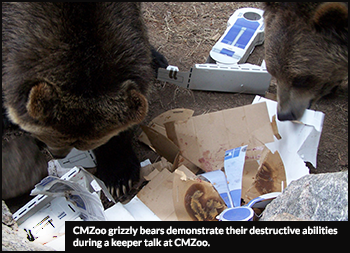
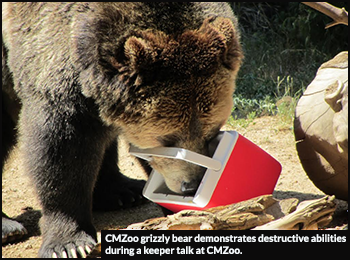
American black bears in Colorado will start coming out of hibernation soon, and they’ll be hungry after a winter in the den. Although we don’t have any native species of black bears at Cheyenne Mountain Zoo, we’re advocates for doing all we can to keep wild animals wild. No matter the species, it’s never a good idea to feed a wild animal – on purpose or by accident. In some cases, feeding wildlife is illegal.

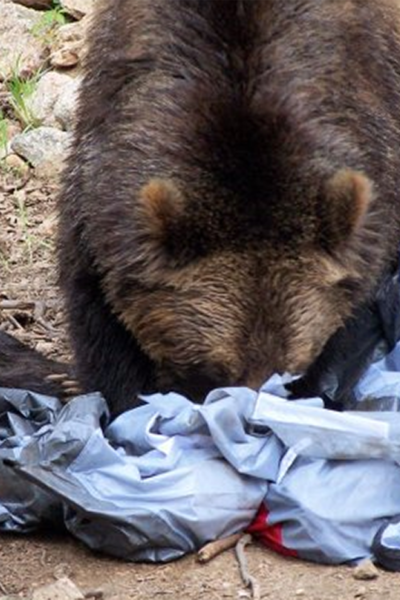
Early risers can make a difference and save bear lives. When it’s trash day, put trash out the morning of pick-up. We have bear-safe trash receptacles throughout the Zoo, and similar models are available for residential properties. If you don’t want to invest in a bear-safe trash receptacle, keeping your trash cans in a garage or shed is a good option to help keep bears out of trouble. Bears think garbage smells amazing and if they can get into it, they will.

“With five toes on each paw, bears are incredibly dexterous,” said Rebecca Zwicker, Rocky Mountain Wild animal manager. “Over time, they learn how to use their dexterity to open doors and containers, so it’s up to us to stay one step ahead of them.”

Bears also love birdfeeders. They love sunflower seeds and other seeds, and especially love hummingbird food. When a bear eats from a birdfeeder, it’s probably going to destroy that bird feeder and eat all of the food you bought for the birds. Also, once they find a food source, they’ll often come back to that area, which creates a potential for surprise visits in your backyard. Take bird feeders down at night when bears are most active, or just hang bird feeders in the winter, when the bears are asleep and the birds are really searching for food.

Black bears can smell a meal from up to 20 miles away. Once they smell and find a campsite, they’ll start searching for food. When you’re camping, keep food outside of your tent, so you’re not inviting bears to investigate your sleeping quarters. Keep food locked in a bear-safe container or hang your food from a rope, high off the ground and away from something a bear could climb. Bears are attracted to things like s’mores and meat, but also toothpaste and coffee. If it smells interesting, a bear wants to check it out.

“Bears are intelligent, and they have really great memories,” said Zwicker. “Once they’ve found a source of something yummy, you can bet they’ll be back for more.”

Once a bear comes into human spaces, they’re given the term ‘nuisance bear.’ They’re tracked and usually only get a few ‘strikes’ before they have to be killed, or in some rare cases relocated. That’s why it’s so important that we help prevent opportunities for them to become a nuisance.

“Seeing a bear in the wild is magical,” said Zwicker. “Their presence is part of what makes Colorado so special, but it’s up to us humans to protect these curious creatures from themselves. If you can follow these simple tips, you could save a bear’s life.”

Back to The Waterhole
 

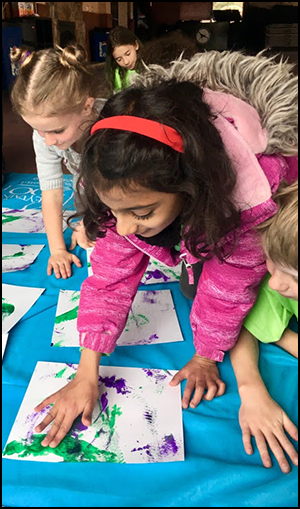
Zoo campers fingerpainting
Just a few more weeks, and the kids will be out of school for Spring Break! Wondering how you’re going to fill a week off school with enriching and educational entertainment? Have no fear, Cheyenne Mountain Zoo is here with fun and WILD experiences for your kiddos: Spring Break Zoo Camp, for kids in kindergarten through sixth grade!

Spring Break Zoo Camp is Monday, March 23 through Friday, March 27, 2020. This year, campers will learn about amazing animal adaptations. Animals all over the world have unique adaptations that help them survive in the wild. They’ll learn about – and see, in person – animals’ defense mechanisms, like porcupine quills, and physical traits that help them thrive in their environments, like the long, furry tail of a snow leopard or the water wicking fur of a river otter. After seeing these amazing adaptations with their own eyes, campers are sure to come home with exciting stories to share about their new animal friends.

For the first time ever, CMZoo is offering half-day and full-day options for kindergarten campers. Full-day camps include an additional afternoon snack and some quiet time to rest after lunch. Campers should sign up for the camp that reflects the grade in which they are currently enrolled. All camps include hands-on experiences, up-close animal encounters, games, tours and more, every single day! Register for the whole week, or just a few days.

Space is limited, so visit www.cmzoo.org/camp to register your campers today!

Back to The Waterhole


For giraffe, hoof health is vital to overall health. As the zoo profession evolves to further embrace animal husbandry training, and new veterinary technologies allow for better diagnostics, Cheyenne Mountain Zoo is working to improve the future of giraffe care.

“Horses have been domesticated for thousands of years, and the mantra has been ‘no hoof, no horse,’ meaning the overall health of a horse is connected to the health of its hooves. More and more, we’re embracing that for giraffe,” said Dr. Liza Dadone, vice president of mission and programs at CMZoo. “We don’t yet have all the answers, but we have seen that hoof overgrowth changes how the foot supports the weight of a one-ton body. When an animal distributes that much weight differently because of hoof overgrowth, it can have a huge impact on their joints, ligaments and bones.”

Giraffe hooves grow continuously throughout a giraffe’s life. Ongoing hoof maintenance can help prevent issues commonly associated with hoof overgrowth, like lameness and early onset arthritis. Training giraffe to voluntarily participate in hoof maintenance makes preventive care possible, hopefully avoiding these ailments for future generations of giraffe.

Because it’s such an integral part of CMZoo’s work today, some may be surprised to learn that giraffe hoof care is still in its pioneering phase.

“Before our training program started in 2013, we had limited options for managing hoof overgrowth,” said Dr. Dadone. “We also didn’t fully understand what a ‘normal’ giraffe hoof should look like, because we didn’t have consistent access to the underside of the hoof. Training giraffe to participate in their health care has been a total game changer in the level of care we can provide.”

In the last ten years, CMZoo’s Zoo-wide training programs have flourished. The giraffe care team has been recognized nationally for its training success. In just two years, the giraffe care team, led by Animal Care Manager, Jason Bredahl, and Lead Giraffe Keeper, Amy Schilz, developed safety and training protocols and trained the entire herd of giraffe for front foot hoof trims and x-rays.

“It was unheard of,” said Dr. Dadone. “The giraffe were way smarter than we had given them credit for, and this training gave us opportunities to provide ongoing care without anesthesia.”
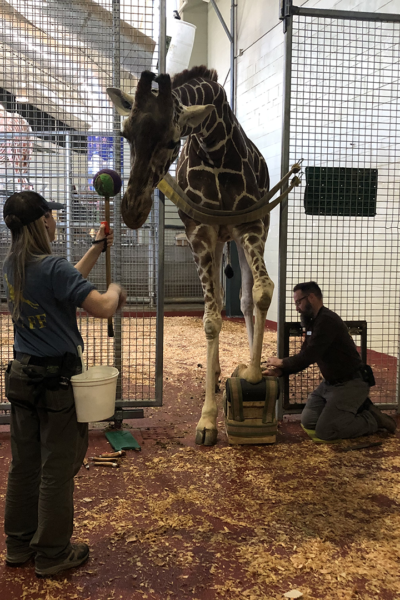
Hoof care training techniques include asking the animal to voluntarily approach the team, then lift, position and hold its foot so staff can access it safely.

When working around the feet of a 17-foot-tall, one-ton animal, human safety is crucial. The team developed co-working communication that allows one person to train and keep the giraffe’s attention while the other person performs a hoof trim (or other necessary hoof work). Staff learned which kinds of barriers would best protect them and provide adequate access while working safely around giraffe feet. They also studied behaviors in the giraffe so they could recognize when a giraffe might need a break from hoof work.
Zoo campers fingerpainting
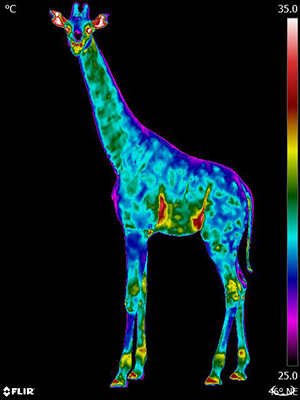
Once the herd trained to receive x-rays, the care team found that arthritis, ligament injuries, bone damage, and sometimes fractures were present at a rate they weren’t expecting. This discovery led the team to establish a program that included routine front foot x-rays, thermography, visual assessments and monthly hoof trims.

“We can more accurately diagnose and manage giraffe foot health with less invasive procedures, thanks to training,” said Dr. Dadone. “Now that we know giraffe are prone to these issues, we prioritize training of animals from an early age. The goal is that every giraffe, from one year of age, can have its front feet handled and can receive baseline x-rays. The hope is that we can help the next generation of giraffe avoid some of the issues our older giraffe might be experiencing.”

Young giraffe, like Viv, born at CMZoo in July 2019, start training to participate in their care from an early age. Nearly 8-month-old Viv already participates in prerequisite training that will lead to hoof care training. Her keepers say she is shift-trained, which means she will voluntarily move to another area of the barn or outdoor yard when asked. Viv also shifts into ‘the chute,’ which is a narrow part of the indoor barn that some giraffe move through to receive hoof care and other care.

She participates in target training, as well, which means she will touch her nose to a target held by her trainers. For hoof care or x-ray training, target training helps trainers communicate the very specific location the animal is being asked to move to. Likewise, the target helps animals understand what’s being asked of them.

Viv’s keepers have taught her a ‘back up’ command, which helps Viv get into position for hoof care, among other things. They recently started training Viv to get comfortable with being touched, beginning with her shoulders. Once she’s comfortable with being touched on the shoulders, they will continue progress to eventually touch her hooves, which will get Viv even closer to receiving ongoing hoof care.

As CMZoo’s giraffe care team continues finding new ways to improve the health of animals in their care, they learn from and share best practices with the wider giraffe care community. They do this by attending conferences, hosting CMZoo’s annual giraffe care workshops, and through studies, programs and partnerships with Equine Lameness Prevention Organization, Colorado State University Veterinary Teaching Hospital, Giraffe Conservation Foundation and more.

Back to The Waterhole