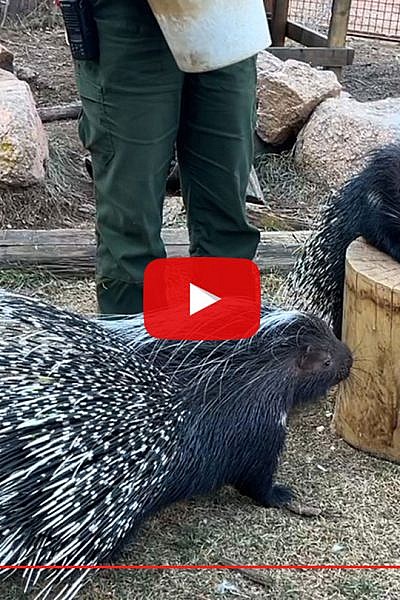
Say hello to Thistle, Waffles’ new companion! Thistle is settling in well and doing great with his training. Thistle and Waffles have a breeding recommendation through the Cape Porcupine Species Survival Plan, which helps manage genetic diversity and healthy populations in human care for their species. Waffles and Thistle have quickly bonded and can often be seen cuddling in their den or exploring their habitat in African Rift Valley together. Stay tuned for more Waffles and Thistle updates!

For the tenth consecutive year, Cheyenne Mountain Zoo is nominated for Best Zoo in the U.S. in USA TODAY’s 10Best Readers’ Choice Awards. Supporters can vote daily through Mon., March 9 at cmzoo.org/vote.
A vote for CMZoo is a vote for your favorite animal and for your community, because a high ranking elevates the entire Zoo – and Colorado Springs.
Anyone who has made eye contact with a tiger, petted a wallaby, felt the roar of an African lion, hand-fed a giraffe or walked alongside an African penguin knows how special our hometown Zoo is. This friendly competition amongst zoos nationwide is an excellent way to show your support.
Voting continues now through 10 a.m. MT on Mon., March 9. Supporters are encouraged to vote every day at cmzoo.org/vote.
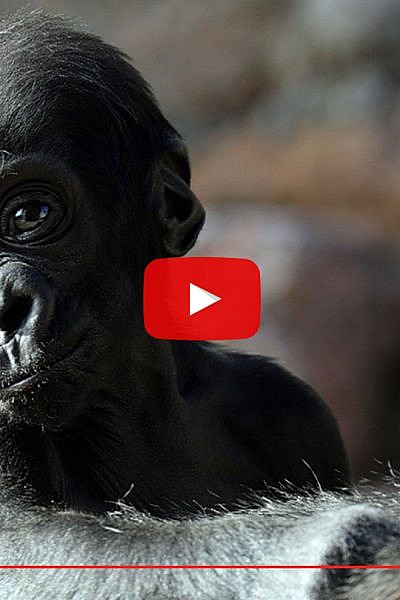
We’re marking six months of Sully sweetness! Since his birth on July 21, 2025, Sully has been growing more curious, confident and lovable every day. In six months, Sully has reached several major milestones, including learning to balance while standing on Asha’s back, crawling independently near Asha, interacting with Goma and Kwisha, trying solid foods, showing interest in guests and building positive relationships with his care team.
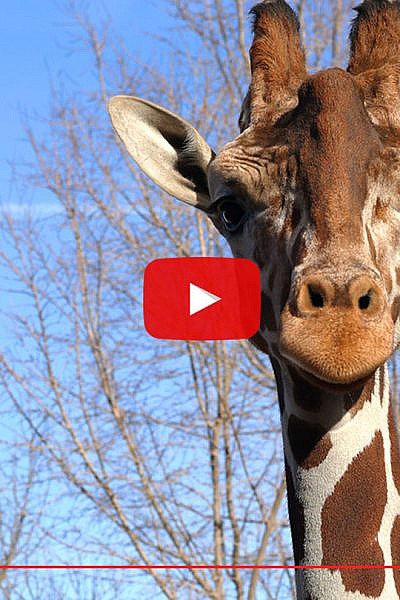
Say hello to Jasiri, a 5-year-old reticulated giraffe who recently arrived at Cheyenne Mountain Zoo from Denver Zoo Conservation Alliance for a temporary stay. Jasiri’s move supports giraffe conservation through the Giraffe Species Survival Plan (SSP), a program managed by the Association of Zoos and Aquariums (AZA).
Jasiri’s arrival went smoothly — he calmly walked off the specialized trailer and into his temporary home, where the neighboring giraffe herd was already eager to say hello. From curious nuzzles and sniffs to a few gentle licks, the herd wasted no time welcoming him.
Swing by African Rift Valley to say hello to Jasiri!
CONSERVATION
Every visit and every membership to Cheyenne Mountain Zoo is conservation in action. Between local projects supported by the annual Members-Only Conservation Vote, and ongoing global efforts supported by the Zoo’s Quarters for Conservation program. Conservation never stops at CMZoo, and here are a few highlights from 2025.
In September, Cheyenne Mountain Zoo and its members and guests celebrated a huge milestone, having raised $6 million for wildlife and wild places since the Zoo’s Quarters for Conservation (Q4C) program launched in 2008.
Every visitor to the Zoo receives three ‘quarter’ tokens representing the 75¢ Q4C allocation from their admission fee. They can then show support for the legacy projects they love by placing their tokens in the corresponding slots in the Q4C kiosks near admissions.
Before launching Q4C in 2008, CMZoo was supporting conservation, but at a fraction of what is possible now. As more people visit the Zoo each year, the Zoo can contribute more money to conservation. In the past few years, CMZoo has collected approximately one million dollars every 20 months through Q4C.
The Zoo’s membership, special events, admissions and EdVenture programs also contribute to conservation. CMZoo’s current Q4C beneficiary species include giraffe, Panama frogs, orangutans, black-footed ferrets, African elephants and black rhinos, Wyoming toads and Amur tigers.
In May, Q4C funding hit another milestone: surpassing one million dollars raised for orangutan conservation.
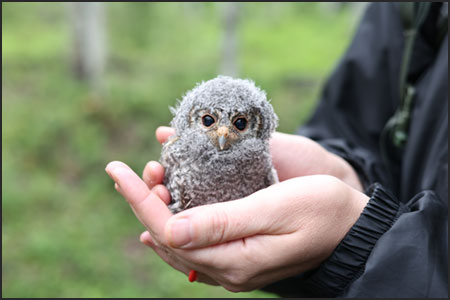
In addition to Q4C-supported staff field work releasing black-footed ferrets and Wyoming toads this year, CMZoo staff participated in flammulated owl field research funded by the Members-Only Conservation Vote. Each spring, the elusive flammulated owl returns to the quiet forests of Pike National Forest, Colorado, to raise a new generation. Thanks to the support of Cheyenne Mountain Zoo members, CMZoo staff joined Dr. Brian Linkhart — who has dedicated over 40 years to studying these owls — to continue this long-term research.
Funded by CMZoo’s annual Members-Only Conservation Vote, Motus tracking devices help researchers uncover owls’ incredible migration routes from Central America through the U.S. and Canada. This season, the team banded a fledgling after witnessing its very first flight and collected vital biological data to monitor health and population trends.
These owls face threats from habitat loss and human impacts, making member-funded conservation efforts essential to helping Colorado’s forests and flammulated owls thrive for generations to come.
________________________________________
CUTENESS
Several new faces joined the CMZoo animal family in 2025.
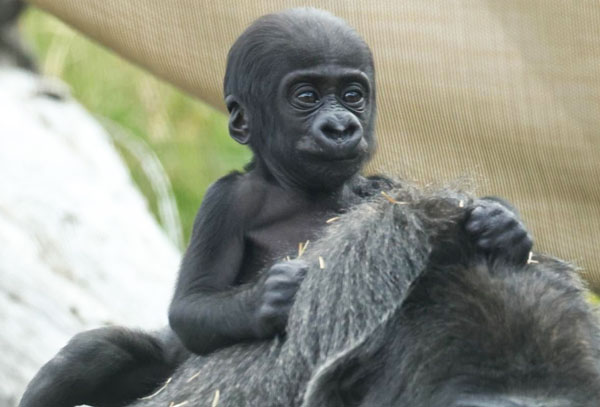
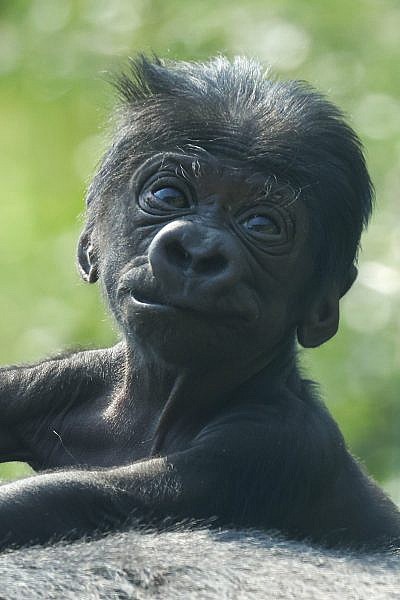
Sully, the first Western lowland gorilla baby born at the Zoo in nearly 13 years, was born on July 21, 2025 to experienced mom, Asha. Sully’s birth was significant for several reasons, including making Goma, CMZoo’s silverback and a genetically valuable member of the species survival plan, a dad for the first time. CMZoo members and supporters helped name Sully, raising $39,451 for animal care, conservation and Zoo operations and improvements.
Holmes and Keoki, a pair of lar gibbons, joined the Zoo in September and August, respectively. The arrivals of Keoki and Holmes support the Gibbon Species Survival Plan, helping to manage a diverse and healthy population in human care while inspiring gibbon preservation for their wild counterparts. Lar gibbons usually live in small family groups made up of a bonded pair and their offspring — and these two have a breeding recommendation!
Kinda (rhymes with Linda) arrived at Cheyenne Mountain Zoo in May, becoming the third member of the herd under four years old! She’s easy to spot in the herd because she’s currently the smallest, and her coat is a darker brown than others.
Sparrow, the first penguin chick in Water’s Edge: Africa, hatched in early April. Now, he’s nearly full grown, and has a young playmate in the flock! A female African penguin hatched in October, growing the flock to 18 penguins.
Olive, a 1-year-old Hoffmann’s two-toed sloth made her debut as a New Year’s baby in Scutes Family Gallery, to first-time mom, Aysan, and dad, Bosco. The public voted between three names chosen by keepers, and Olive was the clear winner.
________________________________________
CONSTRUCTION

Progress can be painful, but construction on the International Center for the Care and Conservation of Giraffe is entering its final phase! The roof was completed before the first big snow of the season – a major achievement for the teams working hard to create a world class giraffe center that is going to take giraffe care to the next level, AND give guests new and exciting ways to get closer (and hand-feed, of course) the giraffe herd. CMZoo President & CEO, Bob Chastain, has been keeping fans updated in a video series called “Bob’s Blueprints,” and fans can sign up to receive every update via email at cmzoo.org/bobsblueprints. Watch the YouTube playlist here.
As part of the Giraffe Center upgrades, Waffles, CMZoo’s beloved African cape porcupine got an exhibit upgrade – and moved in with Cape vultures, Hedwig and Godric.
The Giraffe Center is expected to open in summer 2026, and until then, guests can still feed the giraffe herd every day, and visit all of the animals living in African Rift Valley, including African lions, meerkats, vultures and Waffles.
Up the hill from the Giraffe Center, the Zoo’s playhill area is closed until around Spring Break for major upgrades including slides, cushier turf playhills, a guest-only sidewalk, more outdoor seating areas and a bigger-than-ever dirt hill.
The incredibly popular area was originally designed as a ‘test’ to see if guests enjoyed it, or if the Zoo should go another direction with the space. It’s clearly a hit, so this construction project will set up the space more permanently.
In addition to bigger and better play and seating areas, the playhills will get a drainage system upgrade. Because the current playhills were never meant to be permanent, there are infrastructure improvements to be made. The better drainage system should reduce puddles in the warmer months and ice patches in the colder months, improving the guest experience.
________________________________________
2025 was a memorable year for all of these reasons and more – including the highest-ever ranking in the national USA TODAY 10Best Readers’ Choice Awards for Best Zoo. CMZoo supporters made time every day to vote for the Zoo for nearly a month in February 2025, and your support earned CMZoo #2 Best Zoo in the nation!
In November, supporters showed up again, and earned CMZoo’s Electric Safari #2 Best Zoo Lights in the nation! There’s still time to visit Electric Safari! The holiday lights celebration continues nightly through Jan. 1, 2026, except Christmas Eve.
As the Zoo prepares for a big year in 2026, with centennial celebrations, the Giraffe Center grand opening, Bob Chastain’s retirement and a new president & CEO, your continued support allows us to do big things and focus on improving animal welfare, guest experiences and conservation efforts.
Thank you for an amazing year. The best is yet to come.
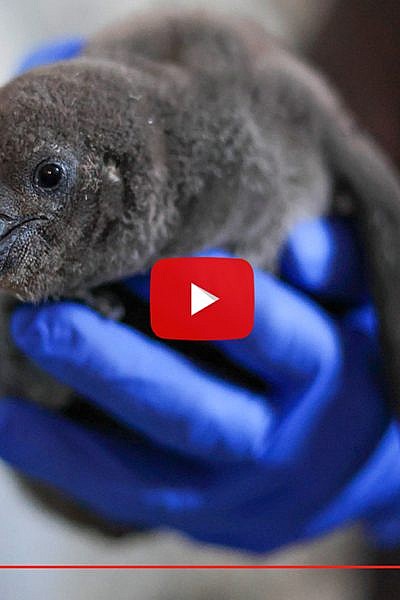
Biggs and Percy welcomed their first chick on October 18, 2025, and they’re doing a great job caring for her! She already weighs about 6 pounds — nearly the size of an adult African penguin. This adorable chick is already making a big impact as an ambassador for African penguins.
In 2024, African penguins were officially uplisted to ‘critically endangered’ on the International Union for Conservation of Nature (IUCN) Red List, with the number of wild breeding pairs falling below 10,000. If current trends continue, these charismatic birds could be extinct in the wild by 2035.
Since 2010, CMZoo guests and members have contributed more than $200,000 to Southern African Foundation for the Conservation of Coastal Birds (SANCCOB) in support of African penguin conservation. In 2020, the Zoo deepened its commitment by joining AZA African Penguin SAFE (Saving Animals From Extinction), a collaborative program supported by the Association of Zoos and Aquariums.
Every visit to CMZoo is conservation in action. Guests visiting CMZoo can see African penguins up close, including this new chick, knowing their visit helps support a future for this species in the wild.
Keep an eye (and ear) out for the chick in the penguin building in Water’s Edge: Africa! Although she usually stays cozy in the nest with Biggs and Percy, you might catch her wriggling out or hear her peeps letting her family know it’s snack time.
Stay tuned for updates!

Electric Safari was voted #2 Best Zoo Lights in the U.S. — come see why! Explore our mountainside winter wonderland nightly through Thurs., Jan.1, 2026 – except Christmas Eve. Electric Safari is free for Zoo members – and members can get early entry, from 4 to 5 p.m. General admission is from 5 to 7:30 p.m. Electric Safari ends at 8:30 p.m. Advance tickets are required for members and the general public, and some nights will sell out. Get tickets at cmzoo.org/electric.
Is your preferred night sold out? Rideshare tickets are always available! Get them at cmzoo.org/electric.
Please help us thank our Electric Safari 2025 partners, Children’s Hospital Colorado, Raising Cane’s Chicken Fingers, Toyota, Sturgeon Electric Company, Inc. and US Bank.
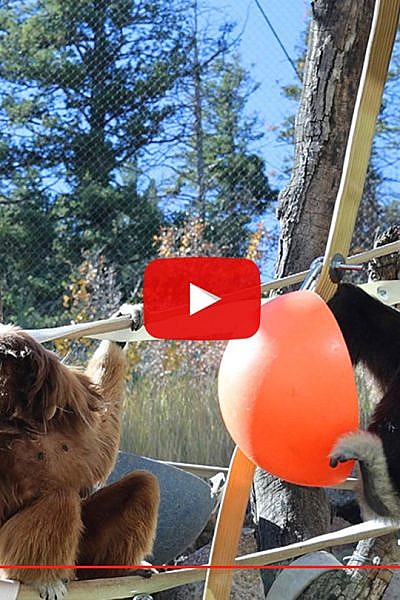
IN PARTNERSHIP WITH CHILDREN’S HOSPITAL COLORADO – Two new fluffy faces are getting to know each other and learning the ropes in Primate World! Meet Keoki (pronounced key-OH-key) and Holmes, CMZoo’s new lar gibbons. While they’ve settled in since their arrivals in August and September, their CMZoo care team has been helping them adjust to their new home.
Similarly, CMZoo’s year-round partner, Children’s Hospital Colorado, offers research-backed tips to help parents and caregivers nurture resilience in their own children. Read more from their child psychologist here: https://www.childrenscolorado.org/just-ask-childrens/articles/resilience-in-children/.
Keoki and Holmes are growing in confidence as they explore new spaces, engage with enrichment and participate in training together, building positive relationships with each other and their care team along the way.
Eight-year-old female lar gibbon, Keoki, arrived at CMZoo in August, and seven-year-old male lar gibbon, Holmes, joined her in September. The two recently started sharing space and quickly took an interest in each other. Since Keoki arrived first, she’s been helping Holmes settle in exploring his new home.
The arrivals of Keoki and Holmes support the Gibbon Species Survival Plan, helping to manage a diverse and healthy population in human care while inspiring gibbon preservation for their wild counterparts. Lar gibbons usually live in small family groups made up of a bonded pair and their offspring — and these two have a breeding recommendation!
Lar gibbons, also known as white-handed gibbons, are endangered primates native to the tropical forests of Indonesia, Laos, Malaysia, Myanmar and Thailand. Similar to orangutans, lar gibbons are impacted by unsustainable palm oil production, which has led to deforestation and the loss of their natural habitat. When produced sustainably, palm oil is the most productive edible oil available. Oil palms – the trees that palm oil comes from – produce four to ten times more oil than alternatives like soy, olive, canola and coconut. Switching to these alternatives would cause even more deforestation in tropical areas.
Luckily, you can help save their rainforests from the comfort of your own smartphone. Download the World Association of Zoos and Aquariums (WAZA) free mobile smartphone app, PalmOil Scan, from the Apple App Store or Google Play today. Next time you go shopping, just open your app, scan a product’s barcode, and see how that company ranks. If they haven’t committed to sustainable palm oil, consider instead supporting a similar company that has. This app was developed under the direction of WAZA, and is managed in North America by Cheyenne Mountain Zoo. PalmOil Scan is available in the United States, Canada, the United Kingdom, Singapore, Australia and New Zealand.
Download the app today and learn more at cmzoo.org/palmoil — and stop by to welcome Holmes and Keoki next time you’re at CMZoo!
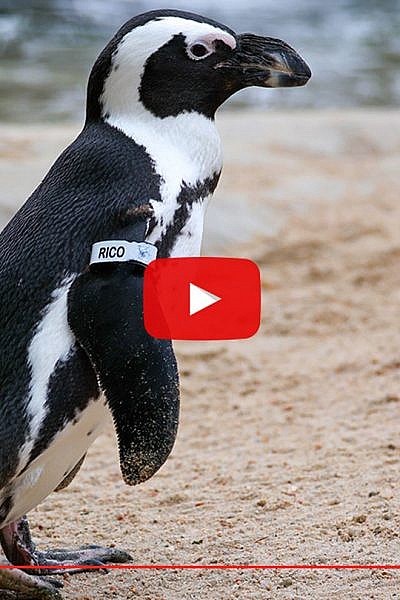
Celebrate our seventeen ‘flockstars’ on International African Penguin Awareness Day (IAPAD), on Sat., Oct. 11 from 9 a.m. to 3:30 p.m. at the Zoo! You won’t want to miss six-month-old Sparrow’s very first IAPAD!
Penguin enthusiasts can join us in Water’s Edge: Africa for crafts, games, and other activities available throughout the day. Don’t miss the keeper demonstrations during penguin feeding times at 9:30 a.m. and 3:30 p.m., as well as a walkabout with a penguin named Napoleon at 11 a.m. There’s no cost to attend IAPAD events, but advance daytime admission tickets are required and can be purchased at cmzoo.org.
In 2024, African penguins were officially uplisted to ‘critically endangered’ on the International Union for Conservation of Nature (IUCN) Red List, with the number of wild breeding pairs falling below 10,000.
If current trends continue, these charismatic birds could be extinct in the wild by 2035. The wild African penguin population is dropping at a rate of nearly 8 percent per year, but thanks to support from CMZoo members and guests, these charismatic birds have a better chance of survival in the wild. Conservationists, with support from CMZoo members and guests, provide hope.
Since 2010, CMZoo members and guests have contributed more than $$200,000 to Southern African Foundation for the Conservation of Coastal Birds (SANCCOB saves seabirds) in support of African penguin conservation.
In 2020, the Zoo deepened its commitment by joining AZA African Penguin SAFE (Saving Animals From Extinction), a collaborative program supported by the Association of Zoos and Aquariums.
Every visit to CMZoo is conservation in action, because every visit and every membership contributes around one million dollars every 20 months to the Zoo’s Quarters for Conservation program, supporting efforts to save wildlife around the world.
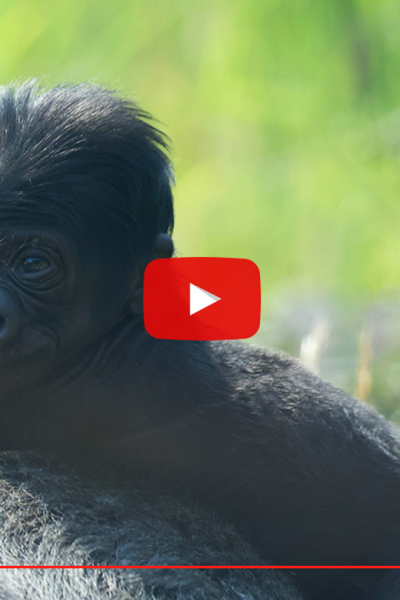
IN PARTNERSHIP WITH CHILDREN’S HOSPITAL COLORADO – CMZoo’s year-round partner, Children’s Hospital Colorado, has created a guide to first-year doctor visits for human babies. Similarly, Cheyenne Mountain Zoo’s primate keepers are tracking milestones for Asha’s baby gorilla’s first year of life.
Asha, a 32-year-old critically endangered Western lowland gorilla, welcomed a baby boy on July 21, 2025. Both seem to be doing well! The baby is hitting lots of gorilla baby milestones, including clinging tightly to mom, nursing regularly, mouthing Asha’s solid food, practicing head and limb control and making focused eye contact.