In Partnership with Children’s Hospital Colorado

Some cuddle, some snore, some sleep on all fours. No matter how we do it, getting quality sleep is an important part of every healthy routine, whether you’re a human or an animal! Cheyenne Mountain Zoo’s partners at Children’s Hospital Colorado recently shared advice for parents considering what kind of sleep is best for their babies. There are lots of options for helping human infants sleep well, just like there are many different ways animals at the Zoo sleep!
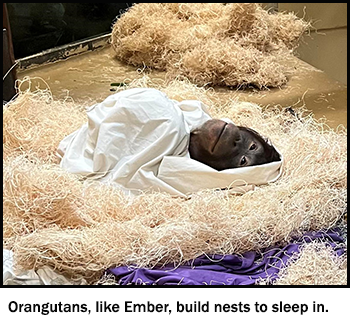
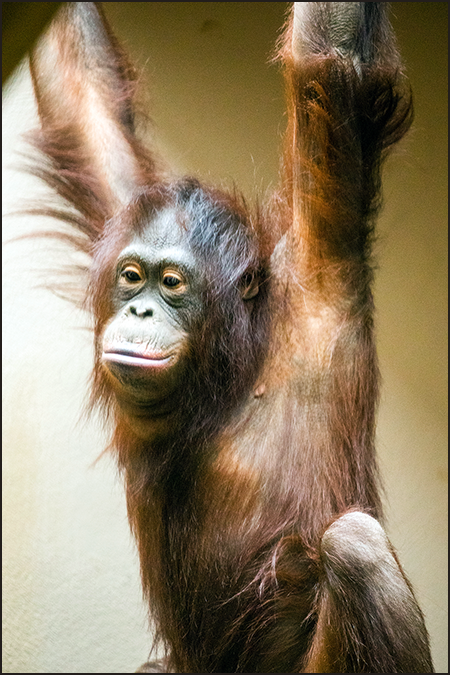
Orangutans might be the most particular sleepers at the Zoo. In the wild and in human care, they make new nests to sleep in almost every day. They usually assemble one nest for a midday nap and another more elaborate nest for their longer sleep at night.

To build nests at the Zoo, orangutans gather large amounts of bedding such as grass hay, wood wool, blankets, big paper bags and tree branches into a pile. Then, they sit in the center of the pile and pat, weave, rearrange, sort and layer the materials until their nest is just right. They typically build nests on the ground and on their tree-high platforms to sleep, but also rest in hammocks, big tubs or separate den rooms.

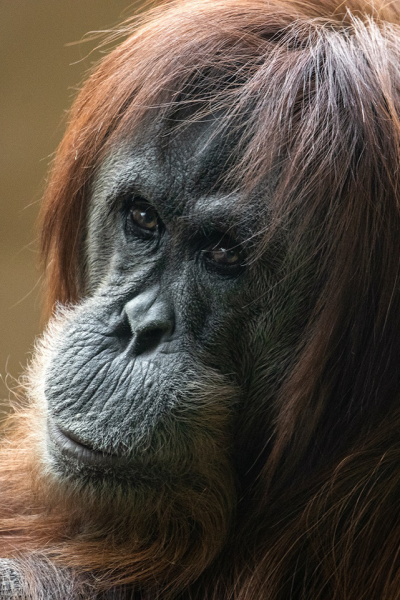
Young orangutans practice building nests for years before they start sleeping in their own nests as adults. Kera, CMZoo’s 4-year-old female Sumatran orangutan who lives and sleeps with her mom, Sumagu, practices nest building many times each day, but still shares mom’s nest to sleep.

“Orangutans learn by observing others, so Kera has watched Sumagu build nests since she was born and makes her own,” said Dina Bredahl, animal behavior assistant and longtime primate keeper at CMZoo. “Kera routinely flings her nesting materials to destroy her nest when she’s finished building so she can start all over again. Practice makes perfect!”
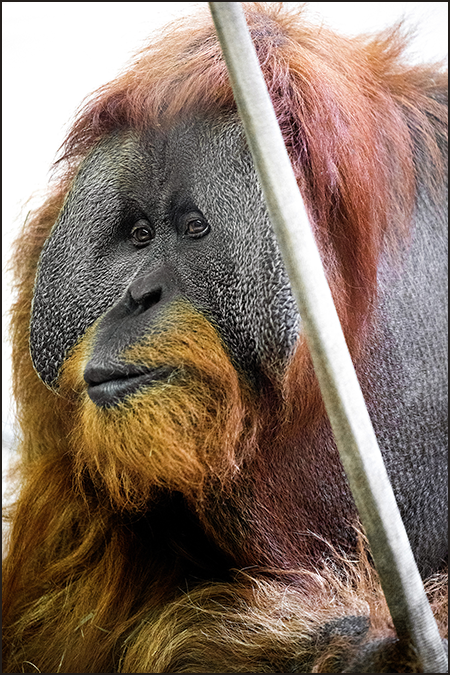
Like many humans aim to do, orangutans sleep for around eight to 10 hours a day. Tujoh, CMZoo’s 28-year-old male Northwest Bornean orangutan, seems to like the soothing sound of running water when he drifts off to sleep.

“We noticed that Tujoh would tinker with his drinking fountain each night until he made it run consistently,” said Bredahl. “So, we installed a small pool that circulates water and gives him the trickling water sounds that he seems to enjoy for a good night’s rest.”

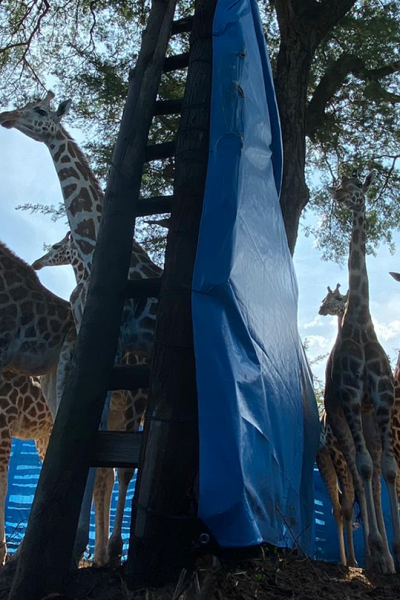
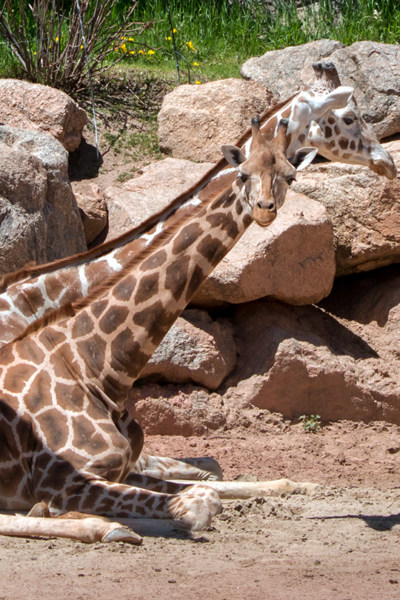
CMZoo’s giraffe don’t need much sleep. They only rest or sleep for two to five hours a day! Most members of the tower only sleep for one-to-three hours at a time. Some giraffe stand up to sleep, others lie down and some do a combination of both.
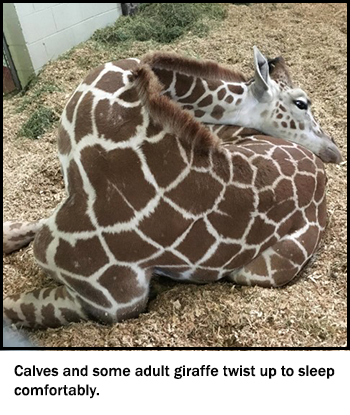
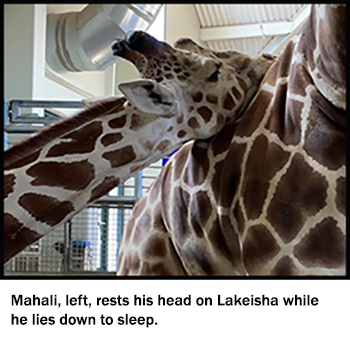
“The giraffe who lie down will twist themselves up into what looks like a big pretzel, and rest their heads on their hips with their legs either straight out or folded underneath them,” said Savannah Woods, African Rift Valley keeper. “I’ve also seen Mahali lying down to sleep and using Lakeisha’s back to rest his head while she’s standing next to him.”

They often sleep together in groups at night, but some take midday naps, like 4-year-old male Ohe, who can frequently be seen snoozing in the yard for a brief moment of shut-eye.

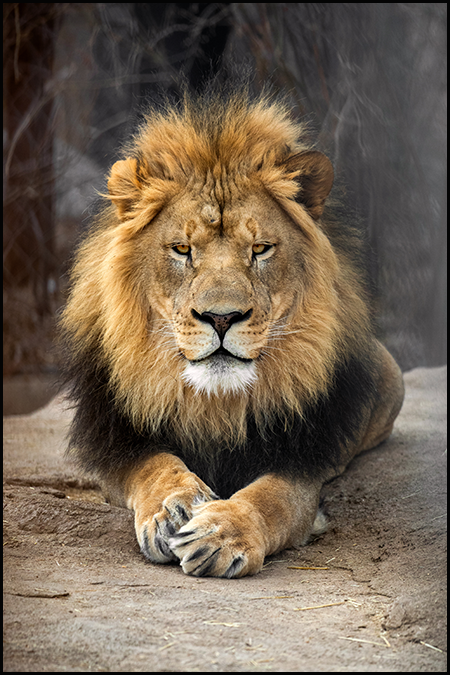
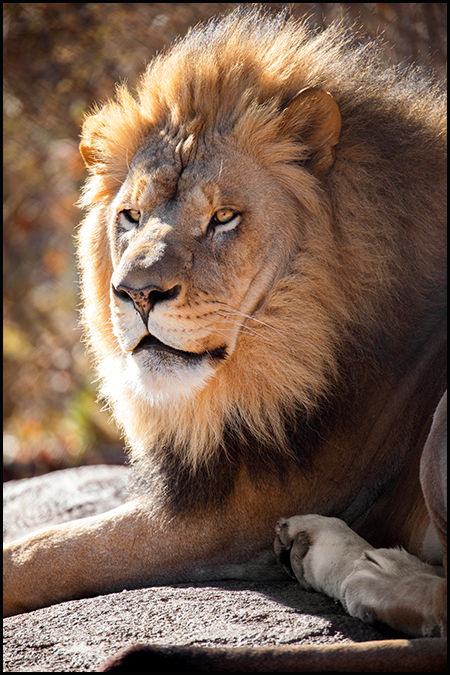
Big cats, on the other hand, sleep off and on for most of the day. Taking frequent cat naps allows them get plenty of rest while still maintaining awareness of their surroundings. Mountain lions sleep for up to 17 hours per day! They prefer cool, shady spots in the warmer seasons and sunny rocks during the cooler months. CMZoo’s mountain lions, Sitka, Adira and Koda, can often be found enjoying one of their heated rocks in the winter or the covered, cool spots under trees in their habitat in the summer months.
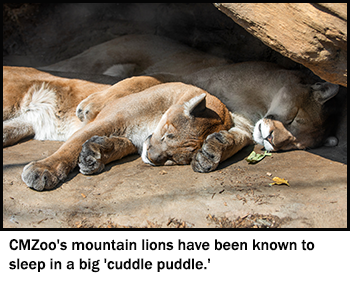
“Mountain lions are typically solitary in the wild, but have also been observed in social groupings,” said Courtney Rogers, senior keeper in Rocky Mountain Wild. “Our three mountain lions have been together from a young age, so they’re comfortable around each other and have become famous for their big cat ‘cuddle puddles,’ where they sleep in a big pile together by the glass guest viewing area.”

Mountain lions aren’t the only animals that sleep next to each other. Omo, CMZoo’s one-year-old Nile hippo, and his mom, Zambezi, often sleep in a big spoon, little spoon position. That’s only when they’re on land, though. CMZoo’s four hippos usually head to their pools around 2 a.m. to sleep the rest of the night away.

“Omo is getting more independent these days, but he used to use Zambezi as a raft when he was smaller,” said Al Carrier, Water’s Edge: Africa senior keeper. “They still rest their heads on each other sometimes. Hippos are really cool because they sleep mostly underwater and their instincts bring their noses to the surface to breathe every 5 minutes or so, without them waking up.”
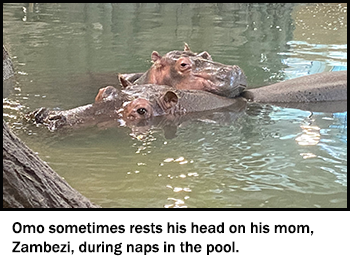
Each night, CMZoo’s hippos sleep for about 10 hours and nap for around another three hours during the day. Because they’re so large-and-in-charge, hippos are usually deep sleepers. If something wakes them up while they’re underwater, they can communicate through ‘hippo laughs’ that sound like a snort mixed with an old car horn, without surfacing, to let the rest of the pod know there’s a disturbance.

Wolves, known for their pack behaviors, also sleep near each other but rarely cuddle up once they grow out of puppyhood. That’s not an indication of a lack of bonds, though, for CMZoo’s pack of five Mexican wolves, Navarro, Shadow, Phoenix, Hope and Uno.

“When our wolves wake up in the morning after sleeping for much of the night, they greet each other with lots of face licks and wagging tails, even though they’ve been sleeping near each other the whole time,” said Rogers. “They seem to be light sleepers, always listening and smelling for potential danger. If one hears a noise and wakes up, they often will do a barking vocalization that can also alert the others.”
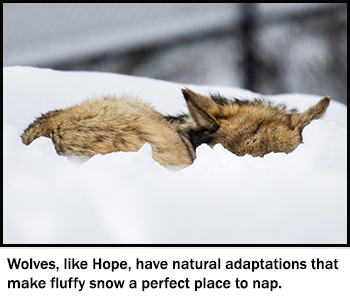
Wolves sleep around eight hours in a 24-hour period, usually lightly, with a long rest at night or after a big meal and with short naps throughout the day. Uno, CMZoo’s three-year-old female Mexican wolf was seen sleeping deeply when she was a pup, though.

“When they’re young, they often cuddle with their mothers,” said Rogers. “We would see Uno climbing up on top of her late mom, Luna, to sleep right on top of her in the den. She’s also the only one I’ve seen ‘twitching’ in her sleep, like dogs do. We can’t know for sure if she was dreaming, but it looked like she was running in her sleep, so maybe she was.”

Next time you’re at CMZoo, see how your sleep compares to the animals you visit!
Back to The Waterhole

If you’ve ever wanted to save the rainforests from the comfort of your smartphone, now’s your chance. With a brand-new free global mobile app, everyone has the power to advocate with their shopping choices, and to make large companies listen to their demands for sustainably produced palm oil.

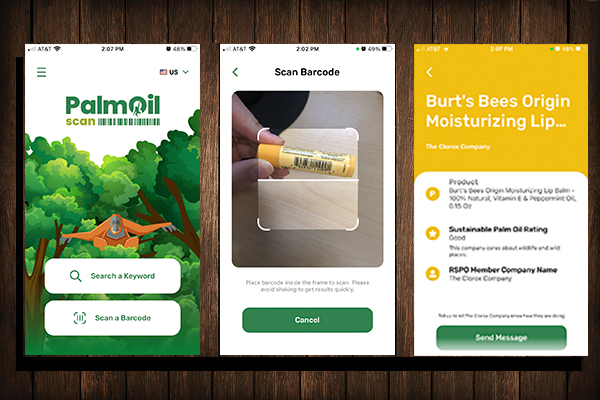
Cheyenne Mountain Zoo (CMZoo), under the direction of the World Association of Zoos and Aquariums (WAZA), is launching a mobile app, called PalmOil Scan. The free smartphone app will empower consumers to make informed, environmentally-friendly shopping decisions, just by scanning a barcode. PalmOil Scan is available on the Apple App Store and Google Play in the U.S. and Canada now.

“With this app, consumers can easily make informed choices that benefit wild animals and their habitats,” said Tracey Gazibara, executive vice president at CMZoo and co-chair of the WAZA Palm Oil Subcommittee. “If worldwide consumers show preference for companies that source only sustainable palm oil, we can create a demand that other companies can’t ignore. When more companies realize their potential customers will not stand for the use of unsustainable palm oil, we can prevent more deforestation and help endangered animals recover in the wild.”

Palm oil is an edible oil that can be found in about half of the products consumers purchase. It is used in candy, soaps, cosmetics, pet food, and even toilet paper. Because of high demand, unsustainable palm oil production has resulted in deforestation across Southeast Asia, and other tropical areas, which means critically endangered species like orangutans, tigers, and elephants are losing their homes.

However, when produced sustainably, palm oil is the most productive edible oil available. Oil palms – the trees that palm oil comes from – produce four to ten times more oil than alternatives like soy, olive, canola and coconut. Switching to these alternatives would cause even more deforestation in tropical areas, which is why consumers must demand sustainable palm oil.

Conscientious consumers can scan the barcodes on thousands of products in the app’s extensive database (which is being updated and expanded constantly) to see if they are produced by a company that has committed to sourcing sustainable palm oil. The new app also has a search feature, so if consumers scan a product that isn’t orangutan-friendly, they can easily choose an alternative that is.

Companies that have previously relied on their customers’ lack of knowledge about unsustainable palm oil and its impact on orangutans, tigers, rhinos, and elephants will soon recognize their competitors have the edge on them.

“Companies that continue to use unsustainable palm oil in their products need to see that consumers have the tools and knowledge to find out whether they value the habitats that so many endangered species depend on,” said Gazibara. “Sustainable palm oil production is possible, and it is time for us all to hold companies to a higher standard.”

CMZoo has been a leader in sustainable palm oil advocacy for more than a decade. The Zoo launched a similar mobile app for consumers in the U.S. and Canada in 2014. More than 160,000 verified users have educated themselves by using CMZoo’s app. Its design, database and user experience served as the foundation for the design of PalmOil Scan, which has the potential to reach millions more people around the world.

With the launch of PalmOil Scan, CMZoo has discontinued its former app. Depending on individual smartphone settings, users who previously used the CMZoo palm oil app may have automatically downloaded PalmOil Scan, or they may need to delete the old app and download PalmOil Scan manually. It is available now in the U.S. and Canada, and will be available in additional countries later this year.

To learn more about sustainable palm oil, and how the power of consumer choice can save critically endangered animals in Southeast Asia, visit cmzoo.org/palmoil.

Download the PalmOil Scan App

About Cheyenne Mountain Zoo

Cheyenne Mountain Zoological Society was founded in 1926. Today, Cheyenne Mountain Zoo, America’s mountain Zoo, offers comprehensive education programs, exciting conservation efforts and truly fantastic animal experiences. In 2022, Cheyenne Mountain Zoo was voted #3 Best Zoo in North America and CMZoo’s Rocky Mountain Wild was named #2 Best Zoo Exhibit in North America by USA TODAY 10Best Readers’ Choice Awards. It is Cheyenne Mountain Zoo’s goal to help guests fall in love with animals and nature, and take action to protect them. Since 2008, CMZoo’s Quarters for Conservation program has raised $4 million dedicated to frontline conservation efforts around the world. Of the 239 zoos and aquariums accredited by the Association of Zoos and Aquariums (AZA), Cheyenne Mountain Zoo is one of just a few operating without tax support. Cheyenne Mountain Zoo depends on admissions, membership dues, special event attendance and donations for funding.


Cheyenne Mountain Zoo and its guests and members are celebrating a huge milestone, having raised $4 million for wildlife and wild places, since the Zoo’s Quarters for Conservation (Q4C) program launched in 2008.

Every visitor to the Zoo receives three “quarter” tokens representing the 75¢ Q4C allocation from their admission fee. They can then show support for the legacy projects they love by placing their tokens in the corresponding slots in the Q4C kiosks.

In recent years, CMZoo staff have traveled to Africa, Central America, Indonesia and the prairies of Wyoming and Colorado, to lend their expertise in support of our partner organizations around the world. Our guests’ support is far-reaching. It benefits the organizations we support, their teams, local communities and the animals they protect. It also enriches the lives of our teammates who return to the Zoo to share new experiences and reignited passions for protecting wildlife and wild places.

Before launching Q4C in 2008, CMZoo was supporting conservation, but at a fraction of what is possible now. As more people visit the Zoo each year, we can contribute more money to conservation. In the past few years, CMZoo has collected about half a million dollars per year through Q4C. In the Zoo’s 2021 fiscal year, guests contributed nearly three-quarters of a million dollars. The Zoo’s membership and EdVenture programs also contribute to conservation. CMZoo’s current beneficiary species include giraffe, Panama frogs, orangutans, black-footed ferrets, African elephants and rhinos, Wyoming toads and African vultures.

About Our Current Q4C Legacy Projects

Q4C beneficiary species truly run the gamut, from 18-foot-tall giraffe in Africa, to tiny toads in Wyoming.

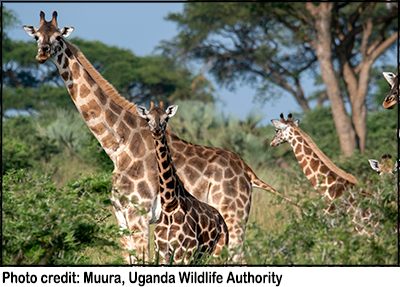
Q4C helps support a multi-organizational giraffe conservation project in Uganda, called Operation Twiga. Operation Twiga began in 2016 to give giraffe a better chance of survival by establishing new populations of giraffe in safe habitats, in partnership with Giraffe Conservation Foundation, Uganda Wildlife Authority and others. Operation Twiga V (2020) was a continuation of Operation Twiga IV (2019), which CMZoo staff attended to assist with anesthesia and moving the giraffe. Both giraffe translocations contributed to populations in Pian Upe Wildlife Reserve, an historic habitat in Uganda where giraffe hadn’t existed for more than 20 years. Ongoing Q4C funding supports the teams who continue to monitor and protect these newly established wild populations.

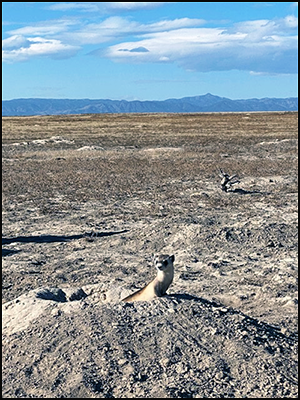
Q4C also funds CMZoo’s on-site breeding programs for black-footed ferrets and Wyoming toads. These endangered prairie species were declared extinct in the wild in the 1980s and early 1990s, and are only around today because of decades of recovery efforts from zoos and partner organizations. 18 ferret kits were born at CMZoo in the 2021 breeding season, and six juveniles were released into their natural habitat by CMZoo staff and wildlife partners in the fall. In Spring and Summer 2021, CMZoo staff released 228 yearling “headstart” toads, 58 metamorph toadlets, and 5,338 tadpoles to their native habitat in Wyoming. Summer 2022 breed-and-release efforts are well underway, and later this year, more of these vital species will join their relatives in the wild, thanks to CMZoo guests’ support.

Wyoming toads are symbolic of so many amphibian species in decline all over the world, including Panamanian frogs, which also receive support thanks to Q4C funds and frontline CMZoo staff support. In February 2019, three CMZoo staff members went to Panama to assist the Panama Amphibian Rescue and Conservation Project by remodifying two feeder insect pods into frog pods. For this 10-day trip, the goal was to set up two shipping containers to house and breed approximately 450 additional frogs brought in from El Valle Amphibian Conservation Center, and later released. This involved disinfecting the shipping containers, painting, installing plumbing and water filtration, assembling racks, and drilling and prepping tanks.

CMZoo’s work to save habitats for orangutans through advocacy for sustainable palm oil production is also largely supported by Q4C. Thanks to that financial support, CMZoo’s sustainable palm oil team consults staff at other conservation organizations on starting their own palm oil programs. The CMZoo sustainable palm oil team continued to focus on international work through the World Association of Zoos and Aquariums (WAZA). The team was instrumental in the creation of the WAZA Short Guide on Sustainable Palm Oil and the sustainable palm oil shopping app, which allows shoppers to scan the barcodes of items to learn whether producers have committed to using sustainable palm oil.

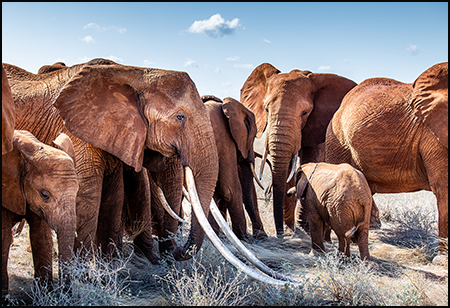
Through Q4C, CMZoo also supports a conservation partner called Tsavo Trust – an organization in Kenya that works to protect the last of the big tuskers, which are African elephants with tusks weighing more than 100 pounds. CMZoo’s funds helped Tsavo Trust build permanent housing that allowed staff to live on the land where these critically endangered giants live. It also paid for pilot hours of frontline aerial surveillance that protects rhinos and elephants from poachers seeking their ivory.

The seventh Q4C legacy partner is VulPro – protectors of African vultures. The dedicated staff at VulPro, in South Africa, save vultures who have been injured as wild birds, and rehabilitates them to release. Those that are too injured to survive in the wild find a permanent home at VulPro.

For more information about these projects and Quarters for Conservation, visit cmzoo.org/conservation.

About Cheyenne Mountain Zoo

Cheyenne Mountain Zoological Society was founded in 1926. Today, Cheyenne Mountain Zoo, America’s mountain Zoo, offers comprehensive education programs, exciting conservation efforts and truly fantastic animal experiences. In 2021, Cheyenne Mountain Zoo was voted #4 Best Zoo in North America and CMZoo’s Rocky Mountain Wild was named #3 Best Zoo Exhibit in North America by USA TODAY 10Best Readers’ Choice Awards. It is Cheyenne Mountain Zoo’s goal to help guests fall in love with animals and nature, and take action to protect them. Of the 242 zoos and aquariums accredited by the Association of Zoos and Aquariums (AZA), Cheyenne Mountain Zoo is one of just a few operating without tax support. Cheyenne Mountain Zoo depends on admissions, membership dues, special event attendance and donations for funding.


With spooky season just around the corner, many people are stocking up on candy. It may come as a surprise, but the type of candy you purchase has an impact on wild orangutan habitats because it likely contains palm oil.

Palm oil is a form of edible vegetable oil obtained from the fruit of the African oil palm tree. Palm oil is widely used in about half of the products we buy, ranging from food to cleaning supplies to cosmetics and more. As the demand for palm oil increased, unfortunately, so did unsustainable farming practices. Rainforests were cleared to quickly make way for more oil palm crops. It is grown in tropical areas, including Borneo and Sumatra, which are home to orangutans and other unique endangered species, like Sumatran rhinos and tigers.

Palm oil, when farmed responsibly, is really efficient compared to other edible oils. Oil palm trees – the plants palm oil comes from – produce four to ten times more oil per hectare than other popular oil crops like soy, olive, rapeseed and coconut. Boycotting palm oil would lead to increased demand for these other edible oils that require more land and resources to be cultivated.

Additionally, for many of the people who live in Indonesia and Malaysia, palm oil cultivation is their main source of income. If these people cannot rely on palm oil cultivation then they could turn to a different economic endeavor such as planting rubber trees, planting a less efficient oil crop, or even, unfortunately, illegal wildlife trading and hunting. Asking for sustainable palm oil means asking for the most efficient oil crop to be grown and harvested correctly with the least amount of impact on our planet.

“Palm oil isn’t the enemy, so we don’t think boycotting is the answer,” said Chelsea Wellmer, palm oil and conservation programs coordinator at CMZoo. “Boycotting is really difficult because there are over 600 names for palm oil on ingredient labels. You could be eating and using palm oil every day without being aware of it. Learning about palm oil and adding it to your list of things to consider as an ethical and conscientious consumer can make a big difference. With our free shopping app, we’ve made that easy for consumers in the U.S. and Canada.”

Cheyenne Mountain Zoo has been integral in promoting the worldwide effort to support sustainably produced palm oil. The Zoo’s free sustainable palm oil shopping guide mobile app, which consumers can use to discover their favorite companies’ level of commitment to using sustainable palm oil, has now been downloaded over 155,000 times and is being promoted by other zoos across the country.

To download the free app, search “Cheyenne Mountain Zoo palm oil” in the Apple App Store or Google Play, and look for the logo with the green orangutan. Once the app is installed, consumers can scan the bar codes of their favorite products to see how the Zoo has rated that company’s progress towards sourcing 100% certified sustainable palm oil.

All products listed in the app are from companies that are members of the Roundtable on Sustainable Palm Oil (RSPO). The Roundtable on Sustainable Palm Oil (RSPO) has established global standards for environmentally and socially responsible palm oil, and engages stakeholders as part of the solution to make sustainable palm oil the norm.

As long as the company is in the app, they have made a commitment to work towards using only certified sustainable palm oil that is deforestation-free. There are three ratings on the app:

  • Green – excellent
  • Yellow – good
  • Orange – needs improvement

The best way to help protect wild orangutan habitats from destruction due to unsustainable palm oil production is to show large companies that consumers will choose products made by companies that have committed to sustainable production over those that have not.
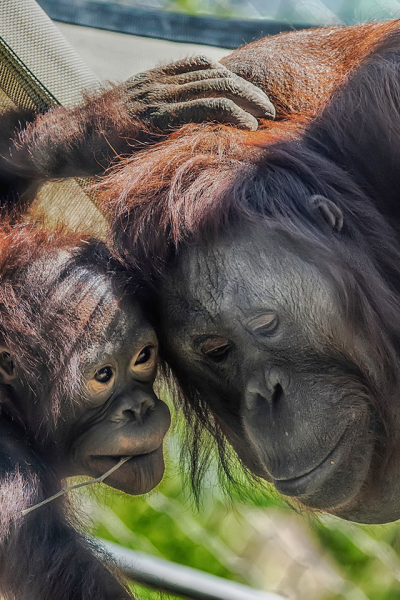
“We understand there are a myriad of issues to consider as a conscientious consumer,” said Wellmer. “As animal advocates and palm oil experts, our goal is to arm consumers with the knowledge that this is another important aspect to consider as they make decisions.”

CMZoo’s palm oil team can also help consumers encourage their favorite companies to make the commitment to using sustainably produced palm oil in their products.

“If there’s a company that you love, because they meet the rest of your ethical standards, but they’re falling short of protecting wild places through sourcing sustainable palm oil, we can help,” said Wellmer. “Our online palm oil resource tool kit has free letter-writing resources that we have seen make an impact with companies. Information is power, and we can help companies learn why they should commit to using only sustainable palm oil in their products.”

Next time you’re visiting CMZoo’s orangutans at Primate World, check out the palm oil resources and activities available. You can also learn more about the use of certified sustainable palm oil and download the Zoo’s free palm oil shopping app by visiting cmzoo.org/palmoil.

Back to The Waterhole
 

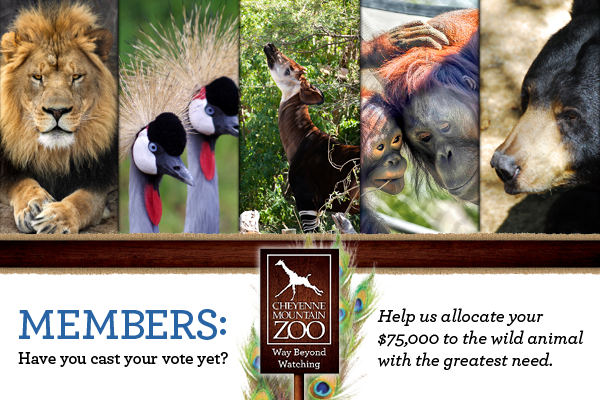
Last month, members cast their votes to help the Zoo decide how to spend $75,000 of member conservation funds among five conservation projects vying for support. The three projects with the most votes will receive the full funding they requested. The number of votes received for the remaining two projects will help CMZoo decide how to distribute the remaining funds.

“This annual vote is another reminder that a membership to CMZoo helps save wildlife and wild places, and we’re grateful that our members have allowed us to do this for six years now,” said Dr. Liza Dadone, vice president of mission and programs at CMZoo. “In addition to supporting our legacy projects through Quarters for Conservation, the membership funds allow us to consider new projects and to act quickly in conservation crises, like we did last year when we sent $20,000 to Australia bush fire recovery efforts. It’s inspiring to see our members so passionate about conservation.”

Every membership and every visit to the Zoo is conservation in action. Since 2015, including this year’s contributions, the Member Conservation Vote has provided $525,000 of membership revenue to support field conservation worldwide. Each year, a total of $100,000 of membership revenue is contributed to conservation in two ways:

  • $25,000 to the Quarters for Conservation program, which in total contributes half a million dollars on average annually to CMZoo’s legacy conservation partners.
  • $75,000 to projects voted for by CMZoo members through this annual vote.

This year’s conservation project recipients, in order of votes received, are:

  1. Reforest a wildlife corridor and help save ORANGUTANS in Borneo – FULLY FUNDED ($20,000)
    In support of two established organizations working to save species in Southeast Asia, this grant will help the HUTAN organization provide tools and funds to local women reforesting the Genting Wildlife Corridor. It will also help the Borneo Orangutan Survival Foundation (BOSF) repair orangutan rehabilitation islands damaged by a devastating flood. The HUTAN corridor is an important animal ‘wildway’ that will connect virgin rainforest with a wildlife sanctuary and is needed by hundreds of species in the area, like orangutans and Asian forest elephants. The BOSF grant provides emergency funds to reopen islands used for orangutan housing and forest school prior to release.
  2. Track AMERICAN BLACK BEAR movements in Colorado – FULLY FUNDED ($14,500)
    In a new partnership with Colorado Parks and Wildlife, this grant will fund the placement of GPS collars on black bear juveniles to collect information about their movements and habitat use after rehabilitation and reintroduction. This valuable data will support ongoing efforts to reduce human-bear wildlife conflicts in the Pikes Peak Region. One of the main drivers of human-bear conflicts is unsecured trash, which serves as a strong attractant for bears. Unfortunately, female bears with cubs can be drawn to unsecured trash and human-wildlife conflicts can then lead to orphaned bear juveniles. Colorado Parks and Wildlife rescues and rehabilitates these young bears, and releases them once they are old enough to live successfully in the wild. As human developments sprawl into historical bear habitat, this data could guide solutions to keep bears safe and behaving like wild bears.
  3. Protect LIONS, CHEETAHS and WILD DOGS from diseases – FULLY FUNDED ($23,600)
    Through a long-time partnership with Ewaso Lions, this organization aims to protect lions and other large carnivores by vaccinating pet dogs in northern Kenya. This funding will support a pet vaccination program by providing local communities with trained personnel, vehicles, veterinary equipment, and materials to make collars that will identify vaccinated dogs. These vaccines can prevent life-threatening diseases like rabies and distemper from being spread from pet dogs to wild carnivores.
  4. Support more agroforestry to protect OKAPI habitat – PARTIALLY FUNDED ($13,225)
    In a continued partnership with the Okapi Conservation Project (OCP), this grant will provide farmers with tools, seeds, natural fertilizers and education in sustainable agriculture practices. Funds will also support reforestation in the region. Found in the Democratic Republic of Congo, okapi are threatened by slash-and-burn agriculture and poaching. This program empowers local communities to produce food sustainably, safeguard water resources, and generate income, while reducing their economic dependence on mining and poaching, thus protecting okapi in the long run. Over the last year, OCP has distributed over 65,000 kg of seedlings and over 62,000 kg of food seeds to more than 900 farmers in the region. Even more exciting, they have been visited by a wild okapi, which is extremely rare.
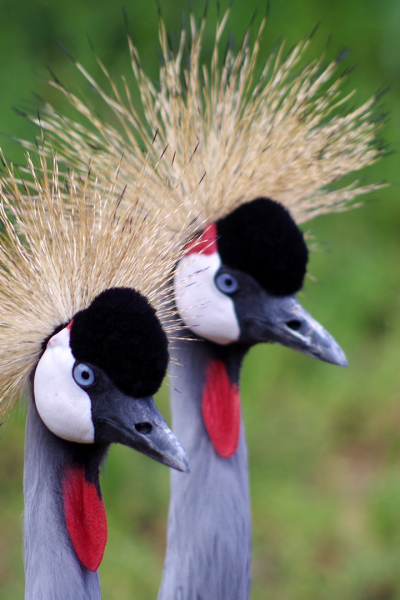
  5. Continue the banding, monitoring, and protection of CROWNED CRANES – PARTIALLY FUNDED ($3,675)
    This grant will fund the banding of 100 East African crowned crane chicks and support data collection to guide future conservation efforts for this species. This project will also establish a Crane Custodian Program, training local community members to advocate for and assist with crane data collection – a crucial component of crane conservation, especially during COVID-related travel restrictions. Found in Kenya, the East African crowned crane has seen a dramatic decrease in population over the last four years. In a continued partnership, the International Crane Foundation and the Leiden Conservation Foundation are collaborating to learn more about this species in order to stabilize its population.

“We’re excited to continue supporting our members’ wishes to fund frontline conservation projects with membership revenue through this annual conservation vote,” said Emma Repp-Maxwell, CMZoo membership manager. “It was interesting to see that the two brand-new projects, orangutans and black bears, placed first and second. We’ll provide updates as these projects launch or continue, depending on the project, throughout the year, so stay tuned!”

For more information about how to become a CMZoo member, and the many benefits that memberships provide, visit cmzoo.org/membership.

Back to The Waterhole


Every membership and every visit to the Zoo is conservation in action. Since 2015, including this year’s contributions, the Member Conservation Vote has provided $525,000 of membership revenue to support field conservation worldwide. Each year, a total of $100,000 of membership revenue is contributed to conservation in two ways:

  • $25,000 to the Quarters for Conservation program, which in total contributes half a million dollars on average annually to CMZoo’s legacy conservation partners.
  • $75,000 to projects voted for by CMZoo members through this annual vote.

“Over the years, members have funded projects that support organizations working to protect vulnerable species in places like Ecuador, Kenya, South Africa, Southeast Asia, Australia right in our backyard,” said Dr. Liza Dadone, vice president of mission and programs at CMZoo. “These grants make a huge impact for the small-but-mighty projects that are making a difference for wildlife, wild places, and the people who border their habitats. We wouldn’t be able to support them without our members.”

Through Sunday, March 28, 2021, members will cast their votes to help the Zoo decide how to spend $75,000 of member conservation funds among five conservation projects vying for support. The three projects with the most votes will receive the full funding they requested. The number of votes received for the remaining three projects will help CMZoo decide how to distribute the remaining funds.

The five conservation projects up for our members’ consideration are:

Protect LIONS, CHEETAHS and WILD DOGS from diseases
Through a long-time partnership with Ewaso Lions, this organization aims to protect lions and other large carnivores by vaccinating pet dogs in northern Kenya. This funding will support a pet vaccination program by providing local communities with trained personnel, vehicles, veterinary equipment, and materials to make collars that will identify vaccinated dogs. These vaccines can prevent life-threatening diseases like rabies and distemper from being spread from pet dogs to wild carnivores.

Continue the banding, monitoring, and protection of CROWNED CRANES
This grant will fund the banding of 100 East African crowned crane chicks and support data collection to guide future conservation efforts for this species. This project will also establish a Crane Custodian Program, training local community members to advocate for and assist with crane data collection – a crucial component of crane conservation, especially during COVID-related travel restrictions. Found in Kenya, the East African crowned crane has seen a dramatic decrease in population over the last four years. In a continued partnership, the International Crane Foundation and the Leiden Conservation Foundation are collaborating to learn more about this species in order to stabilize its population.

Support more agroforestry to protect OKAPI habitat
In a continued partnership with the Okapi Conservation Project (OCP), this grant will provide farmers with tools, seeds, natural fertilizers and education in sustainable agriculture practices. Funds will also support reforestation in the region. Found in the Democratic Republic of Congo, okapi are threatened by slash-and-burn agriculture and poaching. This program empowers local communities to produce food sustainably, safeguard water resources, and generate income, while reducing their economic dependence on mining and poaching, thus protecting okapi in the long run. Over the last year, OCP has distributed over 65,000 kg of seedlings and over 62,000 kg of food seeds to more than 900 farmers in the region. Even more exciting, they have been visited by a wild okapi, which is extremely rare.

Reforest a wildlife corridor and help save ORANGUTANS in Borneo
In support of two established organizations working to save species in Southeast Asia, this grant will help the HUTAN organization provide tools and funds to local women reforesting the Genting Wildlife Corridor. It will also help the Borneo Orangutan Survival Foundation (BOSF) repair orangutan rehabilitation islands damaged by a devastating flood. The HUTAN corridor is an important animal “wildway” that will connect virgin rainforest with a wildlife sanctuary and is needed by hundreds of species in the area, like orangutans and Asian forest elephants. The BOSF grant provides emergency funds to reopen islands used for orangutan housing and forest school prior to release.

Track AMERICAN BLACK BEAR movements in Colorado
In a new partnership with Colorado Parks and Wildlife, this grant would fund placing GPS collars on black bear juveniles to collect information about their movements and habitat use after rehabilitation and reintroduction. This valuable data will support ongoing efforts to reduce human-bear wildlife conflicts in the Pikes Peak Region. One of the main drivers of human-bear conflicts is unsecured trash, which serves as a strong attractant for bears. Unfortunately, female bears with cubs can be drawn to unsecured trash and human-wildlife conflicts can then lead to orphaned bear juveniles. Colorado Parks and Wildlife rescues and rehabilitates these young bears, and releases them once they are old enough to live successfully in the wild. As human developments sprawl into historical bear habitat, this data could guide solutions to keep bears safe and behaving like wild bears.

“Our members are passionate about conservation and have formed connections over the years with familiar projects, like the Okapi Conservation Project’s agroforestry program, and Ewaso Lions’ ongoing lion conservation,” said Emma Repp-Maxwell, CMZoo membership manager. “It’s also inspiring to get behind fledgling projects, like the banding of crowned cranes, which we launched last year and will continue to support in some capacity this year. Two brand-new projects – black bear tracking in Colorado and supporting a wildlife corridor in Borneo – are new projects to consider this year. It’s up to our members to help us decide which projects receive full funding.”

We’ll announce the 2021 rankings next month, so stay tuned.

Last year, members voted to fund projects from the Australia bush fires to continued conservation efforts in Kenya and the Democratic Republic of Congo. To learn about the progress made because of the 2020 Member Conservation Vote, read on.

Zoos Victoria: Emergency Funding ($20,000)
Before launching the member vote last year, we asked members to approve emergency funding in response to the devastating Australia bush fires. Members’ early votes helped support the long-term care of animals impacted by this disaster.
Learn more: https://www.cmzoo.org/news/archive/cheyenne-mountain-zoo-members-donate-20000-to-australia-bushfire-recovery/

African Lions: Fully Funded ($5,600)
Member votes supported the planning for wildlife corridors in northern Kenya. As more highways, railways, cities and pipelines are built in the heart of lion country, this project supported the partnerships and infrastructure needed to keep wildlife safe.

Crowned Cranes: Fully Funded ($11,000)
Member votes helped launched the first efforts to band and monitor wild crowned crane chicks in East Africa. Despite COVID-19, around 20 crane chicks were banded. With such limited information on the behaviors of cranes, this project will help gather important information for future conservation efforts.
Learn more: https://www.cmzoo.org/news/archive/cmzoo-member-supported-east-african-crowned-crane-conservation-project-makes-progress/

Mountain Tapir: Partially Funded ($20,000)
Member votes supported the continued GPS collaring and monitoring of 5 additional tapirs in Ecuador. This project has already seen the radio collaring and successful monitoring of 10 wild mountain tapirs. The information collected helps conservation efforts.
Learn more: https://www.cmzoo.org/news/archive/cmzoo-tapir-expedition-team-returns-from-ecuador/

Okapi: Fully Funded ($11,000)
Member votes helped the Okapi Conservation Project continue an already successful agroforestry project, aimed at encouraging sustainable farming practices, habitat protection and reforestation. By teaching local communities better practices, they are able to protect their livelihoods and wild okapi nearby.
Learn more: https://www.cmzoo.org/news/archive/work-to-protect-wild-okapi-continues-thanks-to-cmzoo-members/

For more information about how to become a CMZoo member, and the many benefits that memberships provides, visit cmzoo.org/membership.

Back to The Waterhole


Every visit to the Zoo is conservation in action. Cheyenne Mountain Zoo and its guests and members are celebrating a huge milestone, having raised $3 million since the Zoo’s Quarters for Conservation program launched in 2008.

Quarters for Conservation, or Q4C, is the Zoo’s largest fundraiser for field conservation. It actively engages visitors and staff in supporting long-term projects championed by the Zoo. Known as legacy projects, these currently include biodiversity conservation on behalf of giraffe, Panama frogs, orangutans, black-footed ferrets, African elephants and rhinos, Wyoming toads and African vultures. Every visitor to the Zoo receives three “quarter” tokens representing the 75¢ Q4C allocation from their admission fee. They can then select the legacy projects they would like to support by placing their tokens in the corresponding slots in the Q4C kiosks. The kiosks record the number of tokens, so it’s easy to see how popular each project is.

“Our guests have helped us save animals from extinction simply by visiting the Zoo,” said Dr. Liza Dadone, vice president of mission and programs. “Three million dollars in conservation support is huge – and we want to thank our guests and members. Through this program, they are directly empowered to make a difference, and they did. It’s an example that no matter how small, when we all work together, we can change the world for the better.”

One of the projects that CMZoo recently supported and participated in on the front lines, is Operation Twiga. In November 2019, with financial support from Q4C, CMZoo staff traveled to Uganda for Operation Twiga IV. They helped transport 15 critically endangered Nubian giraffe to a safer home within Uganda, where their species has another chance at survival. As part of this project, CMZoo vet staff helped to collect important medical data for an ongoing study to help giraffe in their natural habitat and those in human care.

“We haven’t been involved in giraffe conservation that long, so this Q4c funding since 2008 has allowed us to really step up and take a leading role among Zoos in the past few years,” said Dr. Dadone. “It’s raised visibility in our Zoo community that giraffe populations aren’t safe. People see a large herd of giraffe here at the Zoo, and I think it’s easy to assume that they’re still doing okay across their native lands in Africa, but that’s no longer a reality. Giraffe are locally extinct in seven countries in Africa. Our Zoo, including our supportive community, is committed to ensuring that incredible animals like giraffe are around for the next generation.”

Q4C beneficiary species truly run the gamut, from 18-foot-tall giraffe in Africa, to tiny toads from Wyoming.
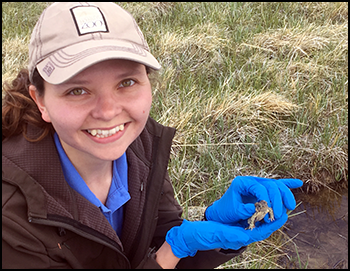
Staff member holding a Wyoming toad releasing them into the wild
“Another program I’m especially proud of is our Wyoming toad breed and release program,” said Dr. Dadone. “This species was once thought to be extinct in the wild. The only reason they exist in the wild today is because of our work and our team’s collaborations with other institutions. Some might think Wyoming toads aren’t as cute as a baby giraffe, but the toadlets are really adorable and are critical to our ecosystem and to ensuring we have a viable wildlife population in our own backyard. The research that we’ve done on headstarting [raising the toads to adulthood in the Zoo and then releasing them] and their nutrition has really improved the overall health of the last few generations of the Wyoming toad, which gives them an advantage when they are released into the wild. We’re continuing to evaluate our best practices and have an even better chance at saving this species long-term.”

Wyoming toads are symbolic of so many amphibian species in decline all over the world, including Panamanian frogs, which also receive support thanks to Q4C funds and frontline CMZoo staff support. In February 2019, three CMZoo staff members went to Panama to assist the Panama Amphibian Rescue and Conservation Project by remodifying two feeder insect pods into frog pods. For this 10-day trip, the goal was to set up two shipping containers to house and breed approximately 450 additional frogs brought in from El Valle Amphibian Conservation Center, and later released. This involved disinfecting the shipping containers, painting, installing plumbing and water filtration, assembling racks, and drilling and prepping tanks.
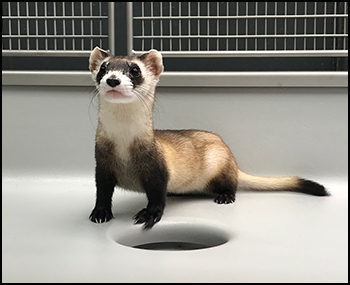
Black-footed ferret portrait
Q4C supports an in-house breed and release program for black-footed ferrets, as well. Since 1991, when CMZoo began breeding black-footed ferrets, 567 kits have been born. Roughly half of those kits are released into the wild while the others continue breeding at CMZoo and other facilities who support this recovery effort and the Species Survival Plan. This ongoing recovery effort supports the population of black-footed ferrets, who were once thought to be extinct, and which are vital to the prairie ecosystem in Wyoming.

CMZoo’s work to save habitats for orangutans through advocacy for sustainable palm oil production is largely supported by Q4C. Thanks to that financial support, CMZoo’s sustainable palm oil team consults staff at other conservation organizations on starting their own palm oil programs and recently attended the Roundtable on Sustainable Palm Oil’s (RSPO) annual conference in Thailand to represent CMZoo in the RSPO’s proceedings. Those proceedings directly impact the ways companies that use palm oil can help preserving wild lands for orangutans and other species.

Through Q4C, CMZoo also supports a conservation partner called Tsavo Trust – an organization in Kenya that works to protect the last of the big tuskers, which are African elephants with tusks weighing more than 100 pounds. CMZoo’s funds helped Tsavo Trust build permanent housing that allowed staff to live on the land where these critically endangered giants live. It also paid for pilot hours – frontline aerial surveillance that protects rhinos and elephants from poachers seeking their ivory.

The seventh Q4C legacy partner is VulPro – protectors of African vultures. The dedicated staff at VulPro, in South Africa, save vultures who have been injured as wild birds, and rehabilitates them to release. Those that are too injured to survive in the wild find a permanent home at VulPro.

Before launching Q4C in 2008, CMZoo was supporting conservation, but at a fraction of what is possible now. In the past few years, CMZoo has collected about half a million dollars per year through Q4C. Even with our three-month COVID-19 closure this year, the Zoo was able to hit this substantial $3 million milestone as expected.

“Small change pooled together makes a big difference,” said Dr. Dadone. “Thanks to our guests and members, we have been able to support this amazing frontline work. When we work together, we can make a positive difference for our world.”

In addition to contributions from admissions to every Zoo visit and special event ticket, $2.50 from each individual plus membership, and $5 from each family or higher-level membership, is allocated to Q4C. EdVenture and Animal department programs also contribute to the cause.

For more information about these projects and Quarters for Conservation, visit cmzoo.org/conservation.

Back to The Waterhole