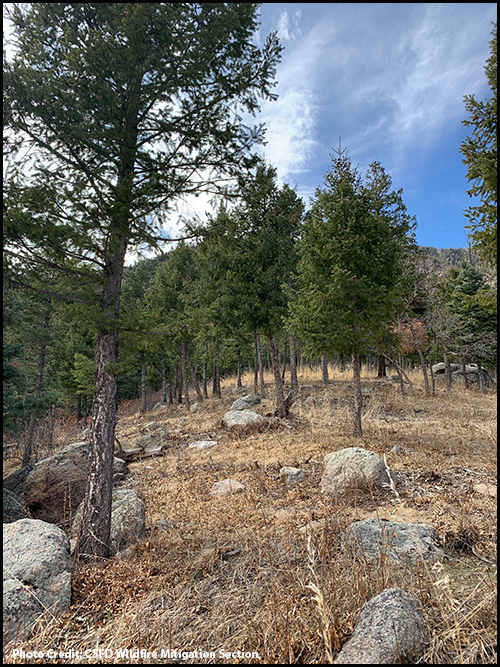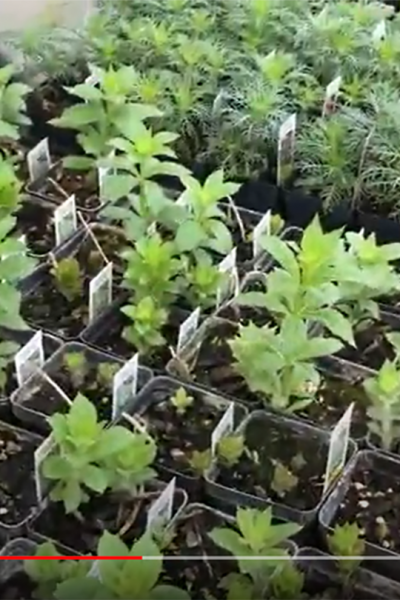
Get your locally grown, native, pollinator plants from the Zoo! Order online April 1-26 for curbside pick-up April 30-May 2, or make plans to join us in person on May 22 and 23, at the Zoo! With traditional plants, like vines, ferns, butterfly bushes, grasses, and lilies, plus new offerings like hanging baskets, fruits trees and veggies, you can reach all of your green-thumb goals while supporting the Zoo. This annual fundraiser keeps getting bigger, and your support means we can focus on even more horticulture projects at the Zoo! Check it out at cmzoo.org/plantsale.

Back to The Waterhole


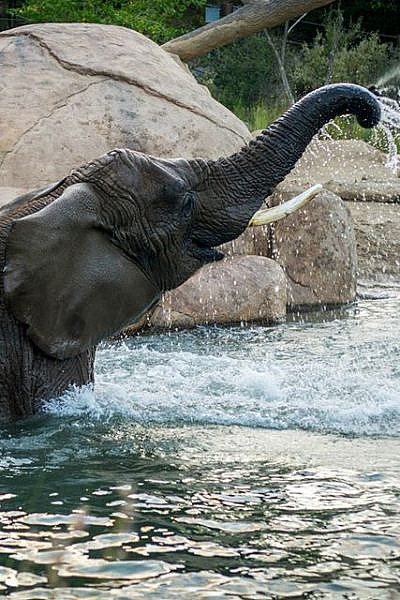
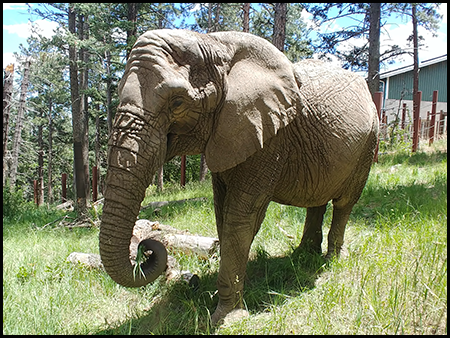
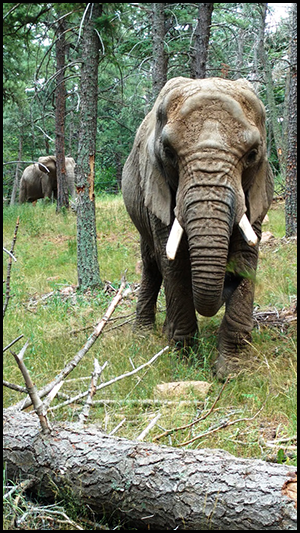
One of Cheyenne Mountain Zoo’s most specialized animal areas is the home of our beloved African elephant herd. Jambo (38), Malaika (35), Lucky (41), LouLou (38), Kimba (42) and Missy (51) make up the herd, and each has her own obstacles to face.

Just like humans, the health of each elephant is individual, sometimes regardless of age or environment. Malaika, the youngest of the herd, has experienced perhaps the most life-threatening issues and Missy, the eldest, has been in relatively good health for her age. The elephant care team works to help them comfortably enjoy their golden years, knowing that things change quickly for them and that even our specialized care has its limits.

“There’s quite a range in their ages, and it’s not necessarily true that the older elephants need more specialized care than their younger friends do,” said Jason Bredahl, Encounter Africa animal care manager. “Some have weak limbs, or digestive issues, some have arthritis, some have issues with their feet or tusks, and some have all of the above. We work to proactively lessen the impact of expected age-related issues and try to treat anything else that pops up along the way.”

The Wilgruen Elephant Center has a special crane system that can lift a disabled elephant. Twice those systems have saved Malaika’s life when she stumbled, fell onto her side and couldn’t stand up on her own – an event that can be fatal for elephants. Once in January 2018 and again in April 2019, the team used the barn’s crane system to lift her back onto her feet.

Both of those falls happened without warning, so the team is realistic about it potentially happening again. Although CMZoo has been able to save Malaika twice, it is incredibly lucky that she’s been able to recover both times.

“It really is an honor to work with these girls, because we know we’re supporting them in their third and final act,” said Bredahl. “Their issues are ongoing and can worsen without much warning. For now, they have more good days than bad days. When those bad days inevitably come back around, we’re prepared to care for them and make decisions that are best for them.”

As their issues worsen with age, the team looks for ways to help the girls continue to live their best lives for as long as possible.

An important part of their care routine is rest, but not all elephants lie down to sleep. For Malaika, who doesn’t appear to trust her ability to lie down and get up successfully, the team provides things for her to rest against. In the past, she’s rested with logs, tractor tires or sand piles. Malaika gets her rest by leaning against things to sleep while standing. In the coming weeks, the team will try providing a mostly soil substrate pile for Malaika, to see if she’s more confident leaning against it than the sand piles she’s used previously.

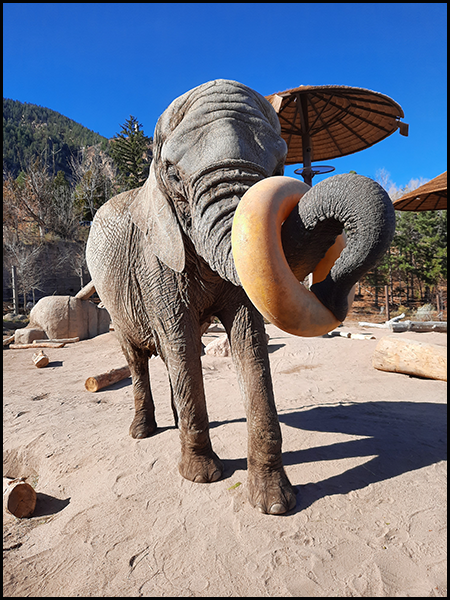
Another important aspect of their ongoing care is encouraging the girls to exercise, explore and play. The elephants can explore their walking path, splash and relax in their pool or spend time in their vacation yard, among other spaces available to them.

“We work to provide environments that keep the herd moving, because just like all of us, a body in motion stays in motion,” said Bredahl. “We also provide enrichment that encourages them to stretch, bend and move throughout every day, and we typically ask the girls to shift every one to two hours into a new space, which keeps them walking and provides new mentally and physically stimulating activities, spaces and enrichment for them to explore.”

There is a space for the elephants that guests can’t see during a visit to the Zoo – a 2-acre field, known as the vacation yard, where the elephants can roam freely in the tall grass, pulling up vegetation, stripping bark from branches and knocking trees over as they please. During the warmer months, it’s not uncommon to find Bredahl sitting in the field on the other side of the fence, watching the ladies relax in a light summer rain.

In addition to the exercise and stimulation the girls get from shifting to new locations, all of the CMZoo elephants participate in daily ‘elephant yoga.’ The routines focus on overall flexibility and strengthening while addressing any problem areas the individuals may have. The elephants are also trained to take voluntary pills and/or injections, when necessary, that help reduce inflammation and pain from arthritis and other ailments.

“It’s a balance, caring for older animals, because we love them and want them to live forever,” said Bredahl. “We work hard to do all we can, proactively, to keep them able and comfortable, but we also know that there comes a point that you recognize that you have done all you can. That’s when we make the hardest, but the most compassionate decisions.”

Guests can get up close to these impressive animal ambassadors every day from March through October, as long as weather permits, at CMZoo’s elephant feeding experiences. From 11 to 11:30 a.m. and 2:30 to 3 p.m., guests can pay $10 to $15 per bundle of produce, and feed an elephant from about four feet away. The Zoo typically contributes $25,000 annually from these feeding experiences to its frontline elephant and rhino conservation partner, Tsavo Trust.

Tsavo Trust is a field-based non-profit organization that uses aerial surveillance and on-the-ground field efforts to protect elephants, rhinos and other wildlife in Tsavo National Park, the largest national park in Kenya. The organization was founded to help protect the last of the big tuskers, which are likely the last viable genetic pool of African elephants with tusks weighing more than 100 pounds each. The park is also home to a number of black rhino sanctuaries established by the Kenya Wildlife Service and supported by the Zoological Society of London.

Just by visiting the Zoo, guests can consider themselves conservation warriors. Through the Quarters for Conservation program, 75¢ of every admission goes to conservation partners, including Tsavo Trust. Small change makes a big difference. Since 2008, those quarters have added up to more than $3 million for conservation, now averaging half a million dollars per year in conservation contributions.

Back to The Waterhole


Every membership and every visit to the Zoo is conservation in action. Since 2015, including this year’s contributions, the Member Conservation Vote has provided $525,000 of membership revenue to support field conservation worldwide. Each year, a total of $100,000 of membership revenue is contributed to conservation in two ways:

  • $25,000 to the Quarters for Conservation program, which in total contributes half a million dollars on average annually to CMZoo’s legacy conservation partners.
  • $75,000 to projects voted for by CMZoo members through this annual vote.

“Over the years, members have funded projects that support organizations working to protect vulnerable species in places like Ecuador, Kenya, South Africa, Southeast Asia, Australia right in our backyard,” said Dr. Liza Dadone, vice president of mission and programs at CMZoo. “These grants make a huge impact for the small-but-mighty projects that are making a difference for wildlife, wild places, and the people who border their habitats. We wouldn’t be able to support them without our members.”

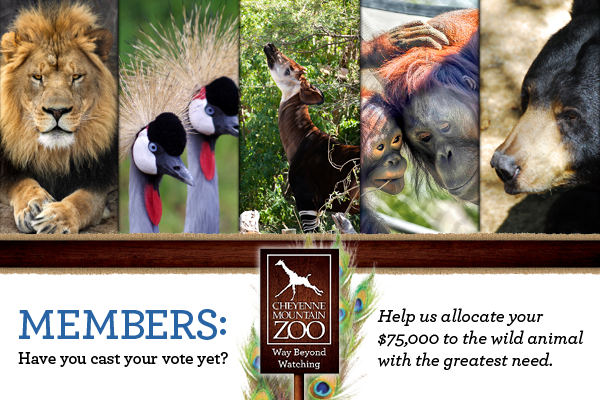
Through Sunday, March 28, 2021, members will cast their votes to help the Zoo decide how to spend $75,000 of member conservation funds among five conservation projects vying for support. The three projects with the most votes will receive the full funding they requested. The number of votes received for the remaining three projects will help CMZoo decide how to distribute the remaining funds.

The five conservation projects up for our members’ consideration are:

Protect LIONS, CHEETAHS and WILD DOGS from diseases
Through a long-time partnership with Ewaso Lions, this organization aims to protect lions and other large carnivores by vaccinating pet dogs in northern Kenya. This funding will support a pet vaccination program by providing local communities with trained personnel, vehicles, veterinary equipment, and materials to make collars that will identify vaccinated dogs. These vaccines can prevent life-threatening diseases like rabies and distemper from being spread from pet dogs to wild carnivores.

Continue the banding, monitoring, and protection of CROWNED CRANES
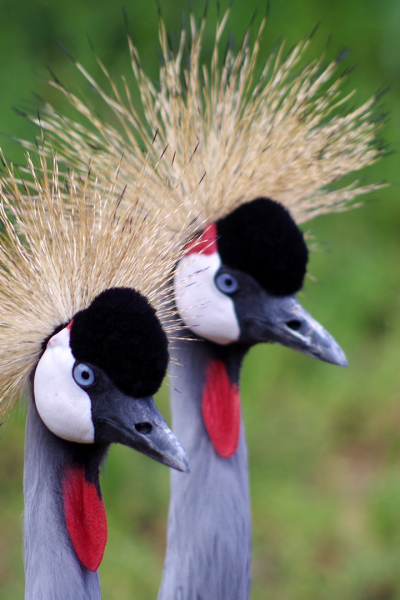
This grant will fund the banding of 100 East African crowned crane chicks and support data collection to guide future conservation efforts for this species. This project will also establish a Crane Custodian Program, training local community members to advocate for and assist with crane data collection – a crucial component of crane conservation, especially during COVID-related travel restrictions. Found in Kenya, the East African crowned crane has seen a dramatic decrease in population over the last four years. In a continued partnership, the International Crane Foundation and the Leiden Conservation Foundation are collaborating to learn more about this species in order to stabilize its population.

Support more agroforestry to protect OKAPI habitat
In a continued partnership with the Okapi Conservation Project (OCP), this grant will provide farmers with tools, seeds, natural fertilizers and education in sustainable agriculture practices. Funds will also support reforestation in the region. Found in the Democratic Republic of Congo, okapi are threatened by slash-and-burn agriculture and poaching. This program empowers local communities to produce food sustainably, safeguard water resources, and generate income, while reducing their economic dependence on mining and poaching, thus protecting okapi in the long run. Over the last year, OCP has distributed over 65,000 kg of seedlings and over 62,000 kg of food seeds to more than 900 farmers in the region. Even more exciting, they have been visited by a wild okapi, which is extremely rare.

Reforest a wildlife corridor and help save ORANGUTANS in Borneo
In support of two established organizations working to save species in Southeast Asia, this grant will help the HUTAN organization provide tools and funds to local women reforesting the Genting Wildlife Corridor. It will also help the Borneo Orangutan Survival Foundation (BOSF) repair orangutan rehabilitation islands damaged by a devastating flood. The HUTAN corridor is an important animal “wildway” that will connect virgin rainforest with a wildlife sanctuary and is needed by hundreds of species in the area, like orangutans and Asian forest elephants. The BOSF grant provides emergency funds to reopen islands used for orangutan housing and forest school prior to release.

Track AMERICAN BLACK BEAR movements in Colorado
In a new partnership with Colorado Parks and Wildlife, this grant would fund placing GPS collars on black bear juveniles to collect information about their movements and habitat use after rehabilitation and reintroduction. This valuable data will support ongoing efforts to reduce human-bear wildlife conflicts in the Pikes Peak Region. One of the main drivers of human-bear conflicts is unsecured trash, which serves as a strong attractant for bears. Unfortunately, female bears with cubs can be drawn to unsecured trash and human-wildlife conflicts can then lead to orphaned bear juveniles. Colorado Parks and Wildlife rescues and rehabilitates these young bears, and releases them once they are old enough to live successfully in the wild. As human developments sprawl into historical bear habitat, this data could guide solutions to keep bears safe and behaving like wild bears.

“Our members are passionate about conservation and have formed connections over the years with familiar projects, like the Okapi Conservation Project’s agroforestry program, and Ewaso Lions’ ongoing lion conservation,” said Emma Repp-Maxwell, CMZoo membership manager. “It’s also inspiring to get behind fledgling projects, like the banding of crowned cranes, which we launched last year and will continue to support in some capacity this year. Two brand-new projects – black bear tracking in Colorado and supporting a wildlife corridor in Borneo – are new projects to consider this year. It’s up to our members to help us decide which projects receive full funding.”

We’ll announce the 2021 rankings next month, so stay tuned.

Last year, members voted to fund projects from the Australia bush fires to continued conservation efforts in Kenya and the Democratic Republic of Congo. To learn about the progress made because of the 2020 Member Conservation Vote, read on.

Zoos Victoria: Emergency Funding ($20,000)
Before launching the member vote last year, we asked members to approve emergency funding in response to the devastating Australia bush fires. Members’ early votes helped support the long-term care of animals impacted by this disaster.
Learn more: https://www.cmzoo.org/news/archive/cheyenne-mountain-zoo-members-donate-20000-to-australia-bushfire-recovery/

African Lions: Fully Funded ($5,600)
Member votes supported the planning for wildlife corridors in northern Kenya. As more highways, railways, cities and pipelines are built in the heart of lion country, this project supported the partnerships and infrastructure needed to keep wildlife safe.

Crowned Cranes: Fully Funded ($11,000)
Member votes helped launched the first efforts to band and monitor wild crowned crane chicks in East Africa. Despite COVID-19, around 20 crane chicks were banded. With such limited information on the behaviors of cranes, this project will help gather important information for future conservation efforts.
Learn more: https://www.cmzoo.org/news/archive/cmzoo-member-supported-east-african-crowned-crane-conservation-project-makes-progress/

Mountain Tapir: Partially Funded ($20,000)
Member votes supported the continued GPS collaring and monitoring of 5 additional tapirs in Ecuador. This project has already seen the radio collaring and successful monitoring of 10 wild mountain tapirs. The information collected helps conservation efforts.
Learn more: https://www.cmzoo.org/news/archive/cmzoo-tapir-expedition-team-returns-from-ecuador/

Okapi: Fully Funded ($11,000)
Member votes helped the Okapi Conservation Project continue an already successful agroforestry project, aimed at encouraging sustainable farming practices, habitat protection and reforestation. By teaching local communities better practices, they are able to protect their livelihoods and wild okapi nearby.
Learn more: https://www.cmzoo.org/news/archive/work-to-protect-wild-okapi-continues-thanks-to-cmzoo-members/

For more information about how to become a CMZoo member, and the many benefits that memberships provides, visit cmzoo.org/membership.

Back to The Waterhole


Let’s Go Outside! Outdoor School Provides Nature-Based Programs for All Ages

Spending time in nature can help reduce stress, increase balance, and trigger happiness! Cheyenne Mountain Zoo is offering a new series of programs for those who are interested in connecting with nature, the outdoors, and their families through hands-on interactive experiences. Classes will engage the whole person – physically, mentally and emotionally – and foster a stronger connection with our natural world.

Outdoor School classes may occur on Zoo grounds, or offsite in other nature-based environments. These classes focus less on animals at the Zoo and more on the powerful impact nature has on us as humans. When we care more about wild places, we take better care of them and the creatures that live there. Starting this spring, CMZoo’s Outdoor School is offering courses for a variety of ages. Here’s a preview:

Wild Families: Nature Play Group
All ages (targeted for families with children ages 5 to 8)
10 a.m. to noon
Saturday, April 10

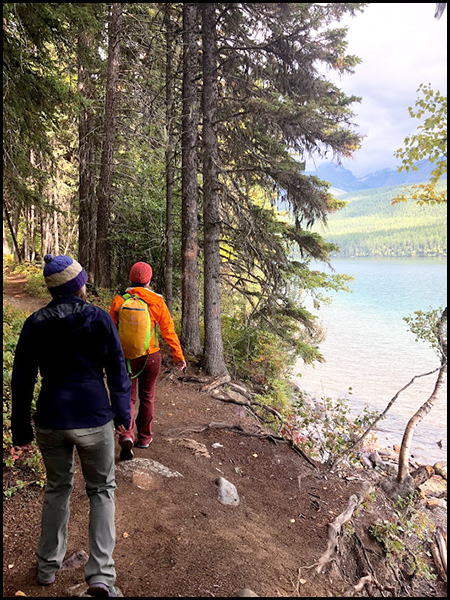
Experience nature as a playground for your family! Explore CMZoo’s Nature Trail, in the forest up above the Zoo! We’ll look for signs of wildlife, walk among the trees, investigate rocks and plants, and so much more. This program is geared for families with children between the ages of 5 and 8 and will allow free play with guided activities for all participants. Be sure to bring your curiosity and imaginations!

Wild Kids: Fort Building
Ages 6 to 10
10 a.m. to noon
Saturday, May 8

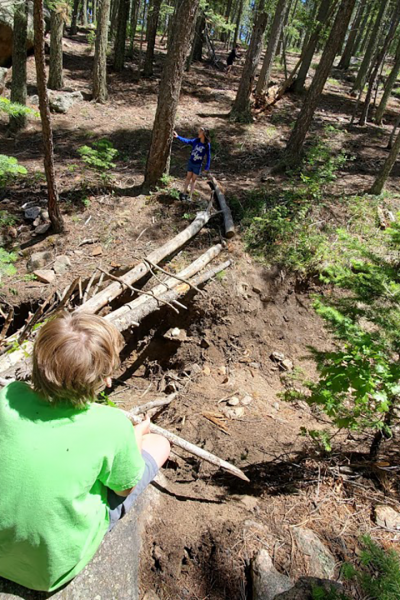
Building forts in the trees is an immersive way to fully explore nature! Participants will be able to stack rocks, assemble branches, pack mud, and let their wild sides come to life. Kids who have the best time in this program get excited about getting dirty while being outside for about two hours. Also…. no parents allowed!

Animal Portrait Photography
Ages 15 and up
9 a.m. to noon
Sunday, May 23
Saturday, June 12
Saturday, July 10
Saturday, August 21

Capturing the perfect animal photos takes practice, patience and technique. After learning a few photography terms and pro-tips, several CMZoo animal ambassadors will come to the studio classroom for participants to photograph. Explore different backdrops, adjust your settings for active and slower moving animals, and meet the animal models! Afterwards, upload your photos and experience an artistic critique of your work, so you can gain advice for further developing your animal portrait skills. This beginner-level course is a great way to practice capturing animal images before stepping out into the wilderness!

Wild Families: Dutch Oven BBQ Cookout
All ages
6 to 9 p.m.
Thursday, July 1

Have you ever wondered how to make delicious meals in the wild without having to eat freeze-dried meal packs? Join us for an evening of fun and food while we teach Dutch oven-style cooking over a fire, and we promise, no freeze-dried anything! In the spirit of Independence Day, we will be making a feast of barbecue-inspired favorites. All food is included. Bring your appetite! If you have dietary preferences or restrictions, we will do our best to accommodate those, too.

These classes and more can be found at cmzoo.org/outdoorschool. Stay tuned to that page for upcoming programs and opportunities for every season throughout the year. Space is limited in each class, so register soon!

Back to The Waterhole


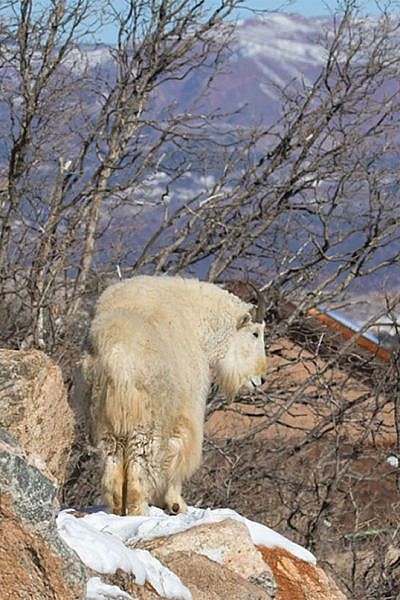
Know who loves a snow day? Yazhi, Twinkie, Albert and Lena — our Rocky Mountain goats! Check in with CMZoo’s four fluffy friends and learn how to tell them apart, how they like to spend their days, and how their adaptations make them perfect for winters in the mountains!

Back to The Waterhole


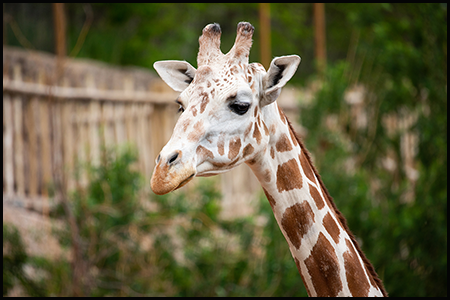
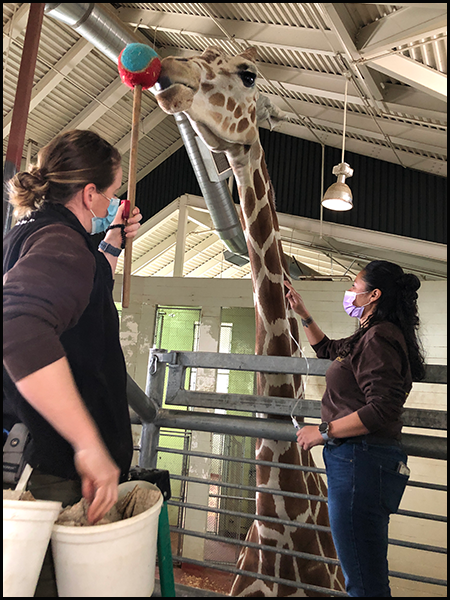
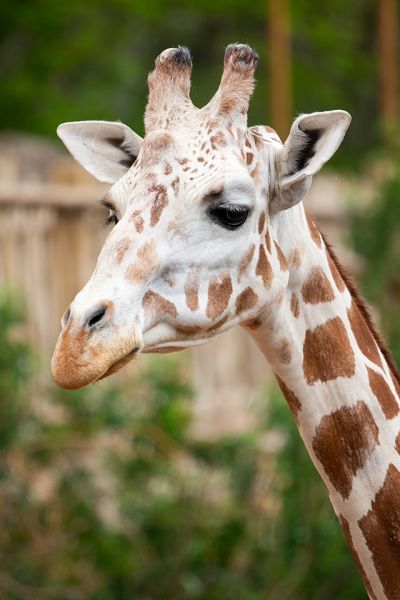
Hoof care for ungulates (hooved animals) helps keep them healthy and happy, much like well-care visits to your doctor. During International Hoof Care Month, learn why we celebrate the importance of hoof care all year long, as we get up close with giraffe and Atka, the moose, to learn more about this specialized care.

Back to The Waterhole


Cofan, our 17-year-old male mountain tapir, is recovering from having a kidney removed in mid-February. In December 2020, his keepers noticed he was starting to act unusually and that his symptoms were progressing quickly. He was uncoordinated, was not shifting to his outdoor yard, and was eating less and losing weight.

“Cofan is normally eager to participate in training and has a healthy appetite,” said Michelle Salido, lead tapir keeper at Cheyenne Mountain Zoo. “When we noticed he wasn’t himself, we started working to find out why, and ultimately discovered our guy was dealing with kidney stones that had damaged his kidney to a point that he’d be better off long-term without it.”

There are only seven mountain tapir in human care in the United States, two of which live at CMZoo. Because mountain tapir are so rare, keepers rely on their experience with Cofan and Carlotta, our 26-year-old female mountain tapir who lives with Cofan, to diagnose any issues. Tapir’s closest relatives are horses and rhinos, so sometimes knowledge of these other species can help the team care for them.

“On the inside, tapir are basically miniature horses,” said Salido. “Because their anatomy is so similar, we knew we could work with equine specialists to help him.”

Cofan’s relationship with his keepers and previous husbandry training helped the team diagnose and treat his condition. Cofan voluntarily participated in diagnostics, including x-rays, blood work and ultrasounds. With his keepers’ love and endless chin scratches as rewards, Cofan didn’t need to be sedated for any of the tests that helped diagnose his kidney disease.

“Our ultrasounds showed that he had some kind of kidney abnormality that we needed to further investigate,” said Dr. Jon Romano, head veterinarian at CMZoo. “We reached out to Colorado State University’s Veterinary Teaching Hospital and put together a team of specialists that ultimately helped save Cofan’s life. This is the first time this surgery has ever been done for this species, and that was only possible for Cofan because of the collaborative relationship we’ve built with CSU over the years.”

Dr. Matt Johnston, CSU veterinarian and Associate Professor of Avian, Exotic, and Zoological Medicine, was part of an 11-person CSU team of equine specialists, radiologists, anesthesiologists and surgeons that quickly made the trip to help Cofan.

CMZoo and CSU teams identified the kidney stones that were causing the enlargement and damage to Cofan’s left kidney, and went right into surgery.

“We tend to think of tapirs as being similar to horses, and our equine team was able to contribute important expertise to Cofan’s case,” Dr. Johnston. “The pulling together of this type of team happened because of the long-standing working relationship with CSU, which has been mutually beneficial for both CSU and CMZoo.“

As an ambassador for his critically endangered species, Cofan’s charming nature helps people fall in love with tapir, and learn how to help protect his wild counterparts, of which fewer than 2,500 remain in their native habitat. This veterinary case will also help future tapir in human care and possibly in the wild.

“Aside from being so easy to fall in love with, Cofan is continuing to help his species by helping us learn more about how to care for mountain tapir,” said Salido. “What we learn from this case will be shared with other tapir keepers and organizations that monitor wild tapir, with the hope that other tapir can avoid or overcome similar issues.”

Cofan isn’t out of the woods yet. But, his care team is right by his side as they have been all along, and they’re cautiously optimistic. Cofan has been urinating regularly and eating better than he was before surgery – both good signs he’s on the mend.

Cofan’s care team is adjusting his diet to help him hopefully avoid developing stones in his remaining kidney, which should be able to sustain him well by itself, as long as it stays healthy. For the time being, he’s receiving subcutaneous fluids voluntarily as needed, so he’s nice and hydrated as he heals. Again, chin scratches and love are the rewards Cofan needs to receive these treatments voluntarily without sedation.

“He’s doing so great, considering he’s been through major surgery and is still recovering from feeling unwell before the surgery,” said Salido. “We’re taking turns sitting with him while he gets treatments, which take about two hours. Not only does he get the fluids and medications he needs, but it means we get to sit with him and give him lots of love and scratches for hours on end, which I think all of us, including Cofan, are really grateful for.”

Mountain tapir, from the Andes Mountains in Colombia, Ecuador and northern Peru, are one of four species of tapir. Due to habitat loss, mountain tapirs are critically endangered. CMZoo staff, thanks to support from Zoo members in our annual Member Conservation Grant Vote, work diligently to save mountain tapir and their habitats south of the equator. In previous years, those grants have funded field research that is led by the Andean Bear Foundation, with support from Smithsonian, LA Zoo, and other partners. As part of these grants, Salido and other CMZoo staff members have traveled to Ecuador to track and attach GPS collars to wild mountain tapirs, and assist with health monitoring and mountain tapir education programs in the region.

The tracking research is critical, given the limited number of tapirs left in the wild and the lack of available data about them. The team’s goal is to present complete data to organizations that can place land protections in the areas where tapirs most frequently roam.

Keepers and CMZoo vet staff are keeping close eyes on Cofan and monitoring his progress as he heals.

Back to The Waterhole


Found in the heart of one of the most biologically diverse areas in all of Africa, okapi have only been widely documented in science since 1901. Threatened by habitat destruction, mining, poaching and civil unrest, there may be as few as 10,000 left in the wild. Okapi are only found in the rainforests of the Democratic Republic of Congo, where they are a national and cultural symbol and have been protected since 1933.

Okapi are often known as ‘unicorns of the forest,’ because of their unique markings and shy behaviors. If you’ve ever met 8-year-old male CMZoo okapi, Bahati, chances are you have fallen in love with him and his incredible species. Okapi are most closely related to giraffe, and – contrary to what their appearance might lead you to believe – are not a mix between a zebra and a donkey.

In 2020, CMZoo members voted, in the annual Member Conservation Vote, to support the Okapi Conservation Project’s (OCP) community outreach program to promote local education and to encourage co-existence between okapis, their habitat and local villages, with OCP’s agroforestry program.

“The agroforestry program helps residents near rainforests establish sustainable farming practices and reduce dependence on forest resources,” said Dr. Liza Dadone, CMZoo vice president of mission and programs. “By protecting the rainforests from slash-and-burn agriculture, OCP is protecting the okapi who need the rainforest to survive.”

OCP also introduced alternative crops and shared more efficient farming methods and technologies with local farmers. Over the last year, OCP has distributed over 65,000 kg of seedlings and over 62,000 kg of food seeds to more than 900 farmers in the region. As the program continues to grow, they are also taking the initiative to empower local women by supplying seedlings and support to over 400 female farmers.

“I love learning about the ways our frontline conservation partners, like OCP, find mutually beneficial projects for the success of the species they advocate for, and for the people who live near them,” said Dr. Dadone. “They’re so creative, and the positive ripple effect is amazing. Not only is there a safer habitat for okapi, thanks to OCP’s agroforestry program, but local families have more food security.”

In addition to the success of local farmers, one farmer has reported he has a new well-received regular visitor – a wild male okapi. Thanks to the farmer, OCP has been able to track the okapi by getting regular updates and with nearby camera traps.

OCP says they are reimbursing the farmer for any loss of crops he is experiencing from the okapi, who enjoys nibbling on the farmer’s bean stalks. But, the farmer seems to be more focused on the excitement of providing a home for the country’s national animal. The wild okapi, who has been named Nembongo after the area where he is frequently seen, could become an ambassador for his species with local communities.

Since 2015, the Member Conservation Vote has provided $450,000 of membership revenue to support field conservation worldwide. Each year, a total of $100,000 of membership revenue is contributed to conservation in two ways:

  • $25,000 to the Quarters for Conservation program, which in total contributes half a million dollars annually to CMZoo’s legacy conservation partners. Since 2008, Q4C has allowed us to send more than $3 million to the frontlines of conservation.
  • $75,000 to projects voted for by CMZoo members through this annual vote.

The 2021 Member Conservation Vote will open on Friday, March 19. Members will receive a members-only email with a link to cast their votes for the conservation projects that they want CMZoo to support the most. Votes must be cast by Monday, March 29. Look out for descriptions of the conservation projects members will choose among, in next month’s Waterhole and in the March 19 email to members.

Back to The Waterhole


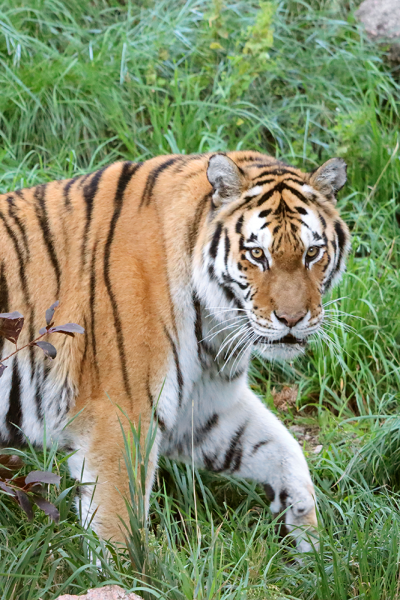
Next month, Cheyenne Mountain Zoo will move forward with revised plans to contribute to the Amur tiger Species Survival Plan. Since 9-year-old female Amur tiger, Savelii, arrived at CMZoo in November 2019 on a breeding recommendation, she has been settling in, getting to know her keepers, training for important husbandry behaviors, and participating in ‘howdies’ with Chewy, our 5-year-old male Amur tiger.

Howdies are opportunities for animals to see, smell and hear each other with a protective barrier in between them. If animals consistently show positive signs of interest in each other, the next step is to introduce them without a barrier for incrementally increasing periods of time. But, just because they’re genetically compatible doesn’t always mean they are compatible as individuals.

“We haven’t seen behaviors between Chewy and Savelii that encourage us to introduce them without barriers,” said Rebecca Zwicker, Asian Highlands animal care manager. “Big cat breeding can be risky, in the wild and in human care – even when animals have spent positive time together without barriers. We’ve decided to take advantage of the technology available to us so we can hopefully contribute to the tiger SSP without putting Chewy and Savelii into a potentially dangerous scenario together.”

In the coming weeks, CMZoo will welcome a team of reproductive specialists to help with collecting semen from Chewy and artificially inseminating Savelii. Historically, artificial insemination in tigers has been unsuccessful a majority of the time, but with new methods in place, the team has high hopes.

The team will inseminate Savelii in two different ways: traditionally, through transcervical insemination, and with a newer method by which the sperm is placed directly into Savelii’s oviducts. The hopefully fertilized eggs would then move into Savelii’s uterus, where cubs would develop over a three-and-a-half-month gestation period.

“The best chance for this to be successful is by using recently collected sperm, which is why we’re collecting from Chewy that same day,” said Dr. Jon Romano, head veterinarian at CMZoo. “We want to do everything we can to help bring Savelii’s valuable genetics into the population, so we’re potentially using a combination of three different samples: a frozen sample previously collected from Chewy, the sperm we collect from Chewy that day, and an additional frozen sample from other tigers genetically compatible with Savelii.”

Female tigers are induced ovulators, which means the act of mating has previously been the only way for the female to release an egg for fertilization. But, breakthroughs in reproductive science have shown that with the assistance of hormone therapy, artificial insemination has a higher margin of success than it used to.

Savelii has been taking hormones to modify her cycling. In the days before her procedure, she’ll participate in her own health care to get a series of voluntary injections that will stimulate her to ovulate.

The newer oviduct procedure is laparoscopic, meaning it involves small incisions which reduce recovery time and chances of infection, as opposed to more invasive surgeries. Still, any time an animal goes under anesthesia and has incisions, there are risks involved, so Savelii will stay inside her den for at least a week after her procedure. This time in her modified dens will allow keepers to closely monitor Savelii’s incision sites while she heals.

Savelii’s care team has been collecting baseline fecal samples that will help confirm whether or not Savelii is pregnant in the weeks following the procedure. In addition to comparing her baseline hormone levels in fecal samples to new fecal samples collected over the next several weeks, they’ll monitor behaviors, like nesting or mammary changes, which are common in tigers in the days leading up to birth.

“We don’t want to anesthetize Savelii if we don’t absolutely have to, so we’re relying on her rockstar training status to help us monitor in other ways, like voluntary x-rays, blood draws and checking for weight gain,” said Zwicker.

Ultrasounds on tigers are dangerous because of the contact staff would have to make with the tiger to get quality imaging, so there are no plans to attempt that.

There’s no exact timeline, but the team estimates if Savelii is pregnant, they would know by about two months into the three-and-a-half-month gestation. According to the Association of Zoos and Aquariums, Amur tigers have three cubs, on average. They have been known to have up to seven cubs, but sadly, not all of the cubs usually survive from larger litters. The mortality rate of tiger cubs is high, with only about half of them surviving to maturity.

Male tigers don’t typically play a role in the birth or in raising cubs, so Chewy and Savelii will continue to rotate access to their multiple indoor and outdoor spaces. If Savelii does have cubs, she and the youngsters will likely be in a space that doesn’t present the clumsy little ones with complicated obstacles, like the waterfall and pool in the main yard, until they get their bearings. Cubs are born with their eyes closed, so they are completely dependent on their mothers. They typically open their eyes between six and twelve days after birth.

Amur tigers, previously known as Siberian tigers, are endangered, with fewer than 500 individuals in the wild. The Association of Zoos and Aquariums’ Amur tiger Species Survival Plan (SSP) contributes to the success of an assurance population of animal ambassadors in human care that advocate for their wild relatives, and inspire people to support important conservation efforts. Some SSPs also contribute to wild populations, or could in the future.

“We’re excited about the opportunity we have to contribute to the survival of this incredible species,” said Zwicker. “These two are amazing animal ambassadors for their wild counterparts, with such outgoing personalities. We’re keeping our fingers crossed that all goes well in March, and we’ll be able to share little Saveliis and Chewys with the world soon.”

Back to The Waterhole