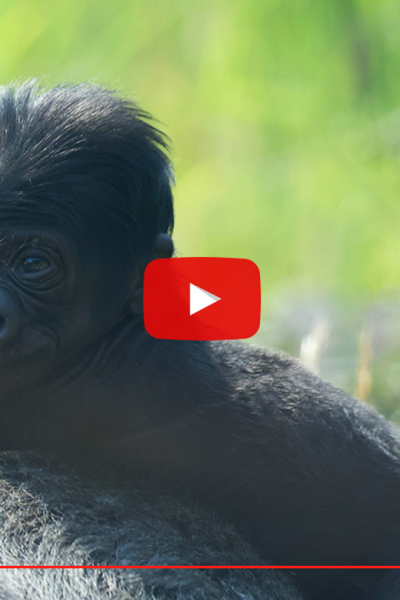
IN PARTNERSHIP WITH CHILDREN’S HOSPITAL COLORADO – CMZoo’s year-round partner, Children’s Hospital Colorado, has created a guide to first-year doctor visits for human babies. Similarly, Cheyenne Mountain Zoo’s primate keepers are tracking milestones for Asha’s baby gorilla’s first year of life.
Asha, a 32-year-old critically endangered Western lowland gorilla, welcomed a baby boy on July 21, 2025. Both seem to be doing well! The baby is hitting lots of gorilla baby milestones, including clinging tightly to mom, nursing regularly, mouthing Asha’s solid food, practicing head and limb control and making focused eye contact.
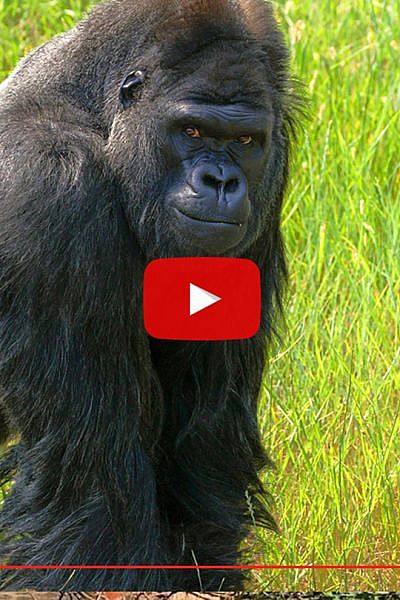
Thirty-four-year-old Goma moved to CMZoo, in 2016, on a breeding recommendation from the Western Lowland Gorilla Species Survival Plan, supported by Association of Zoos and Aquariums-accredited organizations, including CMZoo.
Goma joined a tightly bonded group of females after coming from a bachelor group, and with time, introductions, and strong social bonds, the troop became a cohesive group. Though inexperienced, Asha helped Goma learn how to breed and he became a first-time dad on July 21, 2025. It’s exciting to see how far Goma has come and the important contributions he continues to make to his species.
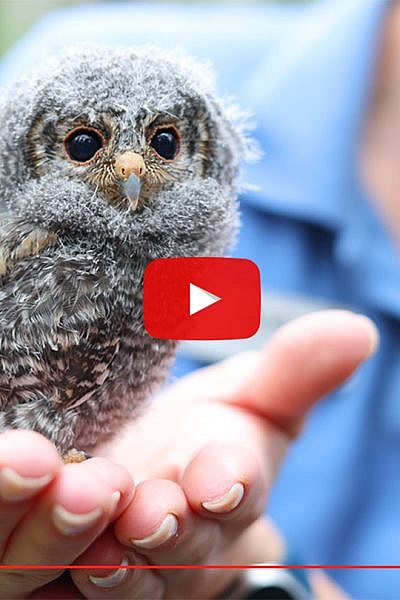
Each spring, the elusive flammulated owl returns to the quiet forests of Pike National Forest, Colorado, to raise a new generation. Thanks to the support of Cheyenne Mountain Zoo members, CMZoo staff joined Dr. Brian Linkhart — who has dedicated over 40 years to studying these owls — to continue this long-term research.
Funded by CMZoo’s annual Members-Only Conservation Vote, Motus tracking devices help researchers uncover owls’ incredible migration routes from Central America through the U.S. and Canada. This season, the team banded a fledgling after witnessing its very first flight and collected vital biological data to monitor health and population trends.
These owls face threats from habitat loss and human impacts, making member-funded conservation efforts essential to helping Colorado’s forests and flammulated owls thrive for generations to come.
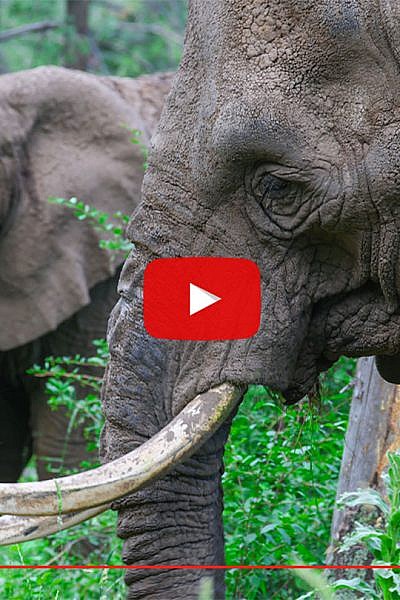
Catch up with Missy, CMZoo’s eldest African elephant!
Missy, who recently turned 56 years old, shares space with her longtime companion, LouLou. Some of her favorite activities include wallowing in mud puddles, training with her keepers, munching on hay and tree branches, and exploring the trek space, vacation yard and main elephant yards.
Our elephant care and veterinary teams tailor individualized health and exercise programs for Missy (and all of our elephants), based on her unique needs and preferences. Missy excels in training and participates in cooperative blood draws and injections. This helps her care team closely monitor her health as she ages and administer medications — like pills or injections — to ease inflammation, arthritis and other age-related aches and pains. She especially enjoys a ‘direct deposit’ snack delivery during these training sessions — tossing her trunk over her head while keepers gently lob her favorites straight into her wide-open mouth.
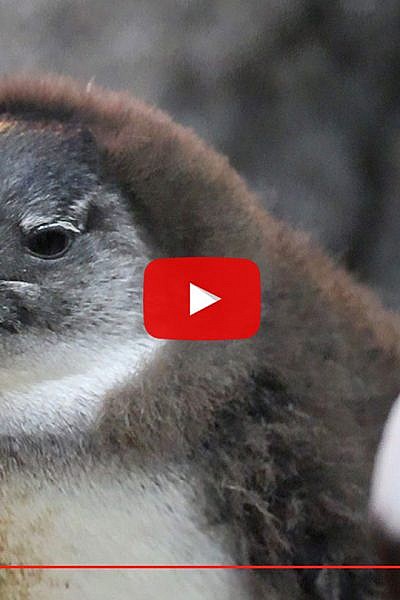
Our not-so-tiny penguin chick has a name! Meet Sparrow. Keepers chose the name to go along with Captain and Pearl’s names. Captain, Pearl and Sparrow are all names related to the Pirates of the Caribbean films, where the swashbuckling Captain Jack Sparrow commands the pirate ship, the Black Pearl. Since hatching on April 8, 2025, Sparrow has been growing fast — exploring the surroundings, developing juvenile plumage and learning to preen feathers.
Sparrow recently hit a big milestone: swimming! The chick is quickly growing in juvenile plumage, which is the first set of waterproof feathers that replaces the soft down chicks have before they fledge.
From belly-flop dives into the water and carrying items to the nest, to eating regurgitated fish from Captain and Pearl and napping on a tiny rock nearby the nest, Sparrow is stealing hearts in Water’s Edge: Africa.
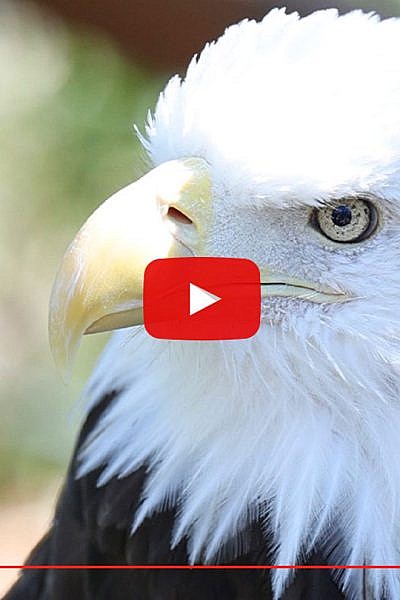
Help us wish Ouray a happy 32nd birthday! The Fourth of July isn’t just America’s birthday—it’s also Ouray the bald eagle’s designated hatchday!
Ouray is a bald eagle, but she’s also a ‘golden eagle’ because she’s well into her golden years. The median life expectancy of a bald eagle in human care is 16 years, according to the Association of Zoos and Aquariums! We don’t know Ouray’s exact age or hatchday because she came to us after being injured in the wild. Bald eagles are federally protected and illegal to own for falconry purposes in the United States. However, some organizations, like CMZoo, have special permits to care for bald eagles that cannot be released back into the wild, like Ouray. Ouray came to CMZoo in March 2006, from our friends at Denver Zoo Conservation Alliance, who took her in after a wing injury left her unable to fly in 2002.
For 18 years, her signature calls have been like a soundtrack for CMZoo guests and staff. You can visit Ouray in Rocky Mountain Wild. Stay a while to see if she’ll grace you with a call during your next trip to CMZoo!
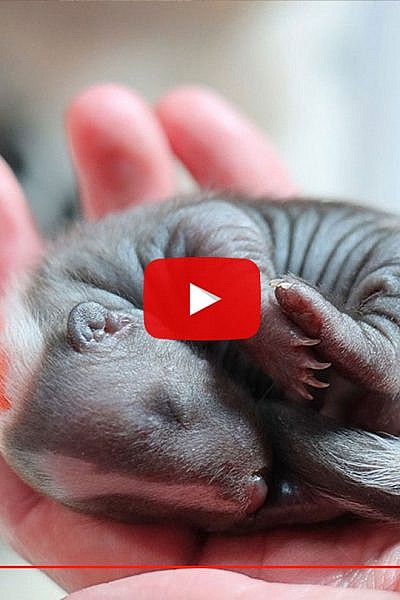
Two of our skunks recently had kits! Isabel and Padfoot are each raising a litter of seven baby skunks. That’s fourteen tiny bundles of cuteness keeping their paws full. The two litters arrived exactly two weeks apart. The babies are often busy nursing, sleeping and curiously nuzzling one another. Isabel, Padfoot, and all the little ones appear to be doing well. It won’t be long before these kits are full of energy and exploring their home in The Loft. Until then, the best time to see them is during our skunk training demonstrations in The Loft. The demonstrations take place on Monday, Wednesday, Thursday, Saturday and Sunday at 2:30 p.m.
These skunks will head to other AZA zoos when they’re mature and independent in the coming months. At their new homes, they’ll represent their wild counterparts and help even more people learn to love and appreciate skunks.
Our penguin chick isn’t so tiny anymore! Hatched on April 8, this little one is already nearing the two-month mark, and growing fast! It still lives in the nest box with Captain and Pearl, and it already weighs about 5 pounds, nearly the size of an adult African penguin. Keepers check on the chick daily and do regular weigh-ins to track its progress. The chick is very alert and loves to chirp loudly to make sure Captain, Pearl and everyone else in the penguin building knows when it’s time for a snack. Stay tuned for more penguin chick updates on social media!
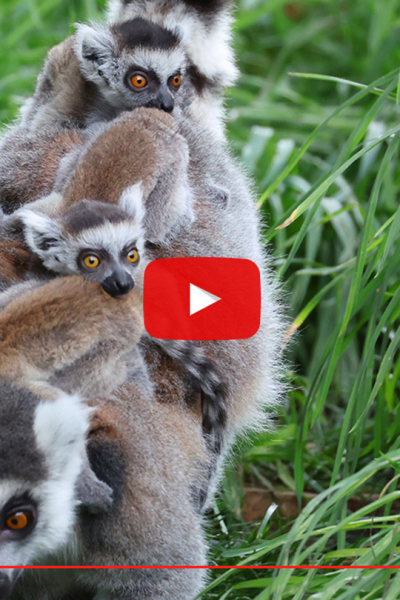
Three sets of fuzzy ears and wide, curious eyes recently joined the CMZoo family! These tiny ring-tailed lemur babies are already turning heads with their inquisitive expressions and snuggles on Allagash.
While they’re still nursing, they’re also beginning to explore some solid foods. The pups cling tightly to Allagash but are starting to show signs of independence. Allagash’s adult daughter, Anja, seems especially curious about the little ones and has even started helping with grooming duties.
According to the Lemur Conservation Foundation, lemurs are among the most threatened groups of mammals. The International Union for the Conservation of Nature (IUCN) estimates that more than 95 percent of lemurs face extinction in the next 20 years. Ring-tailed lemurs are endangered, according to the IUCN. Hercules has had breeding recommendations with Allagash and Rogue as part of the ring-tailed lemur Species Survival Plan, managed cooperatively by members of Association of Zoos and Aquariums-accredited facilities, like CMZoo.
Guests can see the babies right away, on Lemur Island in the hippo area, in Water’s Edge Africa!
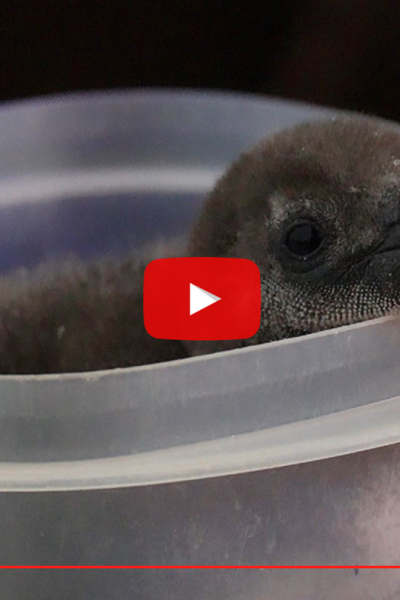
Waddle we do with all this cuteness? A tiny, fluffy African penguin chick made its grand debut at Cheyenne Mountain Zoo in early April! This little one is growing up big and strong. At just 22 days old, the chick weighs 983 grams!
Its care team monitors and weighs it every few days. This little one is an important ambassador for African penguins.
In 2024, African penguins were officially uplisted to ‘critically endangered’ on the International Union for Conservation of Nature (IUCN) Red List, with the number of wild breeding pairs falling below 10,000. If current trends continue, these charismatic birds could be extinct in the wild by 2035.
Since 2010, CMZoo guests and members have contributed more than $159,675 to Southern African Foundation for the Conservation of Coastal Birds (SANCCOB) in support of African penguin conservation. In 2020, the Zoo deepened its commitment by joining AZA SAFE (Saving Animals From Extinction) African Penguin, a collaborative program supported by the Association of Zoos and Aquariums.
Every visit to CMZoo is conservation in action. Guests visiting CMZoo can see African penguins up close, including this new chick, knowing their visit helps support a future for this species in the wild.
Keep an eye (and ear) out for the chick in the penguin building in Water’s Edge Africa. While it’s usually snuggled in the nest, you might see it wriggle out, or hear it peeping.