Quarters for Conservation Legacy Project: Palm Oil Conservation
The Roundtable for Sustainable Palm Oil (RSPO) recognized Cheyenne Mountain Zoo’s collaborative palm oil conservation work at the RSPO annual conference in Bangkok last month. PalmOil Scan, a global mobile app that empowers consumers to choose companies that commit to using sustainable palm oil, won the RSPO Innovation Award.
The award acknowledges the work of World Association of Zoos and Aquariums and its members, Cheyenne Mountain Zoo, Chester Zoo, Auckland Zoo and Zoos South Australia, in developing the PalmOil Scan app.
PalmOil Scan is available in the United States, Canada, the United Kingdom, Australia and New Zealand. Learn more at cmzoo.org/palmoil and download the free mobile app before your next shopping trip in the Apple Store or Google Play.
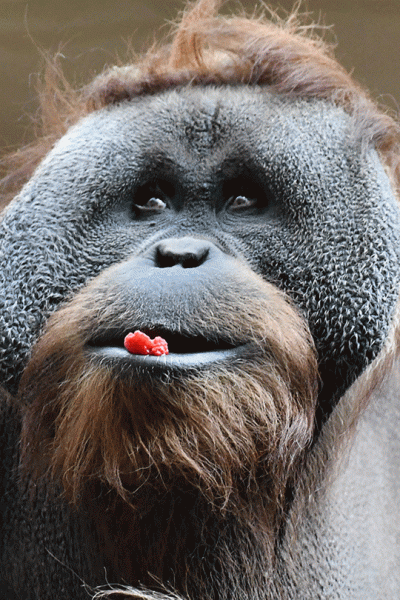
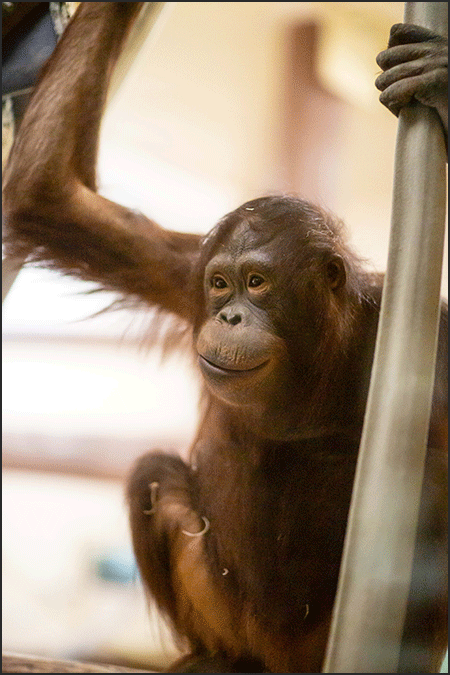
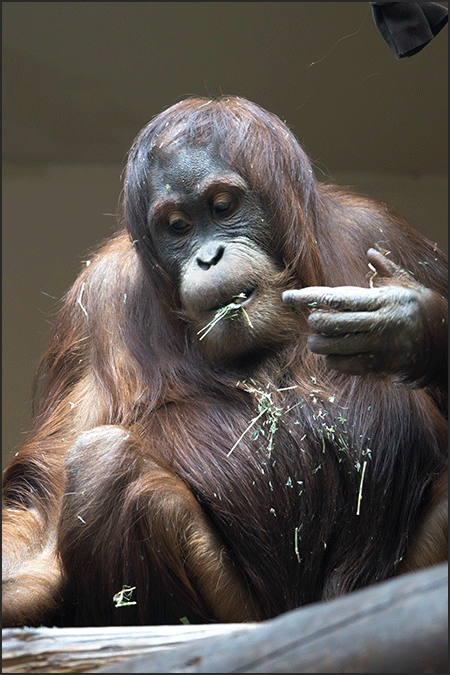
Palm oil is an edible oil found in about half of the products consumers purchase. It is used in candy, soaps, cosmetics, pet food and cleaning products. Because of high demand, unsustainable palm oil production has resulted in deforestation across Southeast Asia, and other tropical areas, which means critically endangered species like orangutans, tigers and elephants, are losing their homes.
However, when produced sustainably, palm oil is the most productive edible oil available. Oil palm trees produce four to ten times more oil than alternatives like soy, olive, canola and coconut. Switching to these alternatives would cause even more deforestation in tropical areas, which is why consumers must demand sustainable palm oil.
CMZoo has been a leader in sustainable palm oil advocacy for nearly 15 years. The Zoo launched a similar mobile app for consumers in the U.S. and Canada in 2014. More than 160,000 verified users have educated themselves by using CMZoo’s app. Its design, database and user experience served as the foundation for the design of PalmOil Scan, which has the potential to reach millions more people around the world.
Through Quarters for Conservation (Q4C), 75¢ from every admission and $25,000 from membership revenue, totaling more than $5 million since 2008, funds legacy programs – symbolized by the Q4C kiosks, where guests can place tokens representing their 75-cent contributions, in CMZoo’s admissions plaza. One long-time legacy conservation effort is palm oil education and advocacy for orangutan habitat preservation.
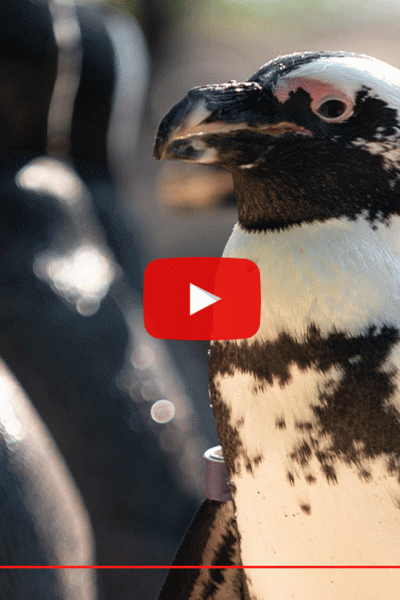
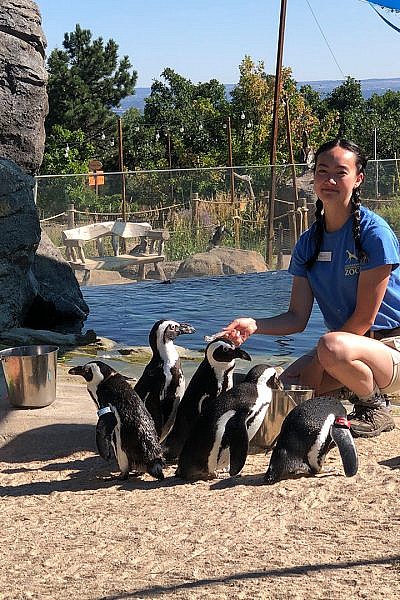
During the cooler months, African penguins mostly focus on nesting and eating. As daylight hours decrease, they naturally pair up and settle in for snuggle season. While penguins don’t technically mate for life, they are monogamous and typically stay with the same partner during breeding season.
The sixteen ‘flockstars’ at CMZoo have been together since Water’s Edge: Africa opened in 2020 (and some were together before that). Most seem to have settled into their pairings or friendships. Bonded pairs can be identified by the color and placement of their bands. Females wear a band on the left flipper, and males wear them on the right. If you see two penguins with the same color bands, they’re bonded, which means they nest together. Twelve of the CMZoo African penguins are bonded, while the remaining four regularly hang out together but are not actively nesting with another penguin.
African penguins were recently relisted from ‘endangered’ to ‘critically endangered’ by the International Union for the Conservation of Nature (IUCN) Red List. The number of wild breeding pairs has fallen below 10,000, and African penguins could be extinct in the wild by 2035. But, there is hope.
Every visit to CMZoo is conservation in action. Through membership dues and admissions, CMZoo guests and members have sent $159,675 to SANCCOB (Southern African Foundation for the Conservation of Coastal Birds), in support of African penguin conservation, since 2010.
Wild African penguin populations face many threats that continue to cause them to struggle in the wild, including:
— commercial overfishing – reducing the availability of prey species like sardines and anchovies
— habitat degradation – oil spills and plastic waste affects many marine species, including African penguins
— disease outbreaks – such as bird flu can compromise an already vulnerable species
In 2020, CMZoo joined AZA SAFE African Penguin. SAFE (Saving Animals From Extinction) is a collaborative conservation effort supported by the Association of Zoos and Aquariums (AZA) and their accredited members. Under this commitment, the Zoo sends $3,000 annually to SANCCOB in support of their Robben Island Ranger project. This ranger closely monitors the Robben Island penguin colony in South Africa, helping researchers keep track of the penguin population. The ranger also plays an important role in the direct care of penguins, and other seabirds, by identifying and transporting birds in need of medical attention to the SANCCOB rescue and rehab facility for treatment and eventual re-release.
Be sure to stop by Water’s Edge: Africa and see the flock during your next trip to CMZoo!
Each year, Cheyenne Mountain Zoo members vote to help the Zoo decide how $75,000 should be split between staff-championed conservation efforts, in CMZoo’s annual Member Conservation Vote. Of six projects funded in 2024, members decided to continue funding two conservation partners in Kenya:
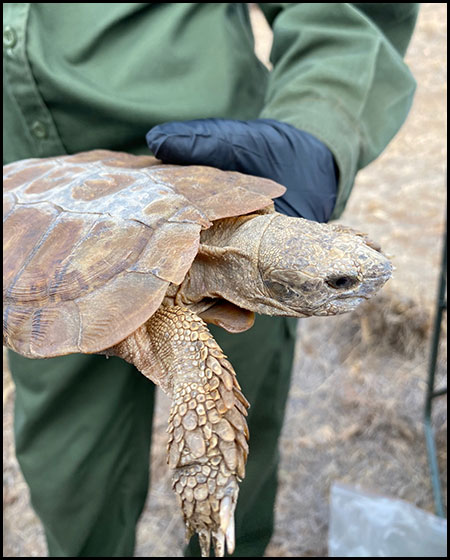
Protect Pancake Tortoises through community conservation in Kenya
Conduct community awareness training and research to protect critically endangered tortoises and their habitat. Wild turtle and tortoise species are in the midst of a worldwide extinction crisis. The African pancake tortoise faces severe threats, not only from grassland habitat destruction used for farming, but also an additional threat of poaching for the pet trade. In a continued partnership, the Turtle Survival Alliance will protect and develop research strategies for a newly found pancake tortoise population, as well as establish additional awareness for the local communities surrounding this tortoise population.
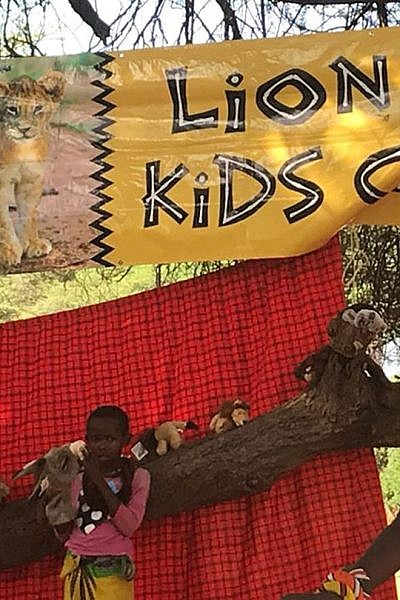
Support kids’ education camps to help protect African lions
Help protect large carnivores by empowering a new generation in Kenya. Human-wildlife conflicts can occur between farmers and predators, such as lions, that may threaten local livestock. The education programs that Ewaso Lions will implement through this ongoing partnership will help to shift the attitude towards predators and allow Kenyan communities to more easily and efficiently coexist with wild carnivores by reducing the frequency of potential human-wildlife conflicts.
The Member Conservation Vote allows members to choose how to fund conservation efforts, in addition to the efforts they fund through our Quarters for Conservation legacy projects.
“Our Member Conservation Vote projects are typically led by smaller organizations than our Quarters for Conservation projects, and they’re championed here at our Zoo by staff who are passionate about their causes,” Nicole Chaney, CMZoo conservation manager says. “It’s another way our members are connected with frontline conservation. The memberships they purchase directly help save wildlife and wild places.”
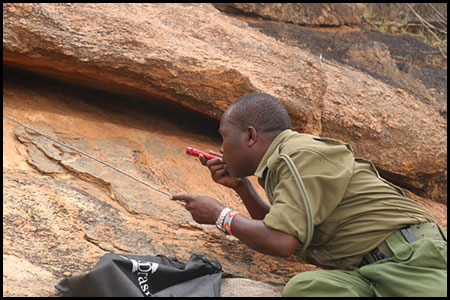
The Turtle Survival Alliance and Lewa Wildlife Conservancy have been hard at work reaching out to communities that can help protect pancake tortoises. They have held community awareness meetings across multiple conservancies, successfully engaging local stakeholders in conservation efforts. Training sessions on habitat identification and mapping have empowered 21 conservancy staff, leading to effective data collection and a deeper understanding of the species’ ecological significance.
Additionally, they have established a collaborative framework involving key multi-sectoral stakeholders to support the development of conservancy-based species management plans aligned with national and international conservation goals. Stakeholder forums have also laid the groundwork for a national recovery strategy, culminating in a draft five-year action plan that incorporates insights from 171 participants on critical conservation actions.
The monitoring team has conducted wet and dry season surveys, establishing a stable pancake tortoise population of 116 individuals since 2021, with recent data from 2024 indicating 43 recaptures and 41 new individuals. The surveys highlight a diverse age structure and reliance on rock crevices for habitat, particularly during the dry season.
Ewaso Lions, also in Kenya, hosted conservationists from eight countries, representing organizations protecting eleven species from India, Mexico, Argentina, Mozambique and Colombia. The workshop is helping to build a collaborate framework of community-led conservationists. They shared best practices on topics like the barriers to community-led efforts, innovative solutions that have seen real success, and the often-overlooked area of succession planning in conservation.
“The keys to successfully conserving local wildlife are community engagement and data collection that can help establish habitat protections,” Nicole says. “These two organizations, with support from CMZoo members, are making a real impact for wildlife by empowering their local communities to contribute to their efforts. Their communities are sharing best practices, helping cover more ground, and observing animals and their potential struggles as they live in harmony with animals native to their homes.”
Member Conservation Vote 2025 planning is well underway at Cheyenne Mountain Zoo, and members will learn about the projects they can support this spring. Members should keep their eyes on their email inboxes for their members-only links to vote in March.
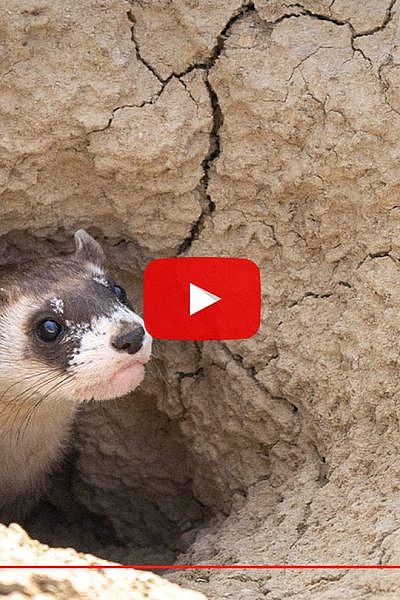
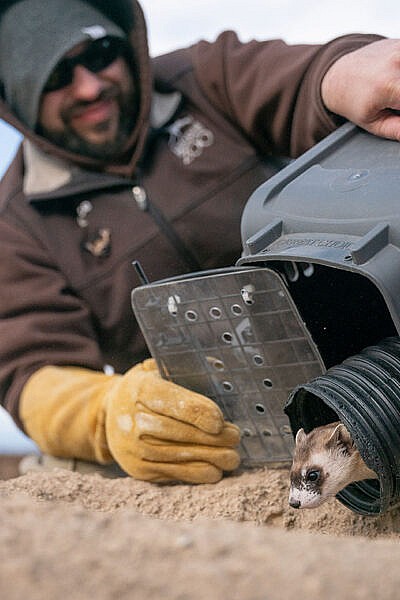
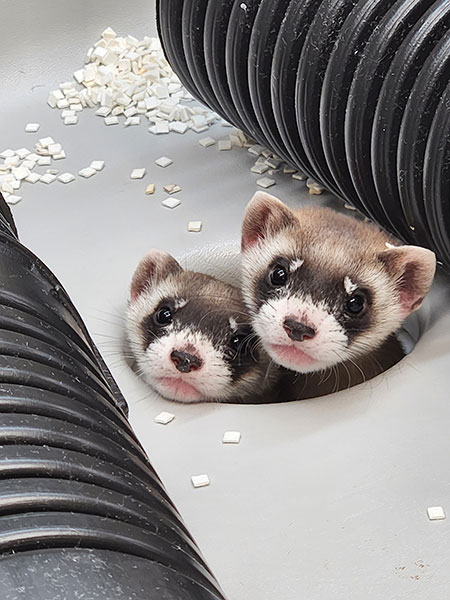
This fall, volunteers and conservation experts gathered near Las Animas, Colorado, to release 33 endangered black-footed ferrets (BFFs) into the wild, including some that were born at CMZoo!
2024 was a record-breaking breeding year for CMZoo’s BFF conservation program, with 37 kits born! It was also a pioneering year. CMZoo’s conservationists tested multi-partner breeding to see if females could conceive and whelp kits from different dads in the same litter. Out of seven females in the trial, two had litters with two fathers represented. Read more
BFFs were considered extinct until the 1980s. On Sept. 26, 1981, a ranch dog named Shep caught a BFF. Shep’s catch led to the discovery of a small population of the elusive animals in Meeteetse, Wyoming. That population became the hope for the recovery of the entire species.
Since then, zoos, U.S. Fish and Wildlife, National Black-footed Ferret Conservation Center and other organizations have banded together to breed, prepare, release and monitor BFFs to increase the population. CMZoo joined the fight to save ferrets in 1991, when its BFF breed-and-release program began. In the last 33 years, 647 kits have been born on Cheyenne Mountain. The Zoo is a major contributor to recovery efforts, releasing BFFs to protected wild places in Colorado every year.
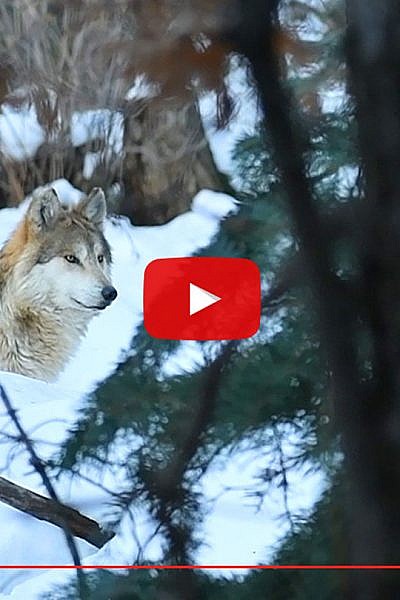
It’s the howl-iday season at CMZoo, and our pack is thriving! CMZoo is home to five Mexican wolves: Navarro and his offspring — Hope, Shadow, Phoenix, and Uno. Sisters Hope and Shadow have stepped up as confident leaders, often being the first to investigate food, while Uno, Phoenix, and Navarro take a more laid-back approach.
To help keep the pack wild, keepers place food near the front of their yard and then leave, maintaining the wolves’ natural wariness of humans. This is especially important since our wolves or their future offspring could potentially be released into the wild to help bolster the endangered Mexican wolf population. Thanks to conservation efforts, wild Mexican wolf numbers are increasing, with an estimated 257 currently living in the wild in the U.S., according to the U.S. Fish & Wildlife Service.
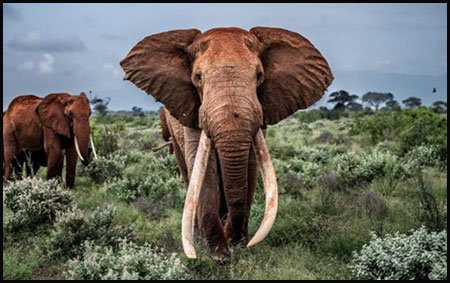
Tsavo Trust helps protect the remaining Super Tusker Elephants. Photo courtesy of Tsavo Trust.
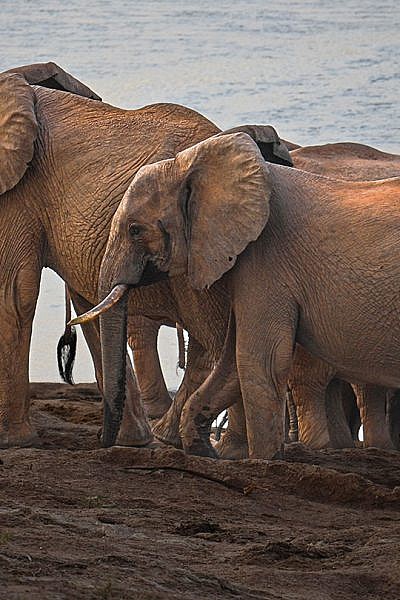
Cheyenne Mountain Zoo, its members, visitors and donors are celebrating another conservation milestone. In mid-September, the Zoo surpassed $1 million donated to its African elephant and black rhino conservation partner, Tsavo Trust, since establishing a partnership in 2016.
Tsavo Trust was founded in 2012 to help protect the last of the ‘Super Tuskers’ – African elephants with tusks so large they nearly scrape the ground. It is estimated that 25 Super Tuskers remain, and the majority of these individuals reside in Tsavo National Park, in Kenya, where Tsavo Trust is based. Today, Tsavo Trust protects African elephants, including Super Tuskers, Eastern black rhinos and more.
“Modern accredited zoos, like Cheyenne Mountain Zoo, are invaluable partners in our mission to protect elephants and rhinos in their natural habitats,” said Richard Moller, co-founder and CEO of Tsavo Trust. “CMZoo is an essential bridge, connecting the passion of people in the U.S. for wildlife conservation with the vital work we do on the ground here in Kenya. Through their support, visitors to the Zoo have a meaningful way to directly impact conservation, knowing their contributions go to trusted, effective organizations. Thanks to CMZoo’s dedication to saving wild elephants and rhinos, we’ve been able to expand our capacity, allowing us to protect even more wildlife in critical need.”
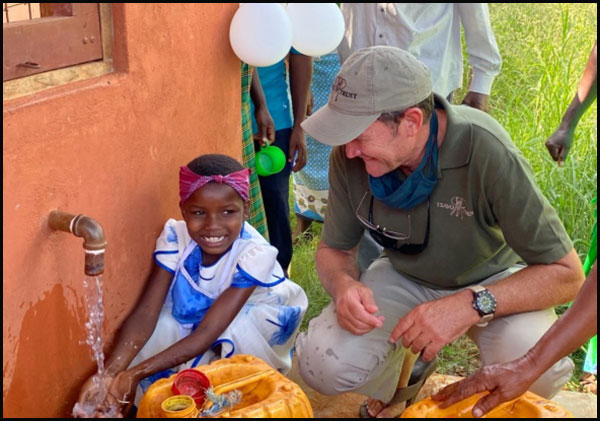
CMZoo helps fund clean water wells at Tsavo Trust HQ and nearby communities.
Every visit and every membership supports Tsavo Trust and the Zoo’s other legacy conservation partners, through the Zoo’s Quarters for Conservation (Q4C) program. In addition, elephant and rhino feeding opportunities, offered daily in the summer months, raise around $75,000 annually for Tsavo Trust. With support from the Kratt Family Fund, CMZoo continues to support Tsavo Trust’s mission by funding ongoing infrastructure development and community outreach projects.
For an agile and resourceful organization like Tsavo Trust, a million dollars can go a long way. The funds are helping expand Tsavo Trust’s field headquarters, so they can protect more wildlife in Tsavo National Park – a wildlife hotspot about the size of Switzerland.
Funds through CMZoo have supported:
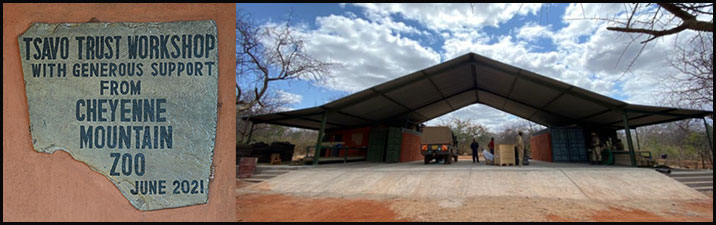
• construction of a mechanic workshop to service anti-poaching aircraft and ground vehicles
• construction of two water boreholes for subsistence use for Tsavo Trust HQ and the community
• construction of sand dams to preserve drinking water for wildlife in the drought-stricken park
• purchase of anti-poaching helicopter
• construction of a helicopter and fixed wing aircraft hanger
• construction of on-site staff housing
• construction of a guest house for additional fundraising opportunities
• funding for staff salaries, anti-poaching pilot hours, administration and operations
CMZoo helps fund infrastructure expansions at Tsavo Trust
“We’re providing millions of miles of anti-poaching surveillance for African elephants, black rhinos and the wildlife and communities that share that part of Kenya,” Nicole Chaney, CMZoo conservation manager, says. “What our guests, members and donors have been able to contribute is incredible. What Tsavo Trust can do with that support is even more impressive.”
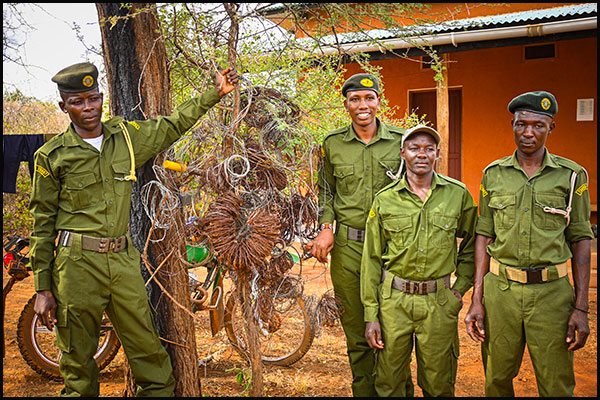
According to Tsavo Trust, in full collaboration with Kenya Wildlife Service (KWS) and other conservation partners, Tsavo Trust has played a vital role in reducing elephant and bushmeat poaching by at least 70% from 2013 to 2023. Joint Tsavo Trust and KWS activities have resulted in 7,555 hours flown covering 897,903 kilometers. That surveillance led to them making 1,521 arrests and removing 9,164 snare traps used for hunting.
Tsavo Trust rangers display snare traps removed from Tsavo National Park.
Tsavo Trust and KWS collected 995 elephant tusks, eliminating them from the ivory trade, which is still a leading cause of elephant poaching. Tsavo Trust has located, removed and protected 744 elephant carcasses, preventing poaching by getting to elephants who have passed naturally before others can collect their tusks.
“We’re not satisfied housing animals purely for public education purposes; the animals deserve expert, compassionate care, and they need to provide a way for people to make a direct conservation impact,” Nicole says. “The elephants at CMZoo and our partnership with Tsavo Trust are an excellent example of how that works.”
CMZoo has been pioneering innovative farming techniques in zoos since introducing its first shipping container farm, in 2021, followed by a second, in 2022. Today, only a few zoos are using hydroponic systems like these.
By producing their own fertilizer, the CMZoo horticulture team is saving money and resources while gathering essential data to fine-tune their methods, and yield amazing harvests.
The team is close to reaching full potential with crops like kale and lettuce, while continuing to make small improvements. The team is also growing beets, turnips, cabbage, dandelions and wheatgrass. The long-term goal is to expand, eventually sourcing 50% of the lettuce for the giraffe feeding experience and 80% of the Zoo animals’ lettuce from these farms. Next time you visit CMZoo, check out what’s growin’ on in the shipping container farms located across from Grizzly Grill!
This summer, the black-footed ferret (BFF) breeding program at Cheyenne Mountain Zoo saw a record number of kits born: 37. Conservationists tested multi-partner breeding to see if females could conceive and whelp kits from different dads in the same litter, and to see if having multiple breeding partners impacted the number of kits born overall.
Out of seven females in the trial, two had litters with two fathers represented. Of the twelve breeding females in the CMZoo program, eight had babies this year.
“That’s a really high rate of reproduction, and we saw a higher rate of successful birth with the females that participated in the multi-male study, compared to those that didn’t,” says Jeff Baughman, Wyoming Toad and Black-Footed Ferret Program Manager at CMZoo. “We’re not getting ahead of ourselves, but the results are promising because there’s potential to increase the genetic diversity and sheer number of kits one female could contribute to the recovery population.”
BFFs have incredibly few breeding opportunities. Females are only typically reproductive from 1 to 4 years old, and they only breed once per year – during a 72-hour window. In human care in the past, females spent all three breeding days with the same male. In this trial, they spent the first 24 hours with one male, the second day with another, and the final 24 hours with a third male.
Because female BFFs are induced ovulators, the act of breeding with the first male could trigger ovulation that could possibly make the second and third males’ breeding more successful. However, some females successfully bred and conceived with their first partners, according to the genetic testing.
“It’s always good to replicate a study to see if you can recreate the same results,” Jeff says. “We’d want to use the same trial methods with different breeding females, and we’d want to compare several seasons’ results before we made any official recommendation for or against multi-partner breeding. For now, this is exciting because it’s the first time we can prove that female black-footed ferrets in human care can successfully conceive and whelp kits with different fathers in the same litter.”
BFFs were considered extinct until the 1980s. On Sept. 26, 1981, a ranch dog named Shep caught a BFF. Shep’s catch led to the discovery of a small population of the elusive animals in Meeteetse, Wyoming. That population became the hope for the recovery of the entire species.
Since then, zoos, U.S. Fish and Wildlife, National Black-footed Ferret Conservation Center and other organizations have banded together to breed, prepare, release and monitor BFFs to increase the population. CMZoo joined the fight to save ferrets in 1991, when its BFF breed-and-release program began. In the last 33 years, 647 kits have been born on Cheyenne Mountain. The Zoo is a major contributor to recovery efforts, releasing BFFs to protected wild places in Colorado every year.
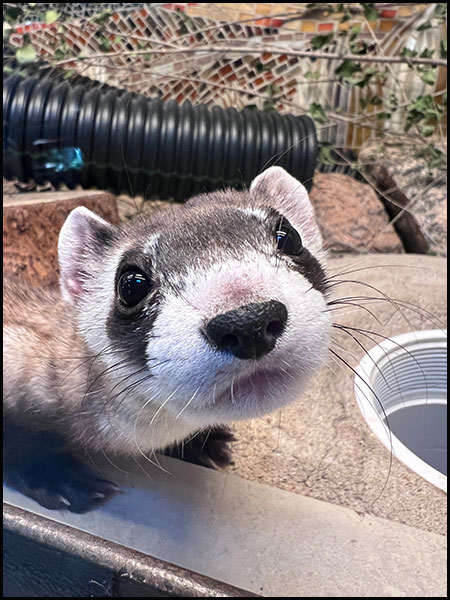
Black-footed ferret, Samosa
Some of the kits with the most underrepresented genes in the breeding population will stay in human care, as part of the breeding program, so they can pass on their underrepresented genes to another generation. Others go to boot camp, to see if they have the skills to thrive the wild. In mid-September, all surviving CMZoo kits and four adults (two of which are mothers, going to ‘boot camp’ with their kits) will start their 35-day pre-conditioning journey in a semi-wild environment at the National Black-footed Ferret Conservation Center in Fort Collins, Colo.
Of those, some are released and some – who do not prove they can hunt, seek shelter and protect themselves in the wild – return to human care, to serve their species in breeding programs or as ambassadors in zoos and other educational settings.
Samosa is the newest black-footed ferret ambassador in The Loft, where guests have a rare opportunity to see this native and critically endangered species up-close at our Zoo.
“Samosa is a great representative of the species,” Jeff says. “She’s energetic and bold, but unfortunately dental issues prevent her from hunting successfully in the wild. As she’s past breeding age, she won’t participate in the breed-and-release program, so we’ll take care of her in The Loft for her remaining natural years.”
Sept. 26, the date Shep discovered the foundational BFF population in Wyoming, was later named Black-Footed Ferret Rediscovery Day – a day BFF advocates celebrate annually. At CMZoo, guests can meet Samosa in The Loft and participate in a variety of activities from 10 a.m. to 4 p.m. on Sat., Sept. 28 and Sun., Sept. 29, 2024.
Black-Footed Ferret Rediscovery Day details:
Sat., Sept. 28 and Sun., Sept. 29, 2024
10 a.m. to 4 p.m.
Stations will be set up in Scutes Family Gallery, in My Big Backyard near the Tree House and outside The Loft. Activities will include:
Coloring stations – make a black-footed ferret mask and color a prairie scene
Prairie Jenga – learn how the prairie ecosystems depends on all its residents to thrive
Matching game – match cards representing different elements of the prairie
Board game – learn about the black-footed ferret life cycle
Scavenger hunt – locate prairie species
Keeper talk – enjoy a black-footed ferret keeper talk at 11:30 a.m. in The Loft
Advance daytime admission tickets are required, and all BFF Rediscovery Day activities are included with admission. CMZoo memberships and admission directly support black-footed ferrets through the Zoo’s Quarters for Conservation program, which, since 2008, has raised $5 million for frontline conservation efforts, including breeding and releasing BFFs.
Jumbe, a 21-year-old Eastern black rhino at Cheyenne Mountain Zoo, continues to navigate a significant health challenge with the support of his care and veterinary teams. In May, a blood test revealed concerning iron saturation levels indicating a condition known as iron overload disorder.
Despite the diagnosis, Jumbe remains in good spirits. He consistently interacts with his keepers, participates in training and daily guest feedings, and shows no clinical signs of discomfort. His liver and kidney levels, along with other critical markers, are being closely monitored and remain within normal ranges.
This ailment is well documented among black rhinos in human care, affecting about one-third of the population. However, treatment options and results are limited. Iron overload can lead to serious health issues, potentially damaging vital organs and posing a risk of fatal complications over time.
Black rhinos are particularly susceptible to iron overload due to their unique metabolic processes. Knowing this, Jumbe’s care team has always tailored his diet to minimize iron absorption. Following his diagnosis, they made further adjustments to Jumbe’s diet, with support from the Black Rhino Nutrition Advisory Group.
By June, follow-up bloodwork showed a 10 percent improvement in Jumbe’s iron levels. But, his most recent results, in early August, revealed a return to the original high levels. Unfortunately, diet controls alone don’t seem to be working for Jumbe.
So, Jumbe’s care team is focused on voluntary large-volume blood draws as a supplementary treatment, while continuing diet controls. Phlebotomy isn’t new to Jumbe or his team. He has long been an expert in voluntary blood draw behaviors.
“This is a great example of why it’s so important to establish trained voluntary behaviors before you need to rely on them,” Ilana Cobban, Encounter Africa animal care manager says. “He has been blood-draw trained for many years, so he’s comfortable and confident with the setup. When he was first diagnosed, we started increasing the frequency of his blood draw training sessions. Since mid-August, we’ve been successfully drawing large volumes of blood weekly, and Jumbe has been adjusting amazingly.”
During large-volume blood draws, the team aims to collect at least 100 milliliters (mLs)
or about 3.5 fluid ounces per session, in a carefully controlled manner. The team has to be precise with the needle and acutely tuned-in to Jumbe’s behaviors for each session to be successful. They draw multiple vials of blood during a session, but limit themselves to one needle insertion for Jumbe’s comfort. It takes three keepers, meticulous coordination and a lot of Jumbe-specific knowledge.
“We have a trainer, a ‘brusher’ and a ‘mechanic’ during the blood draws,” Ilana says. “The trainer stands at Jumbe’s head, giving him training cues and reinforcing his participation with yummy snacks. They also watch Jumbe’s face and upper body for any behaviors – like a twitch – that might indicate we need to finish soon. The brusher is at Jumbe’s feet with the mechanic, brushing his opposite front leg, so he has a familiar and positive sensation, and a distraction from the sensation of the blood draw. The mechanic does the blood draw from underneath a metal port where Jumbe rests his chin. The three of us are constantly communicating with each other and with Jumbe about what’s happening now and what’s happening next.”
The median life expectancy for Eastern black rhinos in human care, according to the Association of Zoos and Aquariums, is 19 years, and Jumbe is 21. The team remains cautiously optimistic, exploring every possible avenue to support his health and well-being.
“We want to give Jumbe every chance to live a long, comfortable and fulfilling life,” Ilana says. “Because this treatment requires his voluntary participation, we will know if he doesn’t want to participate in a session. With a disease like this, we know it could take a turn at any moment, but for now, he’s enjoying life, and we’re determined to help him in the best ways possible.”
Guests can visit Jumbe in Encounter Africa, and participate in paid rhino feedings daily at noon through September. In October, feedings will be available on Saturdays and Sundays, weather permitting. These feeding opportunities give people a rare chance to hand-feed a rhino, and their payment supports the Zoo’s frontline black rhino and African elephant conservation partner, Tsavo Trust, in Kenya.
Mark the calendar for World Sloth Day and a celebration of Cheyenne Mountain Zoo’s Hoffmann’s two-toed sloths on Sat., Oct. 19. That’s when Scutes Family Gallery and The Loft keepers will host special sloth meet-and-greets and other sloth-inspired activities. The Zoo will close early at 3 p.m. to prepare for Boo at the Zoo, but guests can enjoy a memorable morning and afternoon with Bosco, Aysan and Bean.
Hoffman’s two-toed sloth, Bosco
Bosco, the gentleman of the group, is Aysan’s companion in Scutes Family Gallery. He’s also Bean’s dad. Bosco is 32 years old, and although he’s slowing down in his old age, he has always been a model of patience. Bosco is known for his considerate nature, typically waiting for his female companion to finish her training sessions with keepers before joining in.
“Bosco is just the best,” Amber Callen-Ward, lead keeper in Scutes Family Gallery, says. “When we ask them to come down for a voluntary husbandry training session, you’ll see him watching Aysan decide if and when she’ll join us. If she doesn’t come down, he’ll make his way over to us. If she moves to us quickly, he watches and waits until she’s finished training and then comes over.”
At 9 years old, Aysan is a very confident sloth. She’s quick to approach and interact with people and has mastered training sessions, including important behaviors like nail trims, targeting in specific locations, voluntary injections and even ultrasound training.
Hoffman’s two-toed sloth, Aysan
“Aysan is a really fast learner and just fast, in general,” says Amber. “She is comfortable in her environment and she knows she’s in control. We’ve been working on ultrasound and x-ray behaviors that will allow Aysan to voluntarily participate in her health care. Even cold-to-the-touch ultrasound gel does not faze her during training.”
Aysan and Bosco live in the atrium in Scutes Family Gallery, and Bosco’s daughter, Bean, lives just down the walkway, in The Loft. Bosco has darker markings than Aysan and Bean, who have similar light brown and blonde coloration. They all like fruit and vegetables. Bean, just like her dad, prefers less-sweet snacks, like cucumber and sweet potato. Aysan likes grapes, peaches and pears best.
The youngest and most mischievous of the bunch, 5-year-old Bean, is known for her curiosity, intelligence and food motivation. Bean, who was born at CMZoo in 2019, is a favorite among visitors – proven by her status as the top-requested encounter animal in The Loft.
“She’s almost always up for an encounter, and she is surprisingly quick when she’s motivated by her favorite snacks,” Jackie Watson, senior animal keeper in The Loft, says. “She has access to a huge rope and rafter system in The Loft, so make sure you look up next time you visit. She’s probably right above your head!”
While sloths are undeniably adorable, their ‘cute and cuddly’ reputations can be problematic. It’s crucial to practice ethical tourism when visiting sloths’ native homes.
“It’s important not to hold them,” Jackie says. “Sloth-holding opportunities are becoming increasingly popular. The people offering them might have good intentions and talk about conservation, but they sometimes don’t have the knowledge to do these types of encounters and consider the choices of the animals in their care.”
Hoffman’s two-toed sloth, Bean
Sloths that live in reputable and accredited organizations in human care were once considered untrainable because of their ‘slow’ reputations. CMZoo’s three sloths buck those outdated views daily, especially Bean. Having mastered crate, target, x-ray, and injection training (she also paints from time to time), Bean is moving on to voluntary blood draw training.
“Bean has shown us consistently that she’s capable of more,” says Jackie. “We’re working on training her to hold onto a stick and then keep her arm still for blood draws, which is a significant ask. We respect their autonomy and build relationships based on trust and positive reinforcement. We’re taking it slowly (no sloth pun intended), and I really believe Bean could make history with this training. She’s already helping sloth caretakers advocate for voluntary training and husbandry care for sloths by showing what she has learned.”
Don’t miss the chance to celebrate and learn about these fascinating creatures at World Sloth Day. All activities will be available in Scutes Family Gallery and The Loft on Sat., Oct. 19 from 10 a.m. to 2:30 p.m., including two special demonstrations:
10:30 a.m. Keeper Talk and Meet-and-Greet with Bosco and Aysan in Scutes Family Gallery
2 p.m. Meet-and Greet with Bean in The Loft
Advance daytime admission is required and available at cmzoo.org. On World Sloth Day (and on all days CMZoo is hosting Boo at the Zoo), the Zoo will close for daytime admission at 3 p.m. The Zoo reopens for Boo at the Zoo at 4 p.m. Boo at the Zoo requires separate admission. Details are available at cmzoo.org/boo.