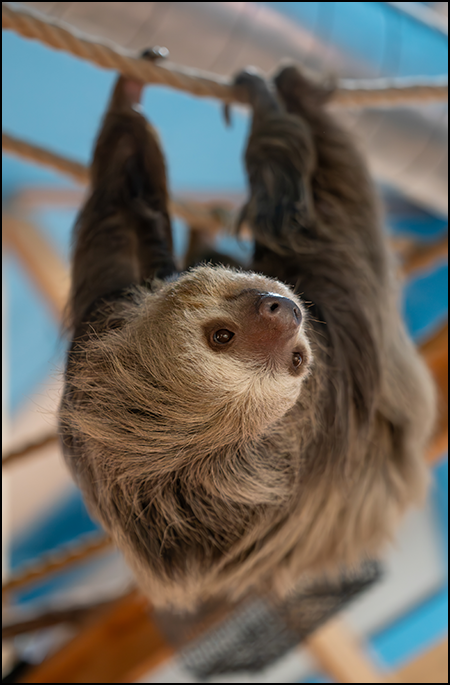
THE SIX-YEAR-OLD SLOTH PASSED AWAY ON WEDNESDAY, SEPT. 24, DUE TO HEART DISEASE – Cheyenne Mountain Zoo is reflecting on the impact that Bean, a Hoffmann’s two-toed sloth who lived in The Loft, made on members, guests and staff. Bean passed away on Wed., Sept. 24 after a short illness.

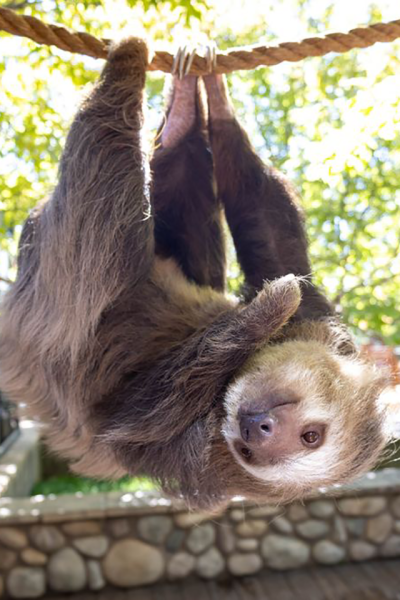
Two-toed sloth Bean upside-down on ropes

Last week, Bean lost her appetite and was ‘off,’ so she went to the Zoo’s veterinary hospital for supportive treatment and bloodwork, which revealed kidney disease. By Wednesday, her kidney levels had improved due to her care team’s support, but Bean unfortunately passed away unexpectedly that evening. On Thursday, a necropsy (an animal autopsy) revealed significant heart disease, which did not present heart-specific symptoms that would lead to heart testing in such a young sloth.

Bean was born on May 14, 2019, in Monkey Pavilion, which used to sit where the Zoo’s playhills are now. A guest favorite from the start, she was the first sloth born at the Zoo in 15 years, and she was born in view of a few lucky visitors who happened to be in the right place at the right time.

In her first few months, she allowed guests and staff to feed her grapes, which she eagerly took, exposing her adorable bright pink tongue. She was extremely outgoing, appearing on several local television stations who sent crews out to meet her.

When Bean reached maturity, she moved to The Loft, where she quickly connected with guests who could look up to see her as she explored the rafters overhead. The confident and curious sloth had been known to temporarily snag a guest’s hat or two from her overhead vantage point.

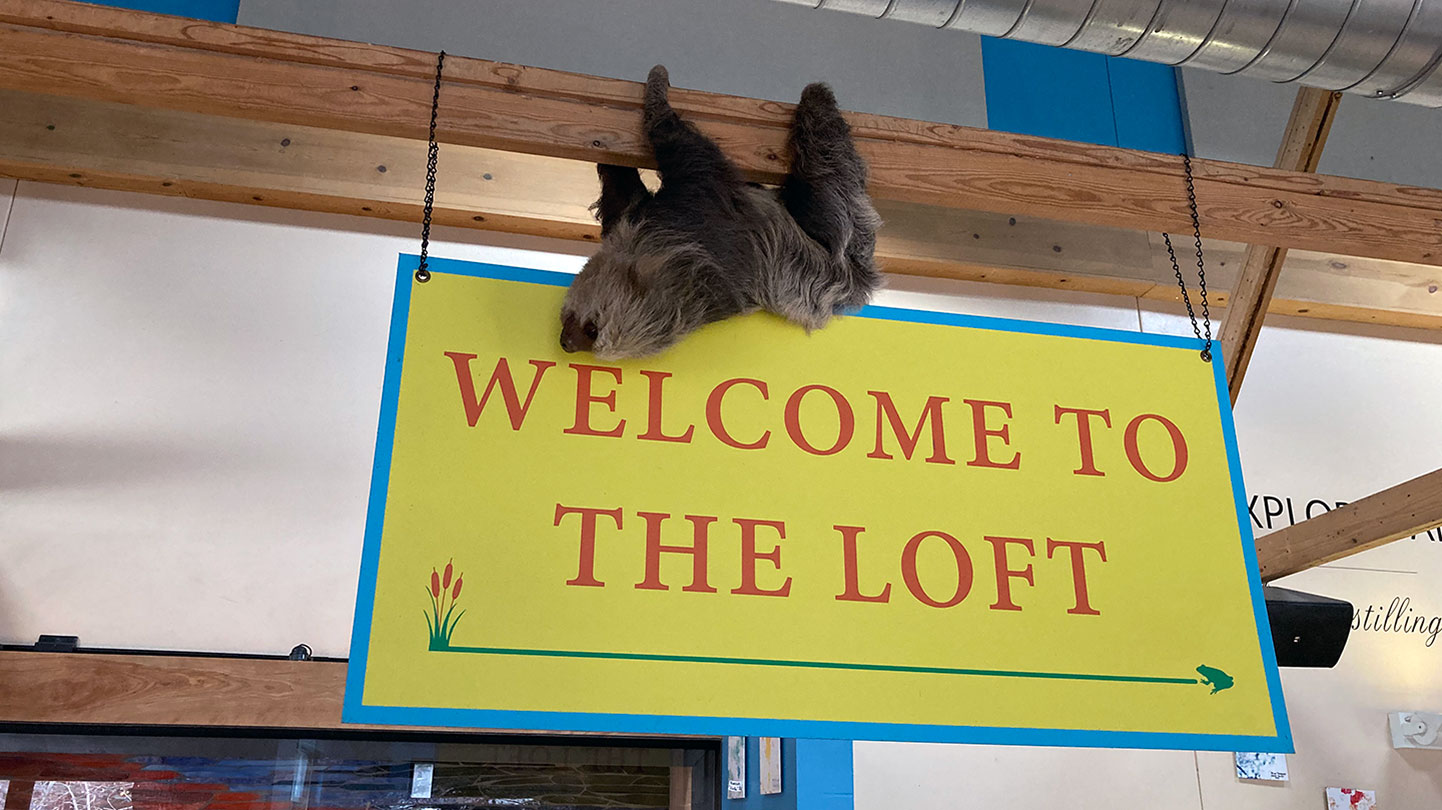
“Sloths have a reputation for being slow, but Bean was pretty fast when she wanted to be,” Jackie Watson, senior animal keeper in The Loft, says. “I loved when she’d climb right in front of our ‘Welcome to The Loft’ sign, like she was our guests’ official welcome sloth. People would always ask with excitement, ‘Is that sloth real?’ and then we’d get to tell them all about her and her species.”

SlothBean transversing on rafters in The Loft

She had an endearing mischievous and adventurous side, but her keepers will remember her as focused, self-aware and incredibly intelligent.

“It’s my passion to connect people with animals, and Bean made my work easy,” Jackie says. “She had such a knack for it that I could sit back and watch her work her magic, with very little input needed from me. I think she had such good energy because she had good boundaries. If a group of guests wasn’t interacting with her to her preferences, she wouldn’t hesitate to just leave. I aspire to her level of genuine connection, intelligence and spunk.”

Bean’s intelligence was groundbreaking. She knew how to enter a crate voluntarily, position herself for visual health checks, and she was close to perfecting a cooperative blood draw – unheard of in sloth care as far as her care team knows.

She was also the only sloth in the Zoo’s history to perfect painting. Keepers fixed a paintbrush to a stick that Bean could hold in one hand while she hung upside down. They would hold a canvas near Bean, and she would paint on the canvas and receive her favorite snacks – hard-boiled eggs and primate biscuits — as rewards for participating. Many guests over the years enjoyed painting sessions with Bean, or purchased artwork created by Bean to support the Zoo’s animal care.

“When she first moved to The Loft, I started training her to paint so we had more opportunities to bond,” Cassie Spero, senior animal keeper in The Loft, says. “A couple of months later, she was swiping a paint brush on canvases, my hands, and often her face. We bonded so much that whenever I was training a skunk, owl, or porcupine, she would wake up, climb to wherever I was, and hang down from the ropes to interrupt my other training sessions. Bean helped shape my career, and I am forever grateful to have had the opportunity to get to know her.”

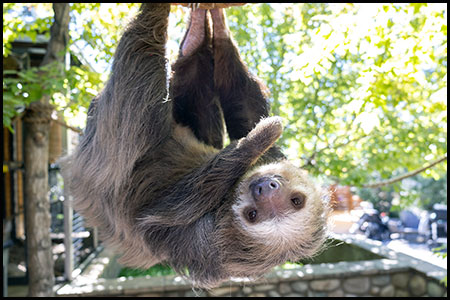
Hoffman's two-toed sloth, Bean

In addition to painting sessions, Bean was part of countless marriage proposals, birthdays, anniversaries and just-because special encounters inside and outside of The Loft. She loved the sunshine, and Bean’s team worked to extend her rope system outside to the front porch of The Loft so she could enjoy it frequently.

“On sunny days, we’d open up the doors and I’d hang out with her in the sunshine,” Alia Cooper, senior animal keeper in The Loft, says. “Her body would totally relax while she soaked up the sunshine, and I loved getting to tell people about her as they walked by. People would come to The Loft to see her, and she opened the door for people to stay and learn about reptiles and smaller animals that they might not otherwise visit.”

Bean made a lasting impact and will be deeply missed. Her father, Bosco (33), her half-sister, Olive (9 months) and Olive’s mom, Asyan (10), live in Scutes Family Gallery.

About Cheyenne Mountain Zoo

Cheyenne Mountain Zoological Society was founded in 1926. Today, Cheyenne Mountain Zoo, America’s mountain Zoo, offers comprehensive education programs, exciting conservation efforts and truly fantastic animal experiences. In 2025, Cheyenne Mountain Zoo was voted #2 Best Zoo in North America and CMZoo’s Rocky Mountain Wild was named #2 Best Zoo Exhibit in North America by USA TODAY 10Best Readers’ Choice Awards. It is Cheyenne Mountain Zoo’s goal to help guests fall in love with animals and nature, and take action to protect them. Of the 237 zoos and aquariums accredited by the Association of Zoos and Aquariums (AZA), Cheyenne Mountain Zoo is one of just a few operating without tax support. Cheyenne Mountain Zoo depends on admissions, membership dues, special event attendance and donations for to fund animal care, conservation, Zoo operations and improvements.

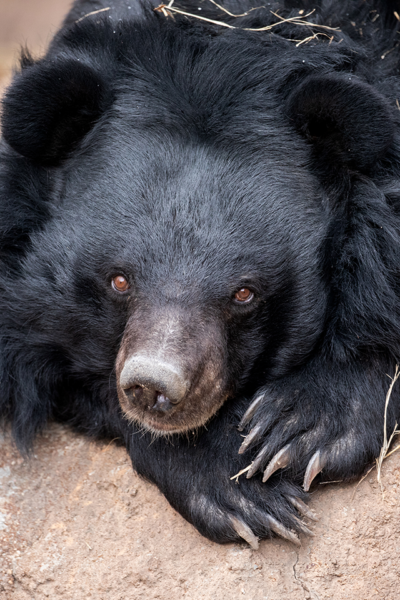
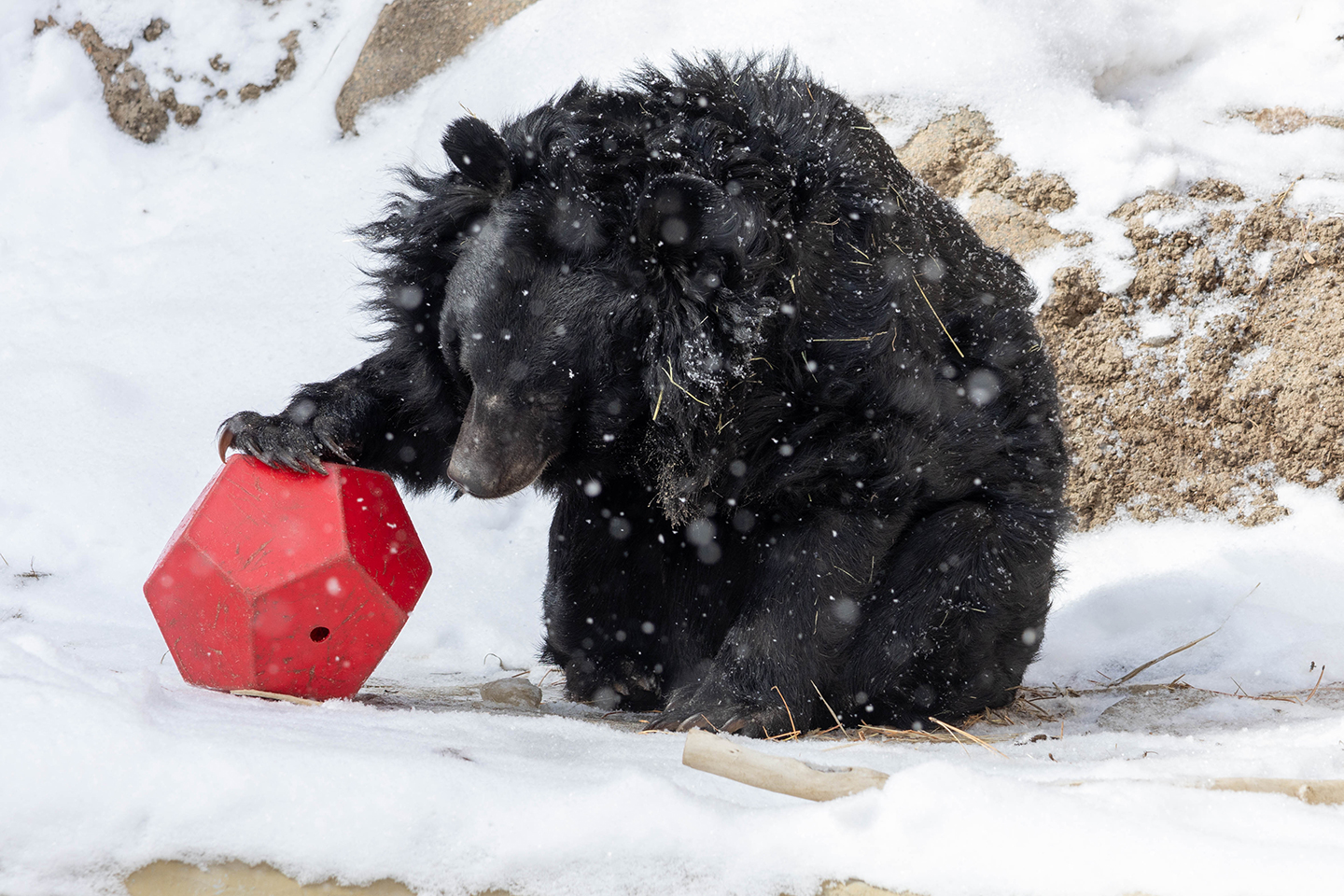
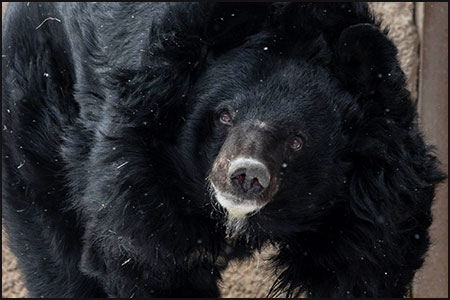
SHE WAS THE OLDEST ASIATIC BLACK BEAR IN HUMAN CARE IN THE COUNTRY WHEN SHE PASSED – On Sunday morning, Cheyenne Mountain Zoo said goodbye to Beezler, the oldest Asiatic black bear in human care in the U.S. She came to CMZoo in 1994 with her sister Honey, who passed away in 2022.

Part of planning her Last Best Day included giving Zoo Family a chance to say goodbye. Before Beezler was humanely euthanized, staff, docents and board members gathered to express their gratitude for her. Staff shared their appreciation for Beezler’s contributions, signed a card and shared in the joy of watching Beezler relaxing in the sunshine, enjoying cookies, whipped cream, muffins and meatballs.

“It may sound strange, but we work hard and have hours of discussions to make sure we’re giving each animal its Last Best Day,” Bob Chastain, president and CEO at CMZoo, says. “We wanted to make sure Beezler was healthy enough to pass peacefully. That meant a few things for us. She needed to eat something so we could keep her medicated, and we needed her to be comfortable and peaceful while the process took place. The team was able to achieve that peaceful passing for Beezler, and that’s comforting to all of us. She’ll be deeply missed.”

Beezler, with her bright brown eyes, big round ears and fluffy mane, has kept a quiet corner of the Zoo for many years. Up above the playhill and tapir-okapi yard, many Zoo visitors enjoyed the calm and peaceful setting, taking time for lunch at the picnic tables or quietly watching Beezler.

Beezler has been a celebrated member of the community for decades, and she was especially inspirational to many in their golden years.

“She was the oldest Asiatic black bear in human care in the country, but it seems like she only turned ‘old’ really recently,” Jessi Palmer, Rocky Mountain Wild animal keeper, says. “She was still so mentally sharp, observant and engaged. It’s like we knew she was old, but she didn’t believe it. I think many people who are aging related to her and were inspired by her. She just kept going.”

At 30 years old, Beezler surprised her care team by climbing up a structure, about 15 feet high.

“We were delivering an enrichment item via zip line into her outdoor area, and it got stuck just above the structure,” Kelsey Walker, Rocky Mountain Wild senior animal keeper, says. “Before we could shake it loose, Beezler was scaling a diagonal tree trunk and balancing on her back legs to reach it. That was typical Beezler – defying the odds and making you rethink everything you thought you knew.”

Erika Furnes, Rocky Mountain Wild senior animal keeper, worked with Beezler for nine years, and can attest to the adorable bear’s ability to keep you on your toes. Erika describes Beezler as sweet, confident and patient – with a side of respectable sass.

“During training sessions, sometimes Beezler was training us,” Erika says. “If you weren’t delivering her training rewards the right way – holding the tongs at just the right angle, getting the food portions perfect and pacing them as quickly as she wanted them – she would start taking the food from the tongs with a bit more quickness and intensity. She was still gentle, taking the food just with her lips, but she would definitely communicate if your performance wasn’t up to her standards.”

Over nearly a decade, Erika and Beezler worked closely together, learning new training techniques and making accommodations that allowed Beezler to cooperate in her own health care as she aged.

“She taught us a lot about making accommodations for aging animals, to support their natural behaviors as their bodies slow down,” Erika says. “In her later years, we turned one of her pools into a dirt pile, which she loved. We made adjustments to her enrichment, so she was still challenged and we could encourage her to stay flexible, but she could still feel accomplished. We never stopped offering her ‘young bear’ enrichment, like a log that smelled like one of our porcupines. We weren’t sure if she’d be interested, but she tore it up like a cub.”

Beezler got a smaller pool, along with mud wallows and 24/7 access to her climate controlled den to keep cool. Guests often shared sentiments of support, knowing the Zoo was offering Beezler opportunities to nap in the cool den, where they couldn’t see her.

“A lot of members came to the Zoo just to see Beezler,” Courtney Rogers, CMZoo registrar and former Rocky Mountain Wild keeper, says. “They would sometimes ask where she was, and when I explained that she might be choosing to take a nap in her den, they would say, ‘Good for her!’. People respected Beezler, and like us, wanted what was best for her.”

Asiatic black bears are not commonly found in zoos, making Beezler a rare and special resident. Despite her small stature, standing only about two-and-a-half feet tall at the shoulder, Beezler had a giant presence at CMZoo and around the world through the Zoo’s social media channels.

“A big part of our role is to help guests fall in love with animals, but she didn’t need us,” Erika says. “She did that on her own. People connected with her in so many ways, and she was the perfect ambassador for her species.”

About Cheyenne Mountain Zoo

Cheyenne Mountain Zoological Society was founded in 1926. Today, Cheyenne Mountain Zoo, America’s mountain Zoo, offers comprehensive education programs, exciting conservation efforts and truly fantastic animal experiences. In 2025, Cheyenne Mountain Zoo was voted #2 Best Zoo in North America and CMZoo’s Rocky Mountain Wild was named #2 Best Zoo Exhibit in North America by USA TODAY’s 10Best Readers’ Choice Awards. It is Cheyenne Mountain Zoo’s goal to help guests fall in love with animals and nature, and take action to protect them. Since 2008, CMZoo’s Quarters for Conservation program has raised nearly $6 million dedicated to frontline conservation efforts around the world. Of the 237 zoos and aquariums accredited by the Association of Zoos and Aquariums (AZA), Cheyenne Mountain Zoo is one of just a few operating without tax support. Cheyenne Mountain Zoo depends on admissions, membership dues, special event attendance and donations for funding.
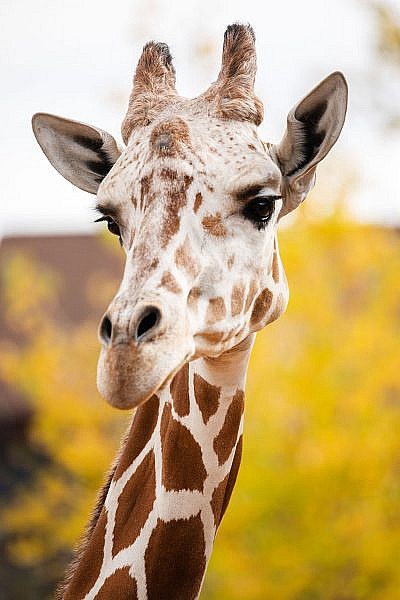
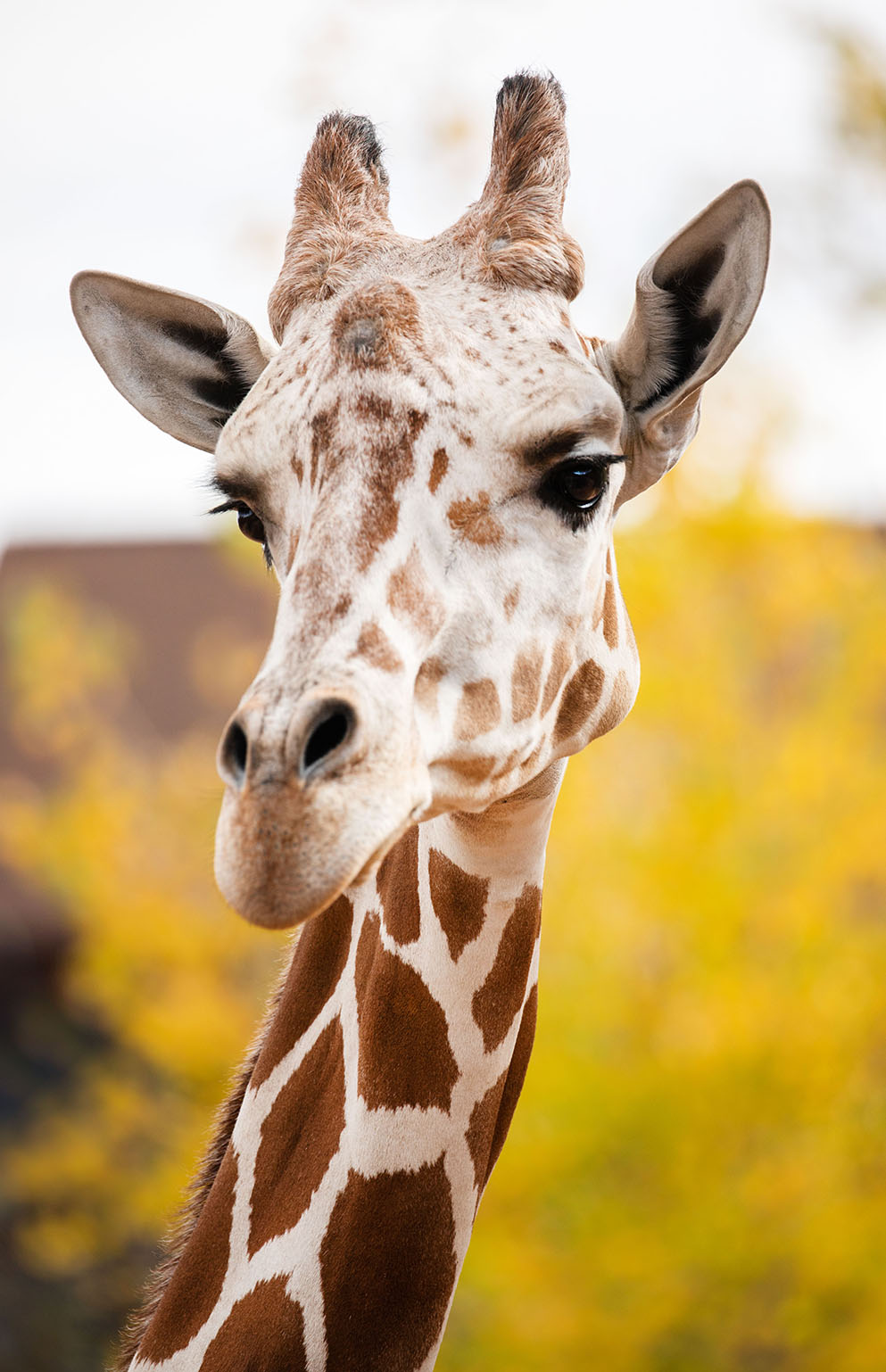
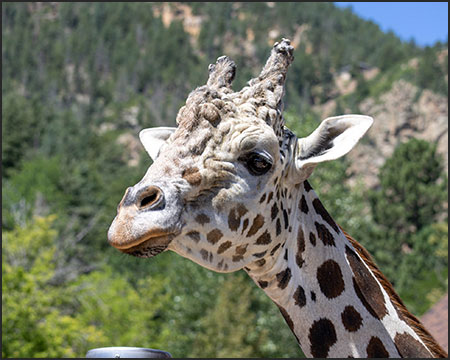
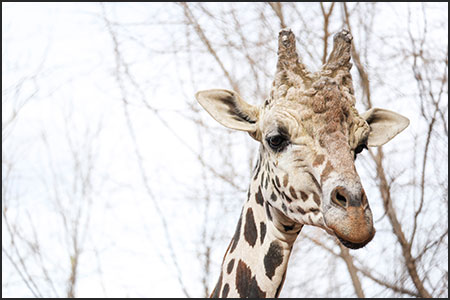
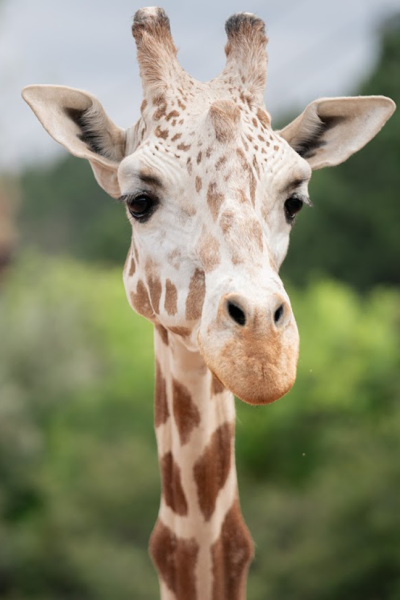
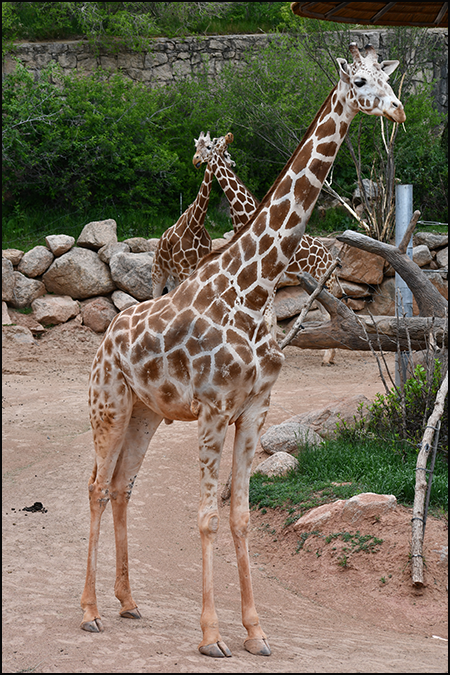
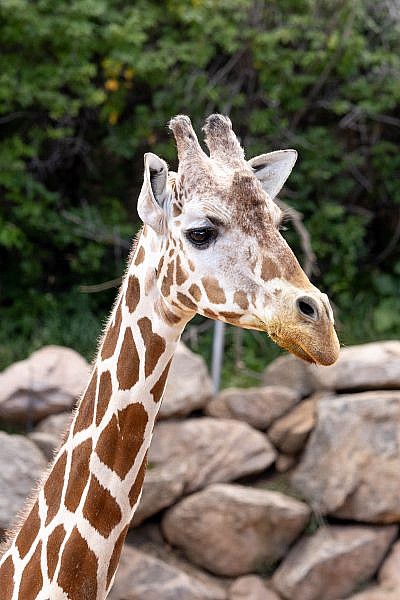
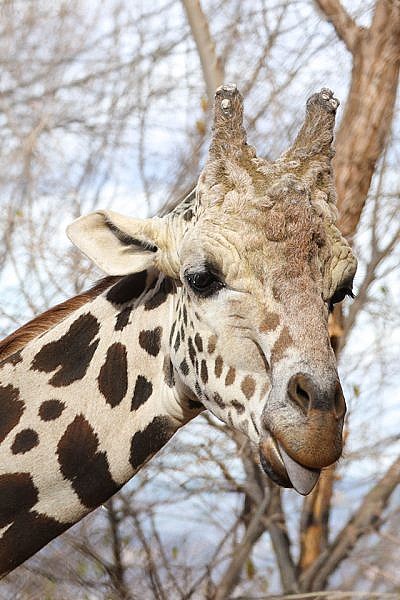
HE WAS THE SECOND-OLDEST MALE GIRAFFE IN HUMAN CARE IN THE COUNTRY WHEN HE PASSED – Cheyenne Mountain Zoo staff and giraffe fans are reflecting on the life of a legendary giraffe, Mahali [ma-HAUL-ee]. After an age-related decline in his health, Mahali’s care team made the difficult but compassionate decision to euthanize him on Thurs., April 10. Mahali was the second-oldest male reticulated giraffe in Association of Zoos and Aquariums facilities in the country at 22 years old.

Mahali, male reticulated giraffe looking at the camera

Mahali’s team remembers him as self-assured and particular, and they’re most grateful for what he taught them. Later in life, Mahali experienced foot and leg issues that affected his mobility. In 2017 and 2020, Mahali went under anesthesia to receive treatments, and those procedures helped him heal and return to a good quality of life. In 2023, his care team decided to avoid future risky anesthesia, and focus on helping Mahali live well as an old giraffe by making environmental accommodations for him.

“Mahali changed the way we think about caring for aging giraffe,” Rick Hester, CMZoo animal behaviors curator, says. “It’s not often you have the opportunity to work with a male giraffe this old, and once we understood each other, we could try all sorts of accommodations to help him age comfortably.”

Mahali advanced giraffe care by allowing his team to glue orthopedic shoes to his hooves, and by helping his team understand quality-of-life measurements that made sense for him as an old giraffe, as opposed to a young giraffe. A good quality of life for an aging giraffe includes having comfortable places to rest, participating in husbandry training, socializing with giraffe friends, eating well, being able to lie down and stand up, and traversing all terrains.

When keepers noticed Mahali was ‘saying no’ to training consistently around 2017, Amy Schilz, senior animal behaviorist at the International Center for the Care and Conservation of Giraffe at CMZoo, asked Rick to put his decade of animal training experience to the test with Mahali. After Mahali developed a communicative and trusting relationship with Rick, it was game on.

Even in a busy barn, Rick could call out, ‘Hey, Mahali,’ in a low monotone voice. Mahali’s eyes would sharpen focus, his ears would perk up, and he’d start scanning the crowd. Once he spotted Rick, he’d walk right over. Rick and Amy worked consistently together with Mahali’s training, and Mahali learned to trust that he was in control with these humans, who were going to notice his subtle communication cues.

Mahali, male reticulated giraffe outside

“Mahali had special needs, and what worked for the rest of the herd wasn’t working for him as he aged, so we worked to find the right nuance for Mahali,” Rick says. “When we were together, we were really focused on each other, and Mahali responded well for many years.”

Rick and Mahali stayed focused on each other for Mahali’s remaining years, perfecting the animal-human communication that all CMZoo animal trainers strive for, to provide excellent cooperative care for an animal. Thanks to his dedicated team, Mahali got many more years of quality health, and giraffe fans got many more years of Mahali.

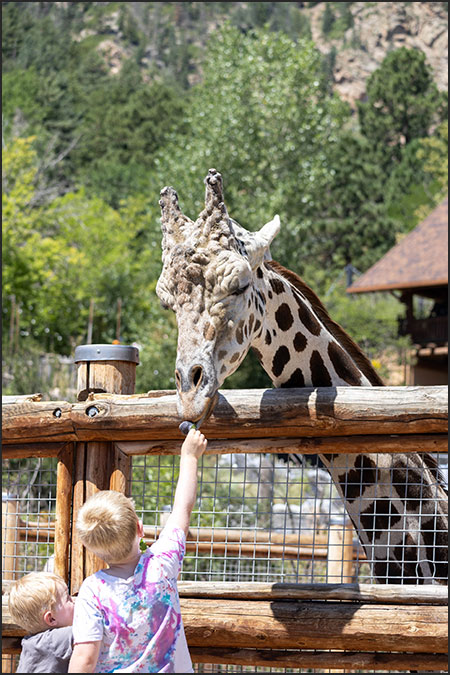
“Mahali was a rascal in his younger years,” Amy says. Amy worked with Mahali for 12 years. “Some might remember we used to sell lettuce for giraffe feedings near the railing of the giraffe yard. We moved it because Mahali could reach over the railing, and he kept nudging staff to give him lettuce, like, ‘Hey, I see what you have there.’”

As Mahali grew up, his confidence was on full display. His team described him as ‘tactile.’ He was known for pulling on keepers’ shirts or pushing other giraffe out of his way to be the center of keepers’ attention. If Mahali didn’t want to move, he wasn’t moving. At the end of the day, when keepers welcomed giraffe to the barn from the yard, he would sometimes opt for a few more hours outside.

“He had a great last day,” Jason Bredahl, CMZoo curator of animal environments and former giraffe animal care manager, says. Jason was present for Mahali’s entire life. “He went out into the yard with an enthusiasm we hadn’t seen in a few days. He soaked up the sunshine and ate lettuce and tree branches while socializing with his herd and our guests. We’re proud of the ‘bonus years’ we’ve been able to give Mahali, and we’re grateful for all the guests he has inspired and animal welfare he has taught us. It’s always hard when we know it’s time to say goodbye, but it’s also our final act of compassion and stewardship for our animals.”

Mahali was the first giraffe calf born in the current giraffe barn, hours before Mother’s Day in May 2003. As the Zoo makes progress on its giraffe habitat expansion and a new 12,000 square-foot giraffe building, giraffe staff say they will take the lessons Mahali taught them to their new giraffe center, and share with keepers around the world through the International Center for the Care and Conservation of Giraffe’s workshops, information sharing and consultations. His legacy will live on in every giraffe that gets to live old well.

About Cheyenne Mountain Zoo

Cheyenne Mountain Zoological Society was founded in 1926. Today, Cheyenne Mountain Zoo, America’s mountain Zoo, offers comprehensive education programs, exciting conservation efforts and truly fantastic animal experiences. In 2025, Cheyenne Mountain Zoo was voted #2 Best Zoo in North America and CMZoo’s Rocky Mountain Wild was named #2 Best Zoo Exhibit in North America by USA TODAY 10Best Readers’ Choice Awards. It is Cheyenne Mountain Zoo’s goal to help guests fall in love with animals and nature, and take action to protect them. Since 2008, CMZoo’s Quarters for Conservation program has raised more than $5 million dedicated to frontline conservation efforts around the world. Of the 237 zoos and aquariums accredited by the Association of Zoos and Aquariums (AZA), Cheyenne Mountain Zoo is one of just a few operating without tax support. Cheyenne Mountain Zoo depends on admissions, membership dues, special event attendance and donations for funding.
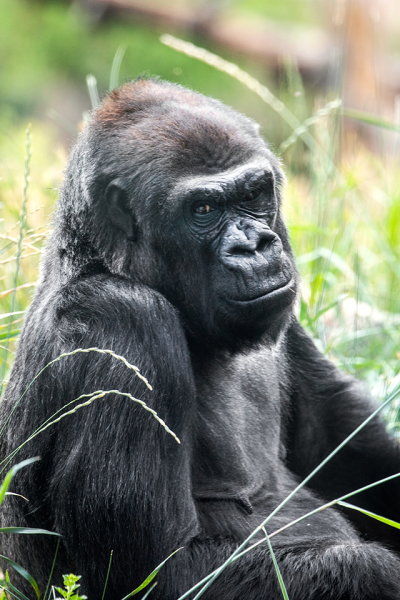
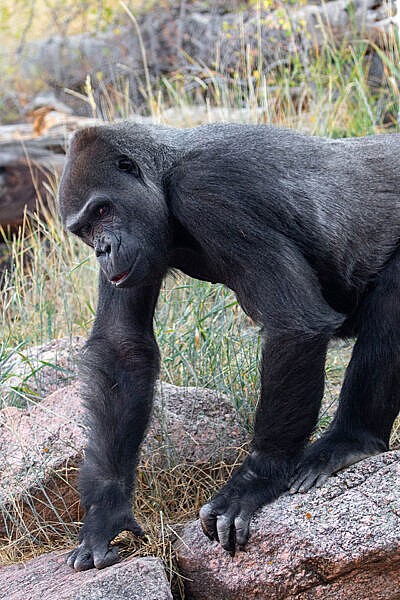
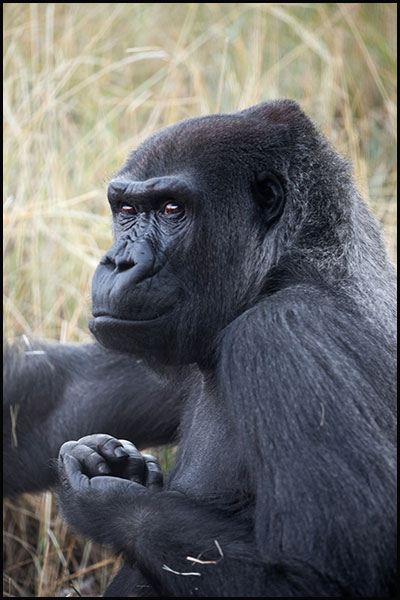
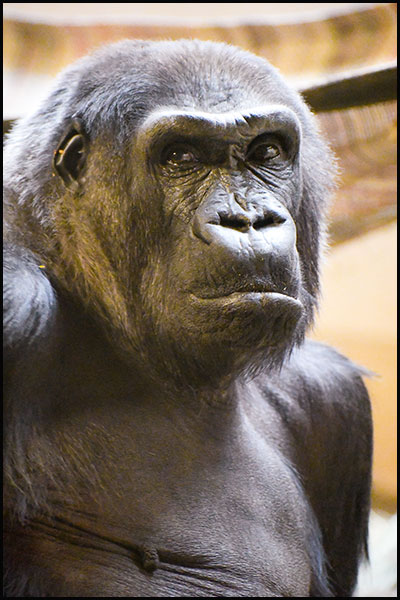
THE FEMALE WESTERN LOWLAND GORILLA WAS THE THIRD OLDEST IN THE U.S. WHEN SHE PASSED – Cheyenne Mountain Zoo is remembering the long life of Roxie, a 48-year-old female Western lowland gorilla. Roxie was humanely euthanized, due to age-related decline, on Tues., April 8, surrounded by her animal care team.

Roxie was an icon, as the Zoo’s longest living resident. She was born at the Zoo in 1976, and she was a constant on the mountain for generations of staff and visitors ever since. As the fifth oldest Western lowland gorilla in Association of Zoos and Aquariums (AZA) human care in the U.S., and the third oldest female, she was well known throughout the gorilla care community.

Although Roxie did not have offspring, she contributed to the Western Lowland Gorilla Species Survival Plan and SAFE (Saving Animals From Extinction) Gorilla in many important ways – including playing a key role in the cohesiveness of the troop at CMZoo.

Roxie was the ‘cool aunt’ to 32-year-old female gorilla, Asha, often playing and wrestling with her when she was a baby. She also helped now-32-year-old Kwisha settle in at CMZoo, when Kwisha was not accepted by her mother at another zoo and moved to CMZoo at 8 months old.

Roxie adored Asha’s daughter, Tumani, and son, Dembe, who were born at CMZoo and now live at other AZA-accredited zoos. Many will remember Roxie wrestling and chasing with the young gorillas when they lived at CMZoo. Most recently, Roxie was an instrumental social support, leading Asha and the troop one step closer to future offspring by helping Goma, CMZoo silverback, learn his place in the troop.

Roxie’s confidence around Goma helped him learn how to lead female gorillas with respectful dominance. Partly because of Roxie’s calm and gentle leadership, the other female members of the group followed her lead and learned to embrace him.

“She was the first gorilla we ever saw have a tickle fight with Goma,” Ashton Asbury, Primate World keeper, says. “Goma and Roxie shared a special relationship. She gave him grace and reacted calmly to his natural displays, which helped the troop’s level of calmness during some of those introductions, but she also banded with other females to help him learn limits.”

Roxie was known for her playfulness and excitability. She would often ‘tap’ other gorillas on the rear end when they walked by her to initiate play. Even in her older years, she would beat her chest, clap and grumble (which is a ‘happy gorilla noise’) when she saw a keeper preparing to train with her.

“I think about how much her life and world changed over the years, and how much our profession has advanced in terms of animal welfare during Roxie’s life,” Debbie Fenton, senior keeper in Primate World, says. Debbie first worked with Roxie 20 years ago. “She taught us that you can teach an older gorilla new husbandry tactics, and make things better together. She became quite the expert at participating in her own care.”

Gorillas are extremely intelligent and social. After she passed, Roxie’s care team moved her back into the space with her troop, so they could say goodbye and understand her absence. The loss of Roxie will likely be felt by the CMZoo gorilla troop, Asha, Kwisha and Goma, as much as the humans who cared for her.

Animals are extremely resilient, and the troop’s dedicated care team will monitor behaviors closely and respond as needed. Roxie’s legacy will continue to serve Asha, Kwisha and Goma as they settle into a party of three.

Keepers ask supporters to honor Roxie and the troop and help save their wild counterparts by recycling small electronic devices at Cheyenne Mountain Zoo.

Western lowland gorillas are critically endangered, and their numbers continue to decrease in the wild. In addition to disease and poaching, they face habitat loss due to logging for agricultural use, human settlements and mining. Many of the West African lowland forests and swamps that these animals call home are also natural deposits of coltan, a mineral used in cell phones and other electronics. Due to the ever-increasing demand for cell phones across the world, the destruction of these gorillas’ habitats for mining purposes has unfortunately increased.

Coltan is recyclable, and by donating old cell phones, we can help supply valuable coltan for future phone production. Guests can bring electronics to CMZoo admissions or Primate World, where there’s a recycling collection bin near the gorillas’ indoor dens. CMZoo will send them to Eco-Cell, an organization that recycles the phones, as well as tablets, smart watches, Bluetooth devices, GPS devices, e-readers, digital cameras, handheld gaming systems and their accessories.

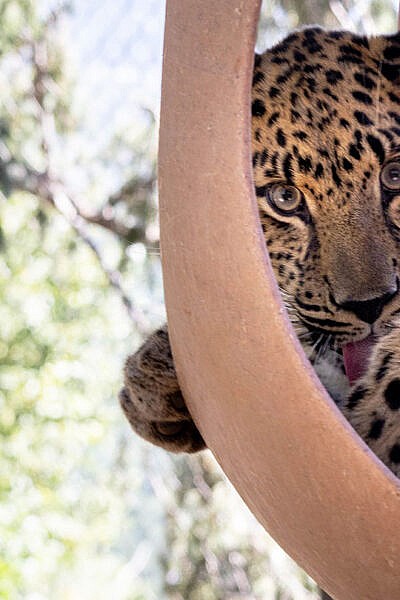
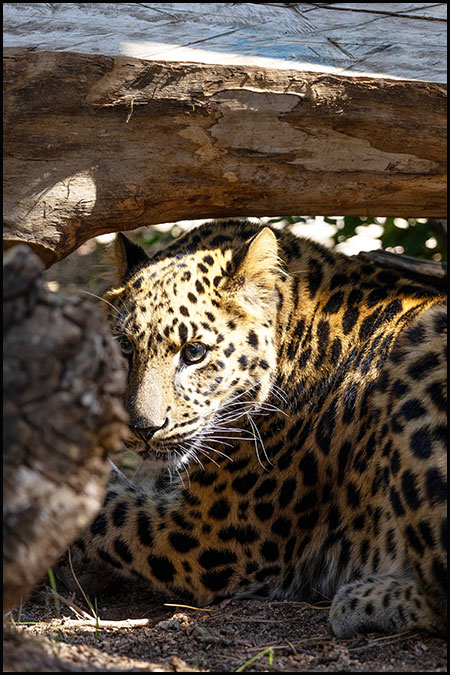
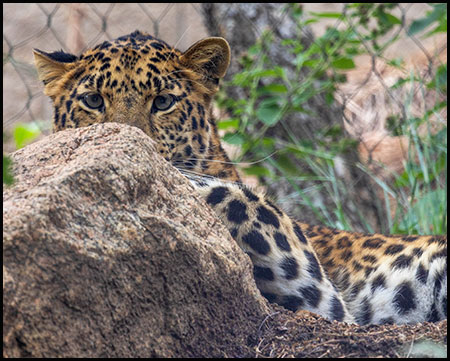
Mango and Basha, 1-year-old Amur leopard brothers, are growing up – and gearing up for their next big adventure. As the first Amur leopard cubs born at Cheyenne Mountain Zoo in nearly 20 years, their highly anticipated births made history in May 2023. Now, their care team is preparing them to leave CMZoo for other zoos accredited by the Association of Zoos and Aquariums (AZA) to continue their important work in furthering the species.

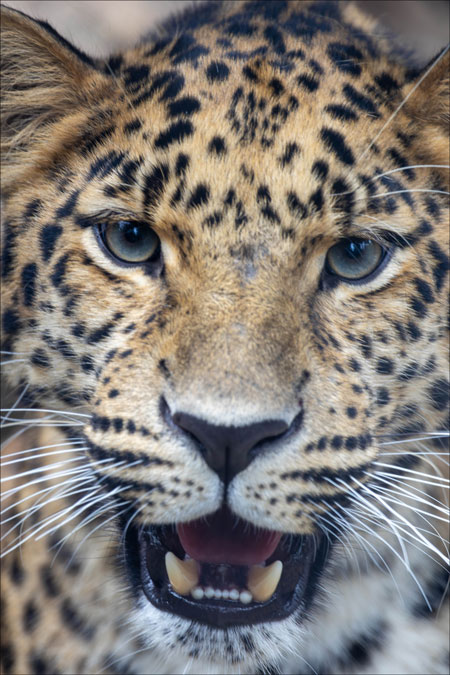
Amur leopard Mango portrait
Amur leopard, Mango.

Mango, with his playful and unpredictable nature, and Basha, known for his quick learning and keen observation, are sure to make lasting impressions wherever they go. Their moving dates have not been set, but they could be as soon as this fall or next spring. The boys will go to separate zoos on eventual breeding recommendations to help support the Amur Leopard Species Survival Plan. Although they’re reproductively mature now, they’re not likely to meet potential mates right away. Male leopards are usually most successful mates when they’re a bit older.

Mango and Basha, who previously lived with their mother, Anya, have most recently been living together, apart from their mom. It is natural at this age for male leopards to leave their mothers, and Anya was showing keepers she was ready for the boys to move out. For the last couple of months, the brothers have been living together and spending more time independently from each other.

Amur leopard Basha up-close portrait
Amur leopard, Basha.

The steady transition is part of a comprehensive plan to foster their independence and confidence as independent leopards in new homes. Basia Dann, lead animal keeper in Asian Highlands, and her team are creating a detailed big cat transport plan and best practices program. They have started sharing the program with other big cat teams at professional conferences. Their hope is that this program can help Mango and Basha, as well as other big cats, make successful transitions between AZA-accredited organizations.

“It’s likely that most animals will move between organizations eventually,” Basia says. “We want Mango and Basha to be comfortable and confident during training, throughout their transport and as they settle into their new homes. We’re preparing them for various environments and situations they might encounter in their new zoos.”

The preparation began early, with keepers training Mango and Basha in a range of skills essential for their upcoming moves, as early as just a few months old. Crate training has been a key component, because the leopards will embark on their journeys by voluntarily entering transport crates and being awake for the trips to their new homes.

“We’ve been ‘practicing’ moving with the boys by asking them to voluntarily enter and sit calmly in a variety of crates and environments,” Basia says. “This helps them get used to being in different settings, and it can reduce their stress during a move. We want them to learn that they can feel confident in a crate, that crates are temporary, and that they’ll get a big treat when they’re done in the crate.”

Amur leopard mango portrait
Amur leopard, Mango.

In addition to crate training, keepers have been rotating Mango and Basha through different spaces within their current habitat. This includes areas that simulate conditions they might encounter in their new homes, such as public viewing spaces and routine quarantine settings. The aim is to familiarize the leopards with varied environments and stimuli, helping them build skills that make them adaptable and resilient.

Communication between zoos is another critical aspect of preparing an animal for a successful move. Cheyenne Mountain Zoo is working closely with other facilities to coordinate Mango and Basha’s transfers, including sharing detailed information about the leopard’s individual preferences, tendencies, habitat layouts, experiences, training and behaviors.

“We share information about their favorite resting spots, perching systems, preferred enrichment and feeding habits, too,” Basia says. “This helps the receiving zoos prepare environments that feel as familiar as possible for them. If an animal is most relaxed up high on a branch, let’s make sure they have that waiting for them after their transport.”

As Mango and Basha prepare to leave, there’s a mix of excitement and bittersweet emotion among CMZoo staff.

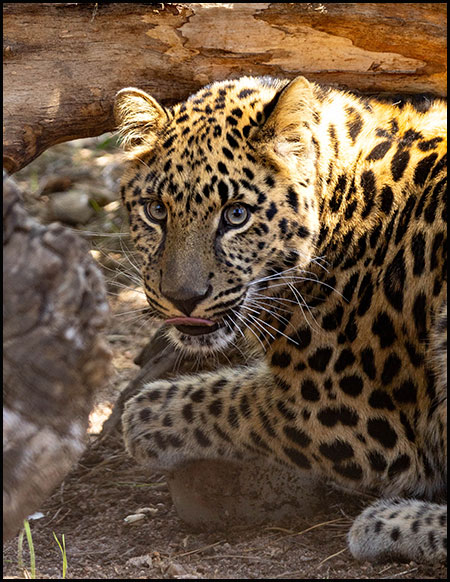
Amur leopard Basha behind a rock
Amur leopard, Basha.

“Working with their mom through her pregnancy and seeing them grow up have been some of my most rewarding experiences as an animal keeper,” Basia says. “I will definitely miss them, but it’s not about me. We do this work alongside our animals to help save species, and I’m so glad we got to play a supporting role in helping Mango and Basha learn how to do that.”

Amur leopards are widely known as the rarest big cats on the planet. Only around 100 individuals remain in the wilds of Eastern Russia and China. CMZoo’s four Amur leopards represent four percent of the wild population. Helping Basha and Mango master the skills needed to successfully adapt to a new home in the future will hopefully give them the opportunity to breed and have families of their own, increasing the number of Amur leopards in the world.

When their moving plans are more concrete, CMZoo will share details. Visit the boys now to ensure you can wish them well on their way, and stay tuned to the Zoo’s social media channels for updates.

Back to The Waterhole

Cheyenne Mountain Zoo is mourning the passing of a truly iconic animal: Juju, a 43-year-old female Western lowland gorilla. After a significant decline due to kidney disease and other age-related ailments, her care team made the compassionate decision to euthanize her today.

A month ago, Juju underwent an immobilization and treatment to address a downturn in her health. At that time, they unfortunately discovered late-stage kidney disease and held onto hope that she could live a comfortable life for longer than this. After a recent rapid decline, they ruled out additional care under anesthesia because it is always risky and is not a long-term solution for good welfare. It was clear to Juju’s team that her best care option was to give her a peaceful passing without pain.

Juju came to CMZoo at the age of 2, in September 1982. She was one of the Zoo’s longest residents, and many Zoo members, staff and guests made connections with her, thanks to her confident role in the gorilla troop.

“She was such a leader in the group, and she made it clear to her keeper team that she was the one in charge, too,” said Amy Tuchman, senior animal keeper. “I remember once scattering food from the roof into the gorilla yard with a colleague who didn’t know her preferences as well. She was sitting on the hill with her hand out, catching food from us when he threw her a carrot – not her favorite. She threw it right back at him with such intention.”

Juju was a big presence in so many ways, including her volume. She was extremely vocal, often grumbling loudly – a sign of a satisfied gorilla – when she got a favorite piece of produce. She was also gentle and playful with her gorilla bestie, Roxie, a 47-year-old female.

“She had the most incredible relationship with Roxie of any two gorillas I’ve ever seen or heard about,” said Carrie Supino, animal keeper in Primate World. “Occasionally, we’d get the rare benefit of catching them in the middle of tickle fights where they’d wrestle with each other and make happy play faces, which for two ‘old ladies’ was always such a heartwarming thing to see.”

Juju wasn’t just playful with Roxie; she would also engage in play behaviors with her keepers.

“Sometimes, she would come over to the mesh near keepers and grumble her happy grumble and want you to play with her,” said Debbie Fenton, senior animal keeper. “Gorillas can be ticklish and when Juju wanted to be tickled, she would stand up, put her back against the mesh and raise her big arms, so you could tickle her through the fencing under her arms and on her back as she ‘laughed’ in her own gorilla way.”

A truly multifaceted individual, Juju was also an excellent participant in voluntary husbandry training, which she learned at the Zoo through positive reinforcement, a training method by which animals have the choice of whether to participate, and get their favorite treats when they choose to engage. This training helps animals live healthy lives full of choice and care when they are healthy, and allows them to receive lower-stress care when they need medical attention. Juju’s repertoire of training skills allowed her to calmly receive an anesthesia injection when she recently presented her shoulder to keepers, which they interpreted as her asking for help when she was not feeling well at the end of October.

“She was always eager to train, even when the training was for a more difficult behavior, like receiving an injection or, more recently, getting a blood pressure reading on a finger cuff or participating in a cardiac ultrasound,” said Ashton Asbury, animal keeper in Primate World. “She learned voluntary blood pressure reading and cardiac ultrasound behaviors in just a few sessions, which is phenomenal.”

The median life expectancy of a female Western lowland gorilla in human care is 39 years, according to the Association of Zoos and Aquariums. Primate World is closed today to allow staff and the remaining gorilla troop of four to process her passing. Because gorillas are tightly bonded social animals, caregivers plan to give the gorillas, Goma, Kwisha, Asha and Roxie, the opportunity to view Juju after her passing. The animal care team will closely monitor the troop’s individual behaviors and social dynamic, and will make adjustments to care plans, if needed. Please keep Juju’s keepers and troop members in your thoughts as they process the loss of such an iconic CMZoo presence.

“Juju was a special gorilla,” said Jon Wild, lead animal keeper in Primate World. “Her strength and leadership within the troop, her ability to delight guests by wearing a blanket or scarf while carrying a boot and the relationships she developed with her troop and caregivers are just a few examples of her remarkable impact on those around her. She has helped me, and many others, be a better animal keeper and a better person. Thank you, Juju, for allowing me into your world.”

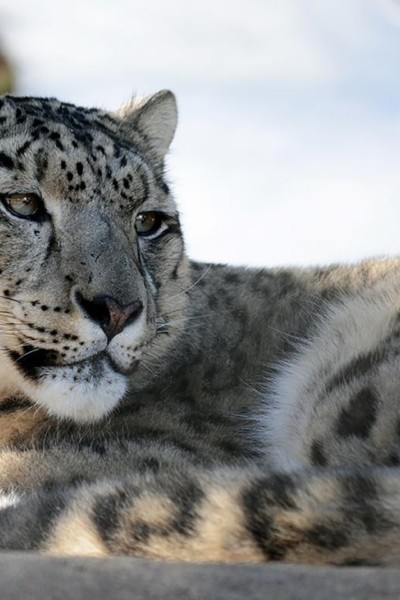
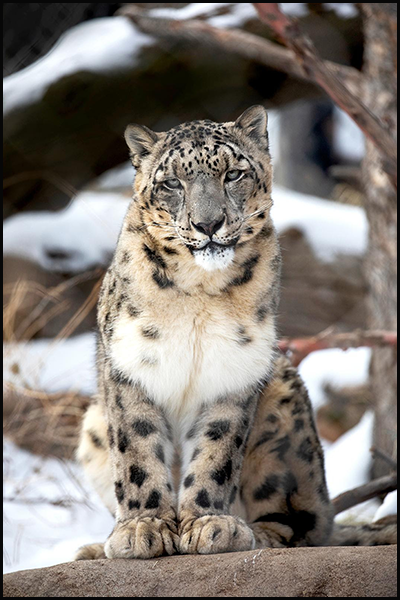
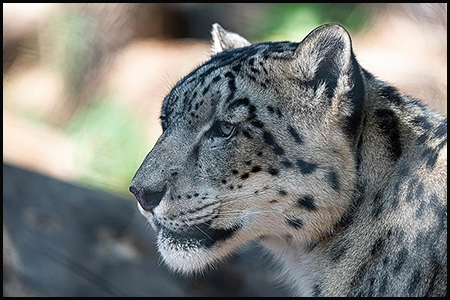
FELINE CAPTURED MILLIONS OF HEARTS THROUGHOUT HIS LIFEFTIME – An adored member of the Cheyenne Mountain Zoo animal family died from complications of advanced kidney disease late last week. Following his diagnosis earlier this year, we knew Bhutan’s time with us was limited, but it was still heartbreaking to lose him.

Bhutan, a 15-year-old snow leopard, passed away due to a respiratory event caused by muscle breakdown from the kidney disease. This type of disease is common in all felines, big and small, exotic and domestic. The Association of Zoos and Aquariums’ median life expectancy for snow leopards in human care is 15.1 years.

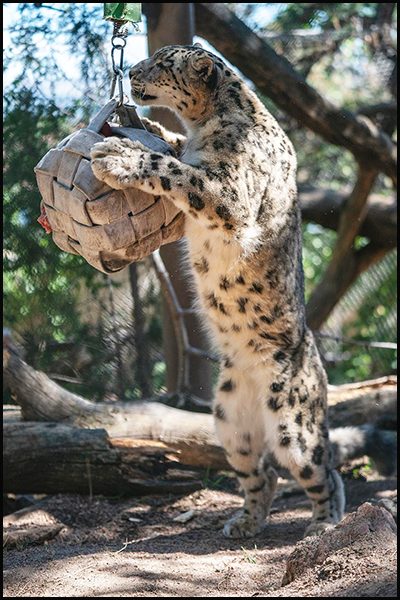
No matter when we would have had to say goodbye to Bhutan, it would have been too soon. But he was able to live a full lifetime of adoration and care here at CMZoo. In his 14 years with us, he touched millions of hearts with his characteristic tail and feet, and his bouncy personality.

Not all of the animals at the Zoo are as universally loved as Bhutan was. Most Zoo staff are reluctant to name favorites, but truth be told, Bhutan (or “Boots,” as he was affectionately called by his keepers) was at the top of the list for many.

After asking our staff to share their memories of “Boots,” we wanted to share just a sampling of the touching responses we received.

Paulette Provost, groundskeeper, said “Over the years, I have had the honor of seeing Bhutan every morning during my cleaning route. As a groundskeeper, I am responsible for cleaning Scutes Family Gallery, so I was able to visit with him every day. Playing peekaboo with him always filled my soul with joy. I never in a million years thought I would make a friend with a snow leopard! What I know is that not only myself, but everyone else in our Zoo family feels that the world is a bit dimmer without his funny and gentle presence. I will miss him.”

Basia Dann, lead animal keeper in Asian Highlands, said “Bhutan was the best at building a community. I watched him recognize old caretakers, Zoo members who would come visit, docents and volunteers dedicated to educating people about snow leopards and various members of the multi-faceted operations teams at the Zoo. He always had a chuff to give in greeting. He knew and cared for his people fiercely. Whether you were away for your weekend or hadn’t seen him in years, he always seemed to remember and be happy to see you and give thanks for the role you played in his life.”

Amy Tuchman, animal keeper in African Rift Valley and former animal keeper in Asian Highlands, said, “Snow Leopards were ‘it’ for me throughout my entire childhood. I studied them, had tons of pictures, but never actually saw one in real life until I moved to Colorado. Then in 2015, my craziest dreams came true, and I actually got to start working with one! Bhutan. He was sassier than I would have guessed and always had a lot to say but I admired how he was always so true to himself. He kept everyone on their toes and I loved all the games he wanted to play. To gain his trust was a huge accomplishment and he really was the one animal that made me absolutely fall in love with training. He was so smart and fast and up for anything, literally. I asked him to climb a tree one day and he just went for it and it was so much fun that we decided to add it as part of his show. He was exciting and had a huge presence and he will be greatly missed here by so many.”

Courtney Rogers, registrar and former animal keeper in Asian Highlands, said, “Everyone works so hard to be the bridge between the animals we care for and the people who meet them, but Boots didn’t always need our help to make lasting impressions. It was easy to spot the people who knew him…they knew his favorite resting spots in each of his exhibits, knew he’d come say hi if you waited long enough (and he felt like it), could tell when he was excited to hear his keepers walk by. If you think he recognized you and that you had a special relationship with him, well, it’s probably true.”

Snow leopard wild populations are listed as “vulnerable” and “decreasing,” according to the International Union for the Conservation of Nature’s (IUCN) Red List. Bhutan’s genetics are extremely valuable to the Snow Leopard Species Survival Plan, but he always preferred a solo life and was not successful breeding with a female. Bhutan’s sperm is valuable because he doesn’t have offspring and has an extremely high sperm count. His sperm has been collected and is kept in a “frozen zoo.” If the need arises, conservationists can pair Bhutan posthumously with a genetically valuable female snow leopard.

Cheyenne Mountain Zoo (CMZoo) and Toronto Zoo are still emotionally processing the tragic loss of 2-year-old female Amur tiger, Mila. Mila [mee-lah] passed away on Fri., Aug. 25, at Cheyenne Mountain Zoo.

Mila moved to CMZoo in March 2023, after showing signs she was ready for her own space, away from her mother at Toronto Zoo. She came to CMZoo on a future breeding recommendation. Because Amur tigers are solitary animals, she never met CMZoo’s male tiger, Chewy.

“She was making such great progress with us,” said Rebecca Zwicker, animal care manager in Asian Highlands at CMZoo. “She was a feisty and intelligent tiger, and the team had been patiently and consistently training with her to help her settle in and feel comfortable in indoor and outdoor spaces behind the scenes. She was getting so close to being out where guests could see her. We were excited to introduce her to our community and for people to fall in love with her here, just as they had in Toronto.”

One thing delaying Mila’s introduction to the CMZoo community was the need to address a recently discovered and severe dental issue. This was not just a cavity; and it could not be left untreated, as it was advancing to her sinuses. Left untreated, infections like this can be fatal for animals.

The team had been working with Mila on several important husbandry behaviors that would allow her to live a life with lots of choice, autonomy and care at the Zoo. She was focused on shifting to different areas comfortably and returning to keepers when called. Once they realized she needed surgery to treat her dental issue, they prioritized re-establishing voluntary injection training that the Toronto Zoo Wildlife Care staff had previously established.

Thanks to this training, on Friday, she voluntarily received the injection of initial anesthesia, then she jumped up on a bench where she began to lay down and peacefully let the anesthetic drugs take effect. Less than a minute after lying down, she slipped off of the waist-high bench, causing a fatal spinal injury. Given the short timeframe from her lying down to her slipping off, it was impossible from a human safety standpoint to stop her tragic fall.

“She could have slid off from that height a hundred times and landed in a variety of other positions and been unaffected,” said Dr. Eric Klaphake, CMZoo head veterinarian. “The team quickly entered her den when it was safe and diligently tried for 40 minutes to give her life-saving care.”

“These are impossible life-and-death decisions being made in real time by a team that has dedicated their life to the care of animals. Do you anesthetize her despite the risks and give her the dental care she needs? Once you see her slipping, you wonder if you can safely get in there to stop a 270-pound tiger from falling completely. How fast can you safely go in and provide rescue attempts?,” said Bob Chastain, CMZoo president and CEO. “You can plan and plan and things still go wrong. Our team delivered exactly the right amount of drugs to a very calm tiger who had trained for this moment. We have successfully anesthetized countless tigers in this same den, and have never experienced an accident like this. We never take decisions to anesthetize an animal for a procedure lightly, and this is a tragic example of why.”

While CMZoo and Toronto Zoo teams work through the loss, CMZoo is focused on preventing this freak accident from happening in the future. Mila is the second female Amur tiger to pass away at CMZoo in recent years. In 2021, Savelii passed away due to complications during recovery from this important artificial insemination procedure. Their deaths are unrelated, but the fragile state of their species is glaring. It was after this death that CMZoo made a long-term financial decision to support tigers in their natural habitat as well as in the Zoo.

“It is sobering to know that no matter how tragic these events are, that we are losing tigers in the wild every day as these animals, and many like them, struggle to survive in a world where there are so many people and so few wild places,” said Chastain. “And that despite the best professional care that we give these animals, accidents can happen and will happen as long as there is a critical need for conservationists to help highly endangered species survive in human care and in the wild.”

“Watching Mila transform from a playful and curious young cub to an independent and often feisty young adult was an incredible experience for me, the Zoo team and the Toronto community,” says Dolf DeJong, CEO, Toronto Zoo. “She will be deeply missed by all, and while we feel certain the connections she made with guests will stay with them for a lifetime and were an inspiration to get involved in the fight to save this endangered species in the wild, we are deeply saddened by her loss”.

Amur tigers are critically endangered in the wild with only around 500 individual tigers roaming their native habitats. The numbers in human care, at zoos and aquariums accredited by the Association of Zoos and Aquariums (AZA) in the U.S. and Canada, hover near just 100 individuals.

“We feel a huge responsibility for all of the animals in our care, and we especially feel for Mila, her current and past caretakers and the people in Toronto who loved her from her birth as the only survivor in her litter,” said Chastain. “Not only was she an internationally beloved individual who defied the odds as a cub and survived to adulthood, but she was here on a mission to save her own species.”

On Wednesday, Cheyenne Mountain Zoo said goodbye to Msichana [muh-SCHAW-nuh], a nearly 21-year-old female reticulated giraffe. After months of successful treatment for age-related issues, Msichana declined quickly over her last two days, and her care team made the difficult, but compassionate, decision to humanely euthanize her.

Msichana was well-known among CMZoo members and online fans, with her signature tongue-out appearance and her role as a companion to newborn calves and new members of the herd. She was born at CMZoo in 2002, and had one male calf of her own, named Kipawa, in 2013.

Because she was composed and confident, she was the herd’s welcome committee. New herd members would arrive and join her in a quiet part of the barn, and she was usually the first to meet newborn giraffe with their moms.
Being social animals, new giraffe found comfort in Msichana’s presence, and they could learn their way around the barn and yard by following her guidance as they settled in. When newborn calves were ready to start meeting other members of the herd, she was first – and even had sleepovers with moms and calves in the barn’s nursery stall.

“There were a lot of reasons to admire Msichana, but I think we’re most grateful for her contributions to our herd and to our knowledge of giraffe care,” said Savannah Woods, animal keeper in African Rift Valley. “She had a really special calm and nurturing demeanor. For calves and new giraffe, she made their first experience with us a safe one, and their relationships with her gave them the confidence to meet some of the more energetic giraffe in the herd. We could always count on Msichana to act as a ‘nanny,’ showing calves that other giraffe are friends, and helping new moms feel comfortable with their calves meeting other giraffe.”

Msichana’s role as a guide also translated to her relationship with her keepers. Most animals at CMZoo participate in voluntary husbandry training, and Msichana was one of the best. She participated in hoof care, stood for x-rays and allowed her team to take blood draws. She was an excellent learner, but, “Mishy Girl,” as her keepers called her, also taught her care team valuable lessons about training giraffe. Those lessons have shaped their training program and benefitted giraffe around the world, through the Zoo’s International Center for the Care and Conservation of Giraffe workshops and in-person giraffe trainings.

“She was definitely sweet and gentle, but she was also assertive,” said Woods. “I was lucky to have all of my ‘firsts’ as a giraffe trainer with ‘Mishy Girl.’ Because she was so clear about communicating what she needed from us or didn’t want to do, she set the bar for individualizing care for animals. She showed us that we can’t train one giraffe and presume we know how to train all giraffe. They’re individuals, and they need individual training and care programs. We owe a lot of our ability to read animals’ behaviors to what she taught us.”

Msichana was typically eager to train, but Woods also recalls being humbled by Msichana’s clear communication of her priorities.

“One day, a few guests were feeding her lettuce in the barn and after a little while, I asked her to come over to train with me,” said Woods. “She turned her ears back toward me, clearly hearing me calling her, and then turned and looked at me. She was weighing her options. It was an easy decision and she turned right back to the guests and stayed with them. When they left, she came right over to train, but she let me know who was in charge, for sure. I love that she knew she could make that choice, and that she knew she could say ‘no’.”


Because she was a strong and social ambassador with guests, Msichana has helped hundreds of thousands of people make special connections with her species, during her time on the mountain. She taught other giraffe how to do that, too, so her legacy as a teacher in the herd will live on through them and through the guests that come and fall in love with her species.

“I would call it a once-in-a-lifetime relationship, and she was a once-in-a-lifetime giraffe,” said Woods.

The median life expectancy for giraffe in human care, according to the Association of Zoos and Aquariums, is nearly 16 years. Msichana would have turned 21 on Sept. 21, 2023.

About Giraffe Conservation

The International Union for Conservation of Nature (IUCN) categorizes giraffe as vulnerable to extinction, while two northern subspecies are considered critically endangered. Reticulated giraffe (the subspecies found at CMZoo) and Masai giraffe are endangered. According to recent reports, wild giraffe populations have grown 20 percent since 2015, with around 117,000 individual wild giraffe documented. But, there’s still work to be done.

Every visit to CMZoo is conservation in action. 75¢ from every ticket goes to the Zoo’s Quarters for Conservation (Q4C) program, which has raised more than $4.5 million for frontline conservation efforts around the world since 2008, including for giraffe conservation efforts.

Q4C helps support a multi-organizational giraffe conservation project in Uganda, called Operation Twiga. Operation Twiga began in 2016 to give giraffe a better chance of survival by establishing new populations of giraffe in safe habitats, in partnership with Giraffe Conservation Foundation, Uganda Wildlife Authority and others. Operation Twiga V (2020) was a continuation of Operation Twiga IV (2019), which CMZoo staff attended to assist with anesthesia and moving the giraffe from threatened habitats to safer locations. Both giraffe translocations contributed to populations in Pian Upe Wildlife Reserve, an historic habitat in Uganda where giraffe hadn’t existed for more than 20 years. Ongoing Q4C funding supports the teams who continue to monitor and protect these newly established wild populations.

About Cheyenne Mountain Zoo

Cheyenne Mountain Zoological Society was founded in 1926. Today, Cheyenne Mountain Zoo, America’s mountain Zoo, offers comprehensive education programs, exciting conservation efforts and truly fantastic animal experiences. In 2023, Cheyenne Mountain Zoo was voted #4 Best Zoo in North America and CMZoo’s Rocky Mountain Wild was named #2 Best Zoo Exhibit in North America by USA TODAY 10Best Readers’ Choice Awards. It is Cheyenne Mountain Zoo’s goal to help guests fall in love with animals and nature, and take action to protect them. Since 2008, CMZoo’s Quarters for Conservation program has raised more than $4.5 million dedicated to frontline conservation efforts around the world. Of the 238 zoos and aquariums accredited by the Association of Zoos and Aquariums (AZA), Cheyenne Mountain Zoo is one

MALAIKA, AFRICAN ELEPHANT, IS NOW AT REST – Malaika’s health struggles have been extensively chronicled and shared with the public, and in February 2022, we had braced ourselves and our community for the possibility that we may lose Malaika at that time. She had some very bad days late that month, but her fighting spirit allowed her to bounce back. Since then, her health has been up and down, but unfortunately, this was her time.

More than 10 years ago, the Zoo made a conscious decision to meet the demand for specialized staff and housing to care for aging female elephants. We built what could be called a retirement community for these “Golden Girls,” and with that decision, we knew we would have difficult days ahead, as we provide end-of-life care for these magnificent animals.

Malaika had been unable to stand up on her own twice previously, once in 2018 and again in 2019. She was able to survive those potentially fatal episodes with the help of her care team, specialized hoisting equipment and the support of the Colorado Springs Fire Department’s Heavy Rescue Team. All of those resources were in place again, but unfortunately, the outcome was one that we have anticipated and dreaded for a long time.

Despite her history of health challenges, Malaika had far more good days than bad ones in her life. Malaika was described by her keepers as one of the sassiest elephants in our herd, and she frequently carried logs, tires and puzzle feeders around her spaces. She often enjoyed having time to herself, but she would also socialize with Kimba and Lucky.

According to Malaika’s keepers, she was a one-of-a-kind elephant. She loved spending time with them. She always knew when a keeper had a new lotion on, and would investigate the new smell with her trunk until she was satisfied. She always entered a new space carrying one of her favorite tires, oftentimes trumpeting as to say “Here I am!” They say she loved being the center of attention. Malaika had a sweet and salty personality, much like her food preferences. Her favorites being jumbo marshmallows or salty pretzels. Malaika had a strong, trusting relationship with her keepers, and will be deeply missed by all of her human and elephant friends.

Although Malaika was the youngest elephant in our herd, she experienced more than her share of health struggles through the years. As with humans, sometimes age isn’t the most relevant factor in an individual’s health. Also in the herd is Missy, our oldest elephant and one of the oldest African elephants in human care, at nearly 54 years old. The remaining members of the herd, Kimba (45), Lucky (44), Jambo (40) and LouLou (40), all have some age-related health concerns, which are closely managed by their animal care and veterinary teams.

Malaika’s herdmates were given access to her shortly after her passing to help them process the loss.

We have been anticipating Malaika’s passing for some time, and we made arrangements in advance for a beautiful final resting place in the mountains for her, thanks to a generous donor who offered their land for this special purpose.

About Cheyenne Mountain Zoo

Cheyenne Mountain Zoological Society was founded in 1926. Today, Cheyenne Mountain Zoo, America’s mountain Zoo, offers comprehensive education programs, exciting conservation efforts and truly fantastic animal experiences. In 2023, Cheyenne Mountain Zoo was voted #4 Best Zoo in North America and CMZoo’s Rocky Mountain Wild was named #2 Best Zoo Exhibit in North America by USA TODAY 10Best Readers’ Choice Awards. It is Cheyenne Mountain Zoo’s goal to help guests fall in love with animals and nature, and take action to protect them. Since 2008, CMZoo’s Quarters for Conservation program has raised more than $4.5 million dedicated to frontline conservation efforts around the world. Of the 238 zoos and aquariums accredited by the Association of Zoos and Aquariums (AZA), Cheyenne Mountain Zoo is one of just a few operating without tax support. Cheyenne Mountain Zoo depends on admissions, membership dues, special event attendance and donations for funding.