-
New Spaces, More Naps and Confidence Galore: Enjoy a Two-Month Check-In with Omo, Nile Hippo Calf
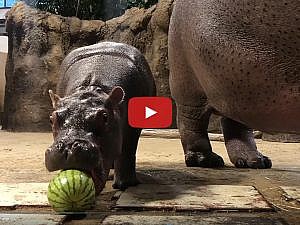
September was a big month for our quickly growing Nile hippo calf. He got a name, explored new spaces and tried new foods. One thing didn’t change for young Omo, though: his love for naps. Join Water’s Edge: Africa keeper, Grace, for an update on our two-month-old calf, and hear about how Omo’s following in . . .
-
Teen Community Courses Range in Experience, Focus and Time Commitment
If you have visited Cheyenne Mountain Zoo during the summer, you have probably seen teenagers in light blue t-shirts, contributing to the success of almost every area of the Zoo. These teens play an active role in engaging with guests, caring for animals, and gaining life skills like public speaking and professionalism. Summer might be . . .
-
New Capital Campaign Aims to Elevate Zoo-Wide Experiences and Expectations
Generous donors have contributed $12 million to Cheyenne Mountain Zoo’s next capital campaign, which seeks to support a variety of Zoo improvements. “We’re excited to announce our next capital campaign, called ‘ELEVATE,’” said Kelley Parker, director of development at Cheyenne Mountain Zoo. “Unlike previous capital campaigns, which typically focus on improvements for one exhibit or . . .
-
Forty Years Since Their Rediscovery, Black-Footed Ferrets Continue Wild Recovery
It’s easy to see why the black-footed ferret (BFF) is considered the ambassador of the prairie ecosystem. With its black-and-white bandit-esque markings, small stature and curious demeanor, many consider this species adorable. That’s true; but they’re also highly trained hunters with a big job: restoring balance in their ecosystem while helping their own species recover . . .
-
Palm Oil: The Good, The Bad and The App That Can Help You Save Rainforests
With spooky season just around the corner, many people are stocking up on candy. It may come as a surprise, but the type of candy you purchase has an impact on wild orangutan habitats because it likely contains palm oil. Palm oil is a form of edible vegetable oil obtained from the fruit of the . . .
-
Tsavo Trust Continues Work to Save Wild Elephants and Rhinos, with CMZoo’s Support
Tsavo Trust is a field-based non-profit organization in Africa that uses aerial surveillance and on-the-ground field efforts to protect wildlife in Tsavo National Park, the largest national park in Kenya. Through the Quarters from Conservation program, Cheyenne Mountain Zoo’s members and guests have supported Tsavo Trust since May 2016. The organization was founded to help . . .
-
Baby Boy Hippo’s 5-Week Update
Join us for a 5-week check-in with our beloved baby boy hippo. He and his mom, Zambezi, continue to bond well, and have even been exploring the main hippo yard together. Little baby hippo is weighing in at more than 160 pounds now! He’s gaining about a pound a day. He’s also starting to grow . . .
-
Catch Up with CMZoo Emus, Dora and Damian
Do you know our two emus, Dora and Damian? These two ‘really big birds’ live in Australia Walkabout, near the wallaby yard. Join Australia Walkabout Keeper, Bruce, to learn about the unique personalities, backgrounds and features of these flightless feathered friends, then watch the two enjoy a summertime cooldown in a nice mud wallow. Back . . .
-
Happy ‘Gorilla Grumbles’ Abound: Juju and the Troop Recover and Regroup
Last month, Juju, 40-year-old CMZoo female Western lowland gorilla, started showing her keepers she wasn’t feeling well. Juju, who is known for being confident and independent, was spending more time away from the group, being less energetic, and sitting uncomfortably. Juju is in her golden years, having surpassed the median life expectancy of 39 years . . .
-
School is in Session on Lemur Island
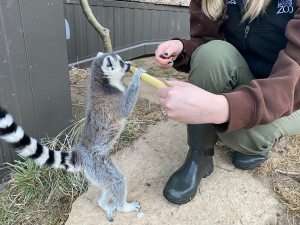
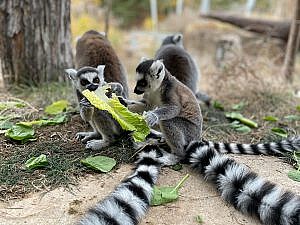
It’s officially back-to-school season. While our partner, Children’s Hospital Colorado, helps parents prepare for the academic year ahead, Water’s Edge: Africa keepers are helping 4-month-old ring-tailed lemur, Maky [MAH-kee], take his first steps toward training! Many animals at the Zoo participate in voluntary training, which allows them to choose to participate in their own health . . .