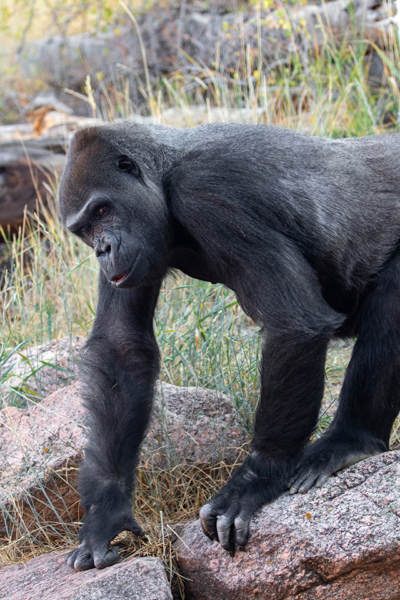

Seasonal illnesses, like influenza, can wreak havoc on humans this time of year. But, did you know great apes, like orangutans and gorillas, are also susceptible to the flu virus, which impacts an estimated 3 million humans annually?
As Cheyenne Mountain Zoo’s year-round sponsor, Children’s Hospital Colorado, provides tips for staying healthy during flu season, Primate World keepers take steps each year to help great apes stay as healthy as possible.
“The great apes are the most susceptible to illnesses that impact human primates, like you and me,” said Dina Bredahl, senior lead keeper in Primate World. “Any primate at the Zoo can catch illnesses from humans, but the risk is increased for great apes because they’re so similar to humans. Orangutans share 97 percent of the same DNA as humans.”
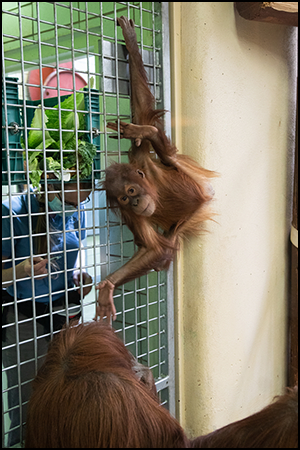
To protect the Bornean and Sumatran orangutans and the Western lowland gorillas at CMZoo, the apes receive the flu vaccine. The flu vaccine is administered by injection, which the Primate World residents train to accept voluntarily. Flu shots are available each fall, but injection training continues throughout the year nearly every day. The training can take months and requires the apes to build upon the trust they have in their keepers. Some of them choose not to participate in injection training, or may not be at a point in their training that keepers feel confident a real injection won’t derail the progress.
“We rely on ‘herd immunity’ to protect the population, so not every single great ape will receive a flu shot,” said Bredahl. “As long as a majority of the gorillas and orangutans receive the vaccine, we drastically reduce their overall risk.”
One example is one-year-old Sumatran orangutan, Kera. Little Kera was at a point in her training that her primary keeper thought a real first-time ‘poke’ might risk a regression in her training. Because the majority of the other primates were further along in training, Kera didn’t receive a shot during the fall flu shot clinic. However, her primary trainer continued training, and Kera has made incredible progress. So much progress, in fact, that she gets excited for the training.
“We’ll use a syringe that doesn’t have a needle, so they get used to seeing the shape and being touched with it,” said Bredahl. “Eventually, we move on to a dull needle, so it looks more similar to the needle we’d use for an actual injection. Kera’s trainer has been so successful that Kera now knows if she presents her hip and then holds still for a moment for the pretend injection, she’ll get a special reward. She presents her hip pretty enthusiastically, which is adorable and impressive since she’s still just an infant!”
Keepers also take steps to avoid transmitting diseases to the great apes.
“Primate World keepers receive flu shots yearly to protect ourselves and the great apes in our care,” said Bredahl. “We also wear medical masks when we prepare their food or are in close protected proximity to them. We wash our hands constantly and practice good hygiene before and after we handle anything they’ll touch or eat.”
Guests can visit CMZoo’s three Bornean orangutans, three Sumatran orangutans and five Western lowland gorillas – and can even see their training during scheduled demonstrations – in Primate World.
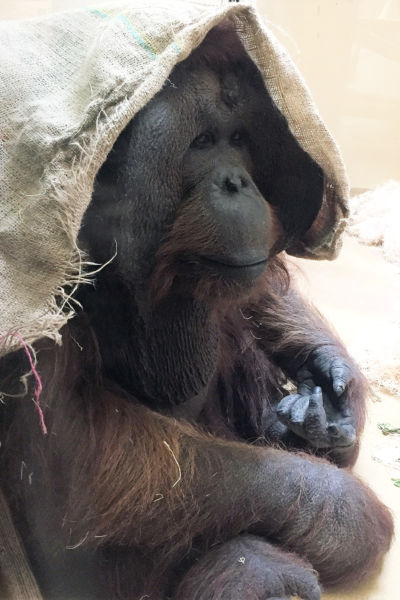
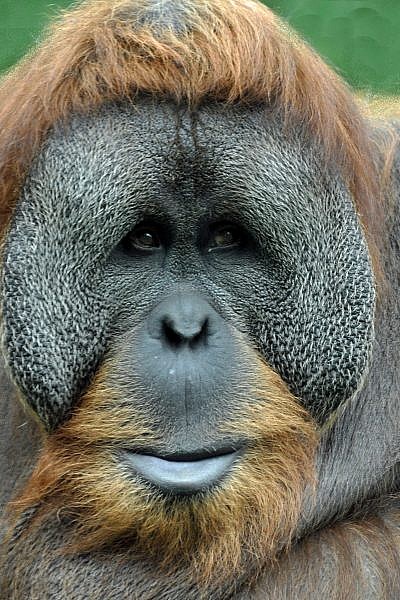
Tujoh, a 25-year-old male Bornean orangutan, recently made CMZoo husbandry training history. Tujoh and his primary trainer, Amy Tuchman, successfully completed a voluntary electrocardiogram (EKG) – a test that measures the electrical activity of the heart.
As Tujoh ages, Tuchman and the rest of his care team are looking for ways to take advantage of new technologies to diagnose medical issues common in great apes, like cardiovascular disease.
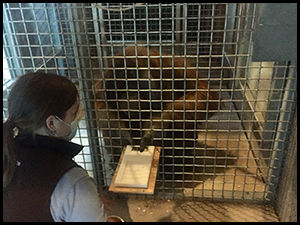
“It’s especially prevalent in middle-aged male great apes, and all of our guys in Primate World fall into that category,” said Tuchman. “This device allows us to monitor them as often as we like. Early detection could be the difference between life and death, especially for a big guy like Tujoh.”
This new pocket-sized equipment is a welcome advancement for 340-pound Tujoh, who Tuchman describes as a “straight-A student.” The test requires Tujoh to place his two index fingers through the protective barrier between him and Tuchman, onto the quarter-sized metal discs that take the reading. Then, he needs to keep his fingers on the discs with consistent pressure for thirty seconds, continuously.
It only took Tujoh a month to learn how to successfully complete the test. Perhaps that’s in part thanks to his intense focus. Tuchman says Tujoh likes to maintain direct eye contact with her throughout the training.
“He learns incredibly fast,” said Tuchman. “He already knew a ‘hold’ cue, and we built the behavior from there. Once he was sitting on the other side of the mesh from me, I held up my finger and asked him to touch his finger to mine. He’d never done it before, but he got it right away.”
Tuchman cleans Tujoh’s two fingertips before he places them onto the device to ensure the best connection for the reading.
“Now he holds out each finger individually for me to clean before we start, like he’s getting a manicure,” said Tuchman, with a laugh. “He learns how to do something, and he remembers every step you’ve asked of him. Then, he wants to do it that exact way every single time.”
As with most behavior training, the trainers learn from the animals, too.
“The device is made for humans, so we needed to customize how we could present it in a way that allowed trainers to be hands-free to reward his participation,” said Tuchman. “We also needed to securely present it at a level that he could access it while sitting and relaxed on the other side of the protective barrier between us, so we could get an accurate reading.”
Compared to the oversized and complicated readers of the past, these test results will likely be more accurate, because the testing equipment and overall experience are less invasive, thus less stressful for Tujoh.
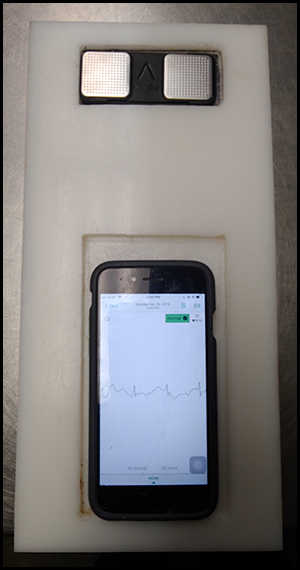
“It’s still sensitive equipment,” said Tuchman. “That’s a good thing because we know it’s picking up the tiniest abnormalities for us to track, but it also requires a lot of patience and participation from Tujoh to complete the test.”
Tuchman and her team were inspired to pursue the ability to provide regular EKGs for the great apes in their care and attended a conference with Great Ape Heart Project – a coordinated clinical approach targeting cardiovascular disease across all four non-human great ape taxa: gorillas, orangutans, chimpanzees and bonobos. Studies have shown cardiovascular disease is a primary cause of mortality among great apes.
“I’m the primary keeper for Goma [28-year-old Western lowland silverback] and Tujoh, so I was interested in learning how other zoos are managing cardiac care, what tools are available and what we could do to improve our great apes’ cardiac care,” said Tuchman. “Any little improvement we can make to monitor their cardiac health and stay ahead of any issues will be really important.”
Tuchman and her team will share Tujoh’s data with Great Ape Heart Project so they can learn and share data that benefits great apes in human care around the world. They will also continue training with other great apes at Cheyenne Mountain Zoo to utilize this life-saving, non-invasive diagnostic tool with as many participants as possible.
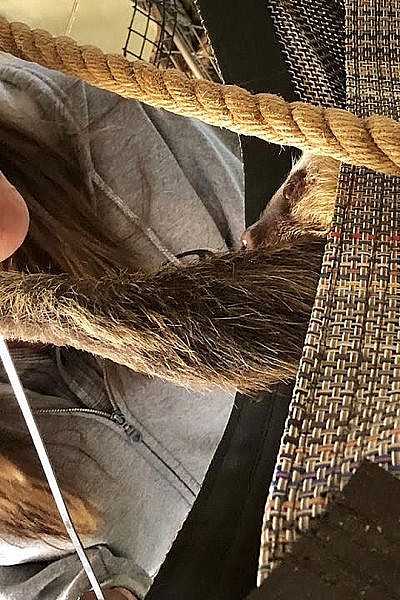
- Meet & Greets – unique animal interactions year-round, with any one of our smaller animals listed below.
- Animal Encounters – connect with amazing animals and their Keepers, plus options to feed many of the animals listed.
- V.I.P. Tours – behind-the-scenes exclusive animal experiences that make memories for a lifetime!
Once in a lifetime Opportunities
Select your unique experience from the following options:
Encounters
Opportunities to connect with amazing animals and their Keepers and a chance to feed any one of the animals below.
Note: All Encounters do not have any age restrictions unless otherwise noted, however children under 12 years of age must be accompanied by an adult.
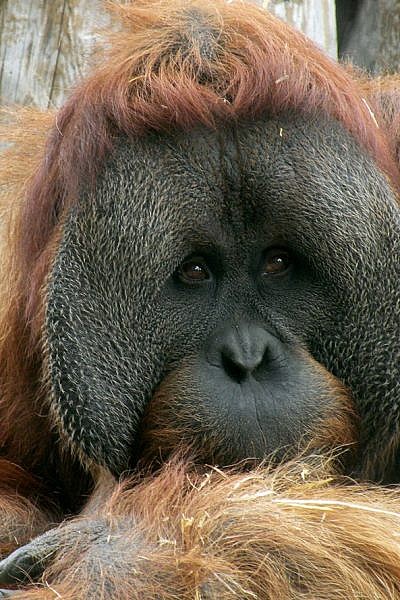
Support your favorites with digital, traditional, gift package, and group adoptions. Gifting any adopt choice is available by simply completing the gift area at checkout.
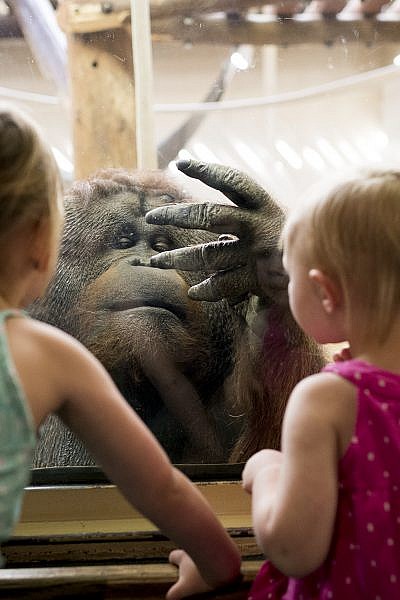
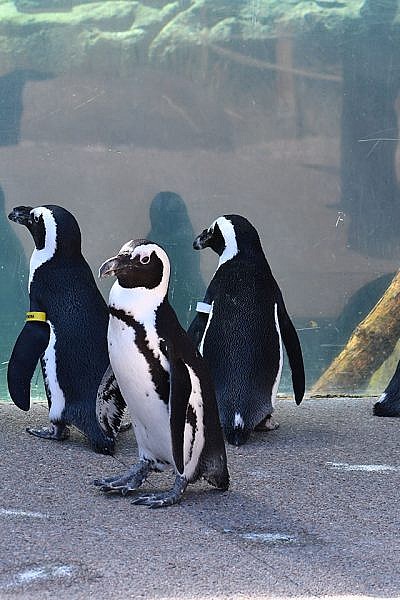
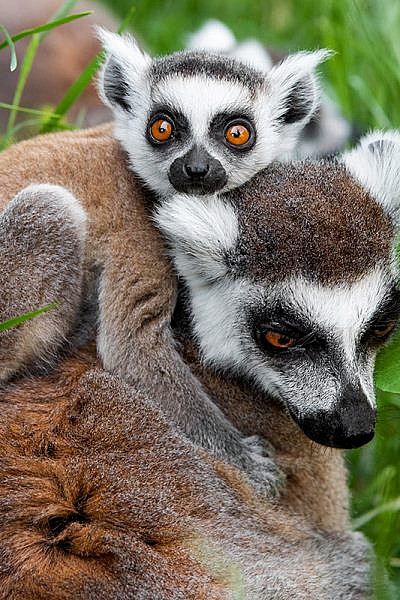
Foster any animal and you’ll help Cheyenne Mountain Zoo continue to provide outstanding care. Whether given as a gift or used to celebrate a favorite species, symbolic adoptions come with a variety of benefits only adoptive parents can enjoy.
Ways to adopt your favorites:
- Digital Adoption – ($35) choose any Zoo animal from the full list provided below.
- Group Adoption – ($35+) pick a herd, chatter or family for your classroom or group, offered for certain featured animals below.
- Traditional Adoption – ($50+) choose any Zoo animal from the full list provided below.
- Wild Adopt Gift Packages – ($65) includes a cuddly plush, offered for many featured animals below.
- Gift any Adoption – ($35+) gifting any adoption is offered during check-out.